

 English
 한국어
한국어 日本語
日本語 中文 (中国)


Tooth number 4 in Vietnam is commonly known as the first premolar, the smallest molar-like tooth on the dental arch. Despite its size, tooth number 4 plays a critical role in biting, tearing, and chewing food. In certain orthodontic or pathological cases, dentists may recommend extracting tooth number 4.
In daily function, this tooth helps distribute chewing forces evenly across the dental arch, reducing excessive pressure on both anterior and posterior teeth. Because of its position, tooth number 4 is also frequently involved in orthodontic treatment planning. In cases of crowding, protrusion, or bite misalignment, dentists may recommend extraction to create space and improve overall alignment.
What Is Tooth Number 4?
Tooth number 4 is the first premolar, also referred to as a bicuspid tooth due to its two prominent cusps. Each adult typically has four first premolars, located symmetrically in all four quadrants of the mouth. This tooth has a unique structure that combines features of both canines and molars, allowing it to perform both cutting and grinding functions.
Its crown is relatively thick with defined ridges, enabling it to handle moderate chewing forces. While usually supported by a single root, variations can occur depending on the individual, which is an important consideration in dental procedures such as root canal treatment or extraction.
Like other permanent teeth, tooth number 4 consists of three main parts:
- The crown, which is visible above the gum line and responsible for chewing
- The neck, which connects the crown to the root at the gum margin
- The root, which anchors the tooth firmly into the jawbone
Internally, the tooth is composed of multiple layers that work together to maintain strength, sensitivity, and vitality. Each layer plays a critical role in protecting the tooth from mechanical stress and bacterial invasion.
At BeDental, clinical data shows that tooth number 4 is frequently involved in orthodontic and restorative treatments. Around 28–35% of orthodontic cases require extraction of this tooth to create space and improve alignment. Additionally, nearly 40% of patients with early decay or sensitivity show initial damage in the premolar region, highlighting the importance of proper care and early detection.
See more: Which tooth is number 4 tooth
Structure of Tooth Number 4 in Vietnam
The structure of tooth number 4 is designed to withstand daily chewing forces while maintaining sensitivity and responsiveness. Its layered composition allows it to balance durability with biological function.
Enamel
Enamel forms the outermost protective layer of tooth number 4 and is the hardest substance in the human body. It is composed of approximately 95–96% mineral content, primarily hydroxyapatite crystals, which provide exceptional resistance to wear and chewing pressure.
Despite its strength, enamel is vulnerable to acid erosion caused by bacteria, diet, and poor oral hygiene. Because it does not contain living cells, enamel cannot repair itself once damaged. This makes early prevention and protection critical, especially for premolars that are actively involved in chewing.
Dentin
Beneath the enamel lies dentin, a softer and more elastic tissue that makes up the majority
of the tooth structure. Dentin contains thousands of microscopic tubules that connect directly to the dental pulp, allowing it to transmit sensations such as temperature, pressure, and pain.
When enamel is worn down or damaged, dentin becomes exposed, often leading to tooth sensitivity. Compared to enamel, dentin is more susceptible to decay, which means that once a cavity reaches this layer, it can progress more rapidly if left untreated.
Dental Pulp
At the core of tooth number 4 is the dental pulp, a vital soft tissue composed of nerves, blood vessels, and connective tissue. The pulp is responsible for nourishing the tooth during its development and maintaining its sensory function throughout life.
The pulp system includes:
- The pulp chamber located in the crown
- The root canal extending down through the root
When bacteria penetrate deep enough to infect the pulp, it can lead to severe pain, inflammation, and infection. In such cases, root canal treatment is required to remove the infected tissue while preserving the outer structure of the tooth.
See more: Dentures fall out
Functions and Role of Tooth Number 4 in Vietnam
Chewing and Food Grinding
As a premolar, tooth number 4 plays a key role in grinding and crushing food before swallowing. Dental associations emphasize that efficient chewing supports digestion and reduces strain on the gastrointestinal system.
When tooth number 4 is missing, chewing forces become uneven, potentially leading to:
- Reduced chewing efficiency
- Digestive discomfort
- Excessive stress on opposing teeth
- Maintaining Bite Balance
Tooth number 4 helps maintain balance between the canine teeth (tooth number 3) and the molars (teeth number 6 and 7). It preserves proper spacing and prevents adjacent teeth from drifting, which could otherwise cause bite misalignment.
Aesthetic Contribution
Tooth number 4 in Vietnam also contributes to facial and smile aesthetics, particularly in the upper jaw. When smiling widely, this tooth may be visible. Damage or loss of tooth number 4 can negatively affect confidence and facial harmony.
When Does Tooth Number 4 in Vietnam Erupt?
Tooth number 4 begins forming within the jawbone between 12 and 16 months of age, though eruption timing varies among children. According to pediatric dentistry data, variations of up to one year are considered normal.
See more: Ways to prevent tooth decay
Does Tooth Number 4 in Vietnam Fall Out Naturally?
Yes. The primary premolar is replaced by the permanent tooth number 4 between the ages of 10 and 12. After this stage, tooth number 4 in Vietnam does not regenerate and must be preserved whenever possible.
Common Problems Affecting Tooth Number 4 in Vietnam
High Risk of Tooth Decay
Due to its position between the canine and second premolar, tooth number 4 in Vietnam is prone to food impaction. Dental associations report that premolars are among the most decay-prone teeth when oral hygiene is inadequate.
Common symptoms include:
- Sensitivity to sweet, hot, or cold foods
- Mild pain when chewing
- Dark spots or small cavities
Untreated decay can spread to the pulp, causing severe pain and potential tooth loss.
See more: What is tongue scraping
Fracture, Chipping, and Pulp Inflammation
Tooth number 4 in Vietnam absorbs significant chewing force. Habits such as teeth grinding, biting hard objects, or trauma can cause fractures. If the pulp is exposed, persistent pain and infection may occur, potentially leading to jawbone complications.
Misalignment and Crowding
Tooth number 4 may erupt out of alignment in patients with narrow dental arches or crowding. This can affect bite function, aesthetics, and increase the risk of gum disease and decay.
Periodontal Disease and Tooth Mobility
Advanced periodontal disease can cause bone loss around tooth number 4, leading to looseness or tooth loss. Symptoms include bleeding gums, bad breath, gum recession, and mobility during chewing.
See more: What is white tongue disease
Consequences of Losing Tooth Number 4
Losing tooth number 4 in Vietnam can lead to far more serious consequences than many people realize. Beyond affecting appearance, the loss of tooth number 4 can negatively impact oral health, chewing efficiency, facial structure, and even overall systemic health.
As a premolar, tooth number 4 plays a dual role in biting and grinding food, helping maintain bite balance and jaw stability. According to data recognized by prosthodontic and orthodontic dental associations, the loss of premolars—especially tooth number 4—often triggers a chain reaction of functional and structural problems if not treated promptly.
Reduced Chewing Function and Digestive Strain
Tooth number 4 directly participates in cutting, tearing, and grinding food. When this tooth is lost, chewing efficiency is significantly reduced. Food is not broken down thoroughly, forcing the stomach and digestive system to work harder. According to dental and gastroenterology associations, poor mastication is linked to increased risks of digestive disorders over time.
Additionally, the absence of tooth number 4 disrupts bite balance, causing neighboring teeth to shift and altering the way chewing forces are distributed across the jaw.
Aesthetic Impact and Reduced Confidence
Tooth number 4 is visible when smiling or speaking, especially in the upper jaw. Losing this tooth can make the smile appear uneven and unnatural. Facial harmony may be compromised, leading many patients to feel self-conscious during daily communication.
Dental aesthetic associations confirm that missing premolars significantly affect smile symmetry and social confidence.
Jawbone Loss and Premature Facial Aging
When tooth number 4 is lost, the jawbone beneath the missing tooth no longer receives stimulation from chewing forces. Over time, this leads to bone resorption. According to data from dental implant and oral surgery associations, jawbone loss following tooth extraction can begin within months and progress steadily.
This bone loss contributes to facial sagging, sunken cheeks, and a prematurely aged appearance, making patients look older than their actual age.
Speech and Pronunciation Difficulties
Tooth number 4 in Vietnam plays an important role in stabilizing the jaw and supporting tongue placement during speech. Its absence can interfere with the pronunciation of certain consonant sounds, such as /s/, /t/, and /d/. Dental speech studies show that gaps caused by missing premolars can alter airflow and tongue contact points, leading to unclear or distorted speech.
Overeruption of the Opposing Tooth
When tooth number 4 is missing, the opposing tooth no longer has a biting partner. Over time, this tooth may begin to overerupt or shift downward into the empty space. Orthodontic associations report that this phenomenon disrupts bite alignment and increases the risk of chewing discomfort and further dental instability.
Shifting and Crowding of Adjacent Teeth
The gap left by missing tooth number 4 allows adjacent teeth—typically tooth number 3 (canine) and tooth number 5 (second premolar)—to tilt or drift into the empty space This movement causes crowding, misalignment, and bite irregularities, making oral hygiene more difficult and increasing the risk of tooth decay and gum disease.
See more: Good types of tooth stones
Psychological Impact and Reduced Quality of Life
Long-term loss of tooth number 4 in Vietnam affects more than physical health. Patients often experience embarrassment, reduced self-esteem, and anxiety related to eating, speaking, or smiling in public. According to behavioral dental health research, missing teeth can significantly reduce overall quality of life if left untreated.
Increased Risk of Losing Additional Teeth
Bone loss and tooth shifting around the missing tooth number 4 weaken the surrounding teeth. Over time, these teeth may become loose and more susceptible to periodontal disease, increasing the risk of further tooth loss. Dental associations describe this as a progressive cycle that accelerates oral health deterioration.
Higher Risk of Digestive Disorders
Inadequate chewing caused by the loss of tooth number 4 forces the digestive system to compensate. Over the long term, this can contribute to conditions such as gastritis, indigestion, and colon disorders. Clinical data recognized by dental and medical associations highlight a clear link between poor chewing efficiency and chronic digestive issues.
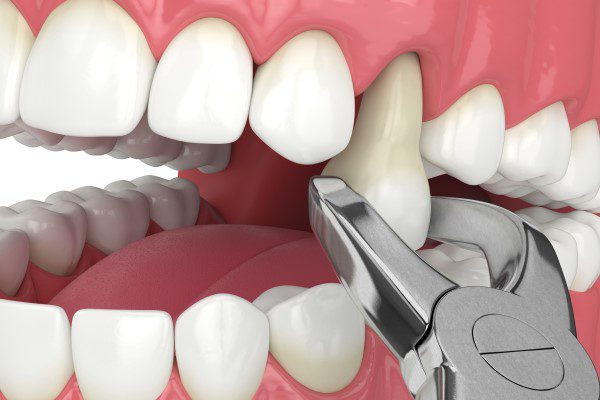
Should Tooth Number 4 Be Extracted in Vietnam?
Preserving permanent teeth is a top priority in modern dentistry. According to guidelines from orthodontic and restorative dentistry associations, tooth number 4 should only be extracted when absolutely necessary.

Extraction may be recommended in the following cases:
- Severe decay or irreversible pulp infection
- Advanced infection that cannot be restored
- Orthodontic treatment requiring space creation
- Fractures exposing the pulp beyond repair
Orthodontic associations acknowledge that extraction of tooth number 4 is sometimes necessary to achieve optimal alignment and long-term bite stability.
See more: Can cavities be braced
Tooth Number 4 Replacement Options in Vietnam
Tooth number 4 in Vietnam refers to the first premolar, a tooth that plays an important role in both chewing efficiency and maintaining facial balance. When tooth number 4 is lost or severely damaged, timely replacement is recommended by dental associations to prevent bite imbalance, tooth shifting, and long-term jaw complications.
Dental Implant
A titanium implant is placed into the jawbone to act as an artificial root, followed by a crown that restores full chewing function. Dental associations recognize implants as a long-term solution because they prevent bone loss and do not affect neighboring teeth, usually ranges from about 13,000,000 to 35,000,000 VND (500 to 1.345 USD) depending on the implant brand and clinic technology.
The same treatment in the United States or Australia commonly costs between 80,000,000 to 150,000,000 VND (3.077 to 5.770 USD) per tooth, while prices in Europe often start from around 70,000,000 VND (2.690 USD). This large difference makes Vietnam an attractive option for patients seeking high-quality implant treatment at a more accessible price.
Dental implants are widely recommended because they replace both the tooth root and crown, prevent jawbone loss, and do not affect adjacent teeth.
Dental Crown on natural tooth (if root is preserved)
If tooth number 4 in Vietnam is damaged but the root remains healthy, dentists may recommend placing a dental crown typically cost between 2,000,000 and 8,000,000 VND (76 to 305 USD). This option strengthens the tooth, restores chewing ability, and maintains natural tooth structure. It is a conservative approach commonly used when extraction is not required.
In contrast, similar crowns in countries like the US, UK, or Japan often range from 25,000,000 to 50,000,000 VND (961,50 to 1.923 USD) per tooth. This option allows patients to preserve their natural tooth structure while restoring chewing function and appearance at a much lower cost.
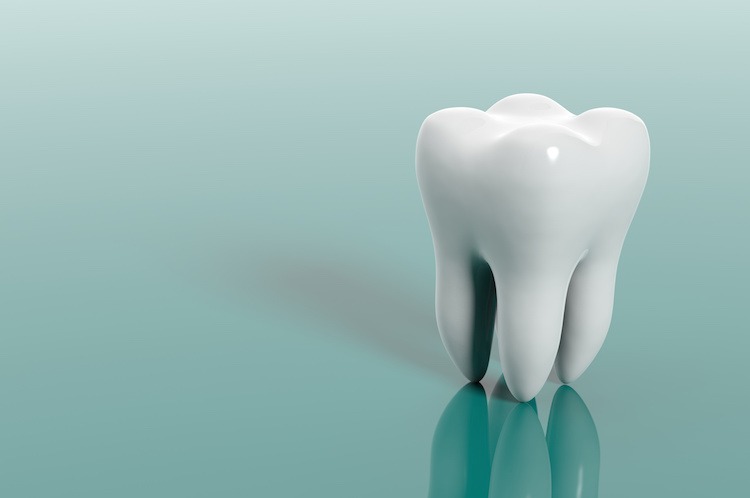
Porcelain dental bridge
A dental bridge replaces tooth number 4 by using the adjacent teeth as support as the dentist reshapes the neighboring teeth and places a fixed bridge with a false tooth in the middle.
The cost of a bridge to replace a single premolar usually ranges from 6,000,000 to 15,000,000 VND (230,75 to 577 USD), depending on the materials and number of teeth involved. Bridge treatment in Western countries commonly costs two to three times more, often exceeding 40,000,000 VND (1.538,36 USD).
While bridges can restore function relatively quickly, dentists carefully evaluate this option because it requires reshaping the adjacent healthy teeth to support the bridge.
Removable partial denture
A removable partial denture is a more affordable option for replacing tooth number 4. It uses a lightweight base with an artificial tooth to fill the gap, typically cost from 1,500,000 to 5,000,000 VND (57,70 to 192,30 USD). In countries such as the US or Canada, similar removable options often start at around 15,000,000 VND (577 USD) or higher.
Although this method restores basic chewing ability and appearance, it is generally considered less stable and less comfortable than fixed restorations, especially for long-term use.
Temporary replacement solutions
In some cases, dentists may suggest a temporary solution while waiting for bone healing or further treatment planning. Temporary restorations in Vietnam are relatively affordable, usually costing a few hundred thousand to a few million VND, whereas temporary solutions in many developed countries are priced much higher due to laboratory and clinical fees.
These temporary options help maintain spacing, aesthetics, and function until a permanent replacement for tooth number 4 in Vietnam can be completed.
| Treatment option | Vietnam – Benefits by Price | Other countries (Thailand / China / South Korea) – Benefits by Price |
|---|---|---|
| Dental implant (replace missing tooth #4) |
|
|
| Dental crown on natural tooth (root preserved) |
|
|
| Porcelain dental bridge |
|
|
| Removable partial denture |
|
|
| Temporary replacement solutions |
|
|
Choosing the right option
The best replacement method for tooth number 4 depends on factors such as bone condition, oral health, budget, and long-term expectations. Dental professionals recommend a full examination, including X-rays, to select the safest and most effective option.
See more: Common types of premium dentures
Tooth Number 4 in Vietnam Treatment at BeDental
Understanding the importance of tooth number 4 helps patients make informed decisions about their oral health. According to data recognized by international dental associations, preserving natural teeth whenever possible leads to better long-term oral function and overall health.
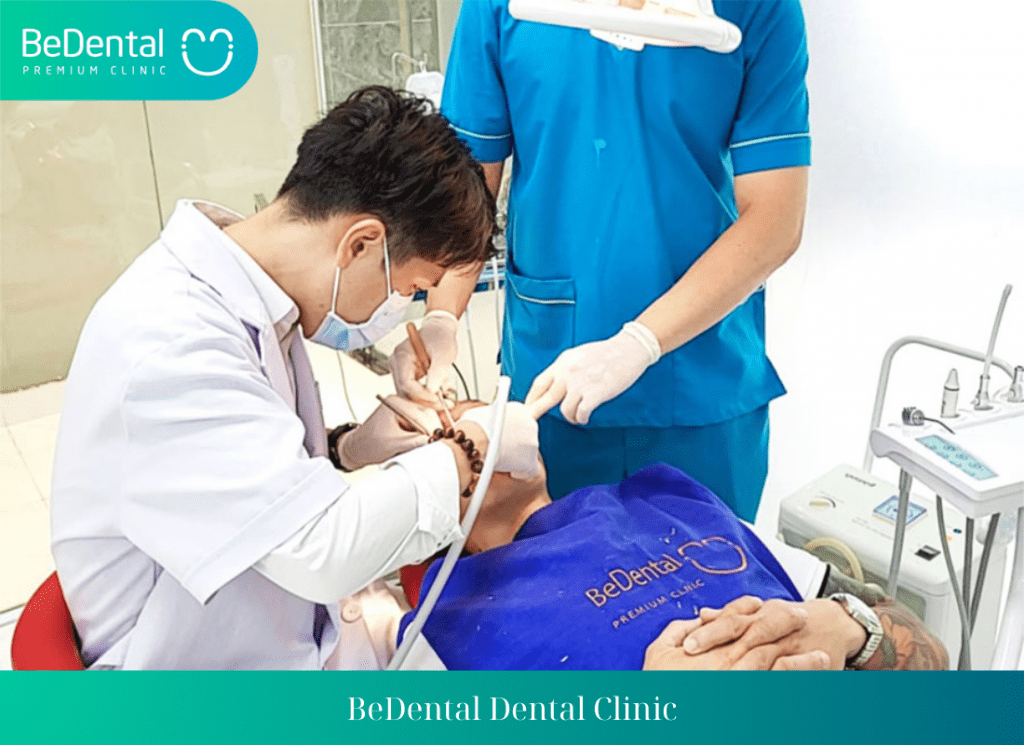
At BeDental, preserving tooth number 4 in Vietnam is always prioritized through evidence-based diagnosis and conservative treatment planning. Following standards referenced by international dental associations, BeDental provides:
- Comprehensive digital diagnostics
- Conservative restorative treatments
- Orthodontic evaluations when extraction is considered
- Advanced implant solutions when replacement is necessary
By combining clinical expertise with modern dental technology, BeDental ensures that decisions regarding tooth number 4 support both immediate comfort and long-term oral health.