
Dental Knowledge
Dental crowns after nose surgery in Vietnam – How Nose Surgery Can Affect Dental Crown Procedures
Th1

Undergoing cosmetic procedures often leads patients to ask whether treatments can be combined or scheduled close together. Many patients, especially those planning comprehensive smile makeovers, often ask whether it is safe to continue dental treatments afterward. Dental crowns after nose surgery in Vietnam have become a common concern among both local and international patients seeking coordinated facial and dental care.
With Vietnam’s dental industry aligning closely with international standards, understanding the correct timing, safety considerations, and professional recommendations is essential to achieving both functional and aesthetic success.
Understanding Dental Crowns After Nose Surgery in Vietnam
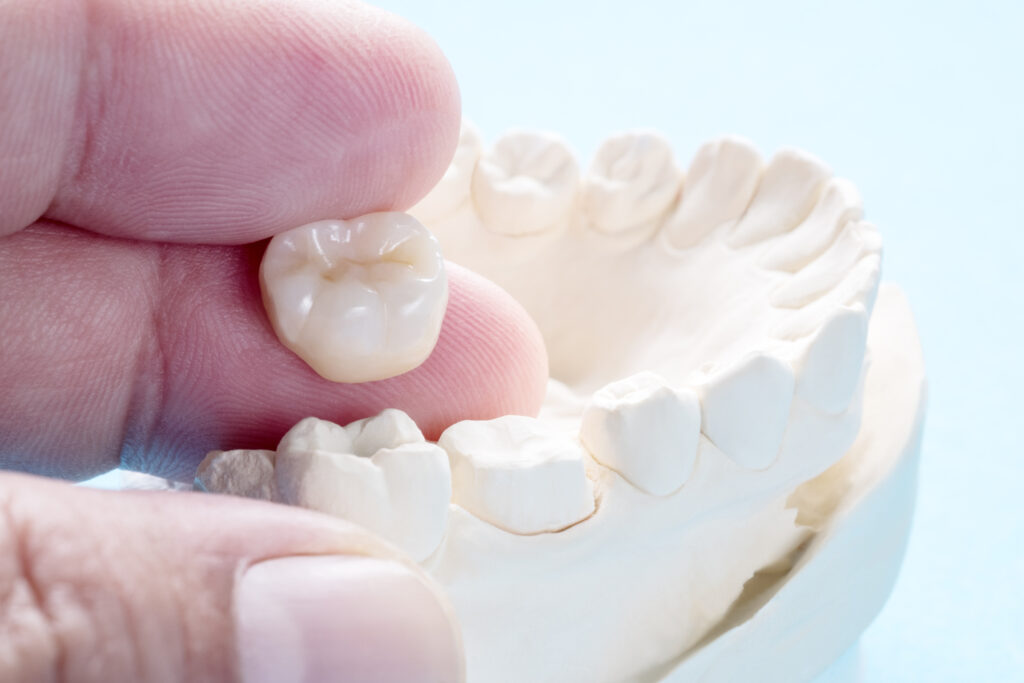
Dental crowns are restorative caps placed over damaged, weakened, or cosmetically imperfect teeth to restore strength, function, and appearance. They are commonly used after root canal treatment, tooth fractures, severe discoloration, or as part of smile design.

When considering dental crowns after nose surgery in Vietnam, dentists must take into account recent surgical trauma to the facial area, nasal tissues, and surrounding structures. Because both procedures involve adjacent anatomical regions, careful planning is necessary to avoid complications and ensure patient comfort.
From What Reasons Many Do Dental Crowns After Having Nose Surgery?
Getting dental crowns after nose surgery can be a smart choice for both health and appearance, or when only some patients feel like doing it. Following was some of the reasons why many patients consider this treatment right after nose surgery:
- Better facial balance: Nose surgery can change the overall facial profile. Dental crowns help adjust tooth shape, size, and alignment so the smile matches the new facial features more naturally.
- Restoring damaged teeth: Some patients already have weak or worn teeth before nose surgery. Dental crowns protect these teeth and restore proper chewing function.
- Long-term dental protection: Dental crowns strengthen teeth and prevent further damage, which is important after undergoing a major facial procedure.
It could help complete the transformation by improving both function and aesthetics in a simple and effective way.
See more: Are loose teeth a problem
Can You Get Dental Crowns After Nose Surgery in Vietnam?
Many people wonder whether it is safe to proceed with dental crowns after nose surgery in Vietnam. According to specialists in cosmetic surgery and dentistry, rhinoplasty and dental crown procedures do not directly interfere with one another.
Patients can technically choose to have dental crowns before, during, or after nose surgery without affecting the final results of nasal surgery.
From a clinical perspective, professional dental associations note that dental crowns mainly affect the teeth, bite, and oral structures, while nose surgery focuses on the nasal framework. Therefore, the two procedures are independent in terms of treatment area and surgical technique.
However, despite this compatibility, dentists and cosmetic surgeons generally do not recommend undergoing both procedures at the same time or too close together.
Dental crown treatment may involve prolonged mouth opening, pressure on facial muscles, and nerve sensitivity, while nose surgery is a complex procedure requiring physical recovery and stabilization. Performing both within a short period may increase discomfort or unnecessary risk during healing.
How Nose Surgery Can Affect Dental Crown Procedures
Nose surgery can temporarily affect dental treatment in several ways:
- Facial swelling may make mouth opening uncomfortable
- Nasal tenderness can increase pressure sensitivity during dental chair positioning
- Upper jaw procedures may feel more intense due to shared anatomical proximity
Because of this, dentists performing dental crowns after nose surgery in Vietnam often adjust treatment posture, appointment length, and procedural techniques to minimize stress on healing nasal structures.
See more: What is orthodontic archwire
Recommended Waiting Time for Dental Crowns After Nose Surgery in Vietnam
After nose surgery, the nasal structure needs sufficient time to stabilize and heal properly. The appropriate timing for dental crowns after nose surgery depends on each individual’s recovery progress, the type of rhinoplasty performed, and the extent of dental treatment required.
Most dental professionals recommend waiting 4 to 8 weeks before proceeding with dental crowns after nose surgery in Vietnam. This timeframe allows:
- Swelling to subside significantly
- Nasal tissues to stabilize
- Facial sensitivity to decrease
- Normal head positioning during dental treatment
For complex rhinoplasty or sinus-related nasal surgeries, the waiting period may extend to 8–12 weeks, depending on individual healing conditions.
See more: Dental emergencies while working aboard
Types of Dental Crown Materials After Nose Surgery in Vietnam
When choosing dental crowns after nose surgery in Vietnam, the material of the crown plays a crucial role in comfort, healing, aesthetics, and long-term success. Because patients may still be recovering from facial surgery, dentists often prioritize materials that allow precise fabrication, efficient placement, and minimal adjustment.
Metal Crowns
Metal crowns are made from dental alloys such as gold, cobalt-chromium, or nickel-chromium. They are known for exceptional strength and resistance to wear.
Because metal crowns require minimal tooth reduction and are highly durable, they may be suitable for back teeth where aesthetics are not a priority. However, their metallic color makes them less desirable for visible areas, especially after cosmetic facial procedures such as nose surgery.
Porcelain-Fused-to-Metal (PFM) Crowns
PFM crowns combine a metal core with an outer porcelain layer. This structure provides good strength while offering a tooth-colored appearance.
PFM crowns are commonly used for patients who need a balance between durability and aesthetics. However, the metal substructure may sometimes cause a dark line near the gum margin, which can be a consideration for patients concerned about overall facial aesthetics after nose surgery.
All-Ceramic / All-Porcelain Crowns
All-ceramic crowns are made entirely from porcelain or advanced ceramic materials. They provide excellent translucency and closely resemble natural teeth.
These crowns are often recommended for front teeth due to their superior aesthetics. For patients recovering from nose surgery, all-ceramic crowns offer the advantage of precise fit and natural appearance, though they may be less suitable for areas with very strong biting forces.
Zirconia Crowns
Zirconia crowns are made from high-strength zirconium dioxide and are widely used in modern restorative dentistry. They offer outstanding durability while maintaining good aesthetic quality.
Zirconia crowns are suitable for both front and back teeth and are often preferred for patients seeking long-lasting restorations with minimal risk of fracture. Their precision and strength make them a popular option for dental crowns after nose surgery in Vietnam.
Comparison of Dental Crown Materials After Nose Surgery
| Crown Material | Strength | Aesthetics | Tooth Reduction | Common Indications |
|---|---|---|---|---|
| Metal crowns | Very high | Low | Minimal | Back teeth, heavy bite force |
| Porcelain-fused-to-metal (PFM) | High | Moderate | Moderate | Front or back teeth, balanced needs |
| All-ceramic / all-porcelain | Moderate | Very high | Moderate | Front teeth, aesthetic zones |
| Zirconia | Very high | High | Moderate | Front and back teeth, long-term use |
Precautions Dentists Take for Dental Crowns After Nose Surgery in Vietnam
When planning dental crowns after nose surgery in Vietnam, dentists follow strict medical and clinical precautions to protect patient safety, ensure healing stability, and achieve long-term restorative success. Because rhinoplasty and other nasal surgeries can affect facial tissues, blood circulation, and patient sensitivity, dental professionals must carefully coordinate treatment timing and techniques.
- Comprehensive medical history review – Dentists begin by collecting detailed information about the type of nose surgery performed, the date of surgery, healing progress and any post-operative complications, helps determine whether the patient is medically stable enough for dental crowns after nose surgery without increasing the risk of inflammation or discomfort.
- Recommended healing interval before treatment – Most dentists advise waiting at least 4–6 weeks after nose surgery before proceeding with dental crowns. This waiting period allows facial tissues, nerves, and blood vessels to stabilize, reducing sensitivity and improving comfort during treatment.
- Gentle impression and scanning techniques – Dentists often prefer digital 3D scanning instead of traditional impression trays, minimizes pressure on the upper lip, nasal base and surrounding soft tissues that may still be sensitive after surgery.
- Careful anesthesia selection and dosage – Local anesthesia is used cautiously, with dosage adjusted based on the patient’s recent surgical history.
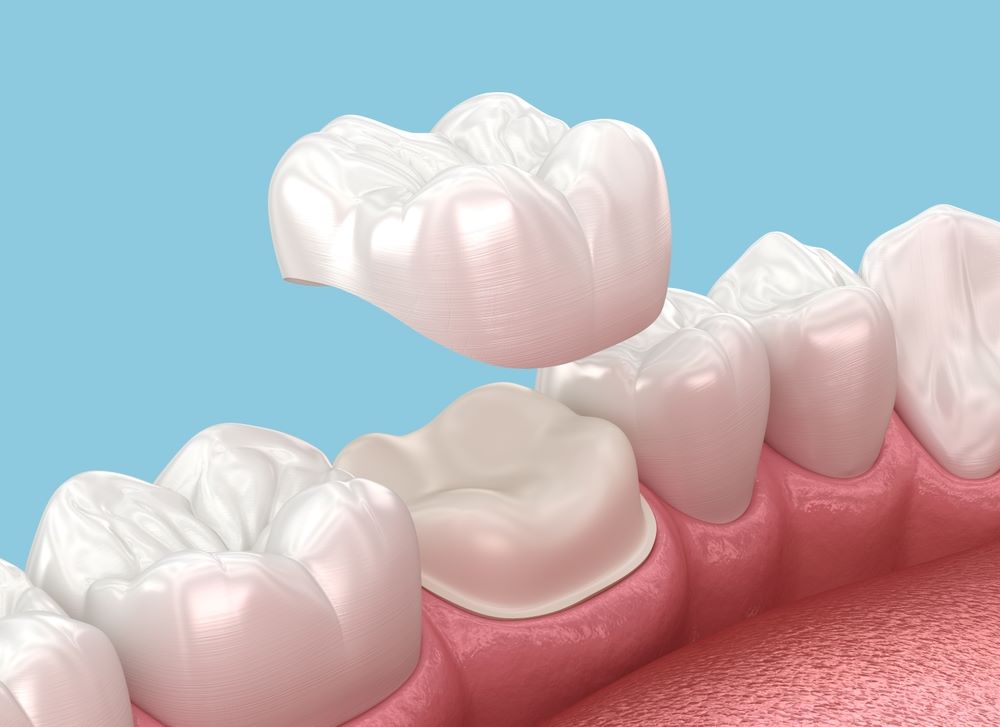
- Minimal pressure during tooth preparation – Dentists apply conservative tooth preparation techniques to limit strain on facial muscles. Reducing mouth opening time and jaw fatigue is especially important when completing dental crowns after nose surgery, as prolonged pressure can cause discomfort near the surgical site.
- Monitoring swelling and inflammation risk – Because facial swelling may persist after nasal surgery, dentists closely monitor gum tissue response throughout the crown process. Any signs of inflammation are managed promptly to ensure dental crowns after nose surgery heal smoothly and predictably.
- Avoidance of aggressive retraction methods – Gingival retraction cords or techniques that could increase bleeding or tissue trauma are used cautiously. Dentists prioritize gentle soft-tissue management when placing dental crowns after nose surgery to protect healing facial structures.
- Coordination with post-surgical medications – Dentists review all medications the patient is taking, including antibiotics, pain relievers, or anti-inflammatory drugs prescribed after nose surgery.
- Shortened and staged treatment sessions – To improve comfort, dentists may divide the crown procedure into shorter appointments. This approach reduces fatigue and stress during dental crowns after nose surgery in Vietnam, especially for patients still recovering from facial surgery.
- Clear post-treatment care guidance – After completing dental crowns after nose surgery, dentists provide detailed aftercare instructions, including dietary recommendations, oral hygiene practices, and signs of complications that require immediate attention.
By following these precautions, dentists ensure that dental crowns after nose surgery in Vietnam are performed safely, comfortably, and with optimal aesthetic and functional outcomes. Careful timing, gentle techniques, and personalized treatment planning allow patients to restore their smile without compromising recovery from nasal surgery.
See more: Invisalign vs braces
Why Choosing a Reputable Dental Clinic Matters
To ensure safe and effective dental crowns after nose surgery in Vietnam, selecting a reputable dental clinic is essential. According to professional dental associations, treatment outcomes largely depend on the dentist’s expertise, technology, and adherence to clinical standards.
At BeDental, dental crown procedures are carefully planned to accommodate patients who have undergone cosmetic surgery. With experienced dentists, modern diagnostic equipment, and strict compliance with healthcare standards, BeDental ensures that dental crown treatment does not compromise nasal healing or overall facial harmony.
Ms. Linh’s Experience Story About Getting Dental Crowns After Nose Surgery in Vietnam
Ms. Linh T., 29, had undergone nose surgery to improve her facial profile and wanted to complete her transformation with dental crowns. However, she was unsure whether it was safe to do dental work so soon after rhinoplasty.
After consulting with the dental team at BeDental, Linh received a thorough oral examination and a personalized treatment plan. The dentists carefully explained that dental crowns would not affect her nose surgery, but recommended waiting until her nasal swelling had fully stabilized to ensure maximum comfort and safety.
A few weeks later, Linh proceeded with her dental crown treatment. The process was gentle, well-planned, and did not cause any pressure or discomfort around her nose. The final result was a natural, balanced smile that complemented her new facial features.
“I was worried at first, but BeDental made me feel completely at ease,” Linh shared. “They didn’t rush the treatment and really cared about my recovery. Now I feel confident smiling from every angle.”
See more: Top 6 most beautiful teeth in the world
Why Many Patients Trust BeDental for Dental Crowns After Nose Surgery in Vietnam
Dental crowns after nose surgery in Vietnam at BeDental are planned according to internationally recognized dental guidelines. BeDental dentists conduct thorough evaluations to ensure nasal healing is stable before proceeding with crown treatment. Each case is approached individually, considering facial anatomy, recovery stage, and patient comfort.
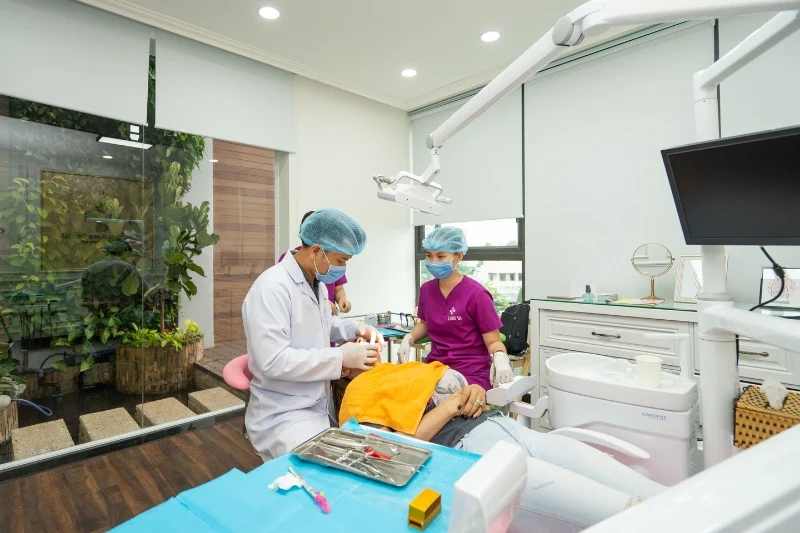
With modern diagnostic tools, high-quality materials, and experienced clinicians, BeDental provides safe, precise, and aesthetically balanced dental crown solutions for patients recovering from nose surgery. These factors help ensure that dental crowns for those that had nose surgery before are performed safely, comfortably, and with long-lasting results.
See more: Sunken temples and 5 ways to fix it
Frequently Asked Questions
Can dental crowns affect the shape of my nose after surgery?
No. Dental crowns do not alter nasal structure. Proper timing ensures there is no indirect discomfort.
Is dental anesthesia safe after rhinoplasty?
Yes, when administered by qualified professionals and after adequate recovery time.
Should I inform my dentist about my nose surgery?
Absolutely. Sharing medical history allows dentists to adjust techniques and chair positioning for comfort and safety.

Tư vấn chuyên môn bài viết:
BÁC SĨ DƯƠNG THỊ THÙY NGA
BEDENTAL - TOP STANDARD DENTISTRY SYSTEM
In HANOI
Address 1: 7B Thi Sach St, Ngo Thi Nham, Hai Ba Trung Dist, Ha Noi. - 0934.61.9090
Address 2: No 129 Hoang Ngan, Yen Hoa, Cau Giay Dist, Ha Noi. - 0934.61.9090
In HO CHI MINH
Address 1: 53 -55 -57 Pho Duc Chinh St, Nguyen Thai Binh, Dist. 1, Ho Chi Minh. - 0766.00.8080
Working: 9am - 8pm everyday
Website: https://bedental.vn/en/