

 English
 한국어
한국어 日本語
日本語 中文 (中国)


Determining if canine teeth (teeth #3) require extraction for alignment is a frequent concern, but their essential role in bite stability and facial aesthetics makes preservation the primary clinical goal. BeDental 2025-2026 data shows that preservation was prioritized in 92% of canine-related orthodontic cases, with extraction reserved only for rare, non-restorable damage or severe impactions where orthodontic exposure was clinically impossible.
What Are Canine Teeth and Why Are They Important?
The canine, also known as the cuspid, is a tooth located in all four quadrants of the mouth as the third tooth from the midline (central incisor > lateral incisor > canine). It is a sharp tooth with a single cusp, designed to tear or pierce food. Humans have four canine teeth: two maxillary (upper), left and right, and two mandibular (lower), left and right.
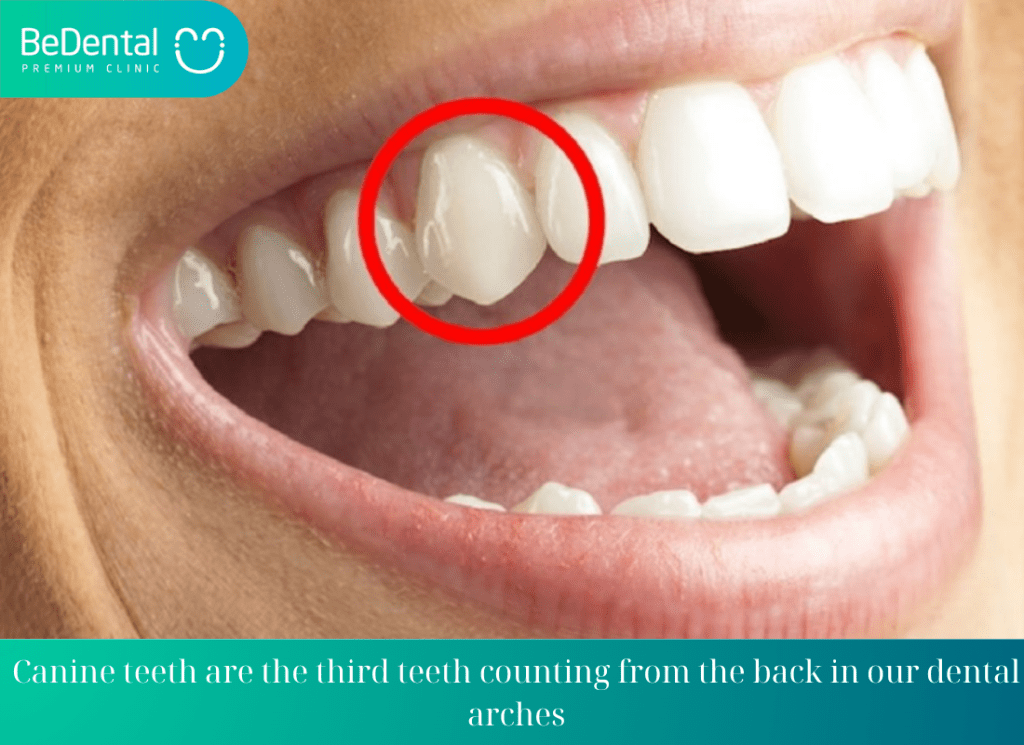
As is typical of the anatomy of all single-rooted teeth, canines have a crown, a neck, and a root. The root is the portion that anchors to the bone through the dental supporting tissues. The outer surface of the crown is covered by a layer of enamel that coats the underlying dentin.
See more: Anti teeth grinding tray
Potential Risks Associated with Crooked Canine Teeth
While crooked canine teeth may appear charming to some individuals, dental professionals warn that they can pose several functional and health-related risks if left untreated.
Bite Misalignment and Reduced Chewing Efficiency
Crooked canine teeth are a form of canine teeth that deviate from their normal eruption path. Under normal conditions, canine teeth play a vital role in tearing food and guiding jaw movement. However, when a canine tooth erupts outward or becomes misaligned, it may no longer function effectively.
This can lead to bite misalignment, uneven force distribution during chewing, and a noticeable reduction in chewing efficiency. According to international dental associations, prolonged bite imbalance may also contribute to jaw discomfort and abnormal tooth wear.
Increased Risk of Oral Diseases
When crooked canines grow crowded or overlap with adjacent teeth, food debris easily becomes trapped between dental spaces.
Over time, inadequate cleaning can result in plaque buildup. Dental associations emphasize that plaque accumulation creates an ideal environment for bacteria, increasing the risk of tooth decay, gingivitis, and periodontal disease.
In many cases, crooked canine teeth are more difficult to clean properly, even with regular brushing. This difficulty significantly raises the likelihood of cavities, gum inflammation, and other oral health problems. These concerns are a major reason that should canine teeth be extracted in Vietnam is often considered in clinical treatment plans.
Impact on Speech and Pronunciation
Oversized or protruding canine teeth may push the lips outward, preventing proper lip closure. This condition can directly affect speech clarity and pronunciation. Dental research shows that tooth positioning plays a crucial role in producing accurate sounds, particularly those involving lip and tongue coordination.
Aesthetic Concerns
Crooked canine teeth that erupt at improper angles or crowd neighboring teeth can negatively affect the overall appearance of the dental arch. Facial harmony and smile balance may be disrupted, making careful evaluation essential.
Dental professionals, including those at BeDental, assess each patient’s jaw structure and facial features before recommending the most suitable corrective approach, whether orthodontic treatment or canine extraction.
See more: What is a removable joint lift in braces
Should Canine Teeth Be Extracted in Vietnam According to Dental Standards?
From a professional standpoint, the general dental consensus is conservative. Dentists prioritize tooth preservation whenever possible. Most dental professionals will recommend extraction only if the tooth cannot be saved or poses a risk to overall oral health.
Modern dentistry in Vietnam follows international standards, emphasizing accurate diagnosis, imaging, and long-term treatment planning before making extraction decisions.
Is Extracting Crooked Canine Teeth Dangerous?
When patients ask should canine teeth be extracted in Vietnam, the biggest concern is often safety. Canine teeth play a critical role in bite alignment, chewing efficiency, and facial aesthetics, so extracting them is a decision that requires careful professional evaluation.
According to orthodontic and dental association guidelines, removing canine teeth is not inherently dangerous, but it carries certain risks if done without proper diagnosis and planning.
When extraction may be considered safe
- Severe crowding: In cases where there is not enough space in the dental arch and orthodontic treatment alone cannot correct alignment, dentists may recommend extraction.
- Impacted or severely displaced canines: If a canine is trapped in the jawbone or positioned in a way that threatens adjacent teeth, removal may be safer than leaving it untreated.
- Advanced damage or disease: Canine teeth affected by severe decay, root infection, or bone loss may require extraction to prevent further oral health complications.
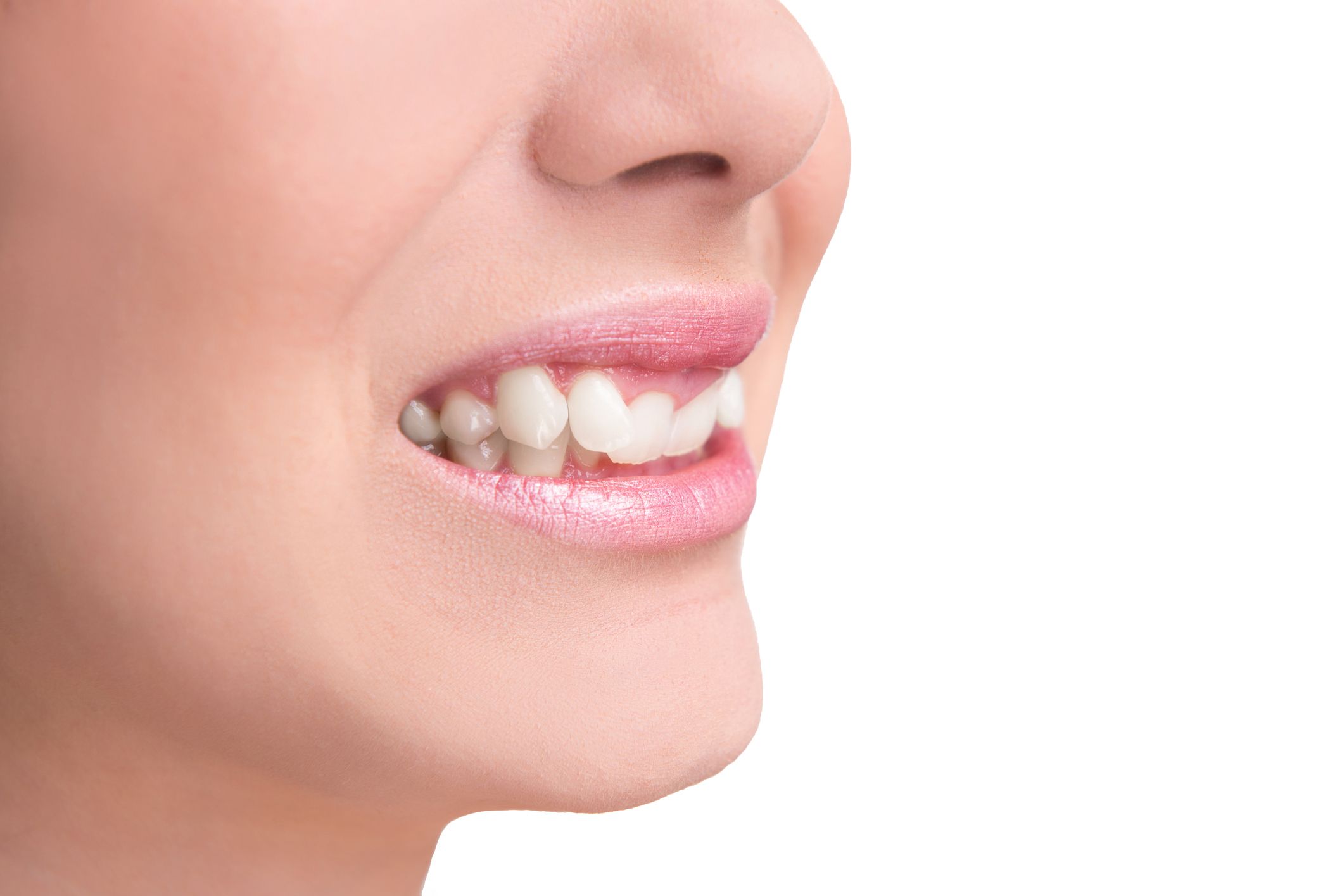
Potential risks of extracting crooked canine teeth
- Bite imbalance: Removing a canine can affect how upper and lower teeth meet, potentially leading to uneven chewing forces.
- Changes in facial aesthetics: Loss of canine support may subtly alter lip shape and smile symmetry if not properly restored.
- Extended orthodontic treatment: After extraction, braces or aligners are often required to close spaces and stabilize the bite.
Why professional assessment is essential
- Dentists in Vietnam rely on X-rays, 3D imaging, and bite analysis before deciding whether extraction is appropriate.
- Treatment plans are designed to preserve natural teeth whenever possible, with extraction used only as a last resort.
- If extraction is necessary, orthodontic or restorative solutions are planned in advance to maintain function and aesthetics.
Should canine teeth be extracted in Vietnam depends entirely on individual dental conditions. When performed at reputable clinics by experienced dentists and supported by proper orthodontic planning, extracting crooked canine teeth is generally safe.
However, unnecessary removal can lead to long-term functional and aesthetic issues, which is why thorough consultation and accurate diagnosis are essential before making this decision.
See more: How to remove dental gems
When Should Canine Teeth Be Extracted in Vietnam?
If a crooked canine tooth is well-positioned, aesthetically pleasing, and does not interfere with oral function, extraction is generally unnecessary. However, dentists may recommend canine teeth being extracted in Vietnam in specific situations, including the following:
Severely Misaligned or Impacted Canine Teeth
Some crooked canines erupt at extreme angles or overlap jawbone structures. This misalignment not only reduces aesthetic appeal but also complicates oral hygiene, allowing plaque and bacteria to accumulate. Over time, this may lead to cavities, gum inflammation, and periodontal disease. Dental associations recommend early intervention in such cases to prevent further complications.
Canine Teeth Affected by Dental Diseases
When a crooked canine tooth is affected by severe decay, pulp inflammation, periodontal disease, or gum infection, it can endanger neighboring teeth. If left untreated, decay may spread to the pulp, leading to abscesses and serious oral infections. In such cases, extraction is often the safest and most effective solution.
Oversized or Excessively Protruding Canines
Canine teeth that protrude significantly may cause lip protrusion, incomplete lip closure, and speech difficulties. Additionally, disproportionate canine size can disrupt smile symmetry and facial aesthetics. In these situations, canine teeth being extracted in Vietnam may help improve pronunciation, facial balance, and overall confidence.
See more: Is sudden toothache a serious issue
How Vietnam Stands Out in Value and Benefits
While canine tooth extraction costs in Vietnam are significantly lower than in neighboring countries, the clinical approach remains aligned with international standards. Vietnamese dentists tend to prioritize long-term outcomes, including tooth preservation, facial balance, and proper treatment planning rather than quick extractions.
Detailed Comparison of Canine Tooth Extraction (Vietnam vs Other Countries)
| Country | Average Cost per Canine Extraction | Pre-Treatment Process | Treatment Approach | Technology & Equipment | Dentist Expertise | Patient Experience | Follow-up & Aftercare | Best For | Main Considerations |
|---|---|---|---|---|---|---|---|---|---|
| Vietnam | 500,000 – 700,000 VND ($19–27) | Clinical exam + digital X-ray standard | Conservative, preservation-first | Digital X-ray, basic 3D imaging available | Many trained internationally (Korea/EU) | Short wait time, flexible scheduling | Good for both short & long-term care | Cost-effective treatment with balanced quality | Quality depends on clinic selection |
| Thailand | $40–120 | Standard exam + imaging (private clinics) | Efficiency-focused, tourism-driven | Modern equipment in urban clinics | Strong private sector, English-speaking dentists | Smooth experience for international patients | Limited long-term follow-up for tourists | Medical tourists seeking convenience | Higher cost than Vietnam |
| South Korea | $150–400+ | Advanced diagnostics (3D CT, bite analysis) | Orthodontics-first, highly structured planning | Advanced tech (CBCT, AI-assisted planning) | Highly specialized, strict licensing | Premium service, highly systemized | Strong long-term orthodontic follow-up | Complex cases, aesthetic-focused patients | Very high cost, longer treatment timelines |
| China | $30–150 (varies widely) | Basic to advanced depending on clinic tier | Volume-driven, hospital-based care | Advanced in big cities, basic in smaller areas | Wide variation (top-tier vs local clinics) | Fast access in urban centers | Inconsistent follow-up quality | Budget patients in major cities | Quality inconsistency across regions |
Key Advantages of Choosing Vietnam
Compared to other countries, Vietnam stands out not just for affordability but for its balanced approach between cost and quality. Patients benefit from:
- Lower treatment costs without sacrificing clinical standards
- Focus on preserving natural teeth whenever possible
- Use of modern imaging for accurate diagnosis
- Flexible scheduling with minimal waiting time
This makes Vietnam particularly attractive for both local patients and international visitors seeking reliable dental care at a reasonable price.
See more: Seniors tooth loss
Important Aftercare Following Canine Tooth Extraction
Control Bleeding Properly
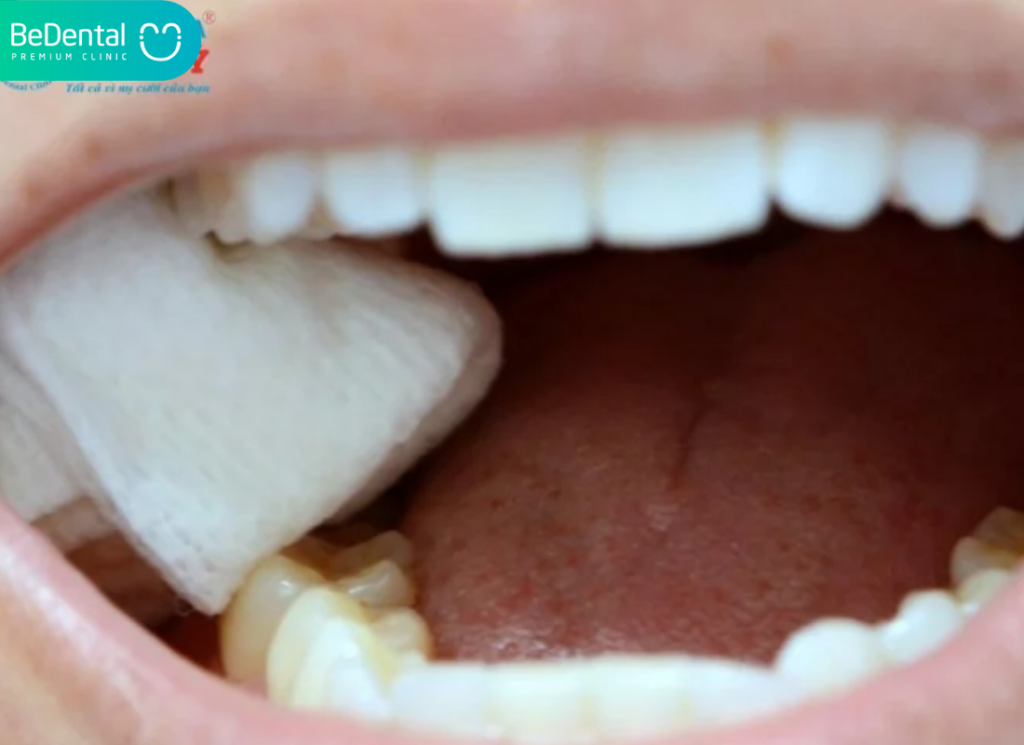
After extraction, dentists typically place sterile gauze over the area. Patients should bite down gently for 30–60 minutes to help blood clot formation. If bleeding persists, replacing the gauze and maintaining light pressure is recommended. Proper clot formation is essential for anyone evaluating whether should canine teeth be extracted in Vietnam safely.
Manage Swelling and Discomfort
Swelling is normal within the first 24–48 hours. Applying a cold compress to the cheek near the extraction site for 10–15 minutes at a time can reduce inflammation. Dentists often prescribe pain relief medication appropriate to the patient’s health condition, reinforcing that should canine teeth be extracted in Vietnam must always be followed by professional pain management guidance.
Maintaining Proper Oral Hygiene
Brushing should continue, but the extraction area must be avoided for the first day. After 24 hours, gentle rinsing with warm salt water helps keep the area clean and supports healing.
Avoid Smoking and Alcohol
Smoking and alcohol can delay healing and significantly increase the risk of infection. Dental professionals strongly advise avoiding both for at least 72 hours after extraction, especially in cases where should canine teeth be extracted in Vietnam for orthodontic or functional reasons.
Follow a Suitable Diet
After extracted canine teeth in Vietnam, patients are advised to consume soft, easily digestible foods such as porridge, soup, yogurt, smoothies, and soft-cooked vegetables. These foods provide essential nutrients without placing pressure on the healing site.
Drinking plenty of filtered water supports circulation and promotes tissue repair, while natural fruit juices help replenish vitamins and minerals.
Patients should limit hard foods, spicy or heavily seasoned dishes, carbonated beverages, and alcoholic drinks, as these can delay healing and increase bleeding risk. Sticky foods should also be avoided because they adhere easily to teeth and complicate oral hygiene.
See more: Top modern dental equipment enhances treatment quality
Avoid Physical Impact
Patients should not touch the extraction area with their fingers, tongue, or any foreign objects. Strong impact to the affected area should be avoided, and sleeping on the opposite side of the extraction site is recommended to reduce pressure and swelling.
Attend Follow-up Appointments
Follow-up visits allow the dentist to monitor healing, remove sutures if necessary, and plan further treatment such as orthodontics or restorations. Dental associations highlight that post-extraction monitoring is essential after deciding should canine teeth be extracted in Vietnam.
Customer Story: Choosing Preservation Over Extraction
Minh, a 24-year-old office worker in Hanoi, first considered extracting his canine tooth after noticing that one of his upper canines was slightly protruding. Although it didn’t cause pain, he felt it affected his smile and was worried it might lead to bigger problems later.
“I searched online and saw many people saying extraction was a quick way to fix crooked teeth,” Minh recalled. “Some clinics even suggested removing the canine right away to make space.”
Concerned but unsure, Minh decided to visit BeDental for a second opinion. After a full examination, including digital X-rays and bite analysis, the dentist explained that his canine was still healthy and played an important role in guiding his bite and maintaining facial balance.
“That was the moment I realized extraction wasn’t always the best solution,” Minh said. “The dentist told me that in most cases, canines should be preserved—and mine definitely could be.”
Instead of recommending removal, the dentist proposed an orthodontic approach to gradually reposition the tooth. Minh was initially hesitant because it would take longer, but he appreciated the detailed explanation and the focus on long-term results rather than a quick fix.
“I felt more confident knowing they weren’t trying to rush into extraction,” he explained. “They showed me exactly how keeping the tooth would protect my bite and avoid future problems.”
After several months of treatment, Minh’s canine was properly aligned without needing extraction. His bite improved, and his smile looked more balanced while still natural.
“Looking back, I’m really glad I didn’t remove it,” Minh shared. “It would have been easier at first, but not better in the long run. Choosing the right clinic changed everything.”
BeDental – Professional Care for Canine Teeth Being Extracted in Vietnam
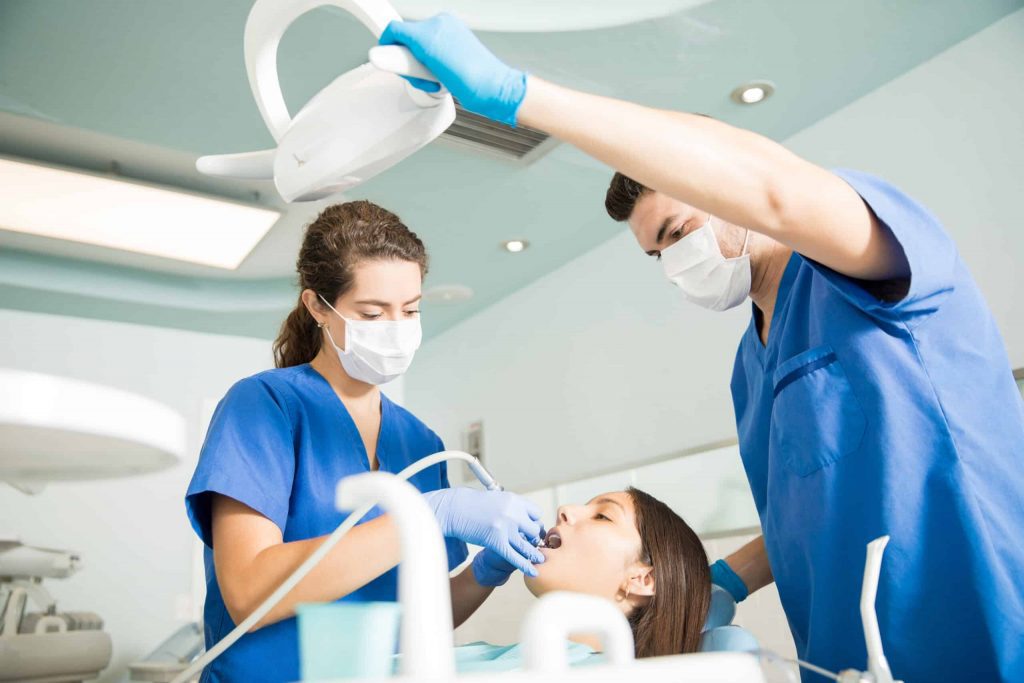
Bedental is a trusted dental clinic in Vietnam, known for its patient-first approach and adherence to international dental standards. For patients wondering Should canine teeth be extracted in Vietnam, Bedental provides thorough examinations, modern diagnostic imaging, and personalized treatment plans that prioritize tooth preservation whenever possible.
With experienced dentists and advanced technology, Bedental ensures every decision is based on long-term oral health, aesthetics, and safety—helping patients feel confident about their dental care choices.