


 English
 한국어
한국어 日本語
日本語 中文 (中国)


Full-mouth porcelain crowns are increasingly discussed among patients seeking a complete smile transformation or comprehensive oral rehabilitation. While this treatment can dramatically improve aesthetics and function, it is also a significant dental investment that requires careful consideration.
This article provides an in-depth, evidence-based analysis of full-mouth porcelain crowns, including indications, benefits, limitations, clinical considerations, costs, and expert recommendations. It also explains how reputable clinics such as BeDental approach full-mouth crown treatment following international dental standards.
What Are Full-Mouth Porcelain Crowns?
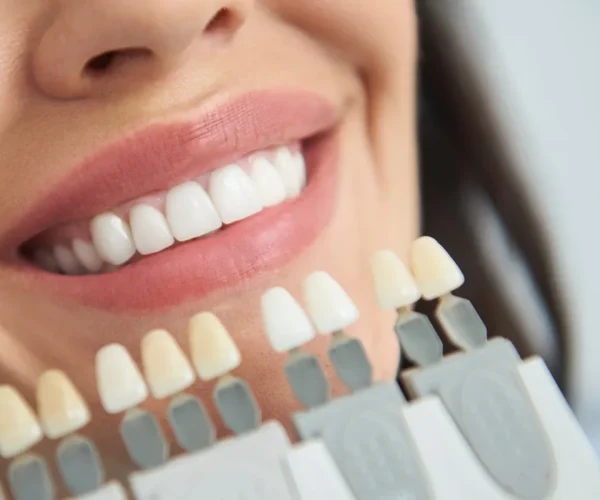
Full-mouth porcelain crowns refer to a comprehensive dental restoration in which most or all teeth in both the upper and lower arches are covered with porcelain crowns. Unlike single crowns used to restore individual damaged teeth, full-mouth crowning is a complex treatment plan designed to restore:
- Tooth structure
- Bite alignment
- Chewing efficiency
- Overall smile aesthetics
According to the American Dental Association, full-coverage crowns are considered a definitive restorative solution when teeth are structurally compromised and cannot be preserved with fillings or partial restorations alone.
When Are Full-Mouth Porcelain Crowns Recommended?
Full-mouth porcelain crowns are not a cosmetic trend and should never be performed without clear clinical justification. Dentists typically recommend this treatment only in specific situations.
Common indications include:
Severe Generalized Tooth Wear: This is frequently seen in patients suffering from long-term bruxism (chronic grinding) or chemical erosion (often from acid reflux or diet). When the protective enamel is worn away across the entire arch, the teeth become shortened, sensitive, and prone to nerve exposure. Crowns are used to restore the lost tooth volume and protect the remaining structure.
Extensive Decay Across Multiple Quadrants: In some cases, widespread dental caries (decay) can affect nearly every tooth in the mouth. When the damage is too extensive for simple fillings or inlays to provide long-term stability, a full-mouth series of crowns creates a new, bacteria-resistant surface for every tooth.
Widespread Enamel Defects or Developmental Conditions: Conditions such as Amelogenesis Imperfecta or severe tetracycline staining result in enamel that is structurally thin, porous, or deeply discolored from birth. Because the “flaw” is systemic, full-mouth coverage is often the only way to provide these patients with a durable and aesthetically pleasing smile.
Teeth Weakened by “Patchwork” Restorations: Many patients have spent decades getting individual large fillings or “onlays” that have weakened the natural tooth walls. When these old restorations begin to fail simultaneously, replacing them with a unified set of crowns ensures a consistent and strong structural foundation.
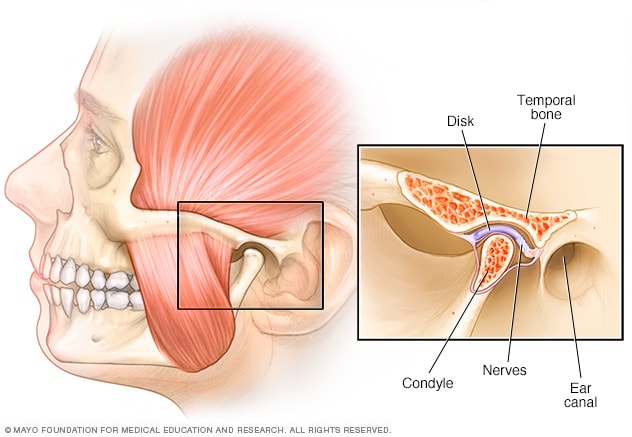
Bite Collapse or Loss of Vertical Dimension: When back teeth are missing or severely worn, the jaw closes further than it should. This “collapse” can lead to a prematurely aged appearance (sunken cheeks) and debilitating TMJ (jaw joint) disorders. Full-mouth crowns “lift” the bite back to its natural vertical height, restoring facial proportions and jaw function.
Extensive Dental Trauma: Following a significant accident—such as a fall or collision—multiple teeth may be fractured or displaced. A comprehensive restoration plan allows the dentist to realign and repair the entire smile at once, ensuring that the repaired teeth work together perfectly when chewing.
Systemic Failure of Previous Dental Work: If a patient has older crowns and bridges that were made of different materials at different times, they may be wearing down at different rates or causing gum irritation. A full-mouth overhaul replaces these mismatched units with a single, high-quality material (like Zirconia), ensuring aesthetic and functional harmony.
The Vietnam Dental Association reports that complex full-mouth rehabilitation cases are becoming more common due to increased life expectancy, long-term acid exposure, and delayed dental care in earlier years.
Full-Mouth Porcelain Crowns vs. Smile Makeover Veneers
See more: Can You Clean Teeth With Porcelain Crowns in Vietnam? Complete Dental Care Guide
Many patients confuse full-mouth crowns with cosmetic veneer treatments. While both improve appearance, they are fundamentally different.
| Criteria | Full-Mouth Porcelain Crowns | Smile Makeover Veneers |
| Tooth Coverage | Covers the entire tooth (360-degree protection) | Covers only the front surface of the tooth |
| Primary Purpose | Restorative and functional rehabilitation | Cosmetic enhancement |
| Structural Reinforcement | Provides strong structural support to weakened teeth | Does not significantly reinforce tooth structure |
| Tooth Preparation | Requires more extensive tooth reduction | Requires minimal tooth preparation |
| Indications | Teeth with severe damage, wear, or large restorations | Structurally healthy teeth with aesthetic concerns |
| Impact on Bite | Can correct bite alignment and restore chewing function | Limited effect on bite correction |
| Longevity | Long-term restorative solution | Long-term cosmetic solution when properly maintained |
| Suitability for Full-Mouth Cases | Appropriate for comprehensive oral rehabilitation | Typically unsuitable for full-mouth structural issues |
According to the American College of Prosthodontists, porcelain crowns are recommended when tooth strength and function are compromised, whereas veneers are best reserved for patients whose teeth remain structurally healthy but require aesthetic improvement.
Benefits of Full-Mouth Porcelain Crowns
When clinically appropriate and properly executed, full-mouth porcelain crowns offer several long-term advantages.
Functional Benefits
- Restores proper bite alignment
- Improves chewing efficiency
- Reduces jaw strain and uneven pressure
- Protects weakened teeth from fracture
Aesthetic Benefits
See more: Cosmetic Porcelain Crown in Vietnam: The Ultimate Smile Transformation
- Creates a uniform, natural-looking smile
- Corrects discoloration, shape, and size inconsistencies
- Enhances facial harmony and confidence
Long-Term Oral Health Benefits
- Protects teeth from further structural breakdown
- Helps stabilize bite and jaw position
- Improves gum support when contours are well designed
According to data cited by the American Dental Association, well-maintained porcelain crowns can last 10 to 15 years or longer, especially when patients follow professional hygiene and maintenance guidelines.
Potential Limitations and Risks
Despite their benefits, full-mouth porcelain crowns are not suitable for everyone. Patients must understand the limitations before proceeding.
Important considerations include:
- Irreversible tooth reduction is required
- Higher treatment cost compared to partial restorations
- Longer treatment time and multiple appointments
- Risk of sensitivity if preparation is excessive
- Crowns do not stop gum disease or poor hygiene habits
The Vietnam Dental Association emphasizes that inappropriate full-mouth crown treatment can lead to bite issues, gum inflammation, and long-term discomfort if not carefully planned.

Does Full-Mouth Porcelain Crowning Require Tooth Reduction?
See more: Does Getting a Porcelain Crown Require Tooth Reduction in Vietnam?
Yes. Tooth reduction is necessary to allow space for the porcelain crown material. However, the amount of reduction depends on each tooth’s condition.
Dentists aim to:
- Preserve as much natural tooth structure as possible
- Remove only damaged or weakened enamel
- Maintain biological width and gum health
According to prosthodontic guidelines, conservative preparation techniques significantly improve long-term outcomes and crown longevity.
At BeDental, digital smile design and 3D treatment planning are used to calculate precise reduction levels before any irreversible step is taken.
Who Is a Good Candidate for Full-Mouth Porcelain Crowns?
Full-mouth porcelain crowns are a comprehensive restorative solution intended for patients with significant dental and functional concerns, rather than those seeking cosmetic changes alone. Determining candidacy requires a careful evaluation of both oral health and long-term commitment to maintenance.
You may be considered a suitable candidate if:
- Multiple teeth are structurally weakened due to extensive decay, wear, fractures, or large restorations
- You experience chronic bite discomfort, uneven chewing pressure, or jaw strain caused by misalignment or tooth loss
- Previous dental treatments, such as fillings or partial crowns, have repeatedly failed and no longer provide adequate protection
- You have realistic expectations about the functional and aesthetic outcomes of full-mouth restoration
- You are willing to maintain strict oral hygiene practices and attend regular dental check-ups
However, not all patients are immediately eligible for full-mouth porcelain crowns. Individuals with untreated gum disease, ongoing dental infections, poor oral hygiene habits, or unrealistic cosmetic expectations should postpone treatment until these issues are properly addressed.
According to professional dental guidelines, stabilizing gum health and controlling oral disease are essential prerequisites to ensure the long-term success of full-mouth porcelain crown treatment.
The Full-Mouth Crown Process at BeDental
BeDental follows a structured, internationally aligned approach to full-mouth porcelain crown treatment.
Step 1: Comprehensive Examination
- Full-mouth X-rays and 3D scans
- Bite analysis and jaw function assessment
- Gum health evaluation
Step 2: Treatment Planning
- Digital smile simulation
- Material selection discussion
- Phased treatment scheduling if needed
Step 3: Tooth Preparation and Temporary Crowns
- Conservative tooth reshaping
- Temporary crowns to protect teeth
- Bite and comfort evaluation
Step 4: Final Crown Placement
- Precision bonding
- Bite adjustment
- Aesthetic verification
All procedures at BeDental follow clinical protocols aligned with international dental association standards.
Cost of Full-Mouth Porcelain Crowns in Vietnam
Costs vary depending on:
- Number of teeth involved
- Crown material selection
- Case complexity
- Dentist expertise and technology used
In Vietnam, full-mouth porcelain crown treatment is generally more affordable than in Western countries while maintaining comparable quality at reputable clinics.
The Vietnam Dental Association notes that most full-mouth restorative treatments in private clinics are patient-funded and require detailed financial planning.
BeDental provides transparent cost breakdowns before treatment begins, ensuring patients understand both clinical and financial aspects.
Here is our price list for reference:
| List | Unit | Price |
|---|---|---|
| Dentium Implant from USA (More detail...) | 1 Unit | 21.000.000 ~ 825$ |
| Dentium Implant from Korea (More detail...) | 1 Unit | 18.000.000 ~ 707$ |
| Osstem Implant from Korea (More detail...) | 1 Unit | 18.000.000 ~ 707$ |
| Tekka Implant from France (More detail...) | 1 Unit | 25.000.000 ~ 982$ |
| Implant SIC from Sweden (More detail...) | 1 Unit | 28.000.000 ~ 1100$ |
| Implant Nobel from Sweden Implant SIC from Sweden (More detail...) | 1 Unit | 32.000.000 ~ 1257$ |
| Implant Neodent Straumann BLT SLA from Sweden (More detail...) | 1 Unit | 35.000.000 ~ 1375$ |
| Implant Neodent Straumann BLT SLAactive from Sweden (More detail...) | 1 Unit | 39.000.000 ~ 1500$ |
| Implant Neodent Straumann BLX from Sweden (More detail...) | 1 Unit | 45.000.000 ~ 1700$ |
| Bone Grafting (More detail...) | 1 Unit | 5.000.000 ~ 196$ |
| Closed Sinus Lift | 1 Unit | 6.000.000 ~ 236$ |
| Open sinus lift | 1 Unit | 10.000.000 ~ 394$ |
| Oeriosteum Grafting | 1 Unit | 8.000.000 ~ 315$ |
| PRF membrane | 1 Unit | 2.000.000 ~ 79$ |
| For the All-On-4 and All-On-6 full-mouth dental implant service, the cost of implant placement will be calculated as follows: Full-mouth dental implant price = (Number of Implant pillars x price) + Upper denture | ||
| Function Structure Explanation | Unit | Price |
| Cobalt-Chrome dental frame: - Chrome-Cobalt cast frame, direct ceramic coating - Handcrafted. - Paramagnetic: must be removed when taking MRI | 1 unit | 2.500.000 ~ 100usd |
| IBar dental frame : - Pure Titanium support frame - Base, dentures and porcelain teeth made of 3D Pro ML metal-free porcelain teeth - 100% manufactured with CAD/CAM technology - Can take MRI without removing the jaw | 1 unit | 3.000.000 ~ 120usd |
| G Cam dental frame : Priority is given to replacing Ivobase dentures with new materials that have better chewing ability and are more durable. | 1 unit | 3.000.000 ~ 120usd |
| Thimble dental frame: - Support frame made of pure Titanium - Porcein base and false gums - 3D Pro ML metal-free porcelain teeth are made separately and attached to the frame - 100% manufactured using CAD/CAM technology - Can take MRI without removing the jaw. | 1 unit | 4.500.000 ~180usd |
| HyberDent dental frame : - Support frame made of pure Titanium - Base made of Pekk micro-elastic material - False gums made of Sofu composite - Separate 3D Multilayer Ziconia porcelain teeth attached to the frame | 1 unit | 8.000.000 ~ 320usd |
| full Zirconia dental frame: Made entirely of Zirconia, limited indications, risk of jaw fracture. | 1 unit | 5.000.000 ~200usd |
| Ivobase dental frame - Pure Titanium support frame - Sofu bioceramic base + teeth. | 1 unit | 2.500.000 ~ 100usd |
| Removable dental frame on bar: - Support bar made of pure Titanium, produced in one piece CAD/CAM - Jaw clamp and jaw connection made of Titanium CAD/CAM - Jaw base and porcelain teeth are the same as the fixed jaw above | 1 jaws | removeable restoration + 10.000.000 |
| Removable dental frame on ball - Use the available connection of the Implant company - Can only make the jaw with Acrylics plastic. (teeth and jaw base are made of Acrylics plastic) | 1 unit | 2.500.000 ~ 100usd |
| Fixed temporary denture without frame | Free | |
| Fixed temporary denture with supporting frame | Free | |
| Removable temporary denture | Free | |
| Temporary foundation and cosmetic wax pillow | Free | |
| Aesthetic test print function | Free | |
Long-Term Care After Full-Mouth Porcelain Crowns
Proper maintenance is essential for longevity.
Patients should:
- Brush twice daily with non-abrasive toothpaste
- Floss or use interdental cleaners daily
- Attend professional cleanings every 6 months
- Avoid excessive biting forces
- Wear night guards if recommended
According to the American Dental Association, poor oral hygiene is the leading cause of crown failure, not material defects.
Frequently Asked Questions About Full-Mouth Porcelain Crowns
Are full-mouth porcelain crowns permanent?
They are long-term restorations but may need replacement after 10–15 years depending on care and bite conditions.
Is the procedure painful?
Local anesthesia is used. Most patients report mild discomfort during recovery, which subsides within days.
Can I eat normally after treatment?
Yes, once healing is complete and bite adjustments are finalized.
Are full-mouth crowns purely cosmetic?
No. They are primarily restorative, with aesthetic benefits as a secondary outcome.
Is full-mouth crowning better than implants?
They serve different purposes. Crowns require existing teeth; implants replace missing teeth.
Should You Get Full-Mouth Porcelain Crowns in BeDental
Full-mouth porcelain crowns can be a life-changing solution for patients with extensive dental damage, but they are not a one-size-fits-all treatment. The decision should be based on clinical necessity, professional diagnosis, and long-term oral health goals, not trends or aesthetics alone.
With a patient-centered approach, advanced planning technology, and adherence to professional dental standards, BeDental provides safe, ethical, and customized full-mouth porcelain crown solutions for patients in Vietnam.
A thorough consultation with an experienced dental team remains the most important step before deciding whether full-mouth porcelain crowns are right for you.
Ultimately, whether full-mouth porcelain crowns are the right choice depends on your oral health condition, functional needs, and long-term goals. A professional dental evaluation remains the most reliable way to determine if this treatment offers the safest and most effective path to restoring your smile and oral health.

Tư vấn chuyên môn bài viết:
BÁC SĨ DƯƠNG THỊ THÙY NGA
Tại BeDental, khách hàng có thể an tâm điều trị với dịch vụ bảo lãnh viện phí nha khoa nhanh chóng và tiện lợi. BeDental hiện liên kết với nhiều công ty bảo hiểm uy tín, hỗ trợ thanh toán trực tiếp chi phí các dịch vụ nha khoa như nhổ răng, trám răng, điều trị tủy, phục hình răng sứ... Quy trình linh hoạt, minh bạch giúp tiết kiệm thời gian và tối ưu chi phí. Hãy liên hệ BeDental để được tư vấn chi tiết và tận hưởng trải nghiệm chăm sóc răng miệng chuyên nghiệp, không lo gánh nặng tài chính.
? Các đơn vị nha khoa chấp nhận bảo lãnh bao gồm : Hùng Vương Insurance, Bảo Long Insurance, BSH (Bảo hiểm BSH), FWD Insurance Cathay Life Fubon Insurance, Tokio Marine Insurance Group VNI (Bảo hiểm Hàng không), HD Insurance MSIG AAA Insurance PTI (Bảo hiểm Bưu điện), BIDV MetLife, PJICO, Techcom, Insurance, AIA, Dai-ichi Life MIC GIC DBV Insurance VBI (Bảo hiểm VietinBank)
? Các công ty bảo hiểm BeDental có thể xuất hóa đơn: Manulife Dai-ichi Life Prudential AIA Hanwha Life PVI VCLI (Bảo hiểm nhân thọ Vietcombank - Cardif) BIC (Bảo hiểm BIDV), Bảo Việt Insurance và PVI