
Kiến Thức Nha Khoa
Does Getting a Porcelain Crown Require Tooth Reduction in Vietnam?
Th4

Does Getting a Porcelain Crown Require Tooth Reduction in Vietnam? Porcelain crowns are one of the most commonly chosen dental restorations in Vietnam due to their durability, functional strength, and natural appearance. However, many patients hesitate before treatment because they are concerned about tooth reduction. A frequent question is whether shaving the tooth is always necessary and whether this process is safe in the long term.
This article explains when tooth reduction is required, how much tooth structure is typically removed, and how reputable clinics such as BeDental perform porcelain crown preparation in accordance with professional dental standards.
What Is Tooth Reduction in Porcelain Crown Treatment?
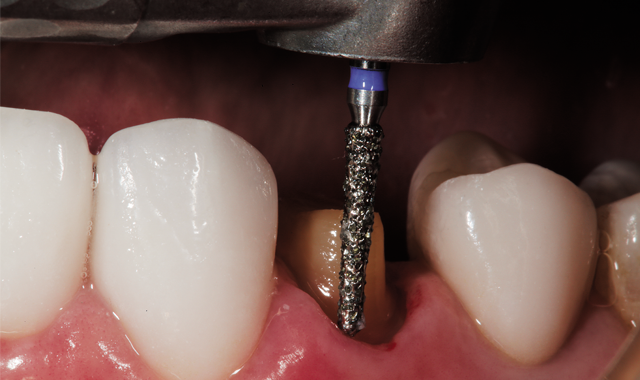
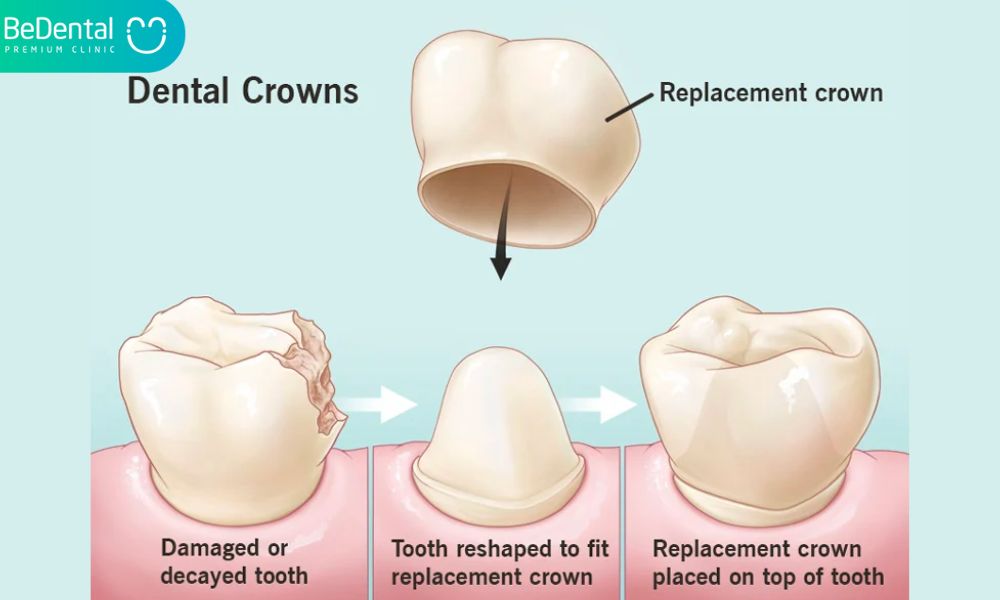
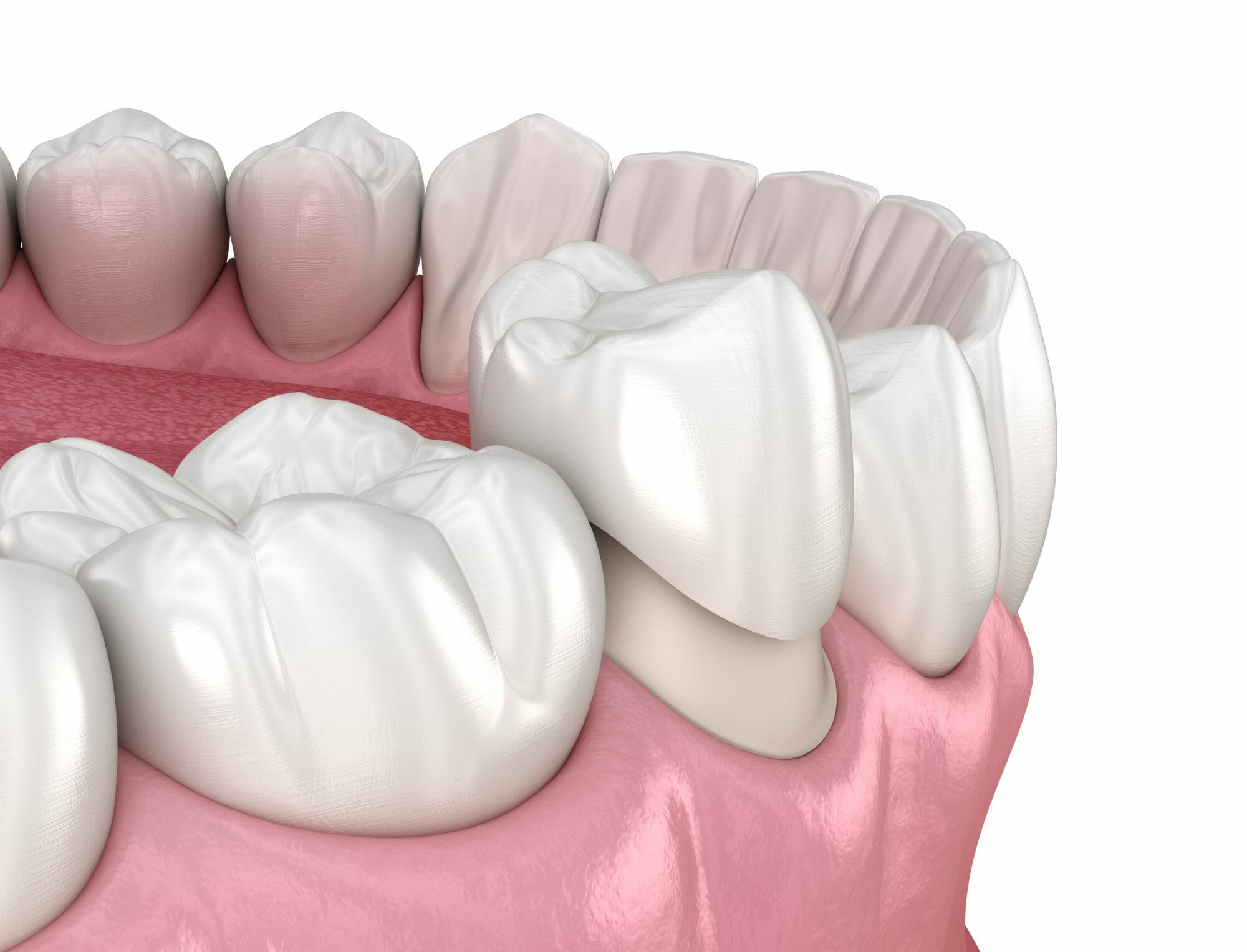
Tooth reduction is the process of carefully reshaping a natural tooth so that a porcelain crown can fit securely over it. During this step, the dentist removes a controlled amount of enamel and, in some cases, a small portion of dentin to create space for the crown material.
This process does not mean damaging the tooth. Instead, it allows the crown to sit properly without appearing bulky, interfering with the bite, or placing excessive pressure on surrounding teeth.
According to the American Dental Association, proper tooth preparation is a critical factor in crown longevity and patient comfort.
Does Getting a Porcelain Crown Require Tooth Reduction?
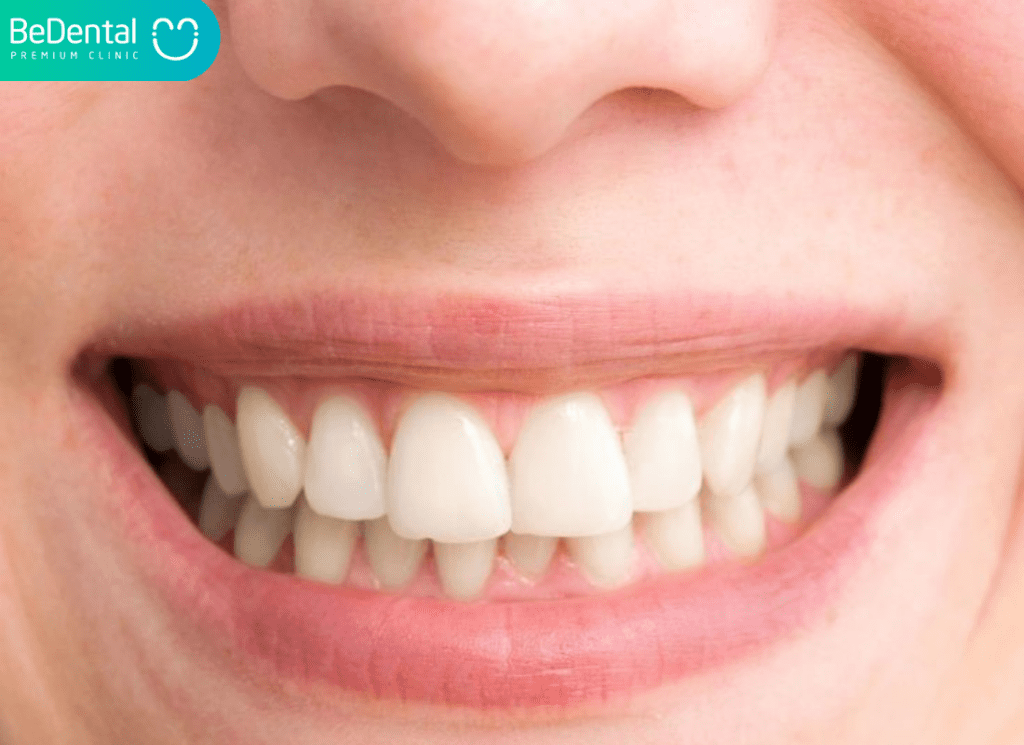
Does Getting a Porcelain Crown Require Tooth Reduction? In most cases, yes, porcelain crowns require some level of tooth reduction because they are full-coverage restorations.
Tooth reduction is typically necessary when:
- Restoring Structural Integrity After Extensive Decay or Damage: When a tooth has suffered from a massive cavity or a significant physical fracture, the remaining natural structure is often too weak to support a standard filling. In these cases, we reduce the damaged areas to create a solid foundation. The crown then acts as a protective “cap,” reinforcing the tooth and preventing it from splitting further under the pressure of daily use.
- Reinforcement Following Root Canal Therapy: A tooth that has undergone endodontic treatment (a root canal) no longer has a live blood supply, which can cause the enamel to become brittle and prone to shattering over time. Reducing the tooth allows us to place a crown that serves as a high-strength “helmet,” sealing the tooth from bacteria and providing the structural support needed to keep the tooth functional for years to age.
- Rehabilitating Masticatory (Chewing) Function: If a tooth is severely worn down, misshapen, or misaligned, it can disrupt your entire “bite” (occlusion), leading to jaw pain or difficulty eating. We perform a strategic reduction to “reset” the tooth’s dimensions. This allows the new porcelain crown to be custom-contoured to meet the opposing teeth perfectly, restoring your full chewing power and balancing your jaw alignment.
- Comprehensive Aesthetic Transformation and Smile Design: In cases where teeth are permanently discolored, abnormally small (microdontia), or unevenly spaced, aesthetic improvement requires “full coverage.” By reducing a thin layer of the natural tooth, we make room for a porcelain crown that can completely redefine the tooth’s color, shape, and size. This ensures the final result doesn’t look “bulky” or artificial, but instead blends beautifully with your surrounding teeth.
In cases where the tooth is already severely damaged, the amount of additional reduction may be minimal. Unlike fillings or veneers, porcelain crowns require circumferential space to ensure proper fit and strength.
Is Tooth Reduction Safe for Teeth?
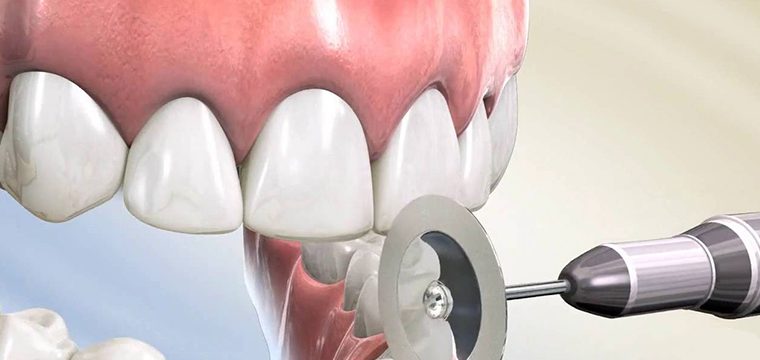
When performed correctly, tooth reduction is considered a safe and controlled procedure.
Safety is ensured by:
- Preserving healthy enamel whenever possible
- Avoiding contact with the tooth pulp
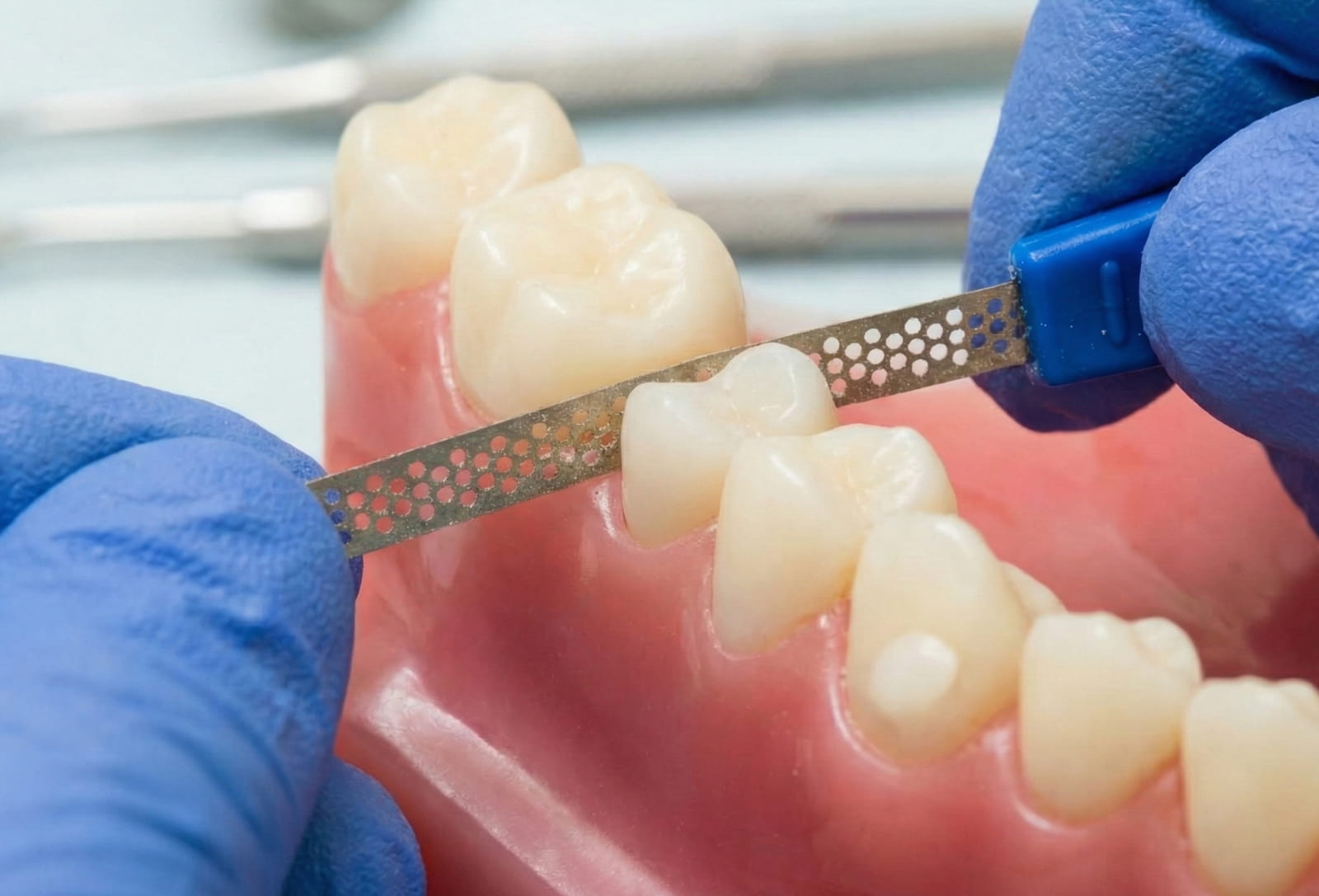
- Using precision instruments and measurements
- Applying modern imaging and diagnostic tools
The Vietnam Dental Association confirms that conservative tooth preparation, followed by proper crown placement, helps protect teeth from further damage and decay.
Getting a Porcelain Crowns Require Tooth Reduction in Vietnam
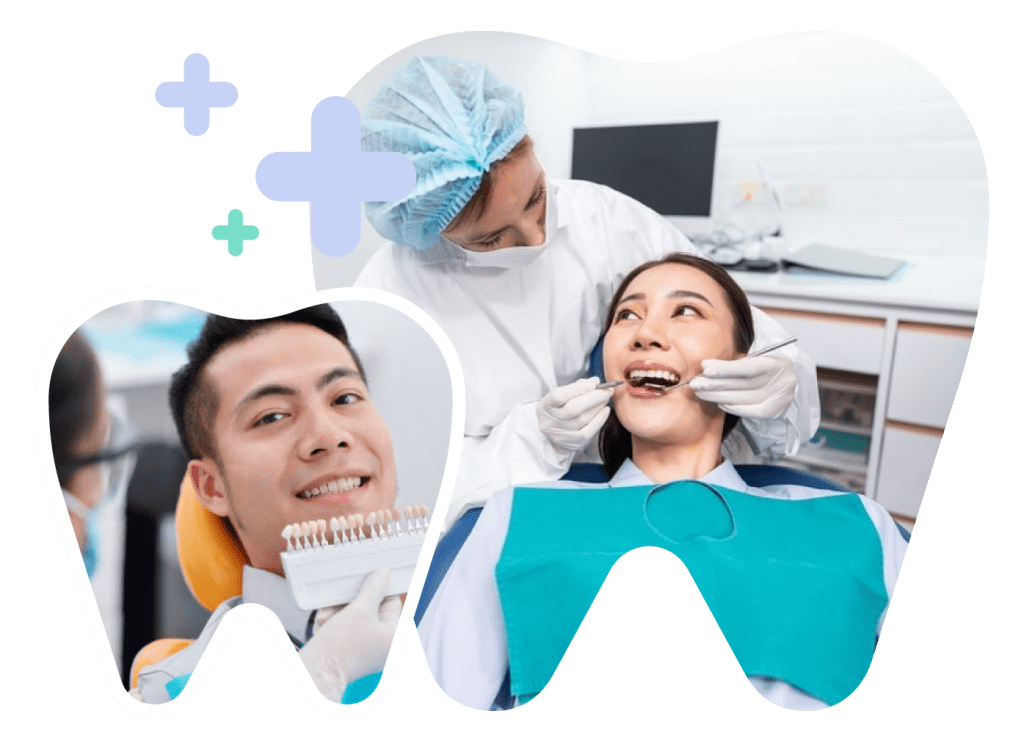
Getting a Porcelain Crown Require Tooth Reduction, Top-tier clinics in Vietnam operate with a “precision-first” mindset, ensuring that the preparation for a porcelain crown is as much a science as it is an art. These facilities typically offer:
Advanced Diagnostics and High-Definition Imaging: Rather than relying on simple visual checks, premium clinics utilize 3D CT Cone Beam scans and digital Panorex X-rays. This allows dentists to visualize the tooth’s internal structure, root health, and proximity to nerves with sub-millimeter accuracy, ensuring the crown foundation is perfectly stable.
Transparent and Educational Consultations: High-quality providers prioritize “informed consent.” Before any enamel is reshaped, patients receive a clear walkthrough of the tooth reduction process. This includes explaining exactly how much structure needs to be removed and how modern materials, like Zirconia or E-max, allow for thinner, more conservative preparations compared to older methods.
Personalized Smile Design & Planning: Every treatment is bespoke. Using Digital Smile Design (DSD) software, clinicians can simulate the final result on a digital model of the patient’s face. This allows you to “test drive” your new smile and adjust the shape, shade, and alignment of the crowns to match your facial features before the lab begins fabrication.
Rigorous Infection Control & Sterilization: Safety is non-negotiable. Reputable clinics follow a strict multi-stage sterilization protocol—often exceeding local Ministry of Health requirements. This includes the use of Class B Autoclaves, chemical disinfection (such as Hexanios), and clearly delineated “Clean vs. Dirty” zones to eliminate any risk of cross-contamination.
Prioritizing Tooth Preservation: The leading philosophy in modern Vietnamese dentistry is Conservative Restoration. Patients are strongly encouraged to seek out clinics that view tooth reduction as a last resort rather than a default.
Patients are advised to choose clinics that follow professional dental standards and prioritize tooth preservation.
See more: Cosmetic Porcelain Crown in Vietnam: The Ultimate Smile Transformation
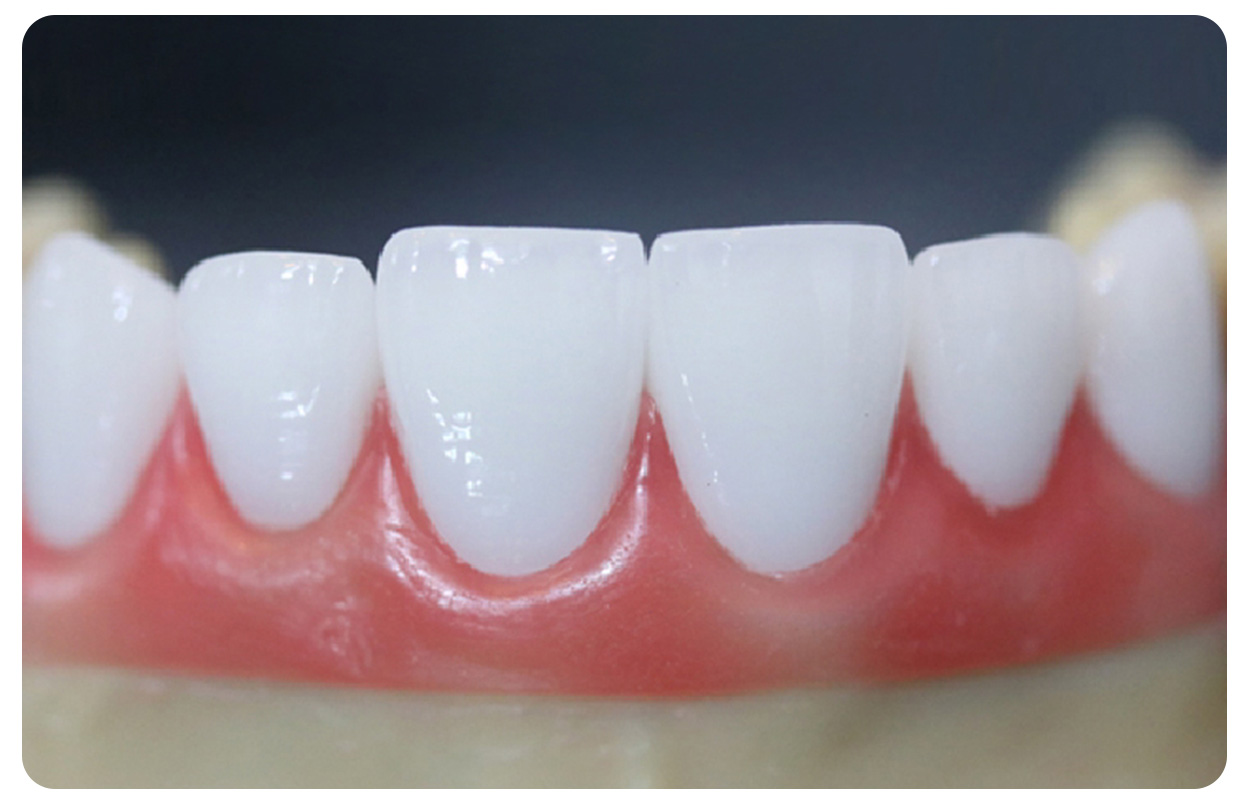
Modern Techniques That Minimize Tooth Reduction
Advancements in dental technology have significantly reduced the need for excessive tooth reduction.
Modern techniques include:
- Digital intraoral scanning for precise measurements
- CAD/CAM crown design for accurate fit
- High-strength porcelain materials requiring less thickness
- Computer-guided tooth preparation
According to professional dental associations, these technologies allow dentists to conserve more natural tooth structure while maintaining crown durability.
Does Tooth Reduction Hurt?
At BeDental, we utilize a multi-layered approach to pain management to ensure that your time in the chair is stress-free.
- Complete Local Anesthesia: Before the reduction begins, your dentist will apply a high-grade local anesthetic to the specific area. This effectively “switches off” the nerve signals in the tooth and surrounding gum tissue. As a result, you should feel zero pain during the preparation process—only mild sensations of pressure or vibration from the precision instruments.
- Post-Procedural Sensitivity: Once the anesthesia wears off, it is normal to experience a period of “mild sensitivity.” This usually manifests as a slight reaction to very hot or cold temperatures. This occurs because the protective layer of enamel has been modified, but this sensation is typically manageable and fades as the tooth adjusts to its temporary or permanent crown.
- A Brief Recovery Timeline: Any minor discomfort or “aching” sensation in the jaw or gum line is temporary. For most patients, these sensations resolve within 24 to 48 hours as the soft tissues heal from being handled during the procedure.
According to the American Dental Association, post-procedure discomfort is minimal when tooth preparation is performed correctly.
Risks of Excessive Tooth Reduction
See more: Durability of Porcelain Crowns in Vietnam: How Long Do Permanent Crowns Really Last?
Excessive tooth reduction may increase the risk of complications, which is why conservative preparation is essential.
Potential risks include:
- Chronic Tooth Sensitivity: Removing too much of the tooth’s natural “insulation” (the enamel) brings external temperatures closer to the nerve, which can lead to sharp, lingering pain when eating or drinking.
- Irritation of the Tooth Pulp: The “pulp” is the heart of your tooth. Excessive heat or physical trauma from over-aggressive reduction can cause pulpitis (inflammation of the nerve). In severe cases, this could lead to the nerve dying, necessitating a root canal that might have otherwise been avoided.
- Reduced Structural Lifespan: A tooth is like the foundation of a house. If you shave away too much of that foundation, the remaining structure becomes brittle. This increases the risk of the tooth fracturing under the pressure of chewing, even with a crown on top.
- Increased Need for Future Intervention: When a tooth is over-prepared, the “bond” between the tooth and the crown may be weaker. This can lead to the crown falling off prematurely or recurrent decay developing at the margins, leading to more expensive and complex treatments down the road.
Choosing an experienced dentist significantly reduces these risks.
Cost of Porcelain Crown Tooth Reduction at BeDental
The cost of a dental crown, which usually includes the necessary tooth reduction (preparation) procedure, generally ranges from $300 to $800 per tooth in Vietnam (without insurance). Tooth reduction is an integral part of the crown procedure and is not typically billed as a separate cost, but rather included in the overall price of the crown itself.
The price varies significantly based on factors such as the material used, the complexity of the procedure, and your geographic location.
Here is our price list for your reference:
| List | Time | Unit | Price |
|---|---|---|---|
| 1.Removable Denture (More detail...) | |||
| Conventional Denture (More detail...) | 2 days | 1 jaw | 4.000.000 ~ 157$ |
| Flexible acrylic partial denture | 2 days | 1 jaw | 5.500.000 ~ 216$ |
| Cast metal partial denture | 2 days | 1 jaw | 4.500.000 ~ 177$ |
| Titanium partial denture | 2 days | 1 jaw | 6.000.000 ~ 236$ |
| 2. False teeth (More detail...) | 2 days | ||
| Acrylic resin teeth -made in Vietnam | 3 days | 1 unit | 350.000 ~ 14$ |
| Acrylic resin teeth -made in USA | 2 days | 1 unit | 600.000 ~ 24$ |
| Porcelain teeth backed with metal | 2 days | 1 unit | 1.800.000 ~ 71$ |
| Denture occlusion | 2 days | 1 unit | 1.000.000 ~ 39$ |
| 3. Non-removable denture : | |||
| Porcelain teeth backed with metal (More detail...) | |||
| Porcelain teeth backed with metal (Ni,Cr) | 3 days | 1 unit | 1.800.000 ~ 71$ |
| Porcelain teeth backed with metal Vivadent France (Cr,Co) | 3 days | 1 unit | 1.800.000 ~ 71$ |
| Porcelain teeth backed with metal Jelenko USD (Cr,Co) | 3 days | 1 unit | 2.000.000 ~ 79$ |
| Porcelain teeth backed with titanium | 3 days | 1 unit | 3.500.000 ~ 138$ |
| Non-metal Teeth : (More detail) | |||
| Porcelain Veneer Katana from Japan | 3 days | 1 unit | 3.500.000 ~ 138$ |
| Porcelain Veneer Venus from Germany ( (7 years Warantee) (Tìm hiểu thêm...) | 3 days | 1 unit | 4.000.000 ~ 157$ |
| Porcelain Veneer Roland from Germany ( 10 years Warantee) (More detail...) | 3 days | 1 unit | 4.800.000 ~ 189$ |
| Porcelain Veneer Roland HD from Germany (10 years warantee) (More detail...) | 3 days | 1 unit | 5.900.000 ~ 232$ |
| Porcelain Veneer Ceramil from Germany (10 years warantee)(More detail...) | 3 days | 1 unit | 6.000.000 ~ 236$ |
| Porcelain Crown Emax from Germany ( 15 years warantee) | 3 days | 1 unit | 7.000.000 ~ 275$ |
| Porcelain Veneer Htsmile from Germany(Bảo hành 15 năm) (More detail...) | 3 days | 1 unit | 7.000.000 ~ 275$ |
| Porcelain Veneer Emax press from Germany (15 years warantee) (More detail...) | 3 days | 1 unit | 9.000.000 ~ 354$ |
| Porcelain Veneer Cercon from Germany (15 years Warantee) (More detail...) | 3 days | 1 unit | 7.000.000 ~ 275$ |
| Porcelain Veneer Nacera from Germany ( 10 years warantee) | 3 days | 1 unit | 10.000.000 ~ 393$ |
| Porcelain Veneer Lava 3M Plus from USA ( 15 years warentee) (More detail...) | 3 days | 1 unit | 9.000.000 ~ 354$ |
| Porcelain Veneer 3M Lava Esthetic from USA (15 years warantee) | 3 days | 1 unit | 12.000.000 ~ 472$ |
| Porcelain Veneer Lisi from Japan (15 years warentee) (More detail...) | 3 days | 1 unit | 12.000.000 ~ 472$ |
| Porcelain Veneer Diamond from USA (lifetime warantee) | 3 days | 1 unit | 16.000.000 ~ 629$ |
Porcelain Crown Tooth Preparation at BeDental
BeDental is a reputable dental system in Vietnam that focuses on conservative and precise tooth preparation for porcelain crowns.
At BeDental, patients benefit from:
- Digital scanning and advanced diagnostic tools
- Conservative tooth reduction techniques
- Personalized treatment plans
- Clear explanations before treatment begins
- Compliance with dental association guidelines
BeDental follows protocols aligned with recommendations from the Vietnam Dental Association and international dental organizations, ensuring accurate diagnosis and transparent treatment planning.
FAQ: Getting a Porcelain Crown Require Tooth Reduction
Can a porcelain crown be done without shaving the tooth?
In most cases, some level of tooth reduction is required to ensure proper fit and function.
Is tooth reduction permanent?
Yes. Enamel does not regenerate, which is why careful and conservative preparation is essential.
Does tooth reduction weaken the tooth?
When protected by a well-fitted crown, the tooth is often stronger than before treatment.
Are there alternatives that require less tooth reduction?
Fillings and veneers require less preparation but are not suitable for all cases.
How long does the tooth reduction process take?
Tooth preparation is usually completed in one appointment.
Tooth reduction is generally a necessary and safe step in porcelain crown treatment in Vietnam. When performed by skilled professionals using modern techniques, it preserves natural tooth structure while ensuring long-term crown success.
Choosing a reputable clinic such as BeDental helps ensure conservative preparation, clinical safety, and durable treatment outcomes.


Tư vấn chuyên môn bài viết:
BÁC SĨ DƯƠNG THỊ THÙY NGA
Tại BeDental, khách hàng có thể an tâm điều trị với dịch vụ bảo lãnh viện phí nha khoa nhanh chóng và tiện lợi. BeDental hiện liên kết với nhiều công ty bảo hiểm uy tín, hỗ trợ thanh toán trực tiếp chi phí các dịch vụ nha khoa như nhổ răng, trám răng, điều trị tủy, phục hình răng sứ... Quy trình linh hoạt, minh bạch giúp tiết kiệm thời gian và tối ưu chi phí. Hãy liên hệ BeDental để được tư vấn chi tiết và tận hưởng trải nghiệm chăm sóc răng miệng chuyên nghiệp, không lo gánh nặng tài chính.
? Các đơn vị nha khoa chấp nhận bảo lãnh bao gồm : Hùng Vương Insurance, Bảo Long Insurance, BSH (Bảo hiểm BSH), FWD Insurance Cathay Life Fubon Insurance, Tokio Marine Insurance Group VNI (Bảo hiểm Hàng không), HD Insurance MSIG AAA Insurance PTI (Bảo hiểm Bưu điện), BIDV MetLife, PJICO, Techcom, Insurance, AIA, Dai-ichi Life MIC GIC DBV Insurance VBI (Bảo hiểm VietinBank)
? Các công ty bảo hiểm BeDental có thể xuất hóa đơn: Manulife Dai-ichi Life Prudential AIA Hanwha Life PVI VCLI (Bảo hiểm nhân thọ Vietcombank - Cardif) BIC (Bảo hiểm BIDV), Bảo Việt Insurance và PVI

BEDENTAL – HỆ THỐNG NHA KHOA TIÊU CHUẨN HÀNG ĐẦU
CHI NHÁNH HÀ NỘI
CS1: 7B Thi Sách, Ngô Thì Nhậm, Hai Bà Trưng, Hà Nội - 0934.61.9090
CS2: Số 129 Hoàng Ngân, Yên Hòa, Cầu Giấy, Hà Nội - 0934.61.9090
CHI NHÁNH TP.HỒ CHÍ MINH (HCM)
CS1: 53 -55 -57 Phó Đức Chính, Nguyễn Thái Bình, Quận 1, Tp.Hồ Chí Minh - 0766.00.8080
GIỜ HOẠT ĐỘNG:
09h00 – 20h00. Tất cả các ngày trong tuần
Website: https://bedental.vn/