

 English
 한국어
한국어 日本語
日本語 中文 (中国)


Porcelain crowns for children have become a more frequently discussed treatment option among Vietnamese parents in recent years. Many caregivers wonder whether this method is truly necessary, whether it is safe for young teeth, and when dentists recommend it. In Vietnam, pediatric dental issues such as severe tooth decay, enamel defects, or trauma are becoming increasingly common, making the question even more relevant.
This comprehensive guide by Be explains whether children should receive porcelain crowns, when they are appropriate, the benefits and limitations, and how reputable clinics such as BeDental handle the procedure.
Should Children Get Porcelain Crowns?
Should Children Get Porcelain Crowns? The short answer is: yes, but only in specific cases where certain clinical situations are required. Dentists typically consider porcelain crowns for young patients when the tooth has been significantly damaged to the point that simple fillings, composite restorations, or preventive treatments are no longer sufficient to restore strength and protect the remaining structure. In other words, porcelain crowns are not the first-line treatment for children, but they become an essential and highly effective solution when a tooth requires strong, full-coverage protection to function properly in the long term.
According to the American Dental Association, crowns are recommended when more than 50 percent of a tooth’s structure is lost or weakened. This guideline applies to both children and adults.
However, the choice of crown material and the technique used can differ for children because their teeth are still developing, and their bites change as the jaw grows. Pediatric dentists must consider both immediate restoration needs and how the crown will interact with the natural exfoliation of baby teeth.
In Vietnam, the Vietnam Dental Association also notes an increasing number of pediatric cases requiring full-coverage restorations due to severe decay, early childhood caries, and trauma.
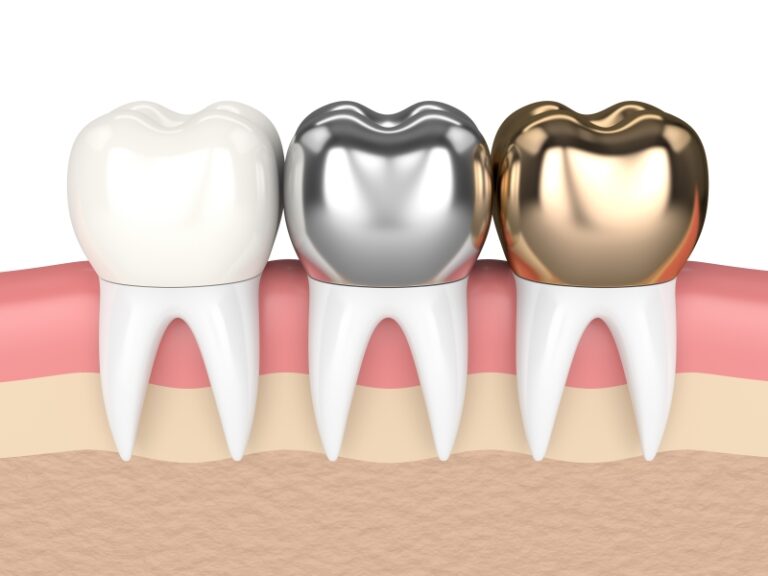
When Do Dentists Recommend Porcelain Crowns for Children?
Dentists typically suggest porcelain crowns in the following situations:
Severe tooth decay
If a child has extensive cavities that compromise most of the tooth’s structure, regular composite fillings are not durable enough. A crown helps preserve the tooth until it naturally falls out.

Hypoplasia or enamel defects
Some children are born with weak enamel that easily fractures or wears down. Porcelain crowns provide stronger protection and help maintain function.
Root-canal-treated primary molars
After baby teeth undergo pulpotomy or root canal therapy, crowns are often placed to prevent fracture.
Broken or cracked teeth due to trauma
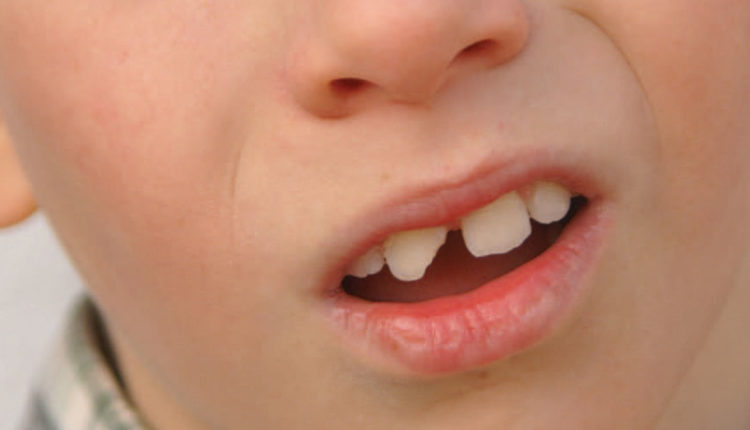
Accidents, falls, or sports injuries may require crowns to restore the tooth shape and function.
Tooth shape or size abnormalities
Crowns may be used to correct malformed teeth, improving chewing and appearance.
These cases align with global pediatric dentistry standards. According to the American Academy of Pediatric Dentistry, crown placement can reduce the chance of recurrent decay by up to 40 percent compared to large fillings.
Benefits of Porcelain Crowns for Children
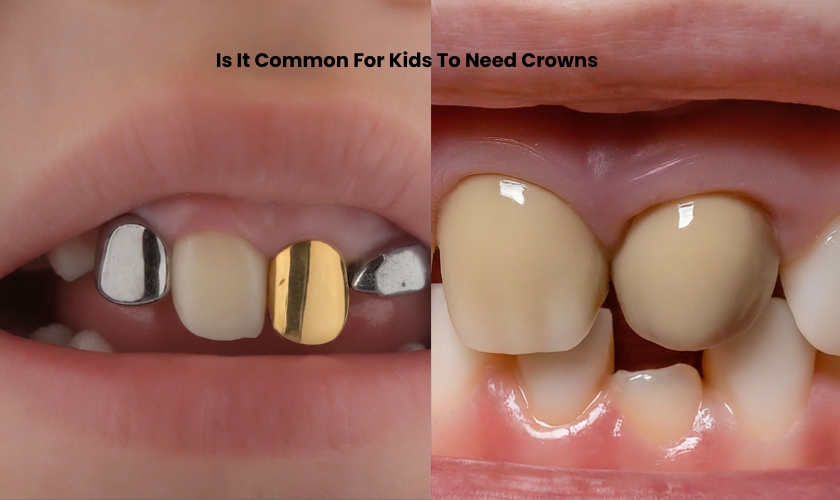
Protects weakened teeth
The primary function of a crown is to act as a robust shield, providing complete coverage for the vulnerable tooth structure.
A porcelain crown is custom-made to fully encompass the entire visible portion of the tooth above the gum line.
By holding the remaining tooth structure together, it prevents future fractures and cracks, which is especially critical for teeth that have undergone root canal treatment or have suffered extensive decay and large fillings.
Should Children Get Porcelain Crowns? Maintains chewing ability
Restoring a tooth with a crown is essential for preserving proper oral function and overall health.
The crown restores the tooth’s original strength and form, ensuring the patient can chew properly and effectively process food. This is particularly important for children, who need strong back teeth for digestive development and nutrition.
By maintaining the correct size and shape, a crown helps preserve the natural bite (occlusion), preventing alignment issues that can occur when a damaged tooth shifts or breaks down further.
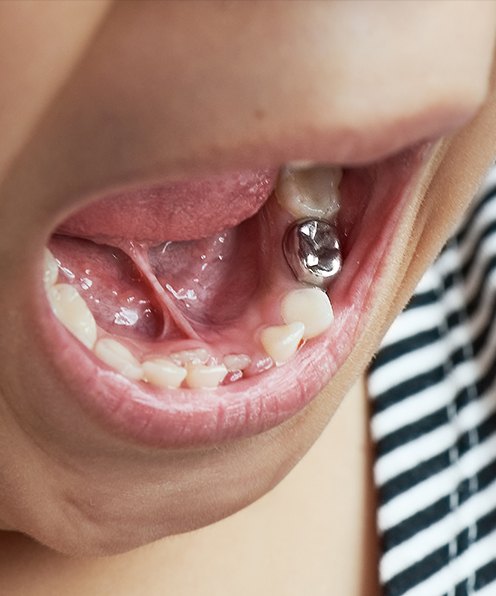
Reduces long-term treatment needs
Crown placement is considered a durable, long-term restorative solution that minimizes the need for future interventions.
According to organizations like the American Dental Association (ADA), full-coverage restoration significantly lowers the risk of retreatment compared to large fillings or partial restorations.
This benefit is pronounced in patients with a high risk of decay, as the crown seals the remaining tooth structure from bacterial infiltration, leading to a more stable and long-lasting result.
Should Children Get Porcelain Crowns? Improves appearance
Porcelain crowns are highly valued for their ability to blend seamlessly with the natural dentition.
Porcelain material closely resembles the look of natural teeth in terms of color, translucency, and texture.
This makes porcelain crowns the material of choice for front-tooth restorations, effectively concealing extensive damage or discoloration and improving the patient’s smile and self-confidence.
Are There Any Limitations?
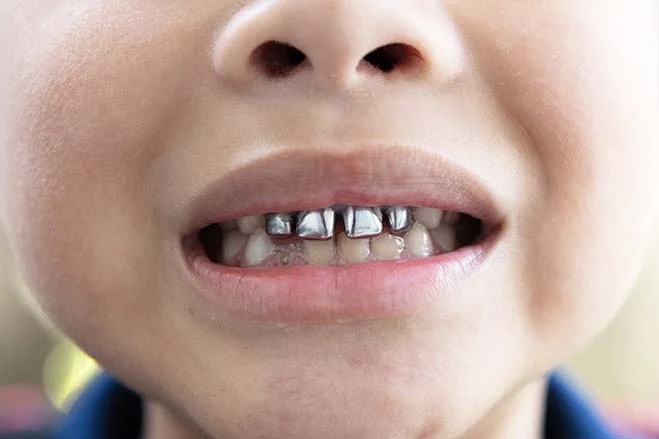
While porcelain crowns provide excellent aesthetics, dentists usually consider several factors before choosing them for young patients:
Material Brittleness and Risk of Chipping
Porcelain is known for its hardness and ability to mimic the light-reflecting properties of natural enamel. However, this strength comes with a trade-off:
Brittleness: Porcelain is harder but inherently more brittle than some metal-based or composite restorative materials.
Chipping risk: Under conditions of excessive biting force, unusual lateral stress (such as during bruxism or aggressive chewing habits), or if the crown is not perfectly seated, the porcelain material is susceptible to chipping or fracturing. This requires careful assessment of the patient’s bite force and habits before placement.
Developmental Changes in Young Patients
For children and teenagers, the dynamic nature of their oral development poses a unique challenge for any long-term restoration:
Bite Development: A young patient’s bite (occlusion) is constantly evolving as their jaw grows and permanent teeth erupt. A crown placed today might interfere with the bite relationship six months or a year later.
Need for Adjustments: This means that children fitted with porcelain crowns may require periodic monitoring and possible minor adjustments to the crown’s surface to accommodate the natural changes in their developing bite.
Alternative Considerations for High-Risk Cases
Due to these limitations—especially concerning the durability under high stress and the complexity of preparation—dentists sometimes recommend alternative materials in certain clinical scenarios:
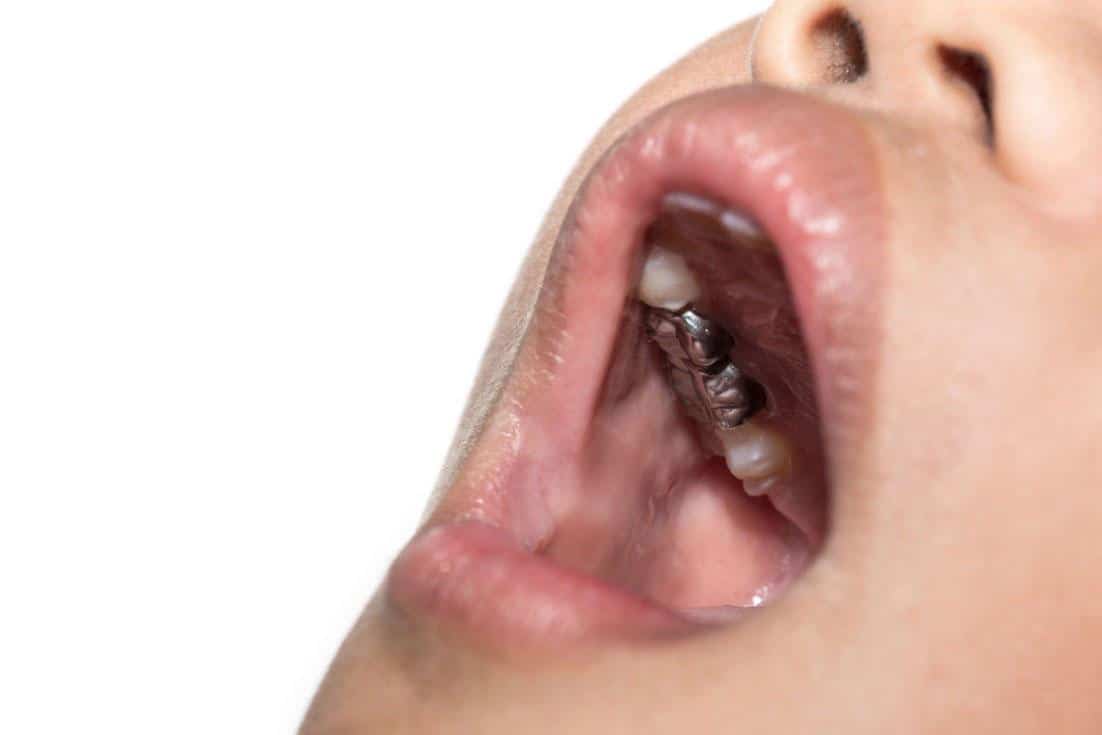
High-Risk Scenarios: For cases involving patients with extremely high decay risk, limited cooperation during the procedure, or where the restoration is placed on non-visible back teeth that bear maximum chewing force, dentists may sometimes recommend stainless steel crowns (SSCs).
Aesthetics vs. Durability: SSCs are highly durable, quick to place, and cost-effective, but lack the aesthetic appeal of porcelain. Therefore, while porcelain remains the best choice for aesthetics (especially for front teeth), the dental team must weigh the superior durability of alternatives against the cosmetic need when treating high-risk young patients.
For these reasons, dentists sometimes recommend alternative crowns like stainless steel crowns for extremely high-risk cases, although porcelain can still be chosen for better aesthetics.
Based on the risks, dentists only use this method when necessary. Regular monitoring is essential to ensure the crown remains functional and does not interfere with the child’s oral development.
Should Children Get Porcelain Crowns? Is It Safe for Children?
Yes, porcelain crowns are safe when performed by a qualified dentist. The materials used are biocompatible and do not affect tooth development or future permanent teeth.
Both the American Dental Association and the Vietnam Dental Association confirm that crowns are a safe, well-established solution for restoring primary teeth with extensive damage.
Porcelain Crowns for Children in Vietnam: What Parents Should Know
Parents are often concerned about whether the procedure is painful or invasive. The process is usually quick, performed under safe anesthesia, and designed to protect the tooth until it naturally falls out.
When choosing a dental clinic, parents should prioritize:
- A dedicated pediatric dental team
- High-quality crown materials
- Digital scanning and CAD/CAM fabrication
- Transparent consultation and aftercare instructions
- A child-friendly environment to reduce anxiety
These factors ensure the crown fits well and supports healthy tooth development
FAQ: Porcelain Crowns for Children in Vietnam
Are porcelain crowns better than stainless steel crowns for children?
Porcelain crowns are more aesthetic, while stainless steel crowns are extremely durable. The choice depends on the tooth condition, chewing forces, and aesthetic needs.
How long do porcelain crowns last on children?
They typically last until the baby tooth naturally falls out. With proper care, porcelain crowns can remain stable for several years.
Is the procedure painful?
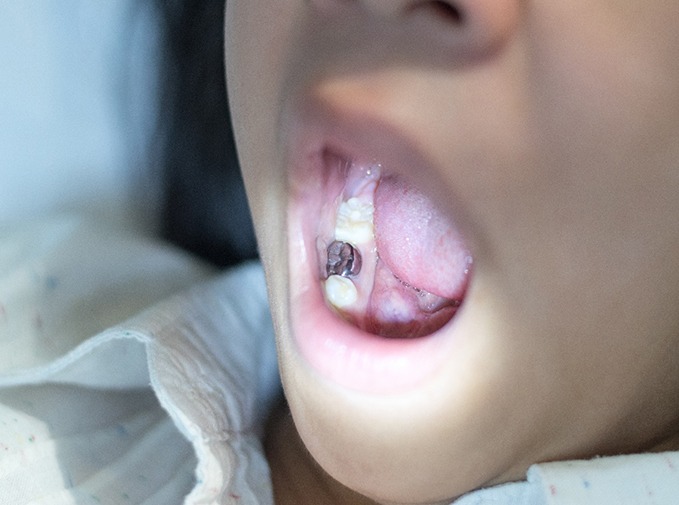
No. Local anesthesia is used, and most children feel comfortable. Post-procedure sensitivity is usually minimal.
Can children eat normally after getting a crown?
Yes. After initial care instructions from the dentist, children can resume normal eating habits, avoiding very hard foods to protect the crown.
How much do porcelain crowns for children cost in Vietnam?
Costs vary depending on material quality and clinic standards. Reputable clinics like BeDental provide clear pricing and use certified materials.
Here is BeDental’s price list for reference:
Insert id
When should I bring my child to the dentist for evaluation?
Parents should take their child to a dentist as soon as they notice deep cavities, tooth fractures, or enamel defects. Early diagnosis increases treatment success.
Porcelain Crowns for Children at BeDental
BeDental is known for providing high-quality porcelain crown services for both adults and children. With a team of dentists trained in pediatric care, the clinic emphasizes gentle, safe, and scientifically supported procedures.
BeDental uses advanced technology such as 3D scanning, CAD/CAM crown fabrication, and child-comfort techniques to ensure crowns fit accurately and do not interfere with natural tooth development. The clinic follows sterilization standards and clinical guidelines consistent with major dental associations. Parents also receive detailed counseling before the procedure, making the entire process transparent and reassuring.
Children should receive porcelain crowns only when necessary, especially in cases of severe tooth decay, weakened enamel, tooth trauma, or post-root-canal treatment. When recommended by a qualified dentist, porcelain crowns are safe, durable, and highly effective.
Supported by evidence from major dental associations, crowns can significantly reduce long-term dental problems and help maintain proper oral function.
For parents in Vietnam seeking quality and safety, BeDental offers professional pediatric dental services with modern equipment and experienced specialists.

Tư vấn chuyên môn bài viết:
BÁC SĨ DƯƠNG THỊ THÙY NGA
Tại BeDental, khách hàng có thể an tâm điều trị với dịch vụ bảo lãnh viện phí nha khoa nhanh chóng và tiện lợi. BeDental hiện liên kết với nhiều công ty bảo hiểm uy tín, hỗ trợ thanh toán trực tiếp chi phí các dịch vụ nha khoa như nhổ răng, trám răng, điều trị tủy, phục hình răng sứ... Quy trình linh hoạt, minh bạch giúp tiết kiệm thời gian và tối ưu chi phí. Hãy liên hệ BeDental để được tư vấn chi tiết và tận hưởng trải nghiệm chăm sóc răng miệng chuyên nghiệp, không lo gánh nặng tài chính.
🔹 Các đơn vị nha khoa chấp nhận bảo lãnh bao gồm : Hùng Vương Insurance, Bảo Long Insurance, BSH (Bảo hiểm BSH), FWD Insurance Cathay Life Fubon Insurance, Tokio Marine Insurance Group VNI (Bảo hiểm Hàng không), HD Insurance MSIG AAA Insurance PTI (Bảo hiểm Bưu điện), BIDV MetLife, PJICO, Techcom, Insurance, AIA, Dai-ichi Life MIC GIC DBV Insurance VBI (Bảo hiểm VietinBank)
🔹 Các công ty bảo hiểm BeDental có thể xuất hóa đơn: Manulife Dai-ichi Life Prudential AIA Hanwha Life PVI VCLI (Bảo hiểm nhân thọ Vietcombank - Cardif) BIC (Bảo hiểm BIDV), Bảo Việt Insurance và PVI

BEDENTAL – HỆ THỐNG NHA KHOA TIÊU CHUẨN HÀNG ĐẦU
CHI NHÁNH HÀ NỘI
CS1: 7B Thi Sách, Ngô Thì Nhậm, Hai Bà Trưng, Hà Nội - 0934.61.9090
CS2: Số 129 Hoàng Ngân, Yên Hòa, Cầu Giấy, Hà Nội - 0934.61.9090
CHI NHÁNH TP.HỒ CHÍ MINH (HCM)
CS1: 53 -55 -57 Phó Đức Chính, Nguyễn Thái Bình, Quận 1, Tp.Hồ Chí Minh - 0766.00.8080
GIỜ HOẠT ĐỘNG:
09h00 – 20h00. Tất cả các ngày trong tuần
Website: https://bedental.vn/