

 English
 한국어
한국어 日本語
日本語 中文 (中国)


Porcelain crowns are one of the most widely used solutions in restorative dentistry today. They help restore damaged teeth, improve chewing ability, and enhance the appearance of a smile. However, many patients still wonder about the disadvantages of porcelain crowns in Vietnam before deciding on treatment. Understanding the possible crown disadvantages and the potential downsides of dental crown procedures allows patients to make informed decisions and avoid unnecessary complications.
This article provides a comprehensive overview of the limitations of porcelain crowns, the factors affecting their long-term success, and how patients can minimize risks when choosing this dental treatment.
What are porcelain crowns and why are they commonly used?
A dental crown is a cap placed over a damaged or weakened tooth to restore its shape, strength, and function. Porcelain crowns are particularly popular because they closely resemble natural teeth in color and translucency. In modern dentistry, crowns are commonly used after procedures such as root canal treatment, severe tooth decay, or dental trauma.
Despite their popularity, understanding the disadvantages of porcelain crowns in Vietnam is important before undergoing treatment. Although porcelain crowns offer excellent aesthetic and functional benefits, they are still a medical restoration and may involve certain limitations.
According to the American College of Prosthodontists, more than 2.3 million implant-supported crowns are placed each year worldwide, and millions of traditional crowns are also installed annually. This statistic reflects the widespread use of crowns in modern dental care, but it also highlights why patients should carefully evaluate both benefits and crown disadvantages before treatment.
A dentist once shared the case of a patient named Huy, a 34-year-old office worker who chose a porcelain crown to restore a damaged molar. Initially, he expected the crown to feel exactly like his natural tooth immediately after placement. However, it took about a week for him to fully adjust to the new restoration. Situations like this are common and illustrate that patients should be aware of possible downsides of dental crown procedures, even when the treatment is successful.
>> See more: Does getting a porcelain crown require a root canal? in Vietnam
Disadvantages of porcelain crowns in Vietnam
Understanding the disadvantages of porcelain crowns in Vietnam helps patients set realistic expectations about the treatment. While porcelain crowns are effective and durable, they are not completely free of limitations.
One of the primary crown disadvantages is the need to remove a portion of the natural tooth structure. In order to place the crown securely, dentists must reshape the tooth by reducing its outer surface. This process is irreversible, meaning the tooth will always require a crown in the future once the procedure has been performed.
Another potential downsides of dental crown is sensitivity after placement. Some patients may experience mild tooth sensitivity to temperature or pressure during the first few days following the procedure. This usually resolves naturally, but in rare cases it may persist.
Porcelain crowns can also chip or crack under excessive pressure. Although modern materials such as zirconia are highly durable, biting hard objects like ice or bones may still damage the crown. This risk represents another example of the disadvantages of porcelain crowns in Vietnam that patients should consider.
Additionally, the cost of porcelain crowns can be higher than other restorative options such as fillings or dental bonding. Although Vietnam offers relatively affordable dental care compared with many countries, the price may still be significant for some patients.
Crown disadvantages related to tooth preparation
One of the most discussed crown disadvantages is the preparation process required before placing the crown. Dentists must remove a layer of enamel to create enough space for the crown to fit properly.
For some patients, this step raises concerns about preserving natural tooth structure. Once the enamel has been reshaped, the tooth will always require protection with a crown or another restoration.
In certain situations, the tooth may also require additional reinforcement with a post-and-core structure. This occurs when the tooth has been severely damaged by decay or after root canal treatment. Although these procedures help strengthen the tooth, they can increase the overall complexity of treatment and represent one of the possible downsides of dental crown therapy.
A patient named Trang once shared her hesitation when her dentist recommended a crown after severe tooth decay. She was initially worried about losing part of her natural tooth structure. After discussing the treatment plan and understanding the long-term benefits, she decided to proceed. Several years later, the crown remains stable and functional, demonstrating that even though there are crown disadvantages, proper treatment planning can lead to successful outcomes.
Downsides of dental crown related to long-term durability
Although porcelain crowns are designed to be durable, they do not last forever. The lifespan of a crown typically ranges from 10 to 15 years, depending on oral hygiene, biting habits, and crown material.
One of the potential downsides of dental crown treatment is that crowns may eventually require replacement. Over time, the cement holding the crown in place may weaken, or the crown itself may wear down.
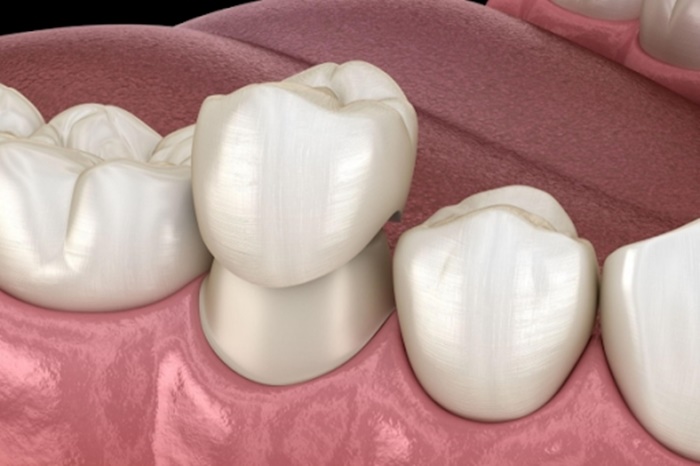
According to data from the Journal of Dental Research, approximately 15–20% of crowns require replacement within 15 years due to wear, fracture, or underlying tooth problems. This does not mean crowns are unreliable, but it highlights one of the realistic disadvantages of porcelain crowns in Vietnam that patients should understand.
Another factor that may affect crown durability is grinding or clenching of teeth, a condition known as bruxism. Patients who grind their teeth at night may place excessive pressure on crowns, increasing the risk of damage.
Possible discomfort after crown placement
Another concern patients often mention when discussing the downsides of dental crown treatment is temporary discomfort after the procedure.
After the crown is placed, the surrounding gums and tooth tissues may take a few days to adapt. Mild soreness or pressure when chewing is relatively common and usually resolves within a short period.
In some cases, a crown may initially feel slightly higher than surrounding teeth. Dentists typically check the bite carefully during placement, but minor adjustments may still be needed.
A patient named Hoang once returned to the clinic two days after receiving a crown because he felt mild pressure when chewing. After a quick adjustment to the crown’s bite, the discomfort disappeared completely. This example demonstrates that although temporary discomfort is among the crown disadvantages, it is usually easy to correct.
Aesthetic limitations of porcelain crowns
Porcelain crowns are widely known for their aesthetic appearance, but there are still some disadvantages of porcelain crowns in Vietnam related to aesthetics.
In crowns that contain a metal base, a dark line may appear near the gum line over time. This occurs because the metal layer underneath the porcelain becomes visible as gums naturally recede.
Although all-ceramic crowns and zirconia crowns largely eliminate this issue, they may come at a higher cost. For some patients, balancing aesthetics and budget is an important consideration when evaluating the downsides of dental crown procedures.
Dentists often recommend different crown materials depending on the tooth location. For example, zirconia or all-ceramic crowns are usually preferred for front teeth where appearance is particularly important.
>> See more: Price of porcelain crown after root canal in Vietnam
How to reduce the disadvantages of porcelain crowns in Vietnam
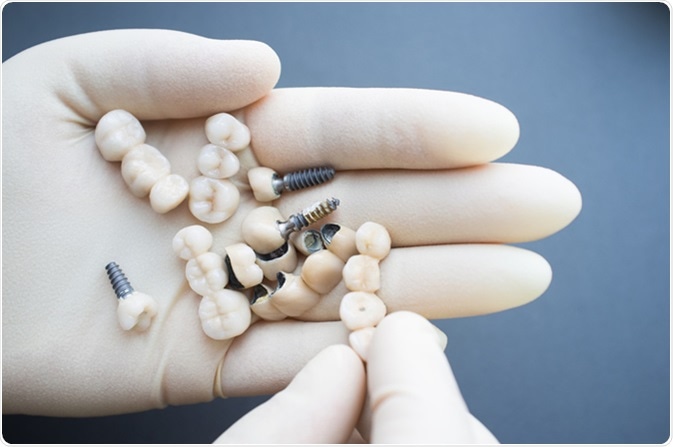
Although there are several crown disadvantages, most of them can be minimized through proper treatment planning and oral care.
Patients can reduce the downsides of dental crown procedures by following several important recommendations.
First, choosing an experienced dentist significantly improves treatment outcomes. Skilled dentists ensure proper crown preparation, accurate bite alignment, and high-quality restoration.
Second, maintaining good oral hygiene is essential. Brushing twice daily and flossing regularly helps prevent decay around the crown margins.
Other helpful habits include:
- Avoid chewing extremely hard foods
- Attend regular dental checkups every 6 months
- Use a night guard if you grind your teeth
When patients follow these recommendations, many of the disadvantages of porcelain crowns in Vietnam can be effectively minimized.
When porcelain crowns are still the best option
Despite the potential downsides of dental crown, porcelain crowns remain one of the most reliable restorative treatments in dentistry.
For severely damaged teeth, crowns provide structural reinforcement that fillings cannot achieve. In cases where a tooth has undergone root canal therapy or has lost a large amount of enamel, a crown is often the most predictable way to preserve the tooth.
Many dentists explain that the real goal is not simply restoring appearance but protecting the remaining tooth structure for long-term function. When carefully planned and properly maintained, crowns can last for many years with minimal complications.
This is why dentists emphasize that understanding the disadvantages of porcelain crowns in Vietnam does not mean avoiding the treatment entirely. Instead, it helps patients make balanced decisions based on both benefits and limitations.
Porcelain crown treatment at BeDental
When considering the disadvantages of porcelain crowns in Vietnam, choosing a reputable dental clinic is crucial for achieving safe and successful results.
BeDental is a professional dental system with clinics in Hanoi and Ho Chi Minh City, providing advanced restorative dentistry services. The clinic utilizes modern digital dentistry technologies that help ensure precise crown design, accurate fit, and comfortable treatment experiences.
Before recommending treatment, dentists at BeDental carefully evaluate each patient’s dental condition and explain both the advantages and possible crown disadvantages associated with porcelain crowns. This transparent consultation process allows patients to fully understand the potential downsides of dental crown procedures before making a decision.
With experienced dental specialists and modern equipment, BeDental aims to provide reliable restorative treatments while minimizing the disadvantages of porcelain crowns in Vietnam. By combining professional expertise with advanced technology, the clinic helps patients restore damaged teeth safely and maintain long-term oral health.
| Category | Price | ||
|---|---|---|---|
| 1. Phục hình tháo lắp - (Tìm hiểu thêm...) Removable Denture (More detail...) | |||
| Giá Hàm nền nhựa thường Conventional Denture (More detail...) | (1teeth) | 4.000.000 | |
| Giá Hàm nền nhựa dẻo Flexible acrylic partial denture | (1teeth) | 5.500.000 | |
| Giá Hàm khung kim loại thường Cast metal partial denture | (1teeth) | 4.500.000 | |
| Giá Hàm khung Titan Titanium partial denture | (1teeth) | 6.000.000 | |
| 2. Răng giả (Tìm hiểu thêm...) False teeth | |||
| Giá Răng giả hàm tháo lắp nhựa nội Acrylic resin teeth -made in Vietnam | (1teeth) | 350.000 | |
| Giá Răng giả hàm tháo lắp nhựa Mỹ Acrylic resin teeth -made in USA | (1teeth) | 600.000 | |
| Giá Răng giả hàm tháo lắp sứ Porcelain teeth backed with metal | (1teeth) | 1.800.000 | |
| Máng nâng khớp Denture occlúion | 1.000.000 | ||
| 3. Phục hình cố định : Non-removable denture | |||
| Giá Sứ kim loại (Tìm hiểu thêm...) Porcelain teeth backed with metal | |||
| Giá Răng sứ kim loại thường (Ni,Cr) Porcelain teeth backed with metal (Ni,Cr) | 1.800.000 | ||
| Giá Răng sứ kim loại Vivadent france (Cr,Co) Porcelain teeth backed with metal Vivadent France (Cr,Co) | 1.800.000 | ||
| Giá Răng sứ kim loại Jelenko USA ( Cr, Co) Porcelain teeth backed with metal Jelenko USD (Cr,Co) | 2.000.000 | ||
| Giá Răng sứ kim loại titan Porcelain teeth backed with titanium | 3.500.000 | ||
| Giá Sứ không kim loại : (Tìm hiểu thêm) Non-metal Teeth | |||
| Giá Răng sứ Katana (bảo hành 7 năm) Porcelain Veneer Katana from Japan | 3.500.000 | ||
| Giá Răng sứ Venus ( bảo hành 7 năm) (Tìm hiểu thêm...) Porcelain Veneer Venus from Germany (More detail...) | 4.000.000 | ||
| Giá Răng sứ Roland ( bảo hành 10 năm) (Tìm hiểu thêm...) Porcelain Veneer Roland from Germany (More detail...) | 4.800.000 | ||
| Giá Răng sứ Roland HD (bảo hành 10 năm) (Tìm hiểu thêm...) Porcelain Veneer Roland HD from Germany | 5.900.000 | ||
| Giá Răng sứ Ceramill (bảo hành 10 năm)(Tìm hiểu thêm...) Porcelain Veneer Ceramil from Germany | 6.000.000 | ||
| Giá Răng sứ Emax Nanoceramics ( bảo hành 15 năm) Porcelain Veneer Emax from Germany | 7.000.000 | ||
| Giá Răng sứ HTsmile (Bảo hành 15 năm) (Tìm hiểu thêm...) Porcelain Veneer Htsmile from Germany (More detail...) | 7.000.000 | ||
| Giá Răng sứ Emax* Press Lithium Disilicate (Bảo hành 15 năm) (Tìm hiểu thêm...) Porcelain Veneer Emax press from Germany (More detail...) | 8.000.000 | ||
| Giá Răng sứ Cercon (Bảo hành 15 năm) (Tìm hiểu thêm...) Porcelain Veneer Cercon from Germany (More detail...) | 7.000.000 | ||
| Giá Răng sứ Nacera Pearl Shade ( bảo hành 10 năm) Porcelain Veneer Nacera from Germany | 10.000.000 | ||
| Giá Răng sứ Lava 3M Premium Plus ( bảo hành 15 năm) (Tìm hiểu thêm...) Porcelain Veneer Lava 3M Plus from USA (More detail...) | 9.000.000 | ||
| Giá Răng sứ Lava Esthentics ( bảo hành 15 năm) Porcelain Veneer 3M Lava Esthetic from USA | 12.000.000 | ||
| Giá Răng sứ Lisi Press (bảo hành 15 năm) (Tìm hiểu thêm...) Porcelain Veneer Lisi from Japan (More detail...) | 12.000.000 | ||
| Giá Răng sứ kim cương (Bảo hành trọn đời) Porcelain Veneer Diamond from USA | 16.000.000 |

Tư vấn chuyên môn bài viết:
BÁC SĨ DƯƠNG THỊ THÙY NGA
BEDENTAL - TOP STANDARD DENTISTRY SYSTEM
In HANOI
Address 1: 7B Thi Sach St, Ngo Thi Nham, Hai Ba Trung Dist, Ha Noi. - 0934.61.9090
Address 2: No 129 Hoang Ngan, Yen Hoa, Cau Giay Dist, Ha Noi. - 0934.61.9090
In HO CHI MINH
Address 1: 53 -55 -57 Pho Duc Chinh St, Nguyen Thai Binh, Dist. 1, Ho Chi Minh. - 0766.00.8080
Working: 9am - 8pm everyday
Website: https://bedental.vn/en/