

 English
 한국어
한국어 日本語
日本語 中文 (中国)


Molars in Vietnam are among the most important teeth in the human jaw, playing a central role in chewing and maintaining overall oral health. However, many people in Vietnam still do not fully understand what molars are, where they are located, or why protecting them is essential.
According to international and Vietnamese dental associations, the loss or damage of molars can significantly affect chewing ability, jaw stability, and long-term dental health.
What Are Molars?
Molars are the large permanent teeth located at the back of the mouth. In dentistry, molars refer specifically to teeth number 6 and number 7 on each side of the jaw. These teeth have a broad chewing surface and multiple cusps designed to grind and crush food before it enters the digestive system.
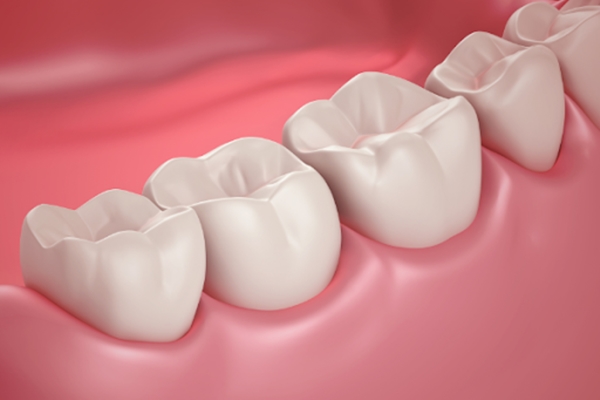
A healthy adult has a total of 8 molars, evenly distributed:
- Upper jaw: Teeth number 6 and 7 on the left and right sides
- Lower jaw: Teeth number 6 and 7 on the left and right sides
Unlike baby teeth or premolars, molars only erupt once in a lifetime. This means that once a molar is lost or severely damaged, it cannot naturally grow back. Dental associations worldwide agree that preserving natural molars is a top priority in restorative and preventive dentistry.
A common misconception among parents is that first molars are baby teeth. In reality, these are permanent teeth. Losing molars at a young age can negatively affect jaw development, alignment, and long-term oral health.
Difference Between First Molars and Second Molars
Molars are further divided into:
- First molars (tooth number 6): Usually erupt around the age of 6–8 and are often called “six-year molars.” They are the most important chewing teeth and are also the most vulnerable to early decay.
- Second molars (tooth number 7): Erupt later, around 11–13 years old, and help stabilize the bite and support chewing efficiency.
Dental associations emphasize that both first and second molars are permanent teeth and require careful protection from an early age.
Where Are Molars Located on the Dental Arch?
Molars are positioned between premolars (teeth number 4 and 5) and wisdom teeth (tooth number 8). Due to their location deep inside the mouth, molars are responsible for handling the strongest chewing forces.
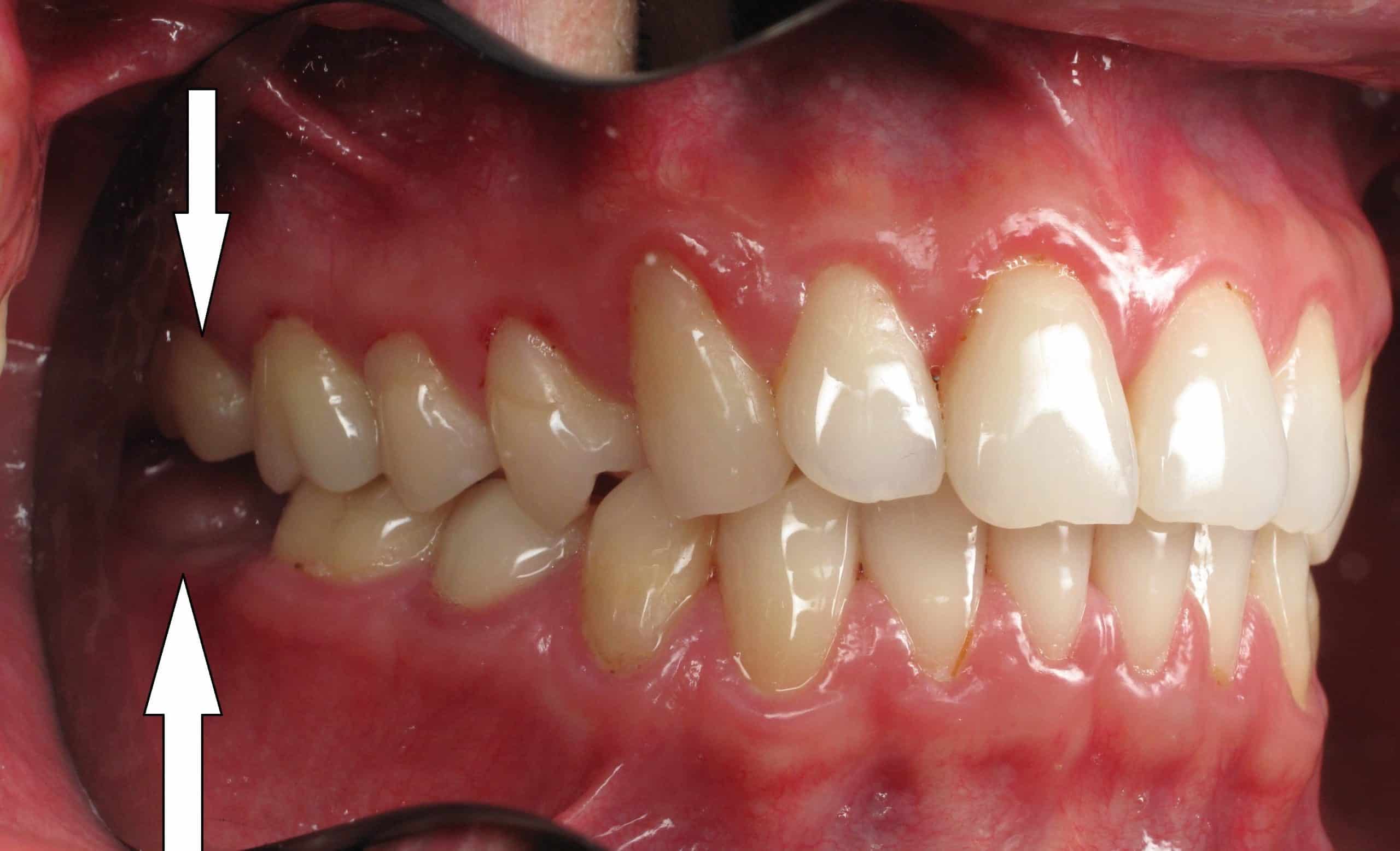
Molars usually erupt early, around the ages of 6 to 8, which is why they are sometimes called “six-year molars.” Because of their deep position and complex chewing surfaces, molars are more difficult to clean thoroughly, making them more vulnerable to plaque buildup and dental disease if oral hygiene is inadequate.
Are Molars the Same as Wisdom Teeth?
Many people confuse molars with wisdom teeth, but these are completely different types of teeth.
Molars (teeth 6 and 7) erupt early and have a clear, essential chewing function.
Wisdom teeth (tooth number 8) usually appear later, between the ages of 17 and 25, and often do not contribute significantly to chewing. In many cases, wisdom teeth grow crooked or impacted, leading to pain and complications.
According to dental associations, molars are far more important to preserve than wisdom teeth, as they directly affect chewing efficiency and bite stability.
Key Functions of Molars
In dentistry, molars play a vital role in maintaining overall oral health and chewing efficiency. Molars are essential for proper digestion, jaw stability, and long-term dental balance. According to professional dental standards, healthy molars contribute significantly to both functional and structural integrity of the entire mouth.
- Chewing and Grinding Food: Molars are designed with broad, flat surfaces that allow them to crush and grind food efficiently. They handle the majority of chewing force, breaking food down into smaller pieces to support proper digestion and reduce strain on the stomach.
- Maintaining Tooth Alignment: Healthy molars help maintain correct bite alignment by evenly distributing chewing forces across the jaw. When molars are damaged or missing, bite imbalance can occur, leading to jaw discomfort and uneven tooth wear.
- Preventing Jawbone Loss: Molars stimulate the jawbone during chewing, helps preserve bone density and prevent bone loss. The absence or dysfunction of molars can accelerate jawbone resorption and affect facial structure over time.
- Stabilizing Surrounding Teeth: Molars act as anchors for adjacent teeth. Strong molars prevent neighboring teeth from shifting or tilting into empty spaces, which helps maintain proper spacing and overall dental alignment.
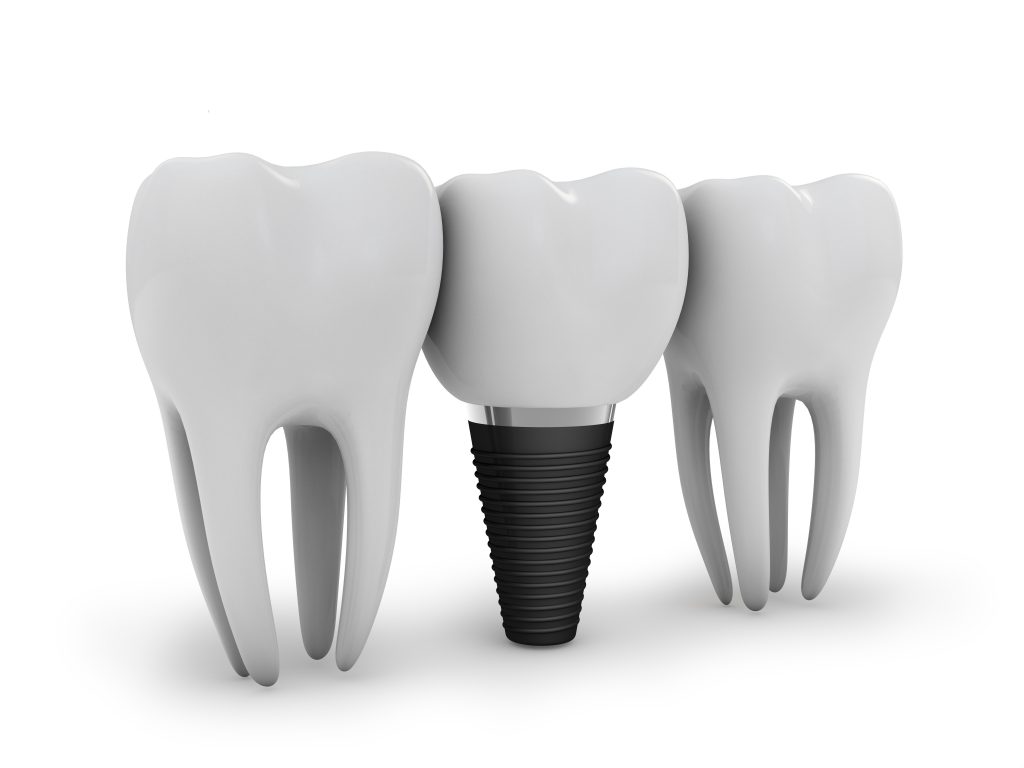
- Preserving Structure and Vertical Dimension: The height and position of molars play a key role in maintaining the vertical dimension of the face. Healthy molars support the lower facial structure, preventing a sunken or aged appearance caused by tooth loss.
- Reducing Stress on Front Teeth: When molars function properly, they absorb most chewing pressure. Dysfunctional molars may cause patients to rely on front teeth for chewing, increasing the risk of fractures or enamel damage.
See more: Swollen gums in Vietnam
Common Problems of Molars
Molars play a crucial role in chewing and maintaining proper bite alignment, but they are also the teeth most vulnerable to dental problems. Because of their location and function, molars are among the teeth most prone to dental disease.
Tooth decay and cavities
Molars are highly prone to decay because food particles easily get trapped in their fissures, especially with diets high in carbohydrates and sugars.
Cracked or fractured molars
Excessive bite force, teeth grinding, or chewing hard foods can lead to cracks, making molars susceptible to pain and infection.
Worn enamel
Enamel erosion caused by acidic foods, bruxism, or improper brushing weakens molars in Vietnam and increases sensitivity.
Gum disease around molars
Plaque buildup at the gum line can result in gingivitis or periodontitis, which may compromise the stability of molars.
Root canal infections
Untreated cavities or cracks can allow bacteria to reach the pulp, leading to severe infection in molars.
Impacted or problematic wisdom teeth
Third molars often lack space to erupt properly, causing pain, swelling, and alignment issues common among molars.
Molar tooth loss
Advanced decay, trauma, or gum disease can result in missing molars, affecting chewing efficiency and jaw balance.
Why Protecting Molars Is Essential
Molars, teeth number 6 and 7, are vital for chewing, jaw stability, and a balanced bite. Due to their deep position in the mouth, they are more vulnerable to decay and periodontal disease if not cared for properly.
Protecting molars helps preserve overall oral function, prevent early tooth loss, and maintain facial structure.
If you experience pain, sensitivity, or damage to your molars, consulting a reputable dental clinic such as BeDental can help ensure timely diagnosis and effective treatment based on recognized dental standards.
Early Warning Signs of Molar Problems
Recognizing early warning signs helps patients protect their molars in Vietnam before minor issues become serious dental conditions. Early diagnosis also reduces treatment time and cost while preserving natural teeth. Below are the most common early symptoms to watch for:
- Tooth sensitivity when eating hot, cold, or sweet foods, often indicating early decay or enamel wear
- Pain while chewing or biting down, which may signal cracked or weakened molars
- Persistent dull ache around the back teeth, a common sign of hidden cavities in molars
- Swollen or bleeding gums near molars, suggesting gum inflammation or infection
- Food frequently getting stuck between molars, which can increase the risk of decay
- Visible dark spots or discoloration on molars, often an early sign of tooth decay
- Bad breath or unpleasant taste that does not go away, possibly caused by bacteria trapped in damaged molars
- Jaw discomfort or pressure near the molar area, sometimes linked to bite imbalance or molar damage
Identifying these early warning signs allows patients to seek timely care for their molars, helping prevent complications such as root canal infections, tooth loss, or costly restorative procedures.
How to Care for Molars Properly
Proper care for molars is essential because these teeth handle most of the chewing force and are more prone to decay due to their deep grooves. With the right daily habits and professional support, molars can remain strong and functional for many years.

- Brush at least twice a day using fluoride toothpaste, paying extra attention to the back teeth where food often gets trapped
- Use dental floss or interdental brushes daily to clean between molars and prevent plaque buildup
- Rinse with an antibacterial mouthwash to reduce bacteria around molars
- Limit sugary foods, sticky snacks, and acidic drinks that increase the risk of molar cavities
- Drink plenty of water to help wash away food particles and maintain saliva flow
- Schedule regular dental checkups in Vietnam to detect early signs of molar decay or gum disease
- Consider professional dental cleaning every six months to keep molars free from hardened plaque
- Use protective treatments such as sealants or fluoride applications if recommended by your dentist
By following these simple steps, patients can protect molars in Vietnam, reduce the need for complex treatments, and maintain long-term oral health.
See more: Do braces change the jawbone
Molars Services in Vietnam
Molars services focus on restoring, protecting, and maintaining the back teeth, which play a critical role in chewing, bite stability, and overall oral health.
Molars endure the highest biting force, making them more prone to decay, cracks, and wear over time. Because of this, dental clinics in Vietnam offer a wide range of specialized treatments specifically designed for molar teeth.
Common Dental Services for Molars in Vietnam
Dental services include both preventive and restorative treatments, depending on the condition of the tooth.
Dental Fillings for Molars
When molars develop cavities, tooth-colored composite fillings or amalgam fillings are commonly used. These fillings restore the tooth structure and protect it from further decay while maintaining chewing efficiency.
Root Canal Treatment for Molars
Molars often have multiple roots, making infections more complex. Root canal treatment removes infected pulp, relieves pain, and preserves the natural tooth. In Vietnam, this service is widely available using modern equipment and pain-controlled techniques.
Dental Crowns for Molars
After large fillings or root canal treatment, molars often need crowns for long-term protection. Molars services in Vietnam commonly include ceramic, zirconia, or metal-ceramic crowns to restore strength and function.
Molars Restoration and Onlays
For teeth that are damaged but not severely enough to need a full crown, dentists may recommend inlays or onlays. These restorations preserve more natural tooth structure while reinforcing weak areas.
Tooth Extraction and Wisdom Tooth Removal
Severely damaged molars or impacted wisdom teeth may require extraction. Dental services include surgical and non-surgical extractions performed under local anesthesia for patient comfort.
How Was the Services in Vietnam Compare to Other Countries
Dental services for molars—including fillings, root canal treatment, crowns, extractions, and implants—are available in many countries across Asia. However, the cost, accessibility, and treatment approach can vary widely depending on local healthcare systems, dentist training, and clinic standards.
| Dental Service (Molars) | Vietnam | Thailand | South Korea | China |
| Dental Fillings (Molars) | Low cost, widely available, modern composite materials | Moderate cost, good quality in major cities | High cost, advanced materials | Low–moderate cost, varies by city |
| Root Canal Treatment (Molars) | Affordable, modern equipment, experienced dentists | Moderate–high cost, good technology | Very high cost, highly specialized | Moderate cost, quality depends on clinic |
| Dental Crowns for Molars | Low–moderate cost, zirconia & ceramic widely used | Moderate–high cost | High cost, strong focus on aesthetics | Moderate cost, material transparency varies |
| Molar Extraction / Wisdom Tooth Removal | Affordable, simple & surgical options | Moderate cost | High cost | Low–moderate cost |
| Dental Implants for Missing Molars | Much lower cost, international implant systems available | Moderate–high cost | Very high cost, premium branding | Moderate cost, quality varies |
| Preventive Care (Checkups, Cleaning) | Low cost, easy access | Moderate cost | High cost | Low–moderate cost |
| Overall Accessibility for Patients | High (short wait, flexible scheduling) | Moderate | Lower (longer wait, higher fees) | High in urban areas |
| Cost–Quality Balance | Excellent | Good | High quality but expensive | Inconsistent |
See more: Essential tools in a dental clinic
Cost for Molar Removal and Treatment
The cost of molar removal varies depending on whether it’s a simple extraction or a surgical procedure. Impacted wisdom teeth typically cost more due to the complexity of the extraction.
In cases of decay or fracture, crowns on molars in Vietnam may be necessary to restore strength and function. Fillings or root canals may also be recommended to avoid tooth loss.
Conservative treatment (when the tooth is still present)
- Dental filling: 4 – 20 USD per tooth (100,000 – 500,000 VND) depending on the depth of the cavity
- Root canal treatment: For molars, the cost may range from 130 – 220 USD per tooth (3,300,000 – 5,660,000 VND, excluding crowns) depending on the complexity
- Dental crowns (for root-canal-treated or severely decayed teeth): Approximately 40 – 270 USD per tooth (1,000,000 – 7,000,000 VND) depending on the type of ceramic
Restoration of missing teeth
- Removable dentures: 60 – 385 USD per denture (1,500,000 – 10,000,000 VND)
- Dental bridges: 40 – 540 USD (1,000,000 – 14,000,000 VND) per tooth (depending on the ceramic material), usually involving three teeth
- Dental implants: 500 – 1,350 USD (13,000,000 – 35,000,000 VND) per tooth (including the implant post and ceramic crown)
Tooth extraction and minor oral surgery
- Molar extraction (simple to complex): 40 – 192 USD per tooth (1,000,000 – 5,000,000 VND)
- Inflammation or cyst removal: 20 – 77 USD per tooth (500,000 – 2,000,000 VND)
See more: How to deal with loose dentures
Professional Molars Care at BeDental Vietnam
At BeDental, molar health is treated as a foundation of long-term oral wellness. With experienced dentists trained in accordance with international dental standards, BeDental provides comprehensive molar care, including preventive check-ups, restorative treatments, and advanced solutions for damaged or missing molars in Vietnam.

Using modern diagnostic technology and evidence-based treatment protocols recommended by dental associations, BeDental focuses on preserving natural molars in Vietnam whenever possible and restoring function safely when treatment is needed.