
Dental Knowledge
Molars in Vietnam – Understanding Molars Structure, Role, and Importance
Th1

Molars are the main chewing teeth located at the back of the mouth. Despite their importance, many people misunderstand their role or mistake them for baby teeth.
Because molars erupt early and are harder to clean, they are also the most vulnerable to decay and long-term damage if not properly cared for.
What Are Molars?
Molars are the large permanent teeth located at the back of the mouth. In dentistry, molars refer specifically to teeth number 6 and number 7 on each side of the jaw. These teeth have a broad chewing surface and multiple cusps designed to grind and crush food before it enters the digestive system.
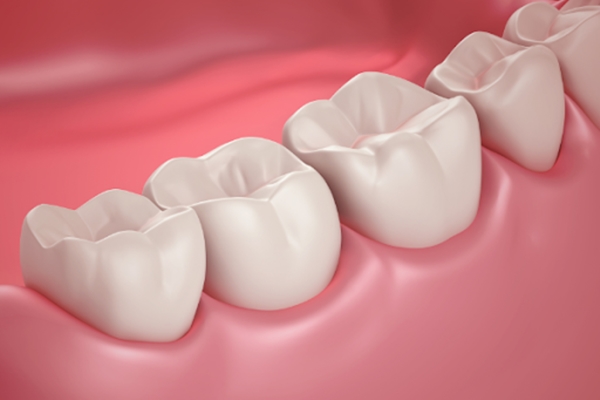
A healthy adult has a total of 8 molars, evenly distributed:
- Upper jaw: Teeth number 6 and 7 on the left and right sides
- Lower jaw: Teeth number 6 and 7 on the left and right sides
Unlike baby teeth or premolars, molars only erupt once in a lifetime. This means that once a molar is lost or severely damaged, it cannot naturally grow back. Dental associations worldwide agree that preserving natural molars is a top priority in restorative and preventive dentistry.
A common misconception among parents is that first molars are baby teeth. In reality, these are permanent teeth. Losing molars at a young age can negatively affect jaw development, alignment, and long-term oral health.
Where Are Molars Located on the Dental Arch?
Molars are positioned between premolars (teeth number 4 and 5) and wisdom teeth (tooth number 8). Due to their location deep inside the mouth, molars are responsible for handling the strongest chewing forces.
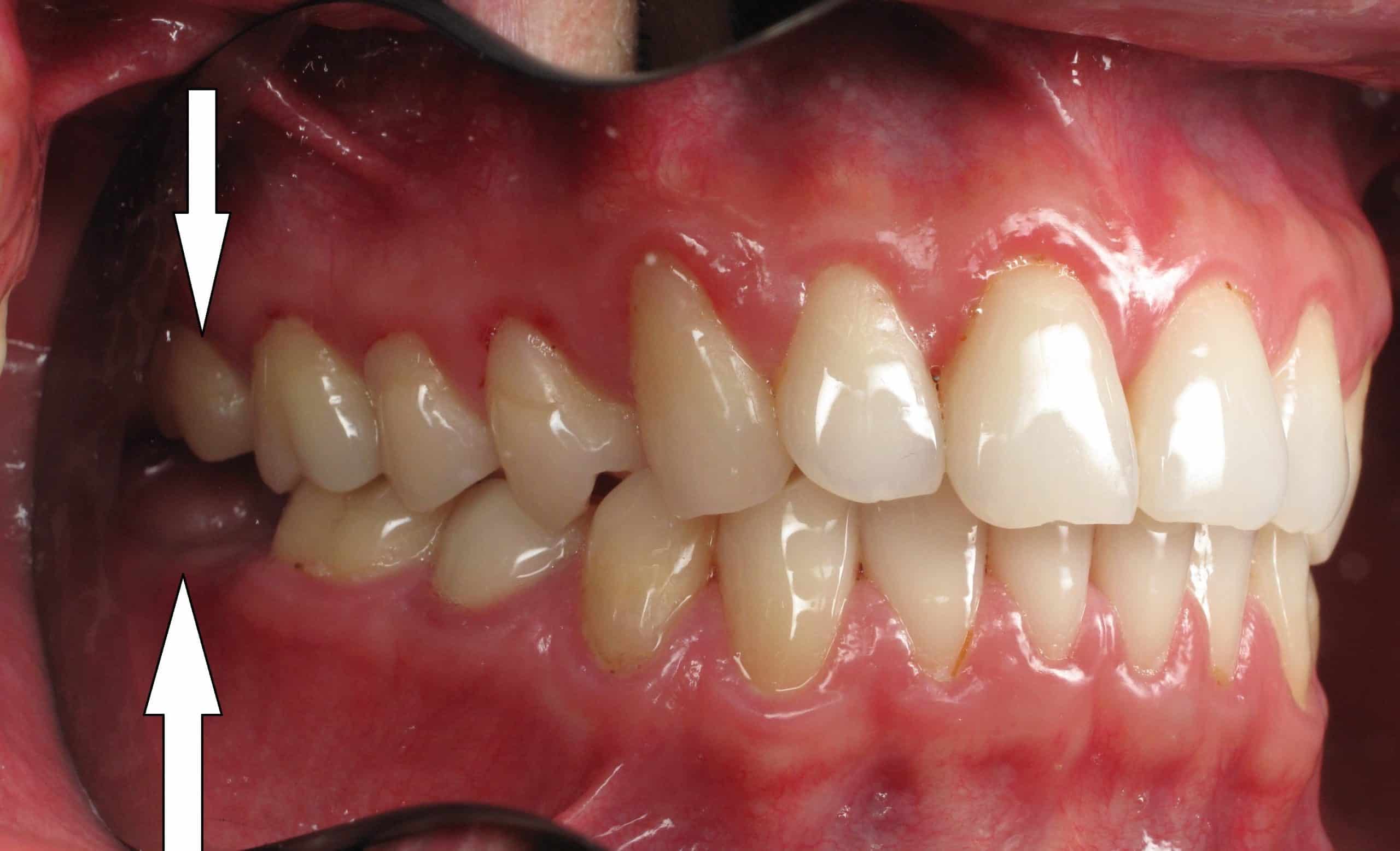
Molars usually erupt early, around the ages of 6 to 8, which is why they are sometimes called “six-year molars.” Because of their deep position and complex chewing surfaces, molars are more difficult to clean thoroughly, making them more vulnerable to plaque buildup and dental disease if oral hygiene is inadequate.
Are Molars the Same as Wisdom Teeth?
Many people confuse molars with wisdom teeth, but these are completely different types of teeth. Molars (teeth 6 and 7) erupt early and have a clear, essential chewing function.
Wisdom teeth (tooth number 8) usually appear later, between the ages of 17 and 25, and often do not contribute significantly to chewing. In many cases, wisdom teeth grow crooked or impacted, leading to pain and complications. According to dental associations, molars are far more important to preserve than wisdom teeth, as they directly affect chewing efficiency and bite stability.
Key Functions of Molars
In dentistry, molars play a vital role in maintaining overall oral health and chewing efficiency. Molars are essential for proper digestion, jaw stability, and long-term dental balance. According to professional dental standards, healthy molars contribute significantly to both functional and structural integrity of the entire mouth.
- Chewing and Grinding Food: Molars are designed with broad, flat surfaces that allow them to crush and grind food efficiently. They handle the majority of chewing force, breaking food down into smaller pieces to support proper digestion and reduce strain on the stomach.
- Maintaining Tooth Alignment: Healthy molars help maintain correct bite alignment by evenly distributing chewing forces across the jaw. When molars are damaged or missing, bite imbalance can occur, leading to jaw discomfort and uneven tooth wear.
- Preventing Jawbone Loss: Molars stimulate the jawbone during chewing, helps preserve bone density and prevent bone loss. The absence or dysfunction of molars can accelerate jawbone resorption and affect facial structure over time.
- Stabilizing Surrounding Teeth: Molars act as anchors for adjacent teeth. Strong molars prevent neighboring teeth from shifting or tilting into empty spaces, which helps maintain proper spacing and overall dental alignment.
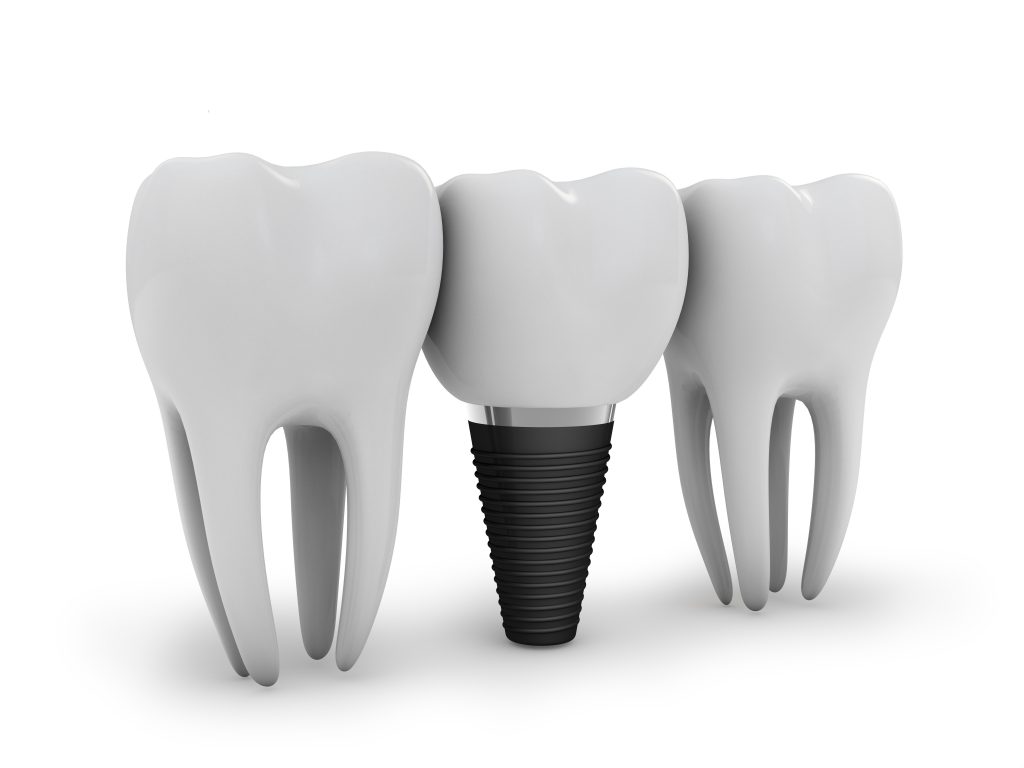
- Preserving Structure and Vertical Dimension: The height and position of molars play a key role in maintaining the vertical dimension of the face. Healthy molars support the lower facial structure, preventing a sunken or aged appearance caused by tooth loss.
- Reducing Stress on Front Teeth: When molars function properly, they absorb most chewing pressure. Dysfunctional molars may cause patients to rely on front teeth for chewing, increasing the risk of fractures or enamel damage.
See more: Swollen gums in Vietnam
Common Problems Affecting Molars
Molars are exposed to constant chewing pressure and bacterial accumulation, making them the most vulnerable teeth in the mouth. Because they are located deep inside and have complex surfaces, many issues develop quietly and are only noticed when symptoms become severe.
Tooth Decay (Cavities)
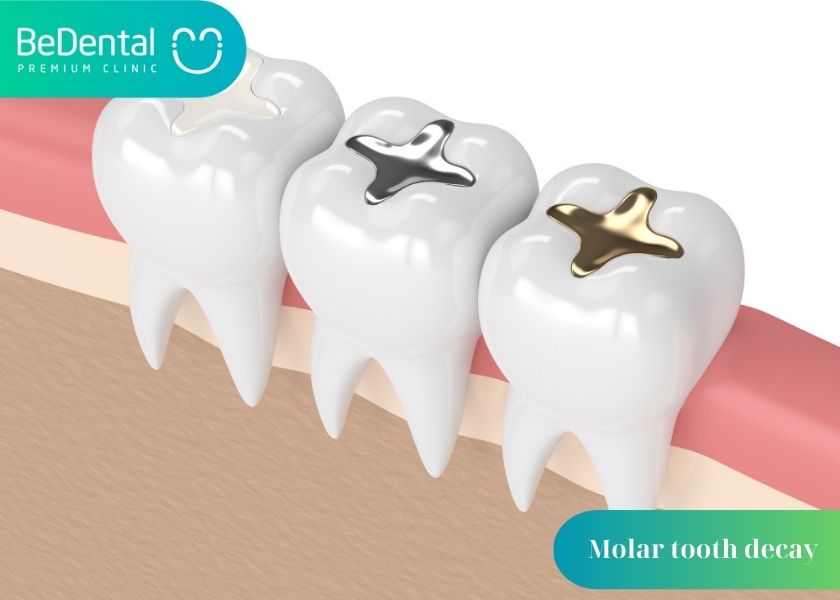
Tooth decay is the most common problem affecting molars. Their deep grooves easily trap food and bacteria, allowing plaque to build up over time. Without proper cleaning, this leads to gradual breakdown of the tooth structure.
Key risk factors include:
- High sugar consumption
- Poor oral hygiene
- Lack of fluoride protection
If not treated early, decay can spread from the outer enamel to the inner dentin and eventually reach the pulp, often requiring more complex procedures such as root canal treatment or extraction.
Cracked or Fractured Molars
Because molars most of the chewing force, they are highly prone to cracks and fractures. This damage may occur from biting hard foods, long-term teeth grinding (Bruxism), or sudden trauma.

In many cases, cracks are not immediately visible but can still cause discomfort. Patients may experience sharp pain when biting, increased sensitivity, or complications if bacteria enter the inner layers of the tooth. If left untreated, even small cracks can worsen and lead to infection.
Pulp Infection (Root Canal Issues)
When decay or cracks extend deep into the tooth, bacteria can reach the pulp, which contains nerves and blood vessels. At this stage, symptoms often become more severe, including persistent pain, swelling, and sensitivity to pressure. Molars are particularly challenging to treat due to their multiple roots and complex canal systems. Delayed treatment can result in serious infection, abscess formation, or even tooth loss.
Gum Disease Around Molars
Due to their position at the back of the mouth, molars are harder to clean effectively. This makes them more susceptible to plaque buildup and gum disease such as Gingivitis and Periodontitis.
Common symptoms include:
- Bleeding gums when brushing
- Persistent bad breath
- Gum recession
- Tooth looseness in advanced stages
If not managed properly, gum disease can damage the bone supporting the molars, eventually leading to tooth loss.
Food Impaction Between Molars
Food getting stuck between molars is a frequent but often overlooked issue. It typically occurs due to small gaps between teeth, worn contact points, or slight misalignment. Over time, repeated food impaction can irritate the gums and create an environment for bacteria to thrive. This increases the risk of localized decay, gum inflammation, and persistent bad breath if not addressed.
Enamel Wear and Sensitivity
Enamel, the protective outer layer of the tooth, can gradually wear down due to daily habits such as consuming acidic foods, brushing too aggressively, or grinding teeth. As enamel becomes thinner, the underlying dentin is exposed, leading to increased sensitivity when eating hot, cold, or sweet foods. Weakened enamel also makes molars more vulnerable to further damage and decay.
Impacted or Misaligned Wisdom Teeth
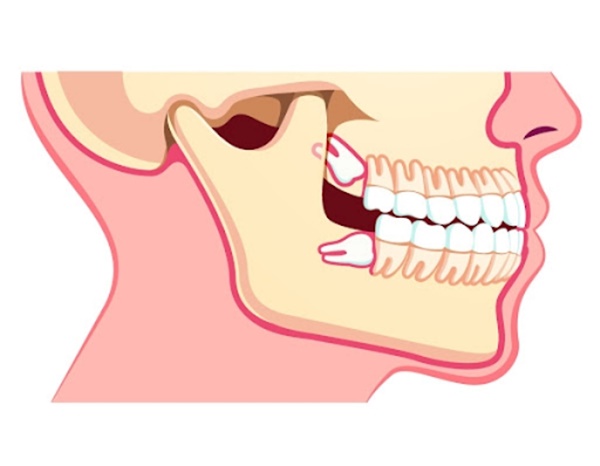
Wisdom teeth, also known as third molars, often do not have enough space to grow properly. This can result in a Impacted wisdom tooth, where the tooth becomes trapped under the gum or grows at an angle.
This condition can cause pain, swelling, and infection, and may also affect adjacent molars by creating pressure or making cleaning more difficult.
Secondary Decay Around Old Fillings
Previously treated molars are still at risk of developing new decay, especially around old or poorly fitted fillings. Over time, small gaps can form between the filling and the tooth, allowing bacteria to accumulate.
Common signs include:
- Dark lines or discoloration around fillings
- Increased sensitivity
- Recurring decay beneath restorations
This is a common reason why molars may require retreatment or replacement of existing dental work.
Tooth Loss and Bite Imbalance
The loss of a molar can significantly disrupt overall oral function. Since molars play a key role in distributing chewing forces, their absence can lead to uneven pressure across the bite.
Consequences may include:
- Reduced chewing efficiency
- Shifting of adjacent teeth into empty spaces
- Over-eruption of opposing teeth
- Jaw discomfort or fatigue
In the long term, this imbalance can contribute to problems related to the Temporomandibular Joint Disorder, affecting jaw movement and causing chronic pain.
Why Protecting Molars Is Essential
Molars, teeth number 6 and 7, are vital for chewing, jaw stability, and a balanced bite. Due to their deep position in the mouth, they are more vulnerable to decay and periodontal disease if not cared for properly. Protecting molars helps preserve overall oral function, prevent early tooth loss, and maintain facial structure.
If you experience pain, sensitivity, or damage to your molars, consulting a reputable dental clinic such as BeDental can help ensure timely diagnosis and effective treatment based on recognized dental standards.
Early Warning Signs of Molar Problems
Recognizing early warning signs helps patients protect their molars in Vietnam before minor issues become serious dental conditions. Early diagnosis also reduces treatment time and cost while preserving natural teeth. Below are the most common early symptoms to watch for:
- Tooth sensitivity when eating hot, cold, or sweet foods, often indicating early decay or enamel wear
- Pain while chewing or biting down, which may signal cracked or weakened molars
- Persistent dull ache around the back teeth, a common sign of hidden cavities in molars
- Swollen or bleeding gums near molars, suggesting gum inflammation or infection
- Food frequently getting stuck between molars, which can increase the risk of decay
- Visible dark spots or discoloration on molars, often an early sign of tooth decay
- Bad breath or unpleasant taste that does not go away, possibly caused by bacteria trapped in damaged molars
- Jaw discomfort or pressure near the molar area, sometimes linked to bite imbalance or molar damage
Identifying these early warning signs allows patients to seek timely care for their molars, helping prevent complications such as root canal infections, tooth loss, or costly restorative procedures.
How to Care for Molars Properly
Proper care for molars is essential because these teeth handle most of the chewing force and are more prone to decay due to their deep grooves. With the right daily habits and professional support, molars can remain strong and functional for many years.

- Brush at least twice a day using fluoride toothpaste, paying extra attention to the back teeth where food often gets trapped
- Use dental floss or interdental brushes daily to clean between molars and prevent plaque buildup
- Rinse with an antibacterial mouthwash to reduce bacteria around molars
- Limit sugary foods, sticky snacks, and acidic drinks that increase the risk of molar cavities
- Drink plenty of water to help wash away food particles and maintain saliva flow
- Schedule regular dental checkups in Vietnam to detect early signs of molar decay or gum disease
- Consider professional dental cleaning every six months to keep molars free from hardened plaque
- Use protective treatments such as sealants or fluoride applications if recommended by your dentist
By following these simple steps, patients can protect molars in Vietnam, reduce the need for complex treatments, and maintain long-term oral health.
See more: Do braces change the jawbone
Molars Services in Vietnam
Dental services for molars focus on preserving, restoring, and protecting the back teeth, which play a central role in chewing and maintaining a stable bite. Because molars are exposed to the highest biting forces and are more difficult to clean, they are also more vulnerable to decay, fractures, and long-term wear.
In Vietnam, dental clinics provide a wide range of treatments tailored specifically for molars. These services combine both preventive care and restorative solutions, depending on the severity of the condition. The overall goal is to maintain natural tooth structure whenever possible while restoring full function when damage occurs.
Common Dental Services for Molars in Vietnam
Treatment for molars typically depends on how early the problem is detected. Minor issues can often be managed with conservative procedures, while more advanced conditions may require complex restorative or surgical interventions.
Dental Fillings for Molars
Dental fillings are the most common solution for treating early-stage cavities in molars. Because these teeth handle significant chewing pressure, materials must be both durable and functional.
Dentists in Vietnam typically use composite resin for a more natural appearance or amalgam in cases requiring higher strength. When performed early, fillings help restore the tooth structure, prevent further decay, and maintain normal chewing ability without the need for more invasive treatment.
Root Canal Treatment for Molars

When decay or damage reaches the inner pulp of the tooth, root canal treatment becomes necessary to eliminate infection and preserve the natural molar. This procedure involves removing infected tissue, cleaning the root canals, and sealing the tooth to prevent reinfection.
Molars are more complex to treat because they often have multiple roots and curved canals. However, modern dental clinics in Vietnam use advanced technologies such as digital imaging and precision instruments to improve treatment accuracy and patient comfort. After a root canal, the tooth is usually reinforced with a crown to ensure long-term durability.
Dental Crowns for Molars
Dental crowns are used to restore molars that have been significantly weakened by decay, fractures, or previous treatments. By covering the entire tooth, a crown helps protect it from further damage while restoring its original shape and function.
Common materials include zirconia, ceramic, and metal-ceramic, each offering different advantages in terms of strength, aesthetics, and cost. Crowns are especially important for molars, as they must withstand continuous chewing pressure over time.
Inlays, Onlays, and Partial Restorations
In cases where a molar is damaged but still has enough healthy structure, dentists may recommend inlays or onlays instead of full crowns. These restorations are designed to strengthen the tooth while preserving as much natural material as possible.
Compared to traditional fillings, inlays and onlays provide a more precise fit and greater durability, making them a suitable option for moderate damage on chewing surfaces.
Tooth Extraction and Wisdom Tooth Removal
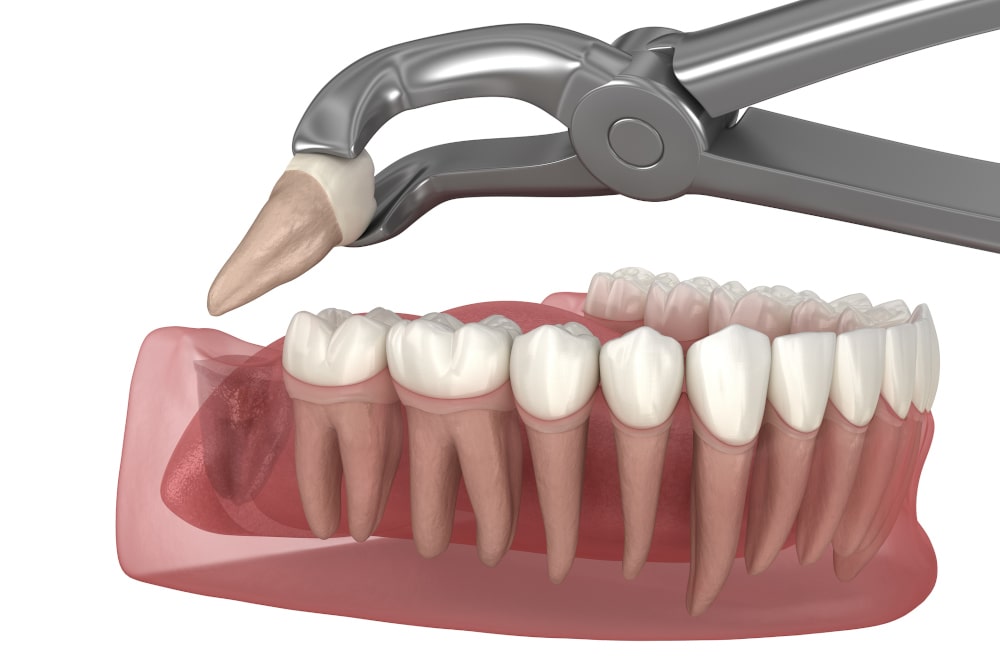
When a molar is severely damaged and cannot be restored, extraction may be necessary. This is also common for problematic wisdom teeth that grow in the wrong direction or lack sufficient space.
Depending on the case, dentists may perform a simple extraction or a minor surgical procedure. Modern dental practices in Vietnam focus on minimizing discomfort, using local anesthesia and controlled techniques to ensure patient safety and faster recovery.
Dental Implants for Missing Molars
When a molar is lost, replacing it promptly is important to maintain chewing function and prevent shifting of surrounding teeth. Dental implants are considered the most effective long-term solution, as they replace both the root and the visible crown of the tooth.
An implant integrates with the jawbone, providing strong support and helping to prevent bone loss over time. In Vietnam, implant treatments are widely available and often use internationally recognized systems at a more affordable cost compared to many other countries.
Preventive Care for Molars
In addition to treatment, preventive care plays a key role in maintaining healthy molars. Because these teeth are more prone to plaque buildup, regular monitoring and protection are essential.
Common preventive measures include:
- Routine dental check-ups and professional cleaning
- Fluoride treatments to strengthen enamel
- Dental sealants to protect deep grooves on molars
With proper care and early intervention, many serious molar problems can be avoided, reducing the need for complex and costly procedures in the future.
How Was the Services in Vietnam Compare to Other Countries
Dental services for molars—including fillings, root canal treatment, crowns, extractions, and implants—are available in many countries across Asia. However, the cost, accessibility, and treatment approach can vary widely depending on local healthcare systems, dentist training, and clinic standards.
See more: Essential tools in a dental clinic
Cost for Molar Removal and Treatment
The cost of molar removal varies depending on whether it’s a simple extraction or a surgical procedure. Impacted wisdom teeth typically cost more due to the complexity of the extraction.
In cases of decay or fracture, crowns on molars in Vietnam may be necessary to restore strength and function. Fillings or root canals may also be recommended to avoid tooth loss.
| Dental Service (Molars) | Vietnam | Thailand | South Korea | China |
|---|---|---|---|---|
| Dental Fillings (Composite) | $4–20/tooth • Composite widely used • Quick treatment (20–40 mins) | $20–60/tooth • Good quality in private clinics | $80–150/tooth • Premium materials, strict protocols | $10–50/tooth • Quality varies by clinic tier |
| Root Canal (Molars) | $130–220 • 2–3 visits • Rotary tools + digital X-ray common | $250–500 • Good tech in major cities | $800–1500 • Specialist endodontists, very precise | $150–400 • Inconsistent quality outside big cities |
| Dental Crowns (Zirconia/Ceramic) | $150–270 • Zirconia popular • 3–5 days turnaround | $300–600 • Strong private clinic network | $800–1200 • High aesthetic focus | $200–500 • Material quality varies |
| Molar Extraction (Simple → Surgical) | $40–200 • Local anesthesia • Fast recovery focus | $150–400 • Moderate pricing | $500–1500 • Hospital-grade procedures | $100–300 • Affordable but uneven quality |
| Wisdom Tooth Removal (Impacted) | $50–250 • Common procedure • Short waiting time | $200–500 | $800–2000 • Advanced imaging used | $150–400 |
| Dental Implants (Per Molar) | $500–1350 • Uses global brands (Osstem, Dentium) | $1500–3000 | $3000–6000 • Premium systems (Straumann, Nobel) | $1000–2500 |
| Treatment Time (Implant) | 3–6 months (standard protocol) | 3–6 months | 2–4 months (faster with advanced tech) | 3–6 months |
| Preventive Care (Scaling & Check-up) | $5–20 • Easy access • Walk-in friendly | $30–80 | $80–150 | $10–40 |
| Dentist Training & Expertise | Many trained abroad (EU/Korea) • Strong clinical experience | Good in private sector | Highly specialized, strict licensing | Highly variable (top-tier vs local clinics) |
| Technology Adoption | Digital X-ray, CAD/CAM, implant systems widely used | Good in urban clinics | Very advanced (AI, 3D imaging, robotics) | Mixed (modern in big cities only) |
| Waiting Time | 0–3 days (very fast scheduling) | 2–7 days | 1–3 weeks (high demand) | 0–5 days in cities |
| Medical Tourism Support | Strong (English-speaking clinics, package pricing) | Very strong (established industry) | Moderate (less tourism-focused) | Limited |
For more references, you can also check out Bedental treatment cost table:
DANH MỤC | ĐƠN VỊ TÍNH | BẢO HÀNH | GIÁ |
|---|---|---|---|
| Giá Cấy Trồng implant - Dentium ( (Tìm hiểu thêm....) Dentium Implant from USA (More detail...) | (1 trụ) | 21.000.000 ~ 825$ |
|
| Giá Cấy Trồng implant - Dentium Implant (Xem thêm...) Dentium Implant from Korea (More detail...) | (1 trụ) | 18.000.000 ~ 707$ |
|
| Giá Cấy Trồng implant - Osstem (Xem thêm...) Osstem Implant from Korea (More detail...) | (1 trụ) | 18.000.000 ~ 707$ |
|
| Giá Cấy Trồng implant - Tekka (Xen thêm...) Tekka Implant from France (More detail...) | (1 trụ) | 25.000.000 ~ 982$ |
|
| Giá Cấy Trồng implant - SIC SIC Implant from Sweden (More detail...) | (1 trụ) | 28.000.000 ~ 1100$ |
|
| Giá Cấy Trồng implant - Nobel Nobel Implant from Sweden (More detail...) | (1 trụ) | 32.000.000 ~ 1257$ |
|
| Giá Cấy Trồng implant - Neodent Straumann BLT SLA Neodent Straumann BLT SLA Implant from Sweden (More detail...) | (1 trụ) | 35.000.000 ~ 1375$ |
|
| Giá Cấy Trồng implant - Neodent Straumann BLT SLAactive Neodent Straumann BLT SLAactive Implant from Sweden (More detail...) | (1 trụ) | 39.000.000 ~ 1500$ |
|
| Giá Cấy Trồng implant - Neodent Straumann BLX Neodent Straumann Implant BLX from Sweden (More detail...) | (1 trụ) | 45.000.000 ~ 1700$ |
|
| Giá Ghép xương phục vụ Cấy implant (Xem thêm..) Bone Grafting | (1đơn vị) | 5.000.000 ~ 196$ |
|
| Giá Nâng xoang kín (Tìm hiểu thêm...) Closed Sinus Lift | (1đơn vị) | 6.000.000 ~ 236$ |
|
| Giá Nâng xoang hở (Xem thêm..) Open sinus lift | (1đơn vị) | 10.000.000 ~ 394$ |
|
| Ghép màng Xương periosteum Grafting | (1đơn vị) | 8.000.000 ~ 315$ |
|
| Màng PRF | (1 trụ) | 2.000.000 ~ 79$ |
|
| Riêng đối với dịch vụ trồng răng toàn hàm All-On-4 và All-On-6, chi phí cấy ghép Implant sẽ được tính như sau: Mức giá trồng răng toàn hàm = (Số lượng trụ Implant x giá tiền) + Hàm giả bên trên | |||
| Hàm Crom Coban - Khung đúc bằng Crom - Coban, đắp sứ trực tiếp - Sản xuất thủ công. - Nghịch từ: phải tháo ra khi chụp cộng hưởng từ | (1đơn vị) | 3 năm | 2.500.000 |
| Hàm IBar - Khung nâng đỡ bằng Titanium nguyên chất - Nền hàm, lợi giả và răng sứ bằng răng sứ không kim loại 3D Pro ML - 100% sản xuất bằng công nghệ CAD/CAM - Có thể chụp cộng hưởng từ không cần phải tháo hàm | (1đơn vị) | Theo trụ | 3.000.000 |
| Hàm G Cam | (1đơn vị) | Theo trụ | 3.000.000 |
| Hàm Thimble - Khung nâng đỡ bằng Titanium thuần chất nguyên khối - Nền và Lợi giả bằng sứ Porcein - Răng sứ không kim loại 3D Pro ML làm rời từng chiếc gắn lên khung - 100% sản xuất bằng công nghệ CAD/CAM - Có thể chụp cộng hưởng từ không cần phải tháo hàm. | (1đơn vị) | Vĩnh viễn | 4.500.000 |
| Hàm HyberDent - Khung nâng đỡ bằng Titanium thuần chất nguyên khối - Nền hàm bằng vật liệu vi đàn hồi Pekk - Lợi giả bằng composite Sofu - Răng sứ Ziconia 3D Multilayer rời từng chiếc gắn lên khung | (1đơn vị) | 20 năm | 8.000.000 |
| Hàm full Zirconia Làm toàn bộ bằng Zirconia, chỉ định hạn chế, có nguy cơ gẫy hàm. | (1đơn vị) | 10 năm | 5.000.000 |
| Hàm Ivobase - Khung nâng đỡ bằng Titanium thuần chất - Nền hàm + răng bằng sứ sinh học Sofu. | (1đơn vị) | 10 năm | 2.500.000 |
| Hàm tháo lắp trên bar - Thanh bar nâng đỡ bằng Titanium thuần chất, sản xuất CAD/CAM nguyên khối - Kẹp giữ hàm và kết nối dữ hàm bằng Titanium CAD/CAM - Nền hàm và răng sứ giống như loại hàm cố định ở trên | Theo hàm cố định | Chênh thêm 5 triệu + bảng giá hàm cố định | |
| Hàm tháo lắp trên bi - Sử dụng kết nối có sẵn của hãng Implant - Chỉ làm được hàm bằng nhựa Acrylics. (răng và nền hàm bằng nhựa Acrylics) | (1đơn vị) | 3 năm | 2.500.000 |
| Hàm tạm cố định không có khung | Miễn phí | ||
| Hàm tạm cố định có khung nâng đỡ | Miễn phí | ||
| Hàm tạm tháo lắp | Miễn phí | ||
| Nền tạm và gối sáp thử thẩm mỹ | Miễn phí | ||
| Hàm in thử thẩm mỹ | Miễn phí | ||
See more: How to deal with loose dentures
Professional Molars Care at BeDental Vietnam
At BeDental, molar health is treated as a foundation of long-term oral wellness. With experienced dentists trained in accordance with international dental standards, BeDental provides comprehensive molar care, including preventive check-ups, restorative treatments, and advanced solutions for damaged or missing molars in Vietnam.
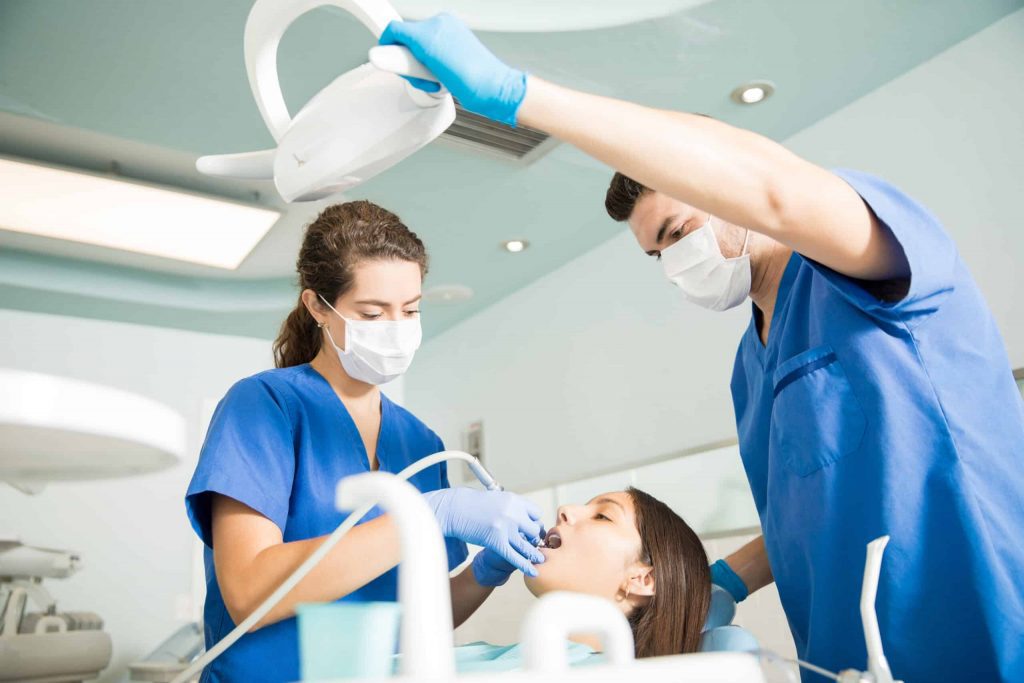
Using modern diagnostic technology and evidence-based treatment protocols recommended by dental associations, BeDental focuses on preserving natural molars in Vietnam whenever possible and restoring function safely when treatment is needed.

Tư vấn chuyên môn bài viết:
BÁC SĨ DƯƠNG THỊ THÙY NGA
BEDENTAL - TOP STANDARD DENTISTRY SYSTEM
In HANOI
Address 1: 7B Thi Sach St, Ngo Thi Nham, Hai Ba Trung Dist, Ha Noi. - 0934.61.9090
Address 2: No 129 Hoang Ngan, Yen Hoa, Cau Giay Dist, Ha Noi. - 0934.61.9090
In HO CHI MINH
Address 1: 53 -55 -57 Pho Duc Chinh St, Nguyen Thai Binh, Dist. 1, Ho Chi Minh. - 0766.00.8080
Working: 9am - 8pm everyday
Website: https://bedental.vn/en/