
Dental Knowledge
Molars restoration in Vietnam – Common Signs and Restoration Methods for Molars
Th1

Molars play a critical role in chewing, digestion, and maintaining proper bite alignment. Because these teeth absorb the strongest chewing forces, they are also the most vulnerable to decay, cracks, and long-term damage. Molars restoration in Vietnam has become an increasingly popular dental solution thanks to advanced treatment options, skilled dentists, and affordable costs, helping patients restore function and oral health effectively.
What Is Molars Restoration?
Molars restoration refers to a group of modern dental treatments designed to repair, strengthen, or replace damaged back teeth (molars) in order to restore proper chewing function, bite balance, and long-term oral health. Molars are responsible for nearly 70% of chewing force, making their restoration essential for daily eating and overall digestive health.
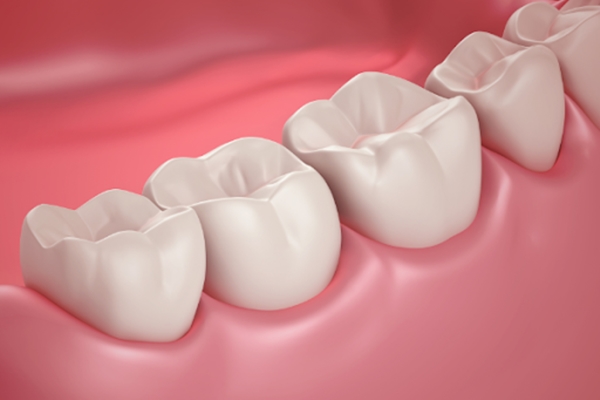
According to the World Dental Federation (FDI) and regional dental associations in Southeast Asia, untreated molar damage is one of the leading causes of tooth loss in adults. Because molars are located at the back of the mouth, early signs of damage are often overlooked until pain or infection develops.
See more: Function of a removable dental appliance
Why Molars Are More Prone to Damage
Molars have deep grooves and pits that easily trap food and bacteria, making them more susceptible to cavities. In addition, molars endure constant pressure from chewing hard or sticky foods.
This pattern is consistent globally; however, studies from Asian dental associations indicate higher rates of untreated molar decay in developing regions due to delayed checkups. In contrast, molars restoration in Vietnam has improved early intervention rates due to lower costs and widespread access to restorative services. Without timely treatment, minor damage can develop into severe infections or tooth loss.
Why Molars Often Need Restoration
Molars are structurally strong, but they are also the most vulnerable teeth in the mouth due to their function and location. Data from national dental health surveys in Asia indicate that molars are the most commonly treated teeth for cavities and fractures among adults over the age of 25.
The restoration process typically begins with digital X-rays or 3D imaging, similar to protocols in advanced clinics in Europe and North America. Treatment timelines vary depending on complexity.
Tooth decay and deep cavities
Molars have grooves and pits that easily trap food and bacteria. According to dental associations, over 80% of cavities in adults begin on molar surfaces, making molars restoration in Vietnam a common necessity.
Cracks and fractures from chewing pressure
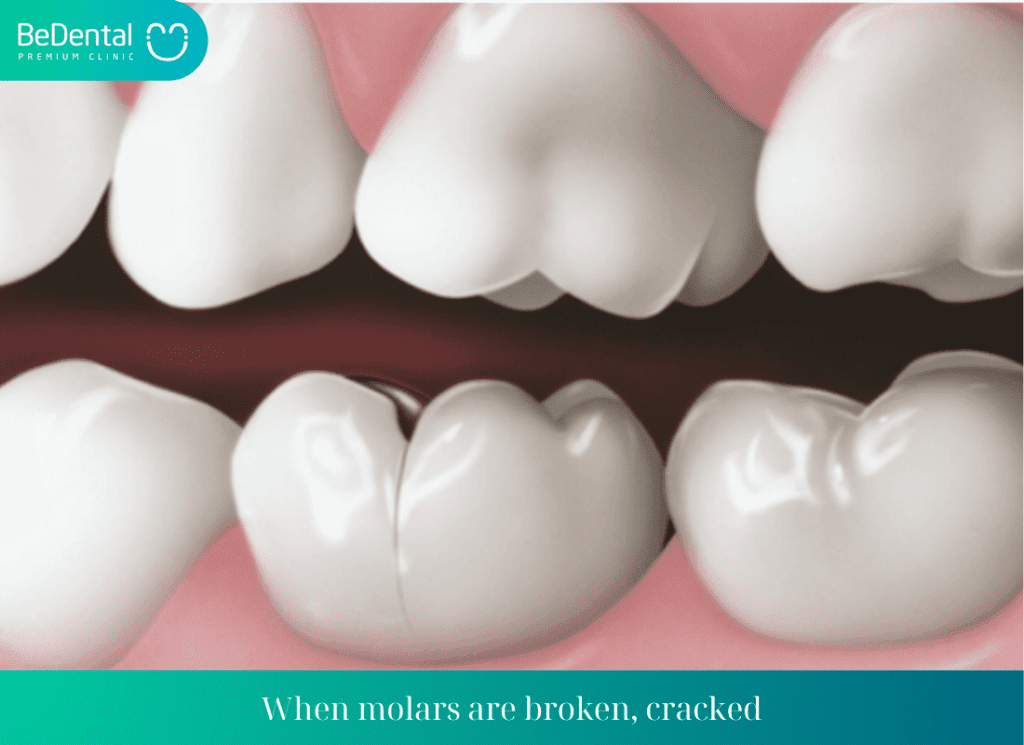
Molars endure constant pressure from chewing hard foods. Repeated stress can cause cracks that weaken the tooth structure and require professional restoration.
Tooth wear from grinding or clenching
Bruxism is increasingly common due to stress and lifestyle factors. Dental research shows that chronic grinding significantly accelerates molar wear, often leading to the need for molar restoration in Vietnam at a younger age.
Failed or outdated dental fillings
Older amalgam or composite fillings may break down over time. When fillings fail, bacteria can re-enter the tooth, increasing the risk of infection and further damage.
Untreated gum disease affecting molars
Periodontal disease often begins around molars, leading to bone loss and tooth instability if not addressed early.
See more: How much does a root canal cost
Common Signs You Need Molars Restoration
Patients often ignore early warning signs because molars are located at the back of the mouth.
You may need molars restoration if you experience:
- Pain when chewing
- Tooth sensitivity to hot or cold
- Food getting stuck between back teeth
- Bad breath from bacterial buildup
- Cracked or broken molars
- Swollen gums around molars
- Difficulty chewing
- Jaw discomfort or imbalance
Early diagnosis significantly improves treatment outcomes and reduces overall costs for molars restoration in Vietnam.
To provide a clearer picture of the clinical reality of molar health in Vietnam, BeDental has compiled key data from over 5,000 molar-related cases treated across our systems in the past year:
-
Primary Cause of Restoration: 68% of patients required molar restoration due to untreated deep cavities that had progressed because they were mistaken for “minor issues” in the early stages
Molars Restoration Methods and Their Benefits in Vietnam
Molars restoration in Vietnam is not a one-size-fits-all treatment. Because molars are responsible for the majority of chewing force and are often affected by decay, fractures, or infection, dentists must carefully select the most appropriate restoration method based on the severity of damage, tooth vitality, and the patient’s long-term oral health needs.
Modern dental clinics in Vietnam offer a full range of molars restoration solutions, from conservative treatments that preserve natural tooth structure to advanced options for replacing severely damaged or missing molars.
| Restoration Method | Patients Who Typically Need It | Main Benefits |
|---|---|---|
| Dental fillings | Patients with mild to moderate cavities and intact tooth structure | Restores tooth shape, stops decay progression, preserves natural tooth |
| Inlays / Onlays | Patients with larger cavities not suitable for regular fillings | Stronger than fillings, precise fit, preserves more tooth structure |
| Dental crowns | Patients with heavily damaged, cracked, or weakened molars | Restores full strength, protects tooth from further damage |
| Root canal treatment + crown | Patients with infected or dead molar pulp but healthy roots | Saves natural tooth, eliminates infection, restores chewing function |
| Dental implants | Patients with missing molars and sufficient jawbone | Replaces tooth and root, prevents bone loss, long-term stability |
| Dental bridges | Patients missing molars who are not suitable for implants | Restores chewing ability, faster solution than implants |
The Molars Restoration Process
The process usually begins with a comprehensive examination, including X-rays or 3D imaging to assess the extent of damage. Dentists then recommend the most suitable restoration plan based on oral health, budget, and long-term goals.
Treatment timelines vary depending on the method used. Simple restorations such as fillings may be completed in one visit, while implants or crowns may require multiple appointments. Clinics specializing in molars restoration in Vietnam prioritize precision and comfort, ensuring predictable outcomes.
What Happens If Molars Are Not Restored?
Ignoring damaged or missing molars can lead to progressive decay, severe infections, jawbone deterioration, and bite imbalance. Over time, untreated molar problems may affect speech, facial structure, and overall quality of life.
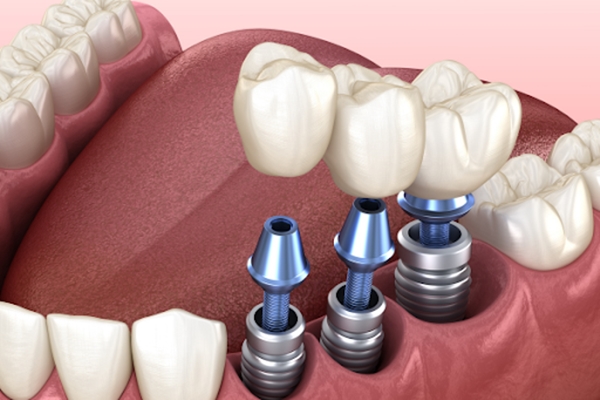
Delaying treatment often results in more complex procedures and higher costs, making early molars restoration in Vietnam a wise long-term investment.
Aftercare and Maintenance for Molars Restoration
Proper aftercare plays a crucial role in extending the lifespan and effectiveness of molars restoration. Dental associations emphasize that restored molars require the same, or even greater, level of care as natural teeth to maintain chewing function and prevent future complications.
Following professional aftercare guidelines helps ensure long-term stability, comfort, and oral health.
See more: Wisdom teeth are not fully extracted
Daily oral hygiene practices
- Brush at least twice a day using a soft-bristled toothbrush to protect both natural enamel and restored molars
- Use fluoride toothpaste to strengthen tooth structure and reduce the risk of secondary decay around restored areas
- Floss daily to remove food debris and plaque buildup between molars, where restorations are most vulnerable
Dietary considerations after treatment
- Avoid chewing very hard foods such as ice, bones, or hard candies, especially during the first few weeks after molars restoration in Vietnam
- Limit sticky foods that can place excessive stress on crowns, inlays, or fillings
- Reduce sugar and acidic food intake to protect restored teeth from decay and enamel erosion
Habits to avoid
- Do not use restored molars to open packaging or bite non-food objects
- If you grind your teeth at night, wear a custom night guard as recommended by your dentist to protect restorations from excessive force
Regular dental checkups
- Schedule routine dental examinations every 6 months to monitor the condition of your restored molars
- Professional cleanings help remove plaque around restorations and detect early signs of wear or damage
- X-rays may be recommended periodically to ensure the underlying tooth structure remains healthy
Long-term care and durability
- Well-maintained restorations from molars restoration in Vietnam can last many years when proper care is followed
- Promptly report any discomfort, looseness, or sensitivity to your dentist to prevent minor issues from becoming serious problems
Patients can maximize the success of molars restoration in Vietnam, preserve strong chewing function, and maintain long-term oral health with confidence.
See more: What is vecni flour how to use it
Cost Factors of Molars Restoration in Vietnam
When considering molars restoration in Vietnam, the overall treatment cost will depend on:
- The type of restoration needed (filling, root canal, crown, implant)
- The severity of tooth damage and number of canals in a molar
- The materials used (e.g., basic porcelain vs high-strength zirconia)
- The clinic’s technology and expertise
Dental Fillings (Restoration of Molar Cavities)
- Composite fillings for molars can range from about USD 20–60 per tooth depending on the size and location of the cavity, while similar treatments in the US may cost USD 150–400 per tooth.
- Very simple cavity fillings in community clinics may be lower USD 6–20 per tooth, while larger restorations or inlay/onlay porcelain fillings can cost up to USD 120 per molar.
Root Canal Treatment (Endodontics Therapy) for Molars
Root canal therapy is often necessary before restoring a damaged molar, especially if the pulp is infected:
- Basic root canal for molars often starts around USD 9–12 per tooth in many Vietnamese clinics, compared to USD 800–1,500 in the US.
- In more advanced or specialized clinics, molar endodontic treatment is commonly priced from USD 80–180 per molar (higher if the infection is severe or if retreatment is needed).
Dental Crowns (Restoring Molar Strength and Shape)
Crowns are often used after root canal treatment or when the molar is heavily damaged:
- Basic metal–porcelain crowns (such as titanium-based crowns) generally cost around USD 80–140 per tooth.
- High-quality ceramic or zirconia crowns range from approximately USD 140–320 per tooth, depending on the material, warranty, and clinic standards.
In contrast, similar zirconia crowns in Australia or Europe often exceed USD 1,200 per tooth.
Dental Implants (Replacement for Missing Molars)
When a molar cannot be preserved, dental implants are considered the most advanced restorative option:
- Dental implants in Vietnam typically range from USD 520–1,400 per tooth.
- The cost varies based on the implant brand (Korean, European, or Swiss), the type of crown used, and whether additional procedures such as bone grafting or sinus lifting are required.
For comparison, the same dental implant treatment in many Western countries may cost USD 3,000–5,000 per tooth.
See more: 6 advantages of dental implants
Why Choose Molars Restoration in Vietnam?
When considering molars restoration, many patients compare dental services across different countries to evaluate treatment quality, safety standards, and overall value. Factors such as dentist expertise, technology, treatment protocols, and cost can vary significantly depending on location.
In recent years, molars restoration in Vietnam has gained strong attention from both local and international patients due to its combination of modern dental technology, experienced clinicians, and more affordable pricing compared to many developed countries.
| Country | Cost Level | Technology & Expertise | Accessibility | Overall Value |
|---|---|---|---|---|
| Vietnam | Low to moderate | Modern equipment, experienced dentists | High, short waiting time | Excellent balance of quality and affordability |
| Thailand | Moderate | Advanced dental tourism infrastructure | High, tourist-oriented clinics | High quality, higher cost than Vietnam |
| South Korea | High | Cutting-edge technology, strong specialization | Moderate, higher cost | Premium quality, expensive |
| China | Moderate | Wide quality range depending on city | High in major cities | Variable quality, cost-effective in large hospitals |
| Australia / Europe | Very high | Advanced standards and strict regulation | Moderate | High quality, very high cost |
Lan’s Experience of Molars Restoration in Vietnam
Lan, a 35-year-old office worker from Ho Chi Minh City, had been struggling with chewing discomfort for years due to worn and cracked back teeth. Like many patients, she underestimated the importance of molars until daily meals became painful. After a thorough consultation, her dentist recommended molars restoration as a long-term solution to protect the damaged teeth and restore proper chewing function.
Lan chose a reputable clinic that specialized in molars restoration in Vietnam, where digital scans and durable crown materials were used to strengthen her molars without affecting surrounding teeth. The treatment was completed smoothly, and within weeks she noticed a clear improvement in bite balance and comfort.
Today, Lan enjoys eating normally again and feels more confident about her oral health, proving that timely molars restoration in Vietnam can significantly improve quality of life and prevent further dental complications.
Why Bedental Is a Leading Clinic for Molars Restoration in Vietnam
Bedental is a modern dental clinic in Vietnam specializing in comprehensive molars restoration with a strong focus on durability, function, and long-term oral health. Using advanced diagnostic technology and high-quality restorative materials, Bedental provides personalized treatment plans for molar fillings, crowns, root canal therapy, and dental implants.

With transparent pricing, experienced dentists, and patient-centered care, Bedental has become a reliable choice for both local and international patients seeking safe and effective molars restoration in Vietnam.

Tư vấn chuyên môn bài viết:
BÁC SĨ DƯƠNG THỊ THÙY NGA
BEDENTAL - TOP STANDARD DENTISTRY SYSTEM
In HANOI
Address 1: 7B Thi Sach St, Ngo Thi Nham, Hai Ba Trung Dist, Ha Noi. - 0934.61.9090
Address 2: No 129 Hoang Ngan, Yen Hoa, Cau Giay Dist, Ha Noi. - 0934.61.9090
In HO CHI MINH
Address 1: 53 -55 -57 Pho Duc Chinh St, Nguyen Thai Binh, Dist. 1, Ho Chi Minh. - 0766.00.8080
Working: 9am - 8pm everyday
Website: https://bedental.vn/en/