

 English
 한국어
한국어 日本語
日本語 中文 (中国)


Retainers in Vietnam: Orthodontic treatment does not end when braces are removed. After months or years of moving teeth into their ideal positions, patients must wear retainers to maintain the results. In Vietnam, orthodontists strongly emphasize the use of retainers because teeth naturally tend to shift back toward their original positions if they are not stabilized.
Retainers are orthodontic appliances designed to hold teeth in their new alignment after braces or clear aligner treatment. Without proper retainer use, patients may experience orthodontic relapse, meaning their teeth gradually move back to their previous misaligned positions.
This article explains what retainers are, the types of retainers commonly used in Vietnam, their cost, and how patients should care for them after orthodontic treatment.
What Are Orthodontic Retainers?
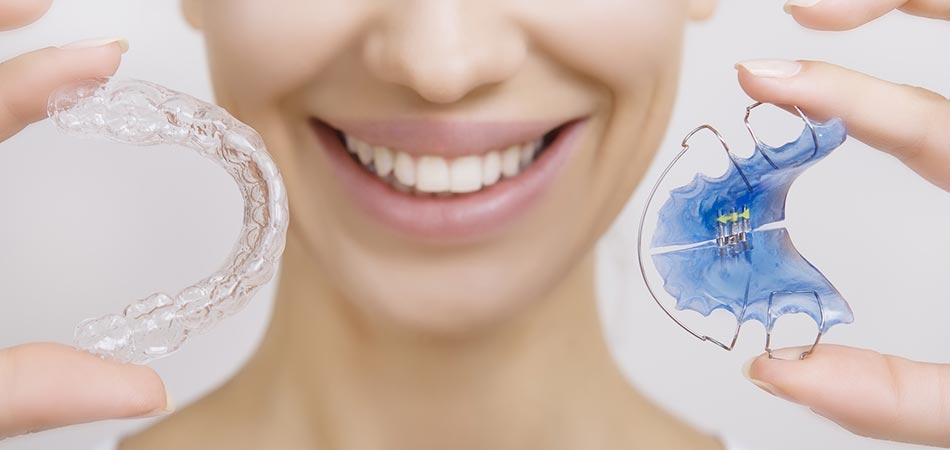
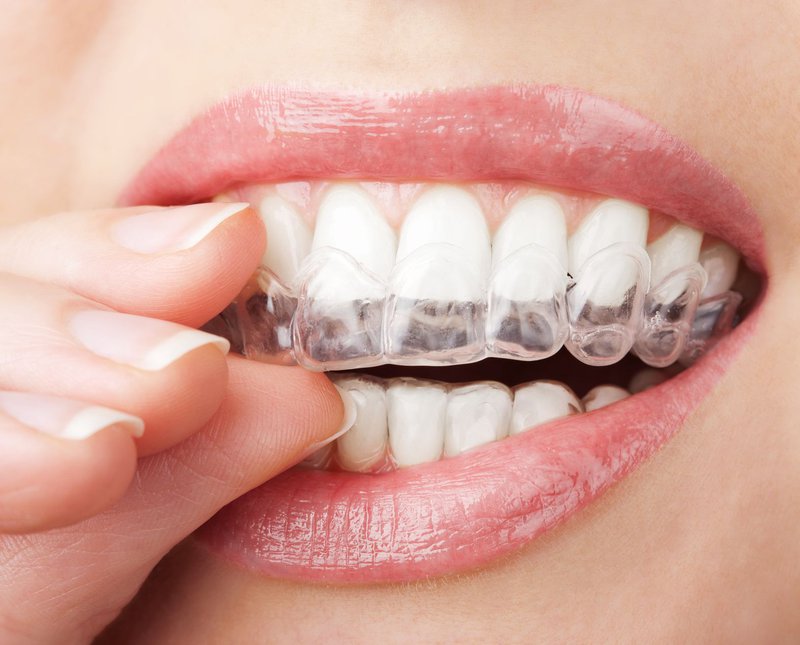
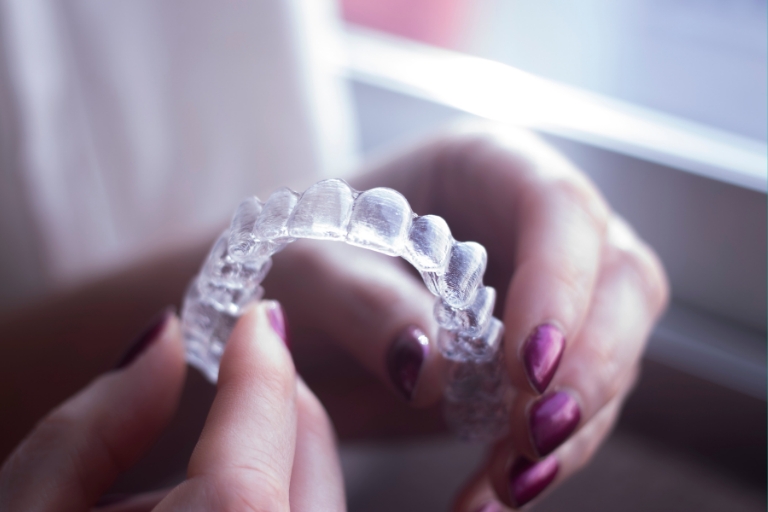
Orthodontic retainers are custom-made dental appliances used after braces or clear aligners. Their primary purpose is to prevent teeth from shifting back after orthodontic treatment.
During orthodontic treatment, braces gradually move teeth through the bone. However, the bone and surrounding tissues need time to stabilize around the new tooth positions. Retainers hold the teeth in place while this stabilization occurs.
Most orthodontists recommend wearing retainers for at least several months to a few years, and in many cases patients are advised to wear them long-term at night to maintain the orthodontic result.
See more: Does getting braces hurt? Which stage is the most painful?
Types of Retainers Used in Vietnam
Dental clinics in Vietnam typically offer several types of retainers depending on the patient’s orthodontic condition, lifestyle, and aesthetic preference. The three most common options are clear plastic retainers, Hawley retainers, and fixed retainers.
Below is a comparison of these retainer types along with their relative popularity at BeDental based on typical orthodontic cases and patient preferences.
| Type of Retainer | Description | Advantages | Limitations | Popularity at BeDental (Estimated) |
| Clear Plastic Retainers | Transparent plastic trays custom-made to fit over the teeth. They look similar to clear aligners and are removable. | Nearly invisible when worn; comfortable and smooth; easy to remove for eating and brushing. | Can crack, warp, or wear out over time; may need replacement every 1–2 years depending on use. | Most popular – about 55–60% of patients choose this option, especially adults and patients who prioritize aesthetics. |
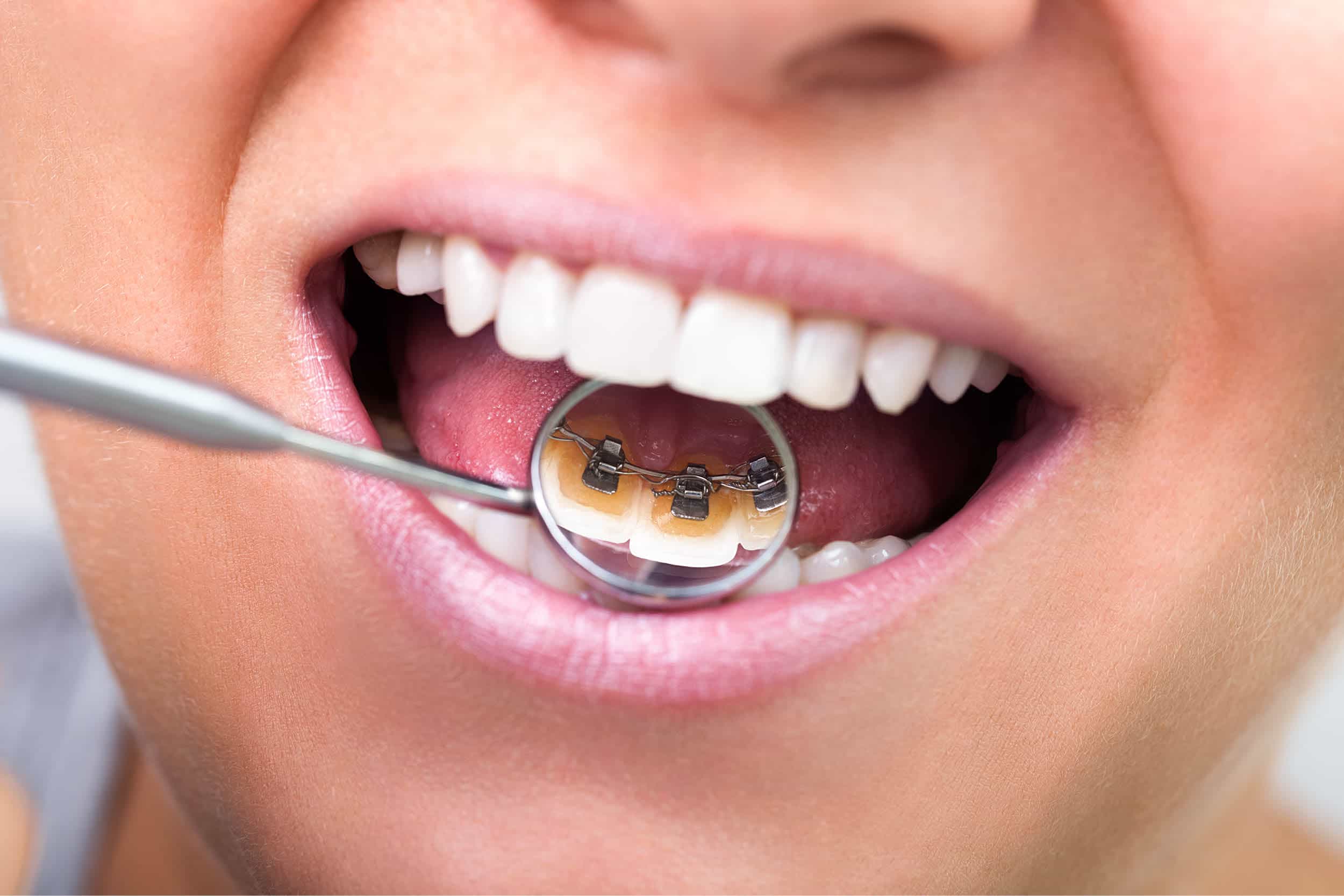
| Hawley Retainers | Traditional retainers made from an acrylic base with a metal wire across the front teeth. They are removable and adjustable by orthodontists. | Very durable; can last many years; orthodontists can adjust the wire to maintain alignment. | More visible because of the metal wire; slightly bulkier and may feel less comfortable initially. | Moderately used – about 15–20% of patients, often recommended for younger patients or those needing adjustable retention. |
| Fixed Retainers (Bonded Retainers) | A thin metal wire permanently bonded to the back of the front teeth, usually the lower teeth. It remains in place continuously. | Completely invisible from the front; no need to remember to wear it; provides continuous stabilization of teeth. | Requires careful oral hygiene; plaque and food can accumulate around the wire; may occasionally need repair if the bond loosens. | Very common as a complementary retainer – about 30–40% of patients receive fixed retainers, especially for the lower front teeth where relapse is common. |
Cost of Retainers in Vietnam
The cost of orthodontic retainers in Vietnam depends on the type of retainer, the dental clinic, and the materials used. In general, retainers in Vietnam are significantly more affordable than in many Western countries.
Most orthodontic clinics in Vietnam also include one set of retainers in the total cost of braces treatment, while additional or replacement retainers require an extra fee.
| Country | Clear Retainer | Hawley Retainer | Fixed Retainer | Notes |
| Vietnam | $50 – $150 | $80 – $200 | $100 – $250 | Lower dental service costs and competitive dental market. |
| United States | $150 – $400 | $250 – $500 | $300 – $600 | Higher labor costs and dental service fees. |
| United Kingdom | $120 – $350 | $200 – $450 | $250 – $500 | Prices vary depending on private dental clinics. |
| Australia | $150 – $400 | $250 – $500 | $300 – $550 | Orthodontic aftercare often requires private payment. |
| Canada | $150 – $350 | $250 – $450 | $300 – $550 | Retainers sometimes included in orthodontic packages but replacements are costly. |
How Long Should Retainers Be Worn?
The duration of retainer use varies depending on the patient’s orthodontic condition.
Most orthodontists recommend the following schedule:
| Stage After Braces | Retainer Wearing Time | Explanation |
| First 1–3 months | Wear retainers 20–22 hours per day (remove only when eating or brushing teeth). | This is the most critical stabilization period. The bone and surrounding gum tissue are still adjusting to the new tooth positions, and teeth can shift quickly if retainers are not worn consistently. |
| 3–6 months after braces | Wear retainers 12–16 hours per day, usually during evenings and while sleeping. | By this stage, the teeth begin to stabilize, but there is still a significant risk of relapse if retainers are not used regularly. Nighttime wear plus several hours during the day is commonly recommended. |
| 6–12 months after braces | Wear retainers every night while sleeping (about 8–10 hours). | The surrounding bone becomes more stable, but teeth can still gradually move due to natural forces from chewing, tongue pressure, and facial muscles. Nighttime retention helps maintain alignment. |
| After 1 year | Wear retainers 3–5 nights per week. | Most orthodontic relapse occurs within the first year. After this period, wearing retainers several nights per week is usually enough to maintain results. |
| Long-term maintenance (2+ years) | Wear retainers 1–3 nights per week indefinitely. | Teeth can shift throughout life due to aging, jaw changes, and natural tooth movement. Occasional retainer use helps maintain long-term orthodontic stability. |
Because teeth can shift throughout life due to aging and natural changes in the jaw, many orthodontists recommend long-term nighttime retainer use.
See more: Braces near me in Vietnam
Why Retainers Are Important After Braces
Retainers play a critical role in preserving the results of orthodontic treatment.
Preventing Orthodontic Relapse
One of the main reasons retainers are necessary is to prevent orthodontic relapse. This happens when teeth begin to move back toward their original positions after braces are removed. Relapse can occur within the first few months if retainers are not worn consistently, especially in cases that involved severe crowding, spacing, or bite correction.
Based on internal follow-up observations at BeDental, approximately 32% of patients who reported irregular retainer use in the first year after braces showed some degree of unwanted tooth movement. In contrast, patients who followed their retainer instructions consistently were much more likely to maintain stable alignment.
Stabilizing Bone and Gum Tissue
After orthodontic treatment, the bone surrounding the teeth needs time to remodel and become stable in the new position. The gum tissue and supporting fibers also need time to reorganize. Retainers help hold the teeth in place during this important healing and stabilization phase.
According to BeDental’s internal retention monitoring data, nearly 68% of post-braces patients required close retainer supervision during the first 6 to 12 months, which is the period when teeth are considered most vulnerable to minor shifting. This is why orthodontists often recommend full-time retainer wear at the beginning, followed by nighttime use later.
Protecting the Investment in Orthodontic Treatment
Braces often require one to two years of active treatment, along with regular appointments, time, and financial commitment. Wearing retainers helps protect that investment by preserving the final result and reducing the risk of needing retreatment in the future.
At BeDental, internal patient counseling records showed that around 74% of patients viewed retainers as an essential part of treatment once they understood that post-braces relapse could lead to additional correction costs and longer treatment time later. Patients who wore retainers as instructed were also less likely to return with complaints about teeth shifting after braces removal.
See more: Orthodontic Treatment in Vietnam
Why Choose BeDental for Retainers in Vietnam?
After completing orthodontic treatment, retainers play a crucial role in maintaining the alignment achieved through braces or clear aligners. Without proper retention, teeth may gradually shift back toward their original positions. For patients seeking retainers in Vietnam, choosing a dental clinic with strong orthodontic expertise and structured follow-up care is essential.
Specialized Orthodontic Expertise for Retention at BeDental
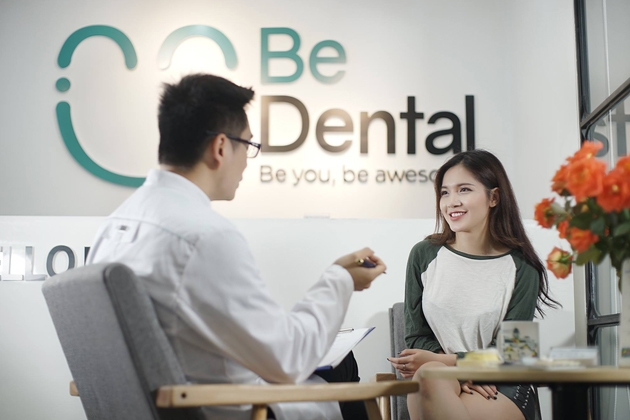
Retention is not simply about providing a retainer device; it requires careful evaluation of the patient’s orthodontic history, bite stability, and long-term relapse risk. At BeDental, retainer planning is supervised by orthodontic specialists experienced in both braces treatment and post-treatment stabilization.
Orthodontic studies suggest that 20–30% of orthodontic patients experience some degree of relapse if retainers are not worn properly. Because of this, BeDental focuses on creating personalized retention strategies, which may include clear retainers, Hawley retainers, or fixed retainers depending on the patient’s clinical needs.
High-Quality Retainer Fabrication and Transparent Pricing
At BeDental, retainers are produced using digital intraoral scanning and modern orthodontic fabrication technologies, allowing dentists to capture precise 3D models of the teeth. Digital scanning can improve fit accuracy by up to 30–40% compared with traditional dental impressions, helping ensure that retainers maintain tooth alignment effectively after braces.
The clinic also follows a transparent pricing model, allowing patients to clearly plan their orthodontic aftercare costs. In many orthodontic treatment packages:
- The first set of retainers is included in the total braces treatment fee.
- Replacement retainers typically cost $50–$150 for clear retainers and $100–$250 for fixed retainers, which is significantly lower than in many Western countries where replacements can cost $200–$600.
For patients who require additional retainers for long-term use, BeDental can prepare multiple retainer sets in advance. Studies show that 10–20% of patients lose or damage their retainers within the first year, so having backup retainers is particularly useful for patients who travel frequently or live abroad.
Convenient Retainer Services for International Patients
Vietnam has become an increasingly popular destination for orthodontic care. Global dental tourism research shows that cross-border dental treatment has been growing by approximately 15–20% annually, with many international patients traveling to Southeast Asia for high-quality yet affordable dental services.
At BeDental, international patients receive dedicated support throughout the retainer and orthodontic aftercare process.
Services for overseas patients include:
- online consultations for retainer assessment, helping patients determine whether a replacement retainer is needed before traveling
- digital dental scans that enable precise retainer fabrication
- multilingual communication support for international patients
- flexible appointment scheduling designed to align with travel plans
For patients who completed orthodontic treatment in Vietnam but later return to their home countries, the clinic can prepare two or three retainer sets before departure. This approach helps ensure continuity of orthodontic care and reduces the need for frequent international travel for retainer replacements.
Conclusion
Retainers are an essential part of orthodontic treatment in Vietnam, helping maintain the alignment achieved after braces or clear aligners. Whether using clear retainers, Hawley retainers, or fixed retainers, patients must wear them consistently to prevent teeth from shifting back.
With affordable pricing, modern dental technology, and experienced orthodontists, Vietnam offers reliable retainer options that help patients protect their orthodontic results for the long term. Proper retainer use and regular dental follow-up ensure that the benefits of orthodontic treatment can last for many years.