

 English
 한국어
한국어 日本語
日本語 中文 (中国)


Should extra teeth get braces or crowns in Vietnam? Dental problems related to extra teeth, irregular tooth shapes, or spacing issues are relatively common. Many patients with these conditions wonder whether orthodontic treatment such as braces or restorative solutions like dental crowns are the best way to improve their smile and oral function.
In Vietnam, modern dental clinics offer several treatment options to address these concerns. Choosing between braces and crowns depends on the underlying dental condition, aesthetic goals, and long-term oral health considerations.
This article explains when braces or crowns are recommended for extra teeth and what patients should expect when seeking treatment in Vietnam.
1. Braces vs. Crowns: What Is the Difference?
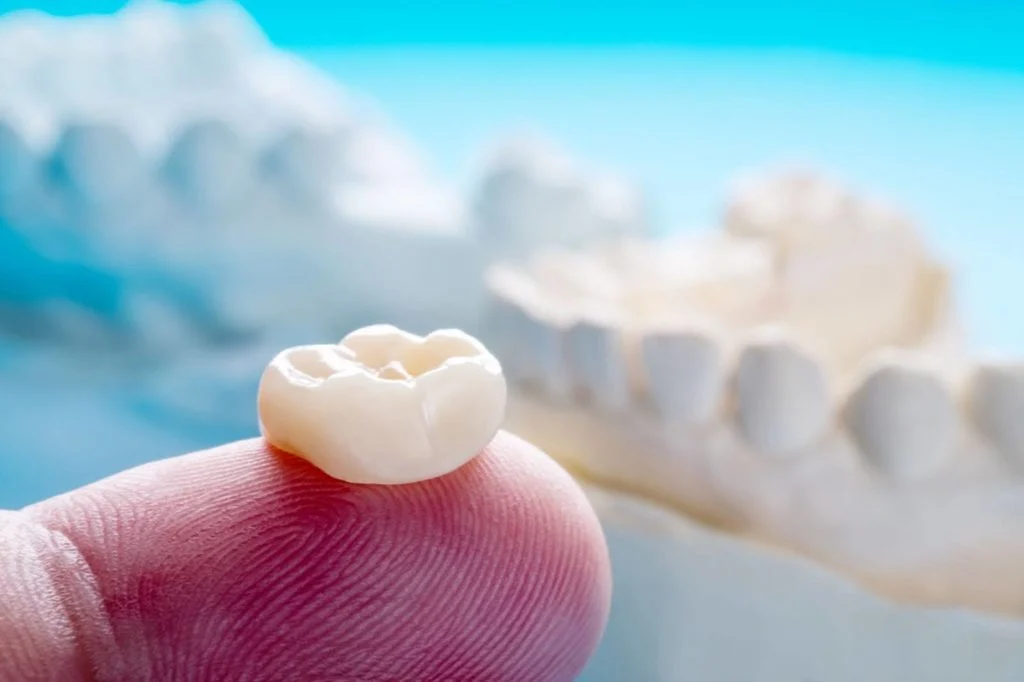
Braces and crowns serve different purposes in dentistry.
| Treatment | Purpose | When It Is Used |
| Braces (Orthodontics) | Gradually move teeth into the correct position | Used to correct misalignment, crowding, spacing, and bite problems |
| Dental Crowns | Cover and reshape an existing tooth | Used when a tooth is damaged, weak, or aesthetically irregular |
Because these treatments have different goals, dentists choose the most suitable option based on the patient’s dental condition.
See more: Braces near me in Vietnam
2. Should Extra Teeth Get Braces or Crowns in Vietnam?
When dealing with extra teeth or irregular dental structures, dentists may recommend either orthodontic treatment (braces) or restorative treatment (dental crowns) depending on the underlying dental issue. Braces focus on correcting tooth alignment and bite relationships, while crowns primarily improve tooth structure, strength, and appearance.
The following table compares the situations in which each treatment is typically recommended, along with their advantages and treatment characteristics.
| Treatment | When It Is Recommended | Common Dental Situations | Key Advantages | Typical Treatment Time |
| Braces (Orthodontic Treatment) | Braces are recommended when extra teeth affect tooth alignment or bite function. Orthodontic treatment gradually moves teeth into the correct positions, improving spacing and creating a balanced bite. In many cases, the extra tooth is first extracted to create space before orthodontic treatment begins. | Crowding caused by extra teeth
Gaps between teeth due to abnormal eruption Teeth erupting in the wrong position Bite misalignment such as overbite, underbite, or crossbite |
Corrects the root cause of alignment problems
Improves both aesthetics and chewing function Provides long-term stability and balanced bite relationships Preserves the natural tooth structure without reshaping teeth |
Typically 12–24 months depending on case complexity |
| Dental Crowns | Dental crowns are recommended when the main problem involves tooth structure rather than tooth position. Crowns cover and reshape a tooth to restore its strength, size, or appearance without moving the tooth. | Teeth that are unusually small or peg-shaped
Teeth with severe wear or structural damage Cosmetic improvement when alignment is already acceptable Teeth requiring reinforcement after significant damage or treatment |
Provides faster aesthetic improvement
Strengthens weakened or damaged teeth Improves tooth shape, size, and color Often completed in a short period of time |
Usually 1–2 dental visits |
3. Cost Comparison in Vietnam vs Other Countries
The cost of orthodontic and restorative dental treatments varies significantly depending on the country, dental clinic technology, materials used, and professional expertise of the dentist. In Vietnam, both braces and dental crowns are generally much more affordable than in many Western countries, while still offering modern treatment techniques and internationally recognized materials.
Below is a comparison of common treatments used for managing extra teeth or related dental issues.
See more: Does getting braces hurt? Which stage is the most painful?
| Treatment | Average Cost in Vietnam (USD) | Average Cost in US / Australia (USD) | Typical Treatment Time |
| Metal braces | $1,000 – $1,800 | $3,500 – $6,000 | 18 – 24 months |
| Ceramic braces | $1,600 – $2,400 | $4,000 – $7,000 | 18 – 24 months |
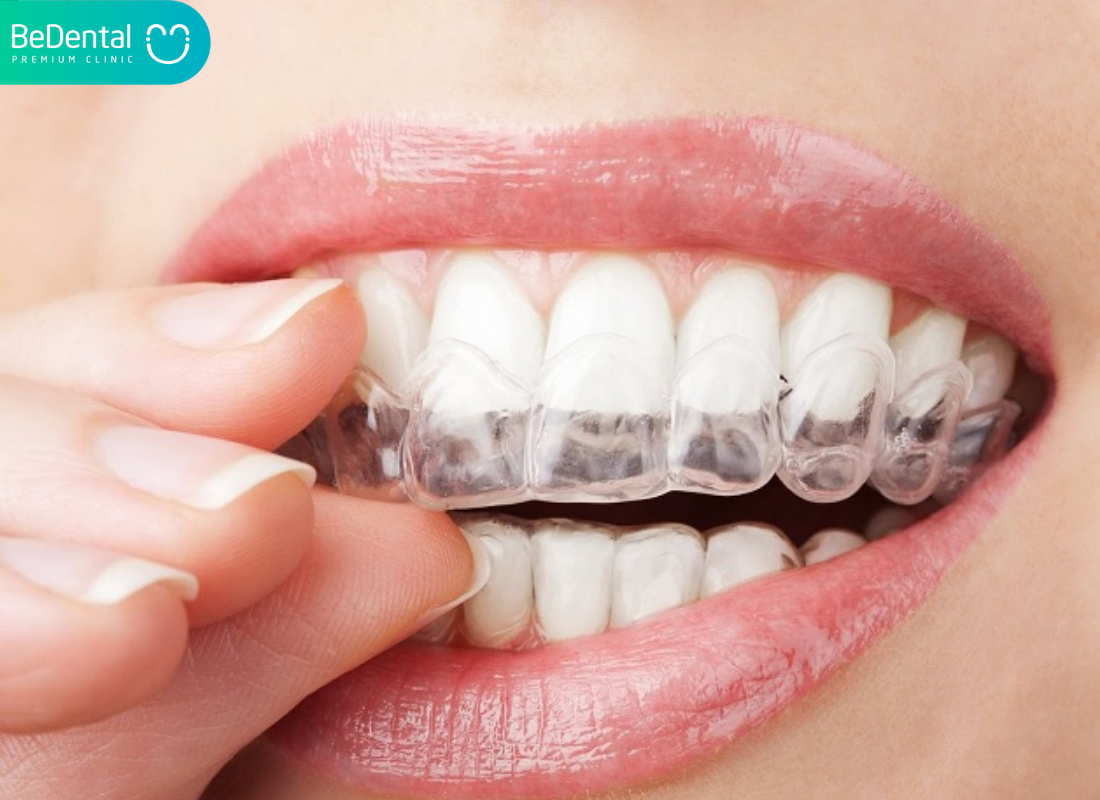
| Clear aligners | $2,000 – $5,200 | $4,500 – $8,500 | 12 – 24 months |
| Porcelain crown (per tooth) | $200 – $600 | $900 – $1,800 | 1 – 2 visits |
In many cases, dental treatments in Vietnam can cost 50–70% less than in countries such as the United States, the United Kingdom, or Australia. This price difference is mainly due to several economic and structural factors, including lower labor costs, reduced clinic operating expenses, and a highly competitive dental market.
Despite the lower treatment costs, many dental clinics in Vietnam use advanced diagnostic technologies such as digital intraoral scanning, CBCT imaging, and computer-assisted treatment planning. These technologies allow dentists to diagnose dental conditions accurately and develop effective treatment plans similar to those used in international dental centers.
As a result, Vietnam has become an increasingly popular destination for dental tourism, with international patients traveling to cities like Hanoi, Ho Chi Minh City, and Da Nang to receive high-quality dental care at significantly lower prices.
4. Factors Dentists Consider Before Choosing Treatment
Before recommending braces or crowns, dentists carefully evaluate several important factors. This helps ensure that the treatment is not only effective in improving appearance, but also appropriate for the patient’s oral health, bite function, and long-term dental stability.
| Factor | Why It Matters |
| Tooth alignment | The position of the teeth helps determine whether orthodontic treatment is necessary. If the teeth are crowded, spaced, rotated, or unevenly positioned, braces may be the better option because they correct the underlying alignment problem rather than simply covering it. |
| Tooth structure | The overall condition and strength of the tooth are very important. Teeth that are cracked, heavily filled, worn down, or structurally weak may require crowns to restore their shape, function, and protection. |
| Bite function | Dentists also examine how the upper and lower teeth come together when the patient bites or chews. If there is an overbite, underbite, crossbite, or uneven bite contact, braces may be needed to correct these functional problems and improve long-term oral health. |
| Patient age | Age can influence the treatment approach. Younger patients often respond well to orthodontic treatment because their teeth and jaw structures are still developing, while adults may require more detailed planning depending on their dental condition. |
| Aesthetic goals | Some patients want the most natural and conservative solution, while others prefer faster cosmetic improvement. This affects whether the dentist recommends braces for gradual correction or crowns for quicker changes in shape and appearance. |
A comprehensive dental examination helps determine the most suitable treatment plan.
See more: Orthodontic Treatment in Vietnam
5. Why Choose BeDental for Braces in Vietnam?
Specialized Orthodontic Expertise at BeDental

Orthodontic treatment at BeDental is led by certified specialists experienced in both routine alignment and complex bite correction. Each treatment plan is customized based on facial structure, dental condition, bite function, and lifestyle needs—rather than applying a one-size-fits-all approach.
Malocclusion affects approximately 60–75% of adolescents worldwide, with 20–30% requiring comprehensive orthodontic care. BeDental’s team is trained to manage cases ranging from mild crowding to severe malocclusion, including deep bite, open bite, and crossbite.
Transparent Pricing and Long-Term Treatment Support
BeDental applies an international-standard cost management model, helping patients clearly plan their orthodontic investment. Most services are eligible for dental insurance coverage (depending on individual policies).
The clinic also offers interest-free installment plans, making long-term orthodontic treatment more financially accessible—especially for students and working professionals.
After treatment, structured retention programs are provided. Regular follow-ups and professional retainer guidance help prevent relapse, ensuring long-term stability of results.
Dedicated Care for International Patients
BeDental supports overseas patients through online consultations and multilingual assistance throughout the treatment process.
Flexible scheduling allows patients to coordinate appointments with travel plans while maintaining continuity of care. With cross-border dental demand increasing by 15–20% annually, BeDental’s organized coordination system ensures predictable treatment outcomes for both local and international patients.
6. Patient Stories at BeDental
Customer Story 1: Correcting Crowding Caused by an Extra Tooth with Braces
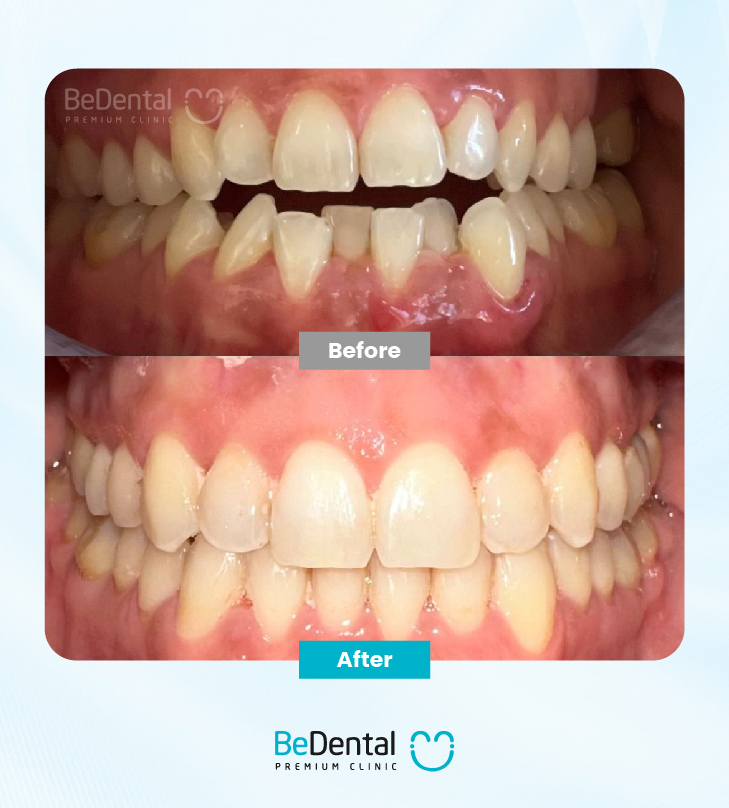
Anh Minh, a 19-year-old university student in Hanoi, had always been self-conscious about his smile. His upper front teeth appeared crowded, and one of the teeth seemed to grow slightly behind the others. During a dental checkup, the dentist discovered that Minh had a supernumerary tooth located between the front teeth, which was pushing the surrounding teeth out of alignment.
After evaluating his X-rays and bite condition, the orthodontist recommended removing the extra tooth first and then starting orthodontic treatment with braces. The goal was to create space and gradually move the remaining teeth into proper alignment.
Minh began treatment with metal braces, which were chosen because they are highly effective for correcting crowding and bite problems. Over the course of about 18 months, the braces slowly repositioned his teeth into a balanced and symmetrical alignment.
By the end of treatment, Minh’s teeth were evenly aligned, and his bite function had improved significantly. He reported feeling much more confident when smiling and speaking in public. His case demonstrated how braces can effectively address alignment problems caused by extra teeth, providing long-term functional and aesthetic benefits.
Customer Story 2: Improving Tooth Shape with Dental Crowns
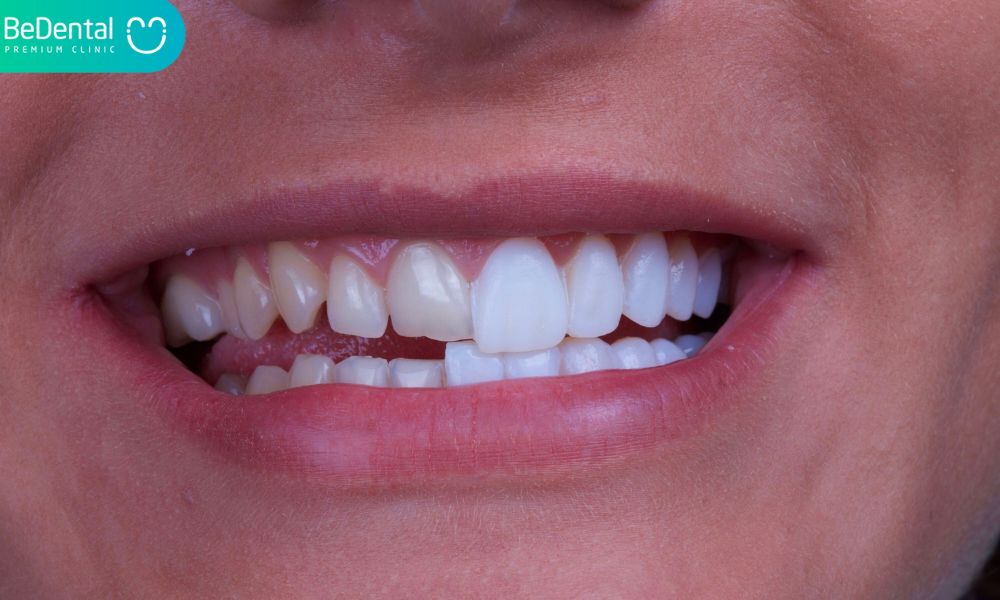
Lan, a 32-year-old office professional, visited a dental clinic because she was unhappy with the appearance of one of her upper teeth. Although her teeth were generally straight, one tooth was unusually small and peg-shaped, which made her smile look uneven.
After a detailed dental examination, the dentist determined that Lan’s teeth were already well aligned, meaning orthodontic treatment was not necessary. Instead, the dentist recommended a porcelain dental crown to reshape the small tooth and match the size and color of the surrounding teeth.
The treatment required two appointments. During the first visit, the dentist prepared the tooth and took digital impressions to design the crown. At the second visit, the custom porcelain crown was placed and adjusted for proper bite and appearance.
Once the crown was completed, Lan immediately noticed a significant improvement in her smile. The new crown blended naturally with her other teeth, creating a more balanced and harmonious appearance.
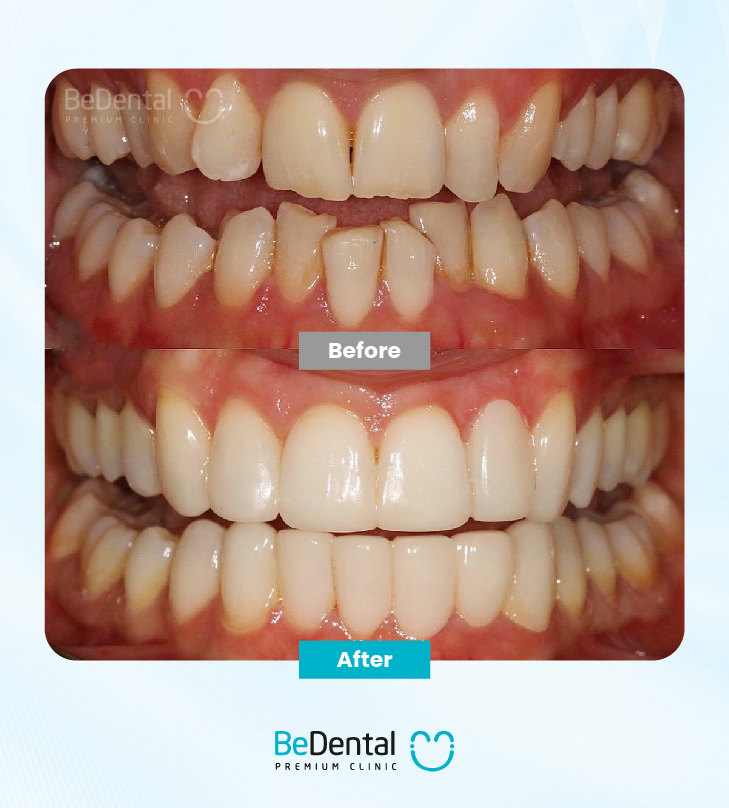
Her case illustrates how dental crowns can be an effective solution when the problem involves tooth shape or size rather than alignment, providing fast cosmetic improvement without the need for long-term orthodontic treatment.
Conclusion
When dealing with extra teeth, the choice between braces and crowns depends on the underlying dental issue.
- Braces are typically recommended for correcting tooth alignment and bite problems caused by extra teeth.
- Crowns are better suited for improving the shape, strength, or appearance of individual teeth.
In many cases, dentists may combine treatments—such as removing an extra tooth followed by orthodontic treatment—to achieve the best long-term results.
By consulting a qualified dentist and receiving a comprehensive evaluation, patients can determine the most appropriate treatment to achieve a healthy, balanced, and attractive smile.