


 English
 한국어
한국어 日本語
日本語 中文 (中国)


A dental crown is designed to restore strength, function, and aesthetics to a damaged tooth. However, many patients are surprised and concerned when they suddenly experience Porcelain crown falling out in Vietnam. Why does a crown come loose or fall off? Is it a sign of poor dental work, or simply a normal part of wear over time? Understanding the real causes behind Crown falls off and Crown detachment will help you respond correctly, avoid complications, and protect your long-term oral health.
Understanding porcelain crown detachment
A porcelain crown is not permanently fused to the tooth; it is bonded using dental cement. Over time, this bond can weaken, leading to Crown detachment in certain situations. While modern dental materials are highly durable, they are still affected by chewing forces, oral environment, and patient habits.

Experiencing Porcelain crown falling out in Vietnam does not always mean something went wrong during treatment. In many cases, it is the result of gradual wear or changes in the mouth over time. However, understanding whether the issue is normal or preventable is essential for proper management.
Why does a crown fall off? Key causes explained
There are several reasons why patients experience Crown falls off, and identifying the root cause is critical to prevent recurrence.
One of the most common causes is the breakdown of dental cement. Over time, saliva, temperature changes, and chewing pressure can weaken the bond between the crown and the tooth. This process is gradual and may go unnoticed until the crown suddenly becomes loose.
Another important factor is poor crown fit. If the crown does not fit precisely, microscopic gaps can allow bacteria and moisture to enter, weakening the cement layer and leading to Crown detachment. Studies in restorative dentistry show that marginal fit is one of the most important factors affecting crown longevity.
Decay under the crown is also a major cause. When bacteria accumulate beneath the crown, they can damage the underlying tooth structure. As the tooth weakens, it loses its ability to hold the crown securely, eventually leading to Porcelain crown falling out in Vietnam.
In addition, excessive bite force plays a significant role. Patients who grind their teeth or have uneven bite alignment are more likely to experience crown loosening over time.
Is it normal for a crown to fall off?
Many patients worry when experiencing Crown falls off, especially if the crown was placed years ago. In reality, crowns are not permanent restorations. According to dental research, crowns may need replacement after several years depending on oral hygiene, bite forces, and material quality.
However, a crown falling off shortly after placement is not normal. Early Crown detachment may indicate issues such as improper bonding, poor fit, or underlying tooth problems.
Understanding the timing helps determine whether the issue is expected or requires further investigation.
What to do immediately when your crown falls off
When experiencing Porcelain crown falling out in Vietnam, the first step is to remain calm and avoid damaging the tooth further.
Patients should keep the crown in a clean container and avoid chewing on the affected side. The exposed tooth may be sensitive, so avoiding very hot, cold, or hard foods is recommended.
Seeking dental care as soon as possible is crucial. In many cases, early intervention allows the dentist to reattach the crown without needing additional treatment.
Can a fallen crown be reattached?
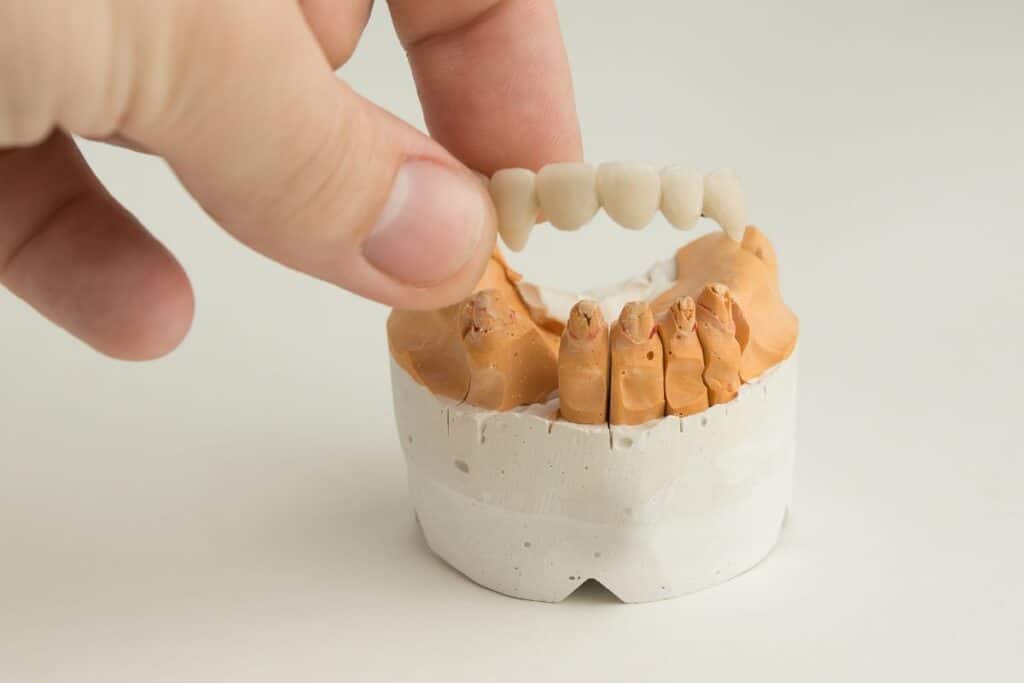
One of the most common questions after Crown detachment is whether the crown can be reused. The answer depends on both the condition of the crown and the underlying tooth.
If the crown is intact and fits well, dentists can often clean and re-cement it. This is a straightforward procedure that restores function quickly.
However, if the crown is damaged, worn, or no longer fits properly, a new crown may be required. Similarly, if the tooth underneath has decay or structural damage, additional treatment must be completed before reattachment.
Risks of ignoring a fallen crown
Ignoring a Crown falls off situation can lead to more serious complications. The exposed tooth is more vulnerable to damage, sensitivity, and bacterial infection.
Without the protective crown, the tooth may fracture or shift position. Over time, this can complicate future treatment and increase costs.
In some cases, untreated Porcelain crown falling out in Vietnam can result in the need for root canal treatment or even tooth extraction if the damage becomes severe.
The role of bite alignment in crown stability
Bite alignment plays a crucial role in preventing Crown detachment. When a crown is slightly higher than surrounding teeth, it receives more force during chewing.
This excessive pressure can weaken the cement bond over time, increasing the risk of Crown falls off. Patients who grind their teeth are especially at risk, as repeated stress accelerates wear.
Dentists often adjust the bite after crown placement to ensure even force distribution. In some cases, night guards are recommended to protect the crown during sleep.
How oral hygiene affects crown retention
Oral hygiene is a key factor in preventing Porcelain crown falling out in Vietnam. Plaque buildup around the crown margin can lead to decay beneath the crown, weakening the tooth structure.
Brushing and flossing properly help maintain a clean environment around the crown, reducing the risk of bacterial infiltration. Studies show that patients with good oral hygiene have significantly lower rates of Crown detachment.
Maintaining healthy gums also contributes to crown stability, as gum recession can expose crown margins and increase vulnerability.
Is it painful when a crown falls off?
Many patients feel anxious when experiencing Porcelain crown falling out in Vietnam, especially worrying about pain. In reality, when a Crown falls off, the level of discomfort depends on the condition of the underlying tooth.
If the tooth is still healthy, patients may only feel mild sensitivity to temperature or air exposure. However, if the tooth has been previously treated or has exposed dentin, sensitivity can be more noticeable.
Pain is not always immediate, but leaving the tooth unprotected increases the risk of irritation over time. This is why even painless Crown detachment should still be treated as soon as possible.
Can a loose crown be a warning sign before it falls off?
A crown rarely falls off suddenly without warning. In many cases, patients experience subtle signs of Crown detachment before complete dislodgement.
These signs may include a slight movement when chewing, a feeling that the crown is “not as tight,” or mild discomfort when biting. Some patients also notice food getting stuck more frequently around the crown.
Recognizing these early signals allows patients to seek dental care before a full Crown falls off, preventing emergency situations and more complex treatment.
Does crown falling off mean the tooth is damaged?
Experiencing Porcelain crown falling out in Vietnam does not always mean the tooth underneath is damaged. In many cases, the issue is simply related to cement failure.
However, it is important to evaluate the underlying tooth carefully. If decay or structural weakness is present, it may have contributed to the Crown detachment.
Dentists assess whether the tooth is still strong enough to support re-cementation or if additional treatment is required before placing the crown again.
>> See more: Gum Recession After Porcelain Crown in Vietnam
How long can you stay without a crown?
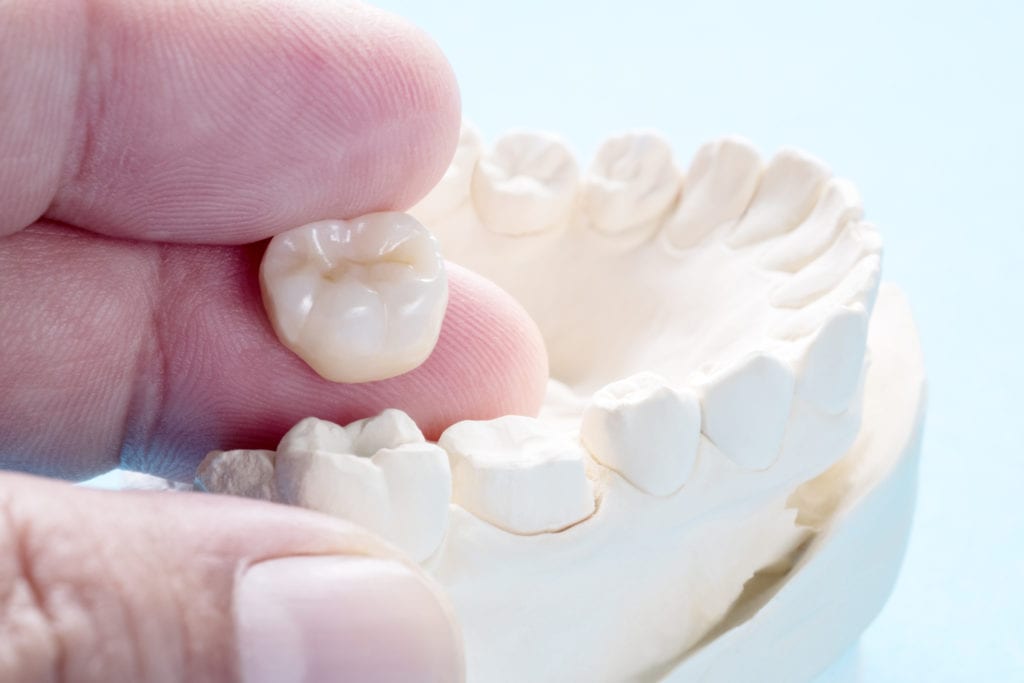
After a Crown falls off, some patients delay treatment if they do not feel pain. While short delays may be manageable, leaving the tooth exposed for too long increases the risk of complications.
The tooth may become sensitive, accumulate plaque, or even shift position slightly, making it harder for the crown to fit again. Over time, this can turn a simple Crown detachment into a more complex restorative case.
Seeking treatment within a few days is generally recommended to maintain the best outcome.
Does food habit affect crown retention?
Diet plays a significant role in Porcelain crown falling out in Vietnam, although many patients overlook this factor. Frequently consuming very hard or sticky foods can weaken the bond between the crown and the tooth.
Sticky foods such as caramel or chewing gum can pull on the crown, while hard foods like ice or bones can create micro-movements that gradually lead to Crown detachment.
Adjusting eating habits helps reduce unnecessary stress on crowns and prolong their lifespan.
Temporary crown vs permanent crown: which falls off more easily?
Patients often ask whether temporary crowns are more likely to fall off compared to permanent ones. The answer is yes.
Temporary crowns are intentionally designed with weaker cement so they can be removed easily when the final crown is ready. This makes them more prone to Crown falls off situations.
Permanent crowns, on the other hand, use stronger bonding materials. If a permanent crown experiences Crown detachment, it usually indicates an underlying issue rather than normal behavior.
Can crown detachment happen multiple times?
Repeated Crown detachment is not normal and should always be investigated. If a crown falls off more than once, it usually indicates a deeper issue such as poor fit, bite imbalance, or underlying tooth damage.
Simply re-cementing the crown without addressing the root cause may lead to repeated failures. Dentists often recommend a more comprehensive evaluation in such cases.
Identifying and correcting the underlying problem is key to preventing future Crown falls off incidents.
Does age affect the risk of crown falling off?
Age can indirectly influence the risk of Porcelain crown falling out in Vietnam. As patients get older, natural changes in teeth and gums may affect how well a crown stays in place.
Gum recession, changes in bite alignment, and wear of dental materials over time all contribute to increased risk of Crown detachment.
However, with proper care and regular monitoring, crowns can still function effectively for many years regardless of age.
A real patient story: unexpected crown detachment
A 38-year-old office worker visited BeDental after experiencing sudden Crown falls off while eating. She had no pain but was concerned about the exposed tooth.
Upon examination, the crown was intact, but the cement had degraded over time. The dentist cleaned the crown and tooth, then reattached it securely. Further assessment revealed mild teeth grinding, which had contributed to the issue.
After receiving a night guard and proper guidance, the patient avoided future Crown detachment and maintained stable results.
>> See more: Porcelain crown failure in Vietnam: Causes & repair
When should you replace a crown instead of re-cementing?
Not all cases of Porcelain crown falling out in Vietnam can be solved by re-cementation. In some situations, replacing the crown is the better option.
If the crown is old, cracked, or poorly fitted, reattaching it may only provide a temporary solution. A new crown designed with modern technology can offer better fit, improved aesthetics, and longer durability.
Dentists evaluate each case carefully to determine whether replacement is necessary.
How to prevent crowns from falling off
Preventing Crown falls off involves a combination of professional care and daily habits. Regular dental check-ups allow early detection of loosened crowns before they detach completely.
Avoiding excessive force on teeth, such as chewing hard objects, helps maintain crown stability. Addressing habits like teeth grinding also reduces risk.
Maintaining good oral hygiene prevents decay under the crown, which is a major cause of Crown detachment.
BeDental – Reliable care for crown issues
At BeDental, patients experiencing Porcelain crown falling out in Vietnam receive comprehensive evaluation and tailored solutions.
The clinic focuses not only on fixing the immediate issue but also identifying the underlying cause to prevent recurrence. With advanced technology and experienced dentists, BeDental ensures long-term stability and patient confidence.
Final thoughts
Experiencing Porcelain crown falling out in Vietnam can be unexpected, but it is often manageable with prompt and proper care. Understanding the causes of Crown detachment and recognizing early warning signs of Crown falls off help patients take proactive steps.
With the right combination of professional treatment and consistent oral care, patients can maintain strong, stable crowns and a healthy smile for years to come.

Tư vấn chuyên môn bài viết:
BÁC SĨ DƯƠNG THỊ THÙY NGA
BEDENTAL - TOP STANDARD DENTISTRY SYSTEM
In HANOI
Address 1: 7B Thi Sach St, Ngo Thi Nham, Hai Ba Trung Dist, Ha Noi. - 0934.61.9090
Address 2: No 129 Hoang Ngan, Yen Hoa, Cau Giay Dist, Ha Noi. - 0934.61.9090
In HO CHI MINH
Address 1: 53 -55 -57 Pho Duc Chinh St, Nguyen Thai Binh, Dist. 1, Ho Chi Minh. - 0766.00.8080
Working: 9am - 8pm everyday
Website: https://bedental.vn/en/