


 English
 한국어
한국어 日本語
日本語 中文 (中国)


Porcelain crowns are widely used in restorative dentistry to repair damaged teeth and restore chewing function. They are designed to be durable and long-lasting, but like any dental restoration, crowns can occasionally fail over time. Patients may encounter problems such as a broken crown, damaged crown, or cracked crown, especially if the tooth experiences excessive pressure or poor maintenance. Understanding the causes of porcelain crown failure in Vietnam, recognizing early warning signs, and knowing the available treatment options can help patients protect their dental restorations and maintain long-term oral health.
Understanding porcelain crown failure in Vietnam
Although porcelain crowns are known for their strength and aesthetic appearance, there are situations where porcelain crown failure in Vietnam may occur. A crown failure refers to any situation in which the crown becomes loose, fractured, chipped, or no longer functions properly.
Modern porcelain crowns are typically designed to last 10–15 years or longer when properly maintained. According to clinical studies published in prosthodontic journals, the majority of crowns remain functional for many years, but a small percentage may develop complications such as cracked crown surfaces or damaged crown structures due to long-term wear.
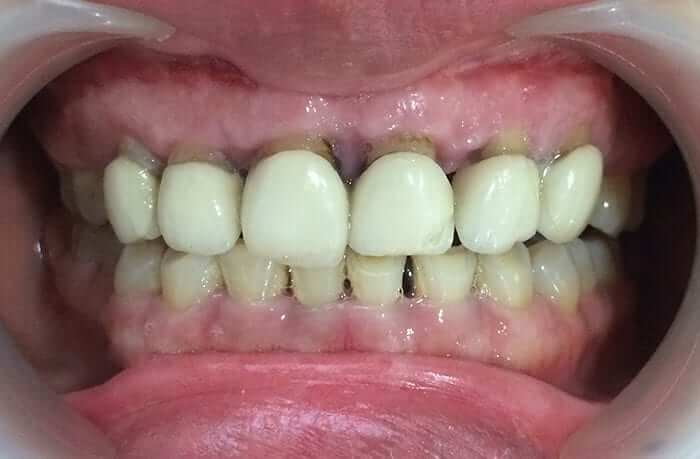
It is important to note that most crown problems develop gradually. Early symptoms may include mild discomfort, sensitivity when chewing, or visible damage on the crown surface.
For example, a patient named Minh once noticed a small line on the surface of his crown while brushing his teeth. Initially it seemed harmless, but during a dental checkup the dentist confirmed that it was an early cracked crown. Because the issue was detected early, the dentist was able to repair the crown before it developed into a more serious broken crown.
Common causes of broken crown
One of the most frequent forms of porcelain crown failure in Vietnam is a broken crown. This occurs when the crown fractures or breaks completely due to excessive pressure or trauma.
Several factors may contribute to a broken crown, including biting extremely hard foods, accidents involving facial impact, or severe teeth grinding. Although modern porcelain materials are strong, they are still vulnerable to sudden force.
Patients who frequently chew hard objects such as ice, bones, or hard candies may increase the risk of crown damage. Over time, repeated pressure can weaken the crown structure and eventually lead to a broken crown.
A dentist once shared the story of a patient named Hoang who accidentally bit down on a hard nut shell while eating. The sudden pressure caused his crown to split, resulting in a broken crown that required replacement. Situations like this highlight the importance of protecting dental restorations from extreme chewing forces.
Damaged crown due to long-term wear
Another possible issue related to porcelain crown failure in Vietnam is a damaged crown caused by long-term wear.
Even though porcelain is a durable material, everyday chewing gradually places stress on the crown. Over time, this pressure may cause minor surface damage or gradual deterioration.
A damaged crown may show signs such as rough edges, worn porcelain, or slight discoloration. These changes usually occur slowly and may not immediately cause discomfort.
Patients who grind their teeth at night are particularly at risk for developing a damaged crown. This condition, known as bruxism, places repeated pressure on dental restorations.
Dentists often recommend wearing a night guard to protect crowns in patients who grind their teeth during sleep.
>> See more: Porcelain crowns causing bad breath in Vietnam?
Cracked crown and early warning signs
A cracked crown is another common form of porcelain crown failure in Vietnam. Unlike a complete fracture, a cracked crown usually begins as a small line or fracture within the porcelain surface.
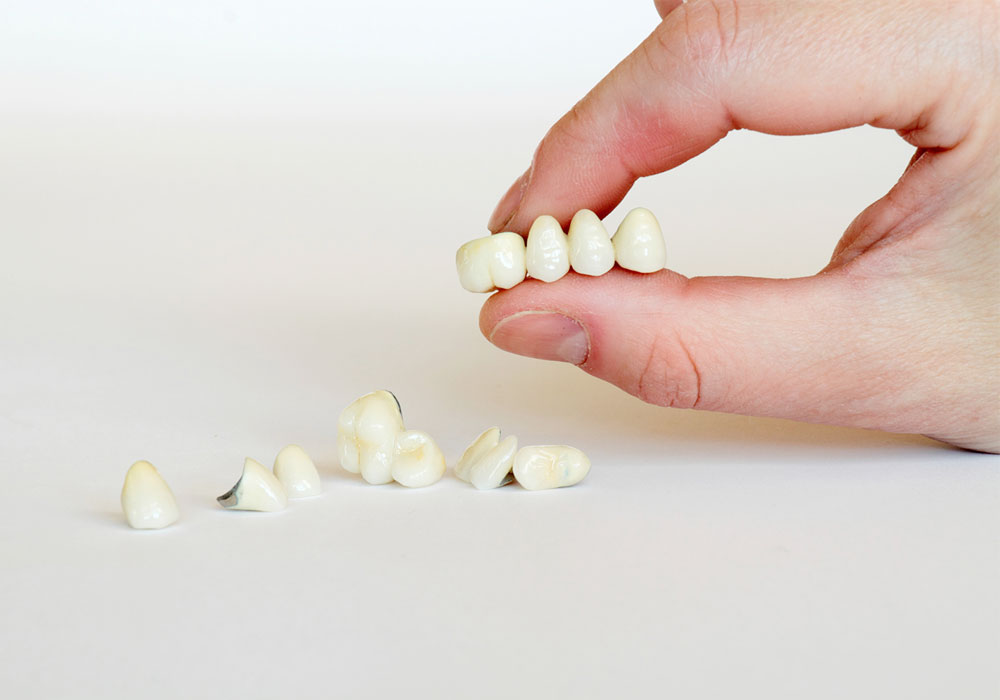
Although a cracked crown may initially appear minor, it can gradually worsen if left untreated. Repeated chewing pressure may cause the crack to expand until the crown eventually breaks.
Early signs of a cracked crown may include:
- Sensitivity when biting down
- Small visible lines on the crown surface
- Rough texture on the crown edge
- Occasional discomfort when chewing
A patient named Linh once noticed a faint line on her crown but did not experience any pain. During a routine dental examination, her dentist confirmed that the crown had developed a cracked crown structure. Because the issue was detected early, the dentist recommended replacing the crown before it developed into a more serious damaged crown.
Regular dental checkups play a key role in detecting these early signs.
Risk factors for porcelain crown failure
Although crowns are designed to be durable, several factors can increase the likelihood of porcelain crown failure in Vietnam.
One of the most common factors is excessive chewing force. Patients who grind their teeth or frequently chew hard foods may place additional stress on the crown, increasing the risk of a broken crown.
Another factor is poor crown placement. If the crown is not fitted precisely to the tooth, uneven pressure may lead to gradual damage.
Oral hygiene also plays an important role. Bacteria can accumulate around crown margins and weaken the supporting tooth structure, eventually contributing to a damaged crown.
Finally, accidental trauma such as sports injuries or falls may also lead to a cracked crown or other crown damage.
Signs your porcelain crown may be failing
In many cases, porcelain crown failure in Vietnam does not occur suddenly. Instead, it often develops gradually with early warning signs that patients may notice during daily activities such as chewing or brushing their teeth.
One of the first indicators is a change in how the crown feels when biting. If the crown begins to feel slightly loose or unstable, it may signal the early stage of a damaged crown or weakening of the bonding material that holds the crown in place.
Patients may also notice visible signs on the crown surface. Small lines, rough edges, or slight chips may indicate a developing cracked crown. Although these symptoms may appear minor, they can gradually worsen if the crown continues to experience pressure during chewing.
Other signs that may suggest potential porcelain crown failure in Vietnam include:
- mild sensitivity when chewing
- a sharp or rough edge on the crown
- discomfort when biting hard foods
- visible fractures on the crown surface
For example, a patient named Minh once noticed a thin line appearing across his crown while brushing his teeth. Although it did not cause immediate pain, his dentist confirmed that it was an early cracked crown. Because the problem was detected early, the crown could be replaced before it developed into a complete broken crown.
Recognizing these early symptoms allows dentists to intervene before more serious crown damage occurs.
How long porcelain crowns normally last
Another common question related to porcelain crown failure in Vietnam concerns the lifespan of porcelain crowns.
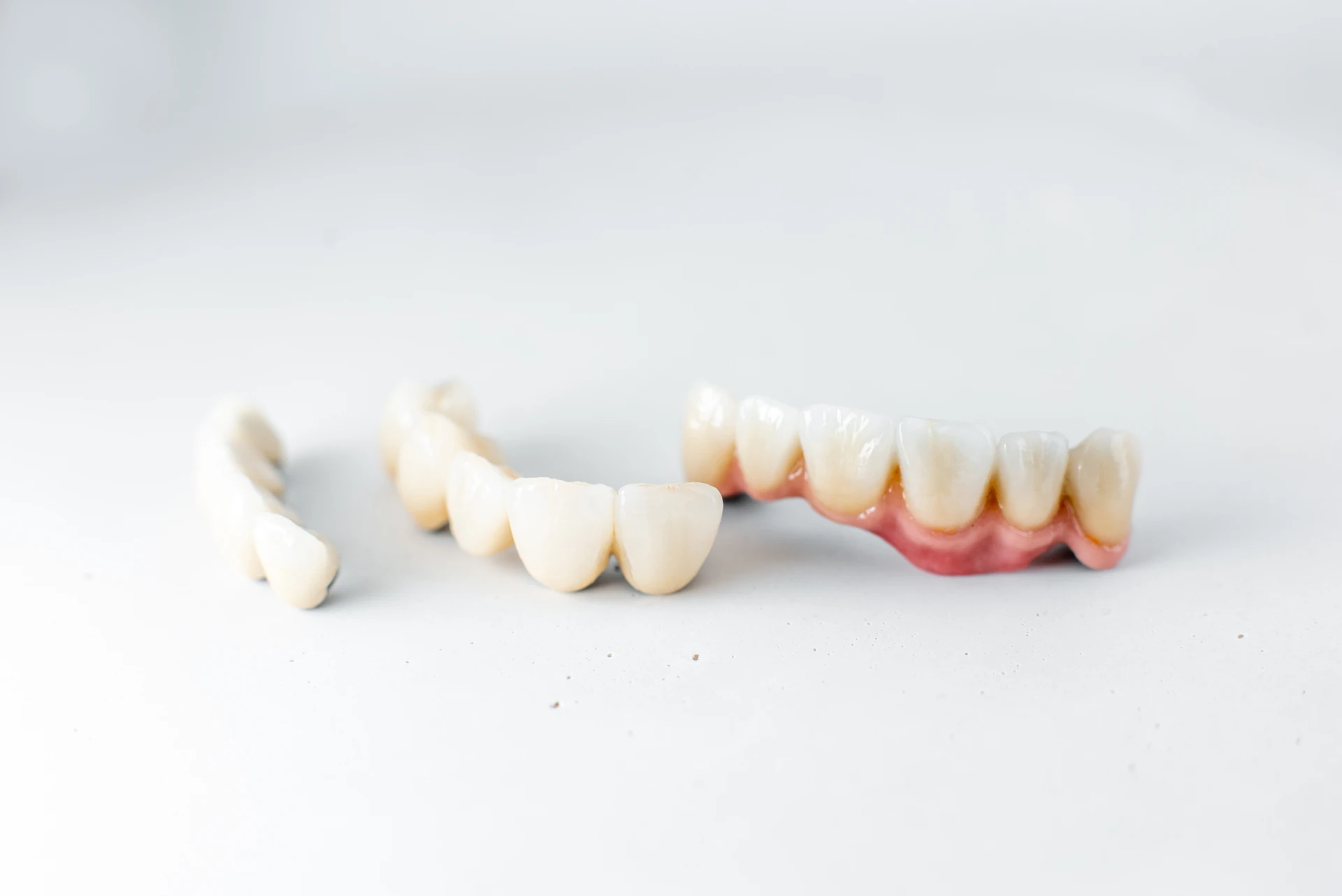
Under normal conditions, porcelain crowns can last between 10 and 15 years, and in some cases even longer. According to several prosthodontic studies, many crowns remain functional for more than 20 years when patients maintain good oral hygiene and regular dental checkups.
However, the longevity of a crown depends on several factors, including:
- the patient’s chewing habits
- whether the patient grinds their teeth
- oral hygiene practices
- the quality of the crown placement
Patients who frequently chew very hard foods or grind their teeth at night may place excessive pressure on the crown, increasing the risk of a damaged crown or eventually a broken crown.
A patient named Tuấn once had a porcelain crown that lasted more than 12 years before showing signs of a small cracked crown. During a routine dental visit, the dentist recommended replacing the crown before it failed completely. This proactive approach helped prevent a more severe porcelain crown failure in Vietnam.
This example shows that while crowns are durable, they are not permanent restorations and may require replacement after many years.
Can a broken crown be repaired or replaced?
When a broken crown occurs, many patients worry that the entire tooth will need extensive treatment. In reality, the solution depends on the extent of the damage.
In some cases, minor damage to a damaged crown can be repaired using dental bonding materials. This procedure restores the crown surface and improves its appearance without requiring full replacement.
However, if the crown has developed a severe cracked crown or a complete fracture, dentists usually recommend replacing the crown entirely. A new crown ensures proper structural strength and protects the underlying tooth.
The replacement process typically involves several steps:
- removing the damaged crown
- evaluating the health of the tooth underneath
- taking a digital scan or dental impression
- fabricating a new crown
For instance, a patient named Phương once experienced a broken crown after accidentally biting down on a hard piece of bone while eating. Fortunately, the underlying tooth remained healthy, and the dentist was able to replace the crown quickly. After the new crown was placed, she was able to chew normally again.
Situations like this demonstrate that even when porcelain crown failure in Vietnam occurs, modern dentistry offers effective solutions.
How to protect porcelain crowns from damage
Although porcelain crown failure in Vietnam is not very common, patients can take several preventive steps to protect their crowns and extend their lifespan.
Daily habits play a significant role in preventing crown damage. Avoiding extremely hard foods and maintaining proper oral hygiene can greatly reduce the risk of a damaged crown or cracked crown.

Dentists often recommend several protective measures:
- avoiding chewing ice or hard objects
- not using teeth to open packages
- wearing a night guard if you grind your teeth
- visiting the dentist regularly for checkups
One patient who experienced early porcelain crown failure in Vietnam later discovered that nighttime teeth grinding had placed excessive pressure on the crown. After receiving a custom night guard, the replacement crown remained stable and functional for many years.
These simple preventive habits can significantly reduce the risk of a broken crown and help maintain the long-term durability of porcelain crowns.
How dentists repair crown damage
The treatment for porcelain crown failure in Vietnam depends on the type and severity of the problem.
In some cases, minor chips can be repaired using dental bonding materials. This treatment restores the crown surface without requiring full replacement.
If the crown has developed a significant cracked crown structure or a severe damaged crown, dentists may recommend replacing the restoration entirely.
When a broken crown occurs, the dentist will examine the underlying tooth to ensure that it remains healthy. If the tooth is intact, a new crown can usually be placed without additional treatment.
Early diagnosis helps prevent complications and ensures that crown damage can be treated effectively.
>> See more: Pain after porcelain crown in Vietnam: Causes & solutions
How to prevent porcelain crown failure
Although porcelain crown failure in Vietnam is relatively uncommon, patients can take several steps to protect their dental restorations.
Dentists recommend maintaining good oral hygiene and attending regular dental checkups to monitor the condition of crowns.
Patients should also avoid habits that may damage crowns, such as chewing ice or opening packages with their teeth.
Helpful preventive habits include:
- Wearing a night guard if you grind your teeth
- Avoiding extremely hard foods
- Brushing and flossing regularly
- Visiting the dentist every six months
Following these habits significantly reduces the risk of a cracked crown, damaged crown, or broken crown.
Porcelain crown treatment at BeDental
When considering crown treatment or repairing porcelain crown failure in Vietnam, choosing a professional dental clinic is essential for achieving long-term success.
BeDental is a modern dental system with clinics in Hanoi and Ho Chi Minh City that provides advanced restorative dentistry services. The clinic uses digital scanning technology and high-quality ceramic materials to ensure precise crown fabrication.
Before placing or replacing a crown, dentists at BeDental carefully evaluate each patient’s dental condition to prevent complications such as broken crown, damaged crown, or cracked crown. Patients also receive detailed consultation about proper crown care and maintenance.
With experienced specialists and modern dental equipment, BeDental focuses on delivering high-quality porcelain crown treatments that restore dental function and protect long-term oral health while minimizing the risk of porcelain crown failure in Vietnam.

Tư vấn chuyên môn bài viết:
BÁC SĨ DƯƠNG THỊ THÙY NGA
BEDENTAL - TOP STANDARD DENTISTRY SYSTEM
In HANOI
Address 1: 7B Thi Sach St, Ngo Thi Nham, Hai Ba Trung Dist, Ha Noi. - 0934.61.9090
Address 2: No 129 Hoang Ngan, Yen Hoa, Cau Giay Dist, Ha Noi. - 0934.61.9090
In HO CHI MINH
Address 1: 53 -55 -57 Pho Duc Chinh St, Nguyen Thai Binh, Dist. 1, Ho Chi Minh. - 0766.00.8080
Working: 9am - 8pm everyday
Website: https://bedental.vn/en/