


 English
 한국어
한국어 日本語
日本語 中文 (中国)


Porcelain crowns are commonly used in restorative dentistry to repair damaged teeth and restore both function and appearance. However, some patients worry about potential side effects after the procedure, especially when they notice unpleasant breath. Questions such as whether porcelain crowns causing bad breath in Vietnam are common, what leads to crown bad breath, or why crown halitosis may develop are frequently asked during dental consultations. Understanding the possible reasons behind crown causing odor or crown tooth odor can help patients take appropriate preventive measures and maintain long-term oral health.
Understanding porcelain crowns and oral hygiene

Porcelain crowns are designed to protect weakened teeth and restore their natural shape. These restorations are typically made from ceramic materials that mimic the appearance of natural enamel while providing strong structural support.
In most cases, crowns do not cause bad breath. When properly placed and maintained, they function similarly to natural teeth. However, if oral hygiene is not maintained or if the crown is not fitted correctly, some patients may experience crown bad breath.
Dental professionals emphasize that porcelain crowns causing bad breath in Vietnam is usually not the result of the crown material itself. Instead, it is often related to bacterial accumulation around the crown margins or underlying dental problems.
For example, a patient named Mai once reported experiencing mild crown halitosis several weeks after receiving a crown. After examination, the dentist discovered that plaque had accumulated around the gum line because flossing was not performed regularly. After improving oral hygiene, the odor disappeared.
Can porcelain crowns cause bad breath?
Patients sometimes wonder whether porcelain crowns causing bad breath in Vietnam is a common complication. In reality, porcelain materials themselves do not produce odor.
Ceramic crowns are highly resistant to staining and bacterial absorption. Therefore, crown causing odor usually occurs due to other factors rather than the crown material.
One common reason is plaque accumulation around the crown margins. If bacteria build up near the gum line, they may release sulfur compounds that cause unpleasant breath.
Another possible cause of crown tooth odor is food debris trapped between teeth or around the crown. When these particles break down, they may produce unpleasant smells.
In rare cases, crown halitosis may be linked to an underlying dental infection or poorly sealed crown.
Crown bad breath caused by poor crown fit
A poorly fitted crown is one of the most significant reasons behind crown bad breath. When a crown does not seal properly against the tooth surface, bacteria may accumulate underneath the restoration.
This bacterial growth can lead to decay, infection, and eventually crown causing odor. In such cases, patients may also experience gum irritation or sensitivity.
Dentists typically prevent this issue by using precise digital scanning technology and high-quality crown fabrication methods. Accurate crown placement greatly reduces the risk of porcelain crowns causing bad breath in Vietnam.
For instance, a patient named Hoang once experienced persistent crown tooth odor after receiving a crown at an inexperienced clinic. When he visited a dental specialist, the dentist discovered that the crown margin was not sealed properly. After replacing the crown with a better-fitting restoration, the odor disappeared completely.
Crown halitosis caused by gum inflammation
Another reason for crown halitosis is gum inflammation around the crown area. When gums become irritated, bacteria can accumulate and create unpleasant odors.
Inflammation may occur if plaque builds up along the crown margins or if oral hygiene is insufficient. Patients who do not floss regularly may be more likely to develop crown bad breath.
Dentists usually recommend proper brushing techniques and daily flossing to prevent bacterial buildup.
A patient named Linh once experienced mild crown halitosis shortly after receiving a porcelain crown. After switching to a softer toothbrush and improving flossing habits, the gum inflammation reduced and the bad breath disappeared.
This example demonstrates how proper hygiene can eliminate many cases of crown causing odor.
Crown tooth odor caused by underlying tooth problems
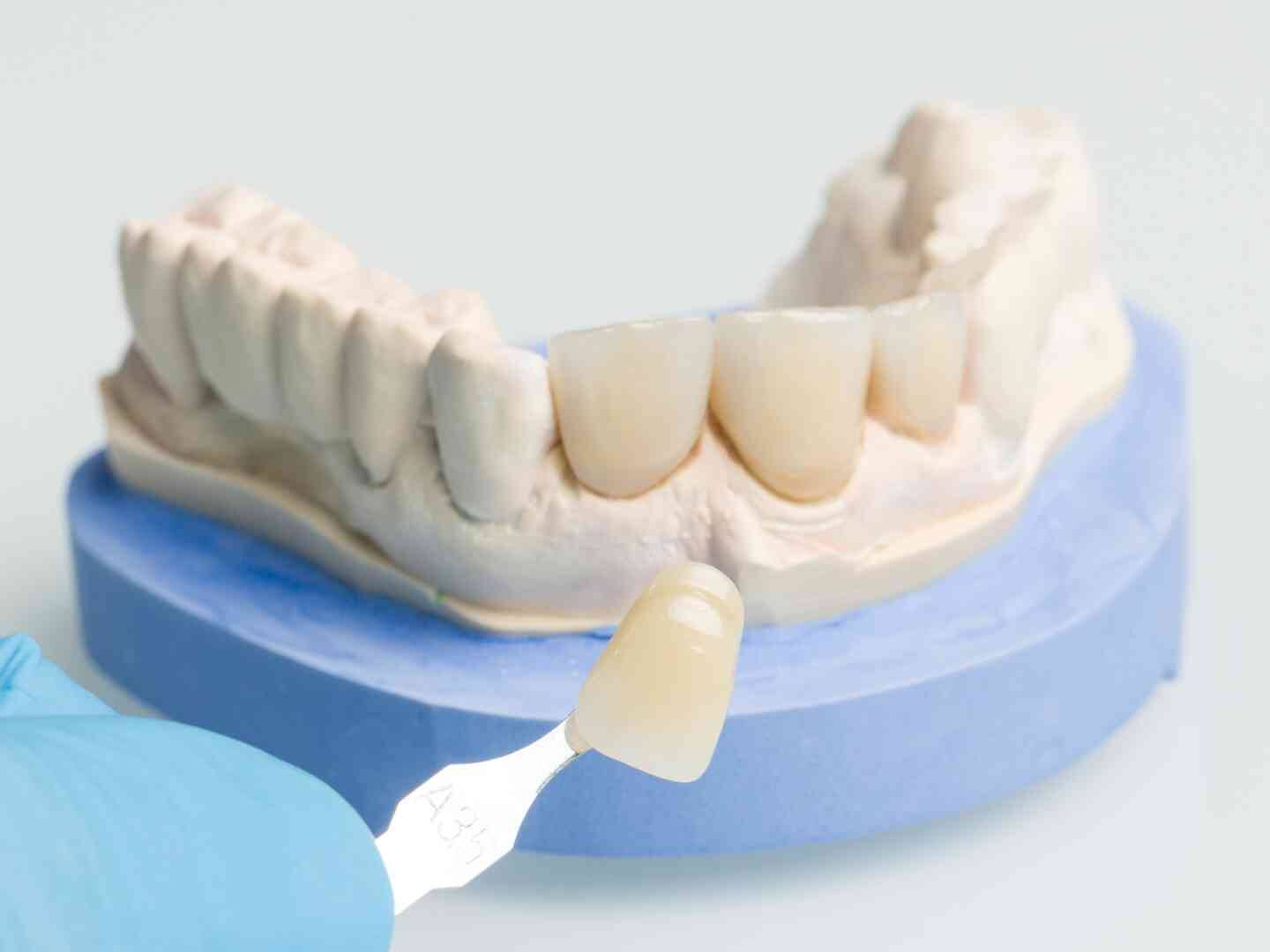
In some situations, crown tooth odor may originate from problems beneath the crown itself. If the tooth has untreated decay or infection before crown placement, bacteria may continue to grow underneath the restoration.
This may lead to persistent crown halitosis and even tooth pain in severe cases.
Dentists usually perform a detailed examination before placing a crown to ensure the tooth is healthy. Procedures such as root canal therapy may be recommended if the tooth nerve is infected.
When these conditions are treated properly, the risk of porcelain crowns causing bad breath in Vietnam is significantly reduced.
Preventing crown causing odor
Although crown causing odor is relatively uncommon, patients can take several steps to prevent it.
Maintaining proper oral hygiene is the most effective method. Regular brushing and flossing help remove plaque around crown margins and prevent bacterial growth.
Helpful practices include:
- Brushing teeth twice daily with fluoride toothpaste
Flossing between teeth and around crown margins - Using antibacterial mouthwash
- Visiting the dentist regularly for professional cleaning
These habits help reduce the likelihood of crown bad breath and maintain healthy gums.
>> See more: Pain after porcelain crown in Vietnam: Causes & solutions
How dentists fix crown bad breath
When patients experience persistent crown bad breath, dentists typically perform a detailed examination to determine the exact cause. In many cases, the issue is not related to the porcelain crown material itself but rather to plaque buildup, gum irritation, or minor problems with crown placement.
The first step dentists take is a professional oral evaluation. During this examination, the dentist checks the crown margins, surrounding gum tissue, and bite alignment. If bacteria have accumulated around the crown edges, professional cleaning can remove plaque and tartar that may be responsible for crown halitosis.
In some cases, the dentist may also examine the area under the crown using dental X-rays. This helps determine whether there is decay or bacterial growth beneath the restoration that could cause crown causing odor.
For example, a patient named Nam once visited a clinic because he noticed persistent crown tooth odor several months after receiving a porcelain crown. After examining the crown, the dentist discovered plaque buildup along the gum line that had not been cleaned properly. After professional cleaning and improved oral hygiene guidance, the unpleasant smell disappeared.
These types of situations show that most cases of porcelain crowns causing bad breath in Vietnam can be resolved easily when diagnosed early by a qualified dentist.
Treatment options for crown causing odor

The treatment for crown causing odor depends on the underlying reason behind the problem. Dentists typically recommend different approaches depending on whether the odor is caused by hygiene issues, gum inflammation, or problems with the crown itself.
One of the most common treatments involves improving oral hygiene and performing professional dental cleaning. If bacteria or plaque are responsible for crown halitosis, removing the buildup often eliminates the odor quickly.
Another possible treatment is bite adjustment. If the crown places uneven pressure on the tooth, food particles may accumulate around the crown margins and contribute to crown bad breath. Adjusting the crown’s bite can help improve chewing efficiency and reduce bacterial accumulation.
In cases where the crown margin is slightly open or improperly sealed, the dentist may recommend replacing the crown. Although this situation is uncommon, it may occur if the original crown was fabricated inaccurately.
A patient named Thu once experienced persistent crown causing odor even after improving her oral hygiene. During a follow-up appointment, the dentist discovered that the crown margin was not fully sealed against the tooth surface. After replacing the crown with a properly fitted restoration, the crown tooth odor disappeared completely.
These examples illustrate how identifying the exact cause of the problem allows dentists to select the most effective treatment.
Can replacing a crown stop bad breath?
In certain situations, replacing a crown can help eliminate persistent crown bad breath. This usually happens when the original crown does not fit properly or when bacteria have entered beneath the restoration.
A poorly sealed crown may allow food debris and bacteria to accumulate underneath it. Over time, this bacterial growth can lead to crown halitosis and sometimes even tooth decay. When this occurs, replacing the crown may be necessary to remove the source of the problem.
Dentists carefully evaluate the crown’s condition before recommending replacement. If the crown margin is intact and the tooth underneath is healthy, replacing the crown may not be required. Instead, professional cleaning or improved hygiene may solve the issue.
However, if the dentist confirms that the crown is the source of crown causing odor, replacing it with a properly fitted restoration can completely resolve the problem.
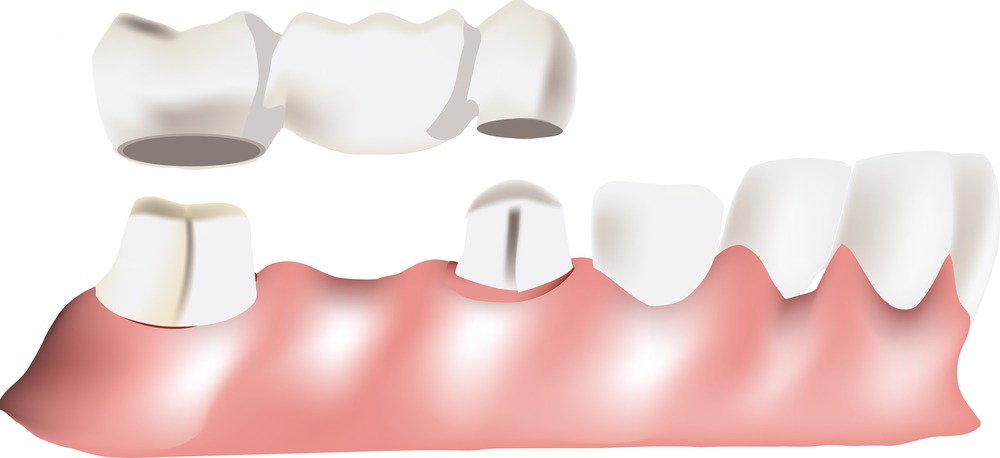
A dentist once shared the case of a patient named Phuong who had experienced persistent crown tooth odor for more than a year. After evaluation, the dentist discovered that the crown was slightly loose, allowing bacteria to accumulate beneath it. After the crown was replaced with a new ceramic restoration, the odor disappeared and the tooth remained healthy.
Situations like this demonstrate that although porcelain crowns causing bad breath in Vietnam are relatively rare, correcting crown fit issues can effectively restore oral freshness and dental health.
When to see a dentist for crown halitosis
Occasional bad breath may occur due to food or temporary bacterial buildup. However, persistent crown halitosis may require professional evaluation.
Patients should consult a dentist if they notice symptoms such as:
- Continuous crown tooth odor despite good oral hygiene
- Gum swelling or bleeding near the crown
- Sensitivity or discomfort around the crowned tooth
Dentists may perform an examination to determine whether the issue is related to crown fit, gum health, or underlying tooth problems.
Early treatment can prevent more serious complications and restore oral health.
>> See more: Sensitivity after porcelain crown in Vietnam: Causes & care
Why choosing a professional dental clinic matters
The quality of crown placement plays a major role in preventing porcelain crowns causing bad breath in Vietnam.
Modern dental clinics often use digital scanning and CAD/CAM crown fabrication technology to ensure precise crown fit. Accurate margins help prevent bacterial leakage and reduce the risk of crown bad breath.
Experienced dentists also evaluate the health of the tooth before placing a crown. This ensures that underlying infections do not lead to crown halitosis later.
Choosing a professional clinic significantly improves treatment outcomes and reduces complications such as crown causing odor.
Porcelain crown treatment at BeDental
When considering porcelain crown treatment, selecting a reputable clinic is essential for preventing issues such as porcelain crowns causing bad breath in Vietnam.
BeDental is a professional dental system with clinics in Hanoi and Ho Chi Minh City that provides modern restorative dentistry services. The clinic uses advanced digital scanning technology and high-quality ceramic materials to ensure precise crown fabrication.
Before placing a crown, dentists at BeDental carefully evaluate each patient’s dental condition to reduce the risk of problems such as crown bad breath, crown halitosis, or crown tooth odor.
With experienced specialists and modern dental equipment, BeDental focuses on delivering high-quality porcelain crown treatments that restore both oral health and patient confidence. Proper crown placement and professional guidance help patients maintain fresh breath and long-term dental health without experiencing crown causing odor complications.

Tư vấn chuyên môn bài viết:
BÁC SĨ DƯƠNG THỊ THÙY NGA
BEDENTAL - TOP STANDARD DENTISTRY SYSTEM
In HANOI
Address 1: 7B Thi Sach St, Ngo Thi Nham, Hai Ba Trung Dist, Ha Noi. - 0934.61.9090
Address 2: No 129 Hoang Ngan, Yen Hoa, Cau Giay Dist, Ha Noi. - 0934.61.9090
In HO CHI MINH
Address 1: 53 -55 -57 Pho Duc Chinh St, Nguyen Thai Binh, Dist. 1, Ho Chi Minh. - 0766.00.8080
Working: 9am - 8pm everyday
Website: https://bedental.vn/en/