

 English
 한국어
한국어 日本語
日本語 中文 (中国)


Old Hanoi Restaurants: Hanoi is often described as a street-food city, but that description only tells one part of the story. While sidewalk stalls and plastic stools dominate social media, the reality is more layered. Locals don’t eat the same way every day, and neither should visitors. The city’s food scene naturally falls into distinct dining tiers, each serving a different purpose.
This guide breaks Hanoi’s local dining scene into three practical tiers—from raw street food to refined fine dining—not based on hype, but on how people actually eat. Whether you’re grabbing a quick bowl of noodles, hosting international guests, or booking a once-in-a-trip dining experience, understanding these tiers helps you choose better and eat with confidence.
TIER 1: STREET FOOD & LOCAL EATERIES- OLD HANOI RESTAURANTS
(Budget – Raw – Very Local)
This is Hanoi at its most honest. Tier 1 is where locals eat every day—not for atmosphere or service, but because the food is correct and consistent. These places exist to feed people, not to impress them. If you want to understand how Hanoians actually eat, this is the entry point.
Price Range: 50,000–120,000 VND per person (USD $2–5) Cheap, filling, and designed for daily meals rather than special occasions.
What Defines Tier 1
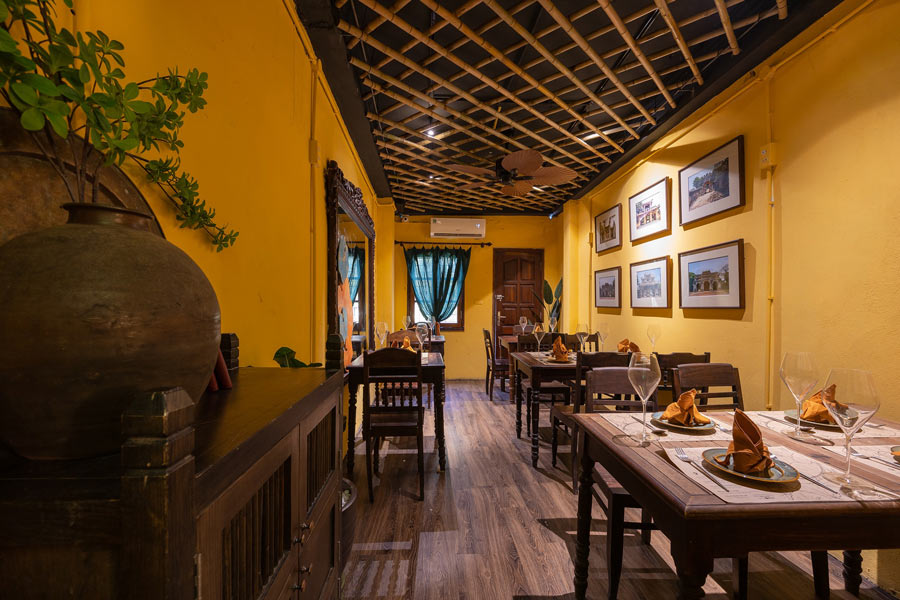
Small, family-run shops or sidewalk stalls dominate this tier. Most places focus on one specialty dish, often the same recipe for decades. Menus are extremely limited, service is functional at best, and English is minimal or nonexistent. The environment is usually loud, crowded, and aromatic—especially during peak breakfast and lunch hours. Flavor always comes first, with zero compromise made for foreign palates.
>> See more: Pho hanoi: where to find authentic pho in hanoi
Dining Experience: What to Expect Expect authentic taste with no comfort guarantees. Seating is often shared, turnover is fast, and personal space is limited. You eat what the shop does well—no substitutions, no customizations. If the place is busy, that’s usually a good sign. If it looks chaotic, it probably tastes great.
Representative Restaurants
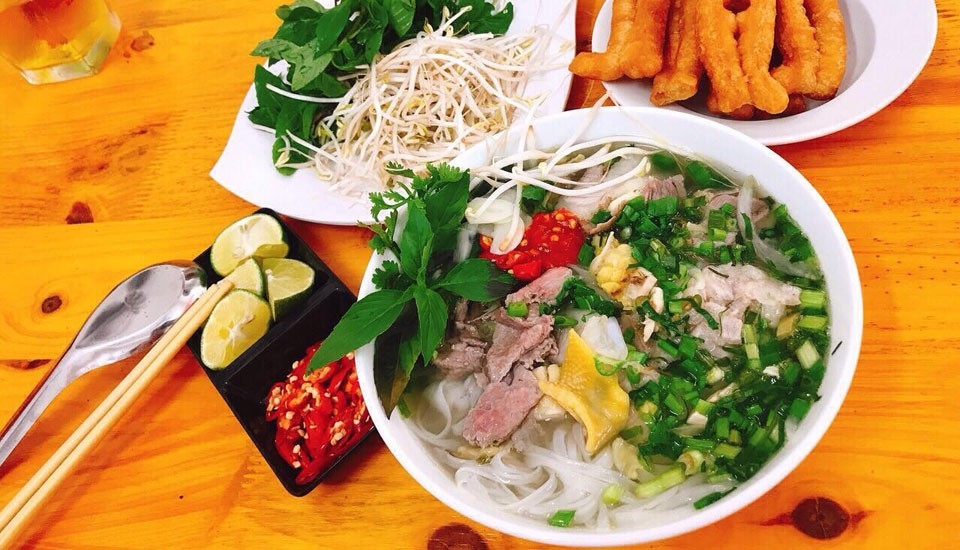
- Phở Gia Truyền Bát Đàn – Classic beef phở, self-service, queues are part of the ritual
- Bún chả Hương Liên – Grilled pork with noodles, internationally known but still locally run
- Chả cá Thăng Long – Traditional turmeric fish cooked with dill, old-school Hanoi style
- Bún riêu Huyền Anh – Bold crab noodle soup with strong, unapologetic flavors
Best For: Backpackers, serious food hunters, and repeat visitors to Vietnam who prioritize authenticity over comfort and enjoy navigating local dining norms.
Not Ideal For First-time visitors to Vietnam, elderly travelers, or anyone sensitive to heat, strong smells, noise, or crowds. If you need comfort, explanations, or flexibility, Tier 1 may feel overwhelming.
Local Tip Go early, eat quickly, pay in cash, and observe how locals order before jumping in. If a place is packed with office workers or construction crews, you’re probably in the right spot.
TIER 2: TRADITIONAL VIETNAMESE RESTAURANTS
(Mid-range – Comfortable – Safe Introduction)
Tier 2 is where Vietnamese food meets comfort. These restaurants are designed for people who want to eat local dishes properly—but without the chaos of street food. This is the tier locals choose when they’re hosting guests, celebrating something small, or simply want a calm, reliable meal. For most international visitors, this is the safest and smartest entry point into Vietnamese cuisine.
Price Range: 180,000–350,000 VND per person (USD $7–15) Not cheap by local standards, but very reasonable for the quality, setting, and service.
What Defines Tier 2
Tier 2 restaurants are proper sit-down places with air conditioning, clean restrooms, and organized seating. Menus are broader than street food but still focused on recognizable Vietnamese classics—think phở, bún chả, fried spring rolls, clay-pot dishes, and seasonal vegetables.
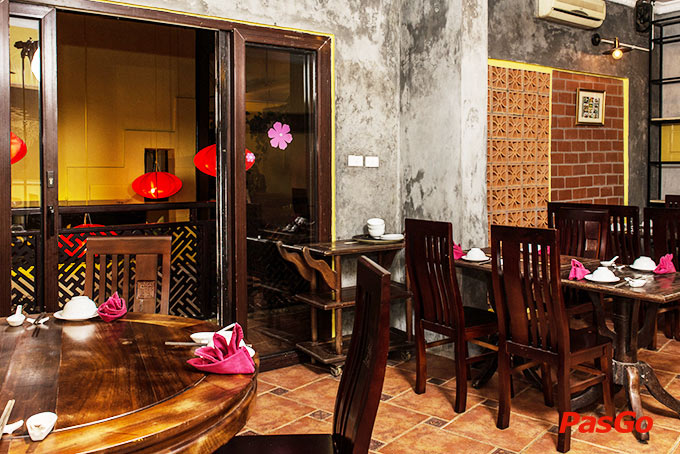
Flavors remain authentic, but seasoning is slightly moderated: less aggressive fish sauce, fewer extreme aromas, and balanced textures. Staff are trained to explain dishes, and English menus are standard.
Dining Experience: What to Expect Expect a comfortable, low-risk dining experience. You’ll get table service, clear menus, and enough flexibility to accommodate different preferences within a group. Portions are suitable for sharing, making it easy to sample multiple dishes. This tier prioritizes consistency and approachability over shock value or culinary experimentation.
Representative Restaurants
- Old Hanoi Restaurant – Classic Hanoi dishes in a calm, traditional setting; ideal for first-timers
- Home Vietnamese Restaurant – Elegant décor, gentle flavors, strong visual presentation
- Duong’s Restaurant – Refined Vietnamese comfort food with professional service
- Ngon Villa – Spacious layout, wide menu, good for families and groups
Best For First-time visitors to Vietnam, business meals, families, mixed groups with different spice tolerances, and anyone who wants Vietnamese food without stress.
Not Ideal For Budget travelers, hardcore street-food enthusiasts, or diners looking for extreme flavors and raw local energy.
Local Tip Order family-style and share. Tier 2 menus are built for the table, not individual plates. If you’re unsure what to choose, ask the staff what they’d recommend for first-time guests—they usually know exactly how to guide you.
TIER 3: HIGH-END & FINE DINING VIETNAMESE
(Premium – Conceptual – Experience-driven)
Tier 3 represents the most ambitious expression of Vietnamese cuisine in Hanoi. This is where food is no longer just about eating well, but about storytelling, technique, and intent. Restaurants in this tier aim to reframe Vietnamese flavors through a contemporary or fine-dining lens, often led by chef-driven concepts rather than family tradition. This tier is not designed to be familiar or comforting. It is designed to provoke curiosity and deliver a curated experience.
Price Range 1,000,000–3,000,000+ VND per person (USD $40–120+) Pricing reflects ingredient sourcing, technical execution, service standards, and multi-course formats.
What Defines Tier 3
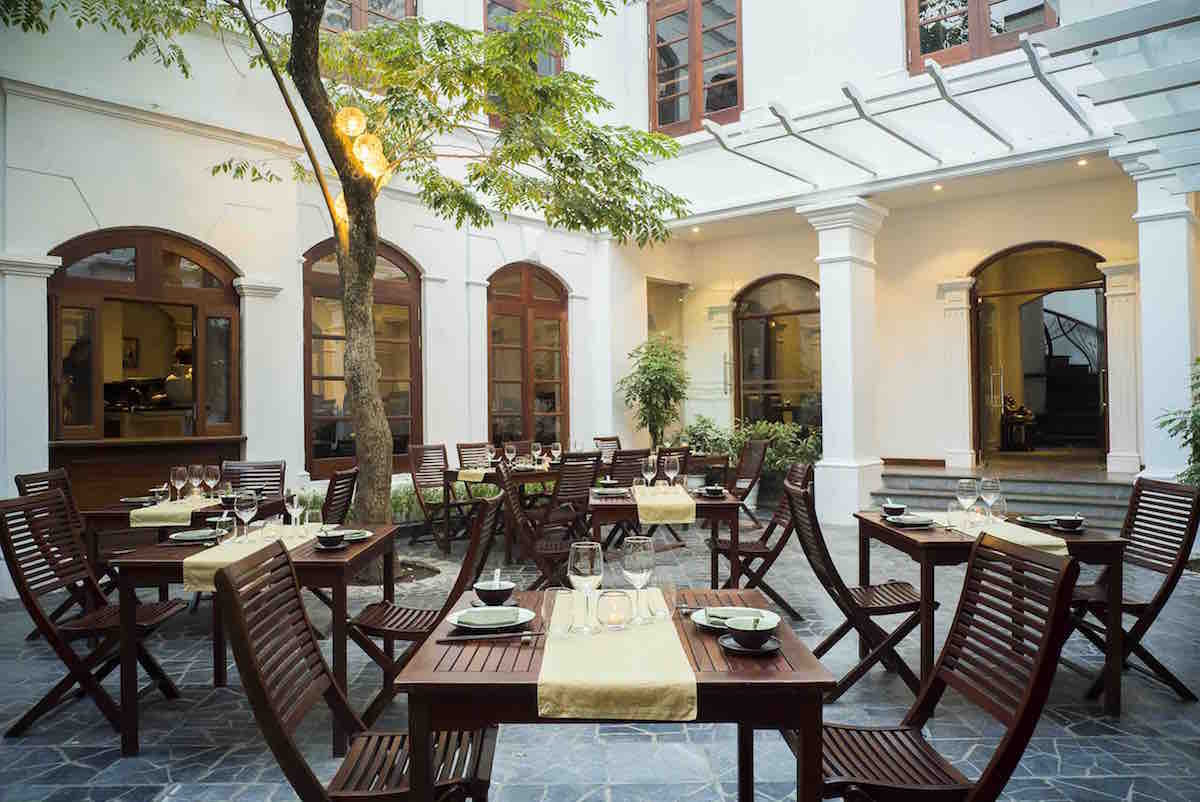
Tier 3 restaurants typically operate on tasting menus or tightly structured à la carte offerings. Vietnamese ingredients and flavor profiles are preserved, but techniques are elevated: fermentation, modern plating, controlled textures, and precise temperature management.
Service is formal and highly trained. Reservations are often required, meals follow a set pacing, and dishes are explained in detail—sometimes course by course. The dining room is quiet, intentional, and designed to support focus on the food.
Dining Experience: What to Expect
Expect smaller portions, more courses, and a longer dining time. Meals are paced deliberately, often lasting two to three hours. Staff will guide you through each dish, explaining ingredients, regional references, and culinary philosophy. This is not a place to rush, customize, or order “extra rice.” Dining here is about participation in the chef’s vision, not personal preference.
Representative Restaurants
- Gia Restaurant – Michelin-recognized modern Vietnamese tasting menus focused on seasonality and technique
- Hibana by Koki – Ultra-luxury fine dining with Japanese influence and impeccable service
- Tầm Vị – Traditional Vietnamese cuisine refined and elevated without heavy fusion
Best For Serious food travelers, Michelin followers, special occasions, and diners interested in seeing how Vietnamese cuisine evolves at the highest level.
Not Ideal For Travelers seeking home-style Vietnamese food, large portions, quick meals, or value-driven dining. This tier prioritizes experience over quantity.
Local Tip Book ahead and come with an open mind. Tier 3 restaurants reward curiosity and patience—knowing a bit about Vietnamese ingredients or regional food culture will significantly enhance the experience.
HOW TO USE THIS GUIDE
Choosing where to eat in Hanoi isn’t about finding “the best restaurant”—it’s about picking the right tier for your situation. Each level serves a different purpose, and understanding that difference will save you time, money, and disappointment.
If this is your first time in Hanoi
Start with Tier 2: Traditional Vietnamese Restaurants. This tier offers the best balance between authenticity and comfort. You’ll experience classic Vietnamese flavors without having to navigate crowds, heat, or confusing ordering systems. Once you feel more confident with local ingredients and tastes, you can explore Tier 1 selectively.
If food is your main reason for traveling
Combine Tier 1 + Tier 3. Tier 1 gives you raw, everyday Vietnamese food—the flavors locals grow up with. Tier 3 shows how those same flavors can be reinterpreted at a world-class level. Together, they provide the most complete picture of Hanoi’s food culture.
>>> See more: Cao lau: Traditional noodle dish in vietnam
If you are traveling with family or older guests
Stick primarily to Tier 2. Comfort, cleanliness, and clear menus matter more than culinary adventure in this case. Tier 2 restaurants are designed to accommodate mixed preferences and dietary sensitivities without sacrificing authenticity.
If you are hosting business partners or international guests
Choose Tier 2, or Tier 3 for special occasions. Tier 2 is safe, professional, and culturally appropriate for most meetings. Tier 3 works well for celebratory dinners or when you want to make a strong impression—provided your guests are open to fine dining.
If you are on a tight budget
Focus on Tier 1, but be selective. Look for places that specialize in a single dish and are busy with locals. Avoid peak hours if possible, go early, and don’t expect comfort or flexibility. The payoff is flavor and value.
If you want comfort above all else
Avoid Tier 1. Heat, noise, shared seating, and strong smells are part of the street food experience. Tier 2 will give you a much smoother and more enjoyable meal.
A Simple Rule of Thumb
- Tier 1 = daily local eating
- Tier 2 = safe, well-rounded Vietnamese dining
- Tier 3 = culinary experience and storytelling
Hanoi rewards diners who choose appropriately, not adventurously. Pick the tier that matches your mood, your company, and your expectations—and the food will do the rest.
CONCLUSION
Hanoi’s food culture isn’t about chasing the cheapest meal or the fanciest table—it’s about context. Each dining tier exists for a reason, and problems only arise when expectations don’t match the setting.
COMPARISON TABLE: HANOI DINING BY TIER
| Category | Tier 1: Street Food & Local Eateries | Tier 2: Traditional Vietnamese Restaurants | Tier 3: High-End & Fine Dining |
| Average Price | 50,000–120,000 VND / person (USD $2–5) | 180,000–350,000 VND / person (USD $7–15) | 1,000,000–3,000,000+ VND / person (USD $40–120+) |
| Purpose | Daily local eating | Comfortable introduction to Vietnamese food | Curated culinary experience |
| Food Style | One-dish specialty, unchanged for years | Vietnamese classics, slightly moderated | Elevated / reinterpreted Vietnamese cuisine |
| Flavor Profile | Bold, intense, uncompromising | Balanced, approachable, familiar | Precise, layered, technique-driven |
| Menu Size | Very limited (often 1–3 items) | Medium, well-curated | Fixed tasting menu or small à la carte |
| Service Level | Minimal, functional | Professional, friendly, informative | Formal, highly structured |
| English Support | Rare or basic | Standard | Fluent, detailed explanations |
| Dining Environment | Hot, loud, crowded | Air-conditioned, calm, organized | Quiet, refined, design-focused |
| Seating | Shared tables, fast turnover | Comfortable, flexible for groups | Reserved seating, long dining time |
| Customization | None | Limited | None |
| Time Commitment | 15–30 minutes | 60–90 minutes | 2–3 hours |
| Risk Level for Visitors | High | Low | Medium (expectation-driven) |
| Best For | Backpackers, food hunters, repeat visitors | First-timers, families, business meals | Foodies, special occasions |
| Not Ideal For | Comfort-seekers, elderly travelers | Budget-only travelers | Casual eaters, large portions |
Street food delivers intensity and authenticity, but demands adaptability. Traditional Vietnamese restaurants offer balance and accessibility, making them the backbone of everyday dining for both locals and visitors. High-end restaurants push Vietnamese cuisine forward, transforming familiar flavors into curated experiences rather than casual meals.
If you approach Hanoi with the mindset of “what tier fits this moment,” you’ll eat better at every level. Use Tier 2 as your foundation, explore Tier 1 with curiosity, and treat Tier 3 as a destination in itself. Do that, and Hanoi won’t just feed you—it will teach you how to eat like a local, intelligently.
BeDental – A Leading Dental Clinic for International Travelers in Vietnam
BeDental offers high-quality dental services for international travelers visiting Vietnam, combining modern technology with experienced dentists. Our services include general and cosmetic dentistry, dental implants, teeth whitening, and smile makeovers, all performed to international standards.
Designed for tourists, BeDental provides flexible appointments, English-speaking staff, and personalized treatment plans that fit travel schedules. With competitive pricing and convenient locations, BeDental allows visitors to improve their smile while enjoying their trip to Vietnam.