

 English
 한국어
한국어 日本語
日本語 中文 (中国)


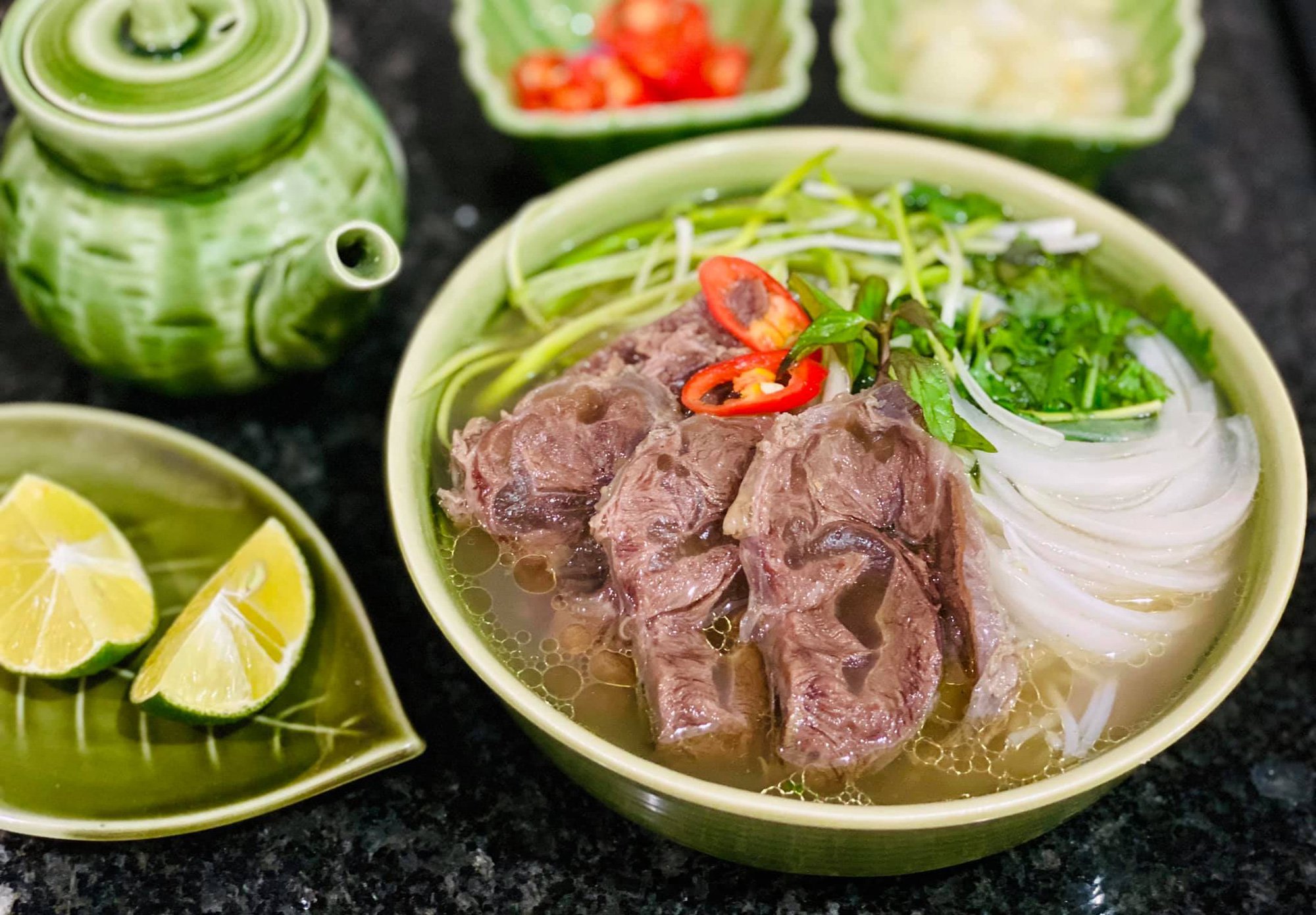
Pho Hanoi is more than just Vietnam’s most famous dish—it is a daily habit, a cultural marker, and a reflection of place. In Hà Nội, phở carries a distinct identity shaped by northern taste preferences, climate, and rhythm of life. Known for its clear broth, balanced seasoning, and minimal embellishment, Hanoi phở emphasizes restraint and harmony rather than boldness.
This guide explores phở not only as a dish, but as an experience: how it is prepared, where it is eaten, how locals order and season it, and how different settings—from established restaurants to sidewalk stalls—shape its character. Understanding these nuances allows visitors to appreciate phở as Hanoians do: simple, purposeful, and deeply woven into everyday life.
1. Introduction to Phở- Pho Hanoi
Phở is unique because of its emphasis on clarity, balance, and restraint rather than richness or strong seasoning. An authentic bowl of phở is defined by a clear, aromatic broth that achieves depth through slow simmering, not heavy spices. Flavors are carefully balanced so that sweetness, saltiness, and umami exist in harmony, while herbs and condiments are used sparingly to support the broth rather than overpower it.
>>> See more: Hanoi walking tour: old quarter route and highlights
Northern-style phở, especially in Hà Nội, reflects this philosophy most clearly. Compared to versions found in southern Vietnam or overseas, Hanoi phở is lighter, less sweet, and more restrained with herbs. Garnishes are minimal, and the focus remains firmly on the broth and noodles. Other regional adaptations may introduce stronger sweetness, more herbs, or additional sauces, but traditional northern phở values simplicity and precision.
Most importantly, phở is a daily staple, not an occasional or celebratory dish. It is commonly eaten for breakfast, lunch, or even late at night, often at small neighborhood shops or street stalls. This everyday role explains why phở prioritizes comfort, balance, and digestibility—it is designed to be eaten often, becoming part of the rhythm of daily life rather than a special indulgence.
2. The Anatomy of Authentic Hanoi Phở
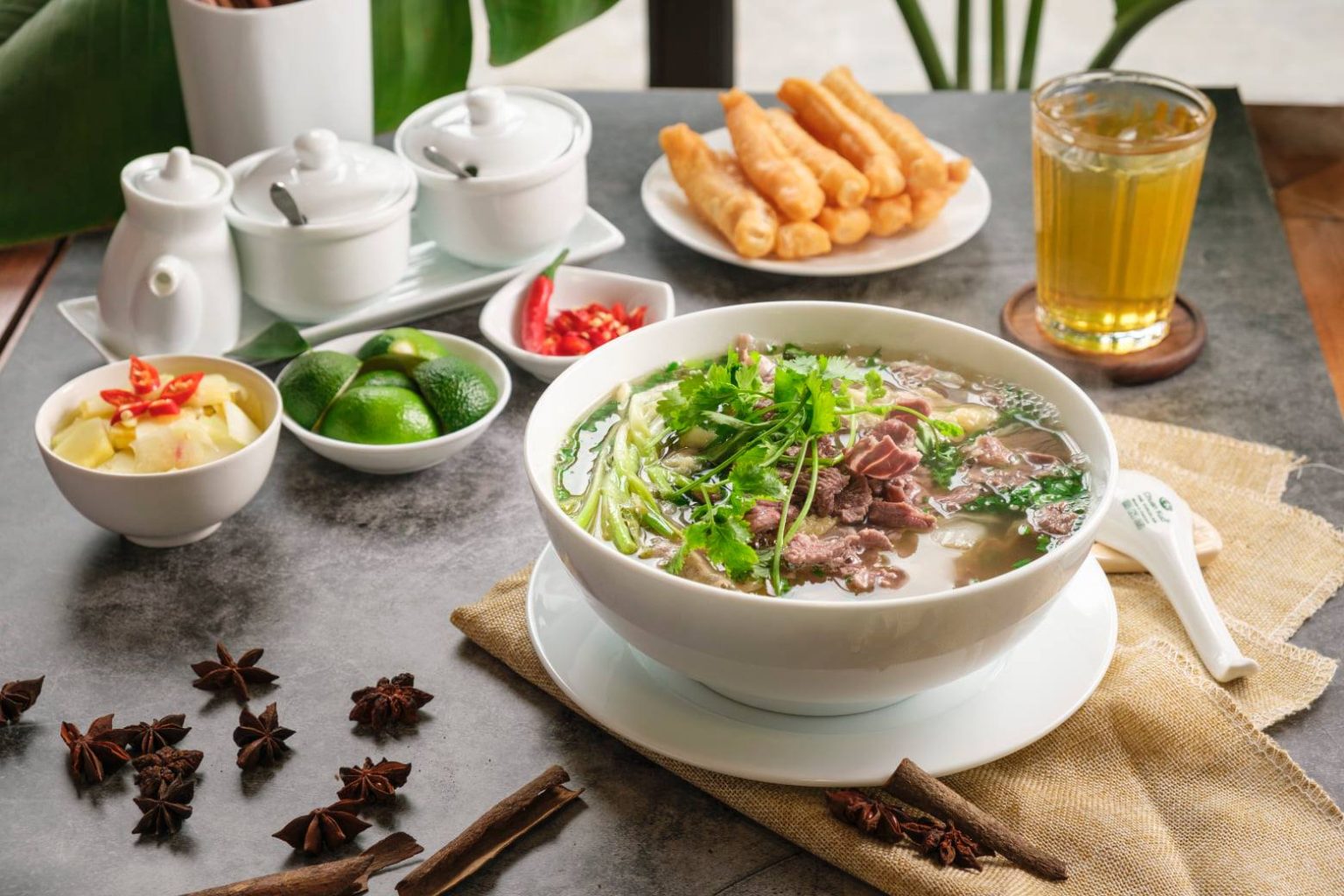
At the heart of authentic Hanoi phở is its broth, which must be clear, balanced, and aromatic. The broth is slowly simmered from bones with carefully measured spices, creating depth without heaviness. A good Hanoi broth should appear light in color but rich in aroma, with no single spice standing out. This clarity reflects the northern preference for precision and restraint rather than intensity.
The noodles, known as bánh phở, are flat rice noodles with a soft yet resilient texture. They are meant to absorb the broth without becoming mushy, creating a smooth, cohesive bite that supports rather than competes with the soup.
Meat is sliced thinly to preserve tenderness and subtlety. Common options include rare beef (tái), well-done brisket (chín), or a combination of cuts. The thin slicing allows the meat to cook gently in the hot broth, keeping flavors clean and integrated rather than dominant.
Accompaniments such as lime, chili, and herbs are available but used sparingly. Unlike other regional styles, Hanoi phở does not rely on abundant garnishes. These additions are optional and meant to fine-tune flavor, not redefine it.
Underlying all these elements is a clear philosophy: balance over heat, freshness over richness. Authentic Hanoi phở is not designed to impress through boldness, but to comfort through harmony, making it suitable for everyday enjoyment in Hà Nội.
3. Where to Find Authentic Phở in Hanoi
3.1 Established Phở Restaurants
Established phở restaurants are defined by the quality and consistency of their ingredients. Beef is carefully selected, bones are cleaned and simmered properly, and spices are measured precisely. The broth is clean, well-balanced, and stable from bowl to bowl. Flavors are controlled rather than expressive, resulting in a polished and reliable taste.
These places represent phở at its most refined. Nothing stands out sharply, but everything works together. The result is a smooth, balanced bowl that reflects professional technique and ingredient selection rather than improvisation.
3.2 Street Stalls & Sidewalk Phở
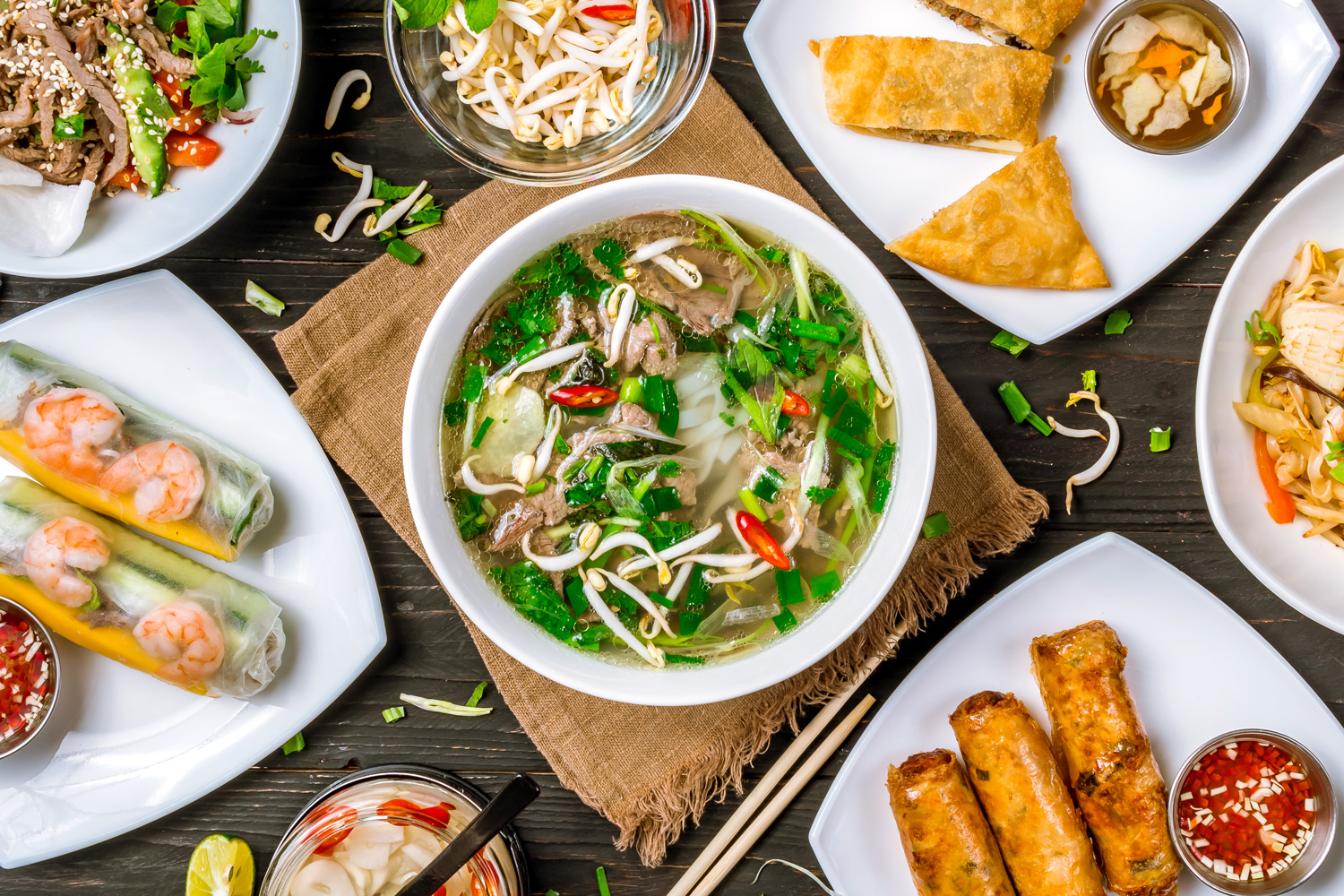
Street phở stalls rely on simpler ingredients and home-style methods. Bones and meat are more basic, spice usage is less precise, and the broth often carries stronger, rougher edges. This creates a flavor that feels more direct and personal, but also less consistent and less refined.
The appeal lies in its raw, everyday character. Street phở tastes like something cooked at home rather than perfected in a kitchen. It may be saltier, smokier, or heavier, depending on the cook and the time of day. This roughness is not a flaw, but a defining trait of sidewalk phở.
3.3 Choosing Between the Two
Neither style is more “authentic” than the other—they represent different interpretations of phở. Restaurants highlight ingredient quality, balance, and control, while street stalls emphasize familiarity, simplicity, and immediacy. Understanding this difference helps visitors choose based on preference: refinement versus character, balance versus boldness.
| Aspect | Phở at Established Restaurants | Phở at Street Stalls |
| Ingredient quality | Carefully selected beef and bones | More basic, everyday ingredients |
| Broth preparation | Clean, controlled, well-filtered | Simpler, less refined cooking |
| Flavor profile | Balanced, smooth, and polished | Stronger, rougher, more direct |
| Consistency | Very consistent from bowl to bowl | Can vary by day or time |
| Spice control | Precisely measured, restrained | Less precise, more instinctive |
| Overall taste | Refined and harmonious | Rustic and home-style |
| Dining environment | Proper seating, structured service | Sidewalk stools, informal setting |
| Experience | Calm, reliable, professional | Lively, local, spontaneous |
| Best for | First-timers, tasting “classic” balance | Experiencing everyday local life |
Authentic phở in Hanoi exists on a spectrum. Restaurants showcase ingredient quality and balance, while street stalls offer character and a homemade feel. Understanding this difference helps diners appreciate phở not as a single standard, but as a living, everyday dish shaped by context.
4. What to Order & How to Eat Like a Local
When ordering phở in Hà Nội, locals usually keep things simple and specific. Common options are based on the cut and doneness of the beef. Phở tái features thinly sliced raw beef that cooks gently in the hot broth, resulting in a soft, clean taste. Phở chín uses fully cooked brisket, offering a deeper, meatier flavor. Combinations such as tái nạm balance tenderness and richness, while tái bò viên adds beef meatballs for a firmer texture. Choosing one or two cuts is typical; ordering too many is uncommon in traditional Hanoi phở shops.
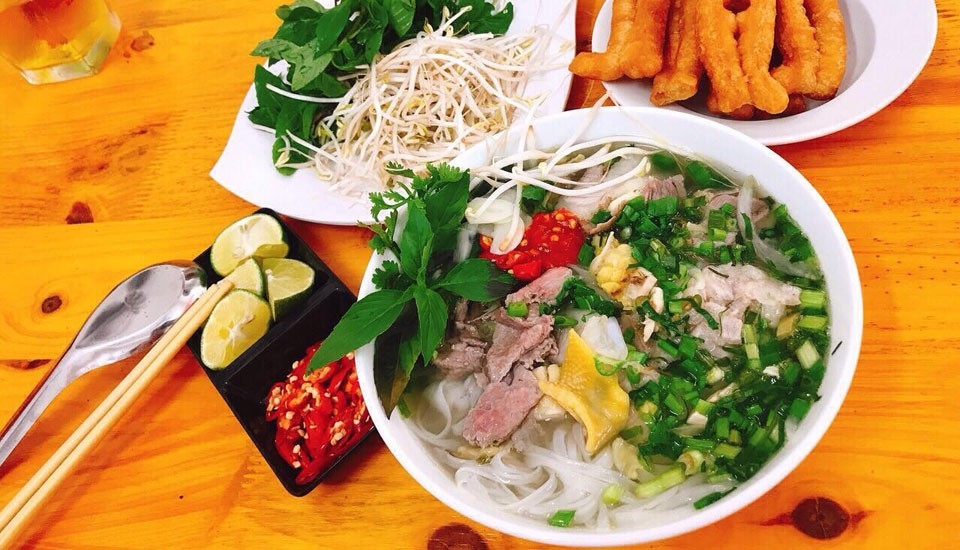
Eating phở like a local is about restraint rather than customization. Lime and fresh chili are added sparingly, usually after tasting the broth first. Fish sauce is rarely added unless the bowl feels unusually light, as a well-made broth should already be balanced. Herbs are minimal compared to southern styles, and over-seasoning is generally avoided out of respect for the cook’s work.
Phở is often enjoyed alongside Vietnamese iced coffee or, more traditionally, followed by it rather than paired directly. In colder months, some locals end their meal with egg coffee, treating phở as a savory start to a slow morning. This simple routine reflects how phở fits naturally into daily life—filling, comforting, and never overcomplicated.
5. Comparisons Phở with others
Hanoi Phở vs Phở in Hồ Chí Minh City
Hanoi phở is defined by clarity, restraint, and balance. The broth is light, clean, and gently aromatic, with minimal herbs and limited use of condiments. Beef flavor remains central, and sweetness is kept to a minimum. The bowl is designed to be complete on its own, requiring little adjustment from the diner.
In contrast, phở in Ho Chi Minh City reflects the southern preference for bolder and sweeter flavors. The broth is often richer and slightly sweet, served with a generous plate of herbs, bean sprouts, and sauces. Diners are encouraged to customize their bowl, making southern phở more expressive and adaptable, but less restrained than the northern style.
>>> See more: Vietnam food: famous dishes and local cuisine guide
Hanoi Phở vs Other Vietnamese Noodle Dishes
Compared with Bún bò Huế, Hanoi phở is much milder. Bún bò Huế is built on chili oil, fermented shrimp paste, and a heavy, spicy broth, designed to make a strong first impression. Phở, by contrast, relies on subtlety and balance rather than heat or intensity.
When placed next to Bánh cuốn, phở feels more substantial. Bánh cuốn is light, delicate, and often eaten as a gentle breakfast, while phở provides warmth and fullness through its broth and beef.
Compared with Bún thang, phở is simpler and more direct. Bún thang showcases complexity through multiple finely prepared toppings and precise layering of flavors, whereas phở expresses harmony through a limited number of carefully balanced elements.
6. Food Tour Routes
Morning Phở Loop – Old Quarter
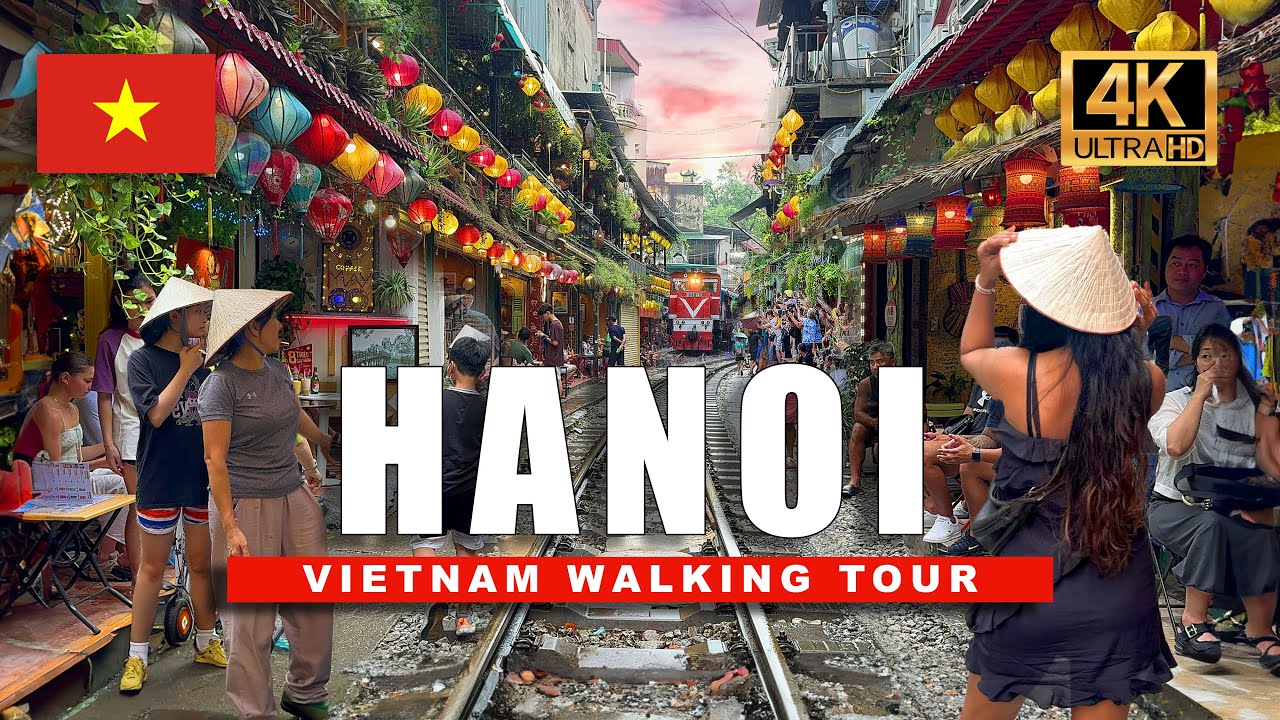
A morning phở loop in the Old Quarter focuses on traditional breakfast culture, when broth is freshest and flavors are at their cleanest. Stops are close together, allowing easy comparison between classic shops that specialize in a single style. This route highlights phở as a daily ritual—quick, purposeful, and deeply rooted in local routines—while also introducing the historical core of the city.
Neighborhood Favorites – Tây Hồ & Ba Đình
This route moves beyond tourist areas into residential neighborhoods, where phở is eaten regularly by families, office workers, and longtime locals. Broth tends to feel more home-style, portions are generous, and prices are modest. Tây Hồ offers a calmer atmosphere and slightly richer flavors, while Ba Đình reflects practicality and consistency shaped by daily demand rather than visitors.
Late-Night Phở Crawl
Late-night phở routes explore how the dish adapts after dark. These bowls are often heartier, saltier, and more comforting, catering to night workers, drivers, and late diners. The experience is informal and lively, with phở functioning as a social anchor rather than just a meal. This route reveals phở’s flexibility and its role in sustaining Hanoi’s nightlife beyond bars and cafés.
Conclusion
Authentic phở in Hanoi cannot be defined by a single bowl or a single place. It exists across restaurants, street stalls, neighborhoods, and times of day, each offering a different expression of the same foundation. Refined shops highlight ingredient quality and balance, while sidewalk stalls reveal a more rustic, home-style character. Morning bowls feel light and precise; late-night bowls feel grounding and generous.
Together, these variations show that phở is not a fixed recipe, but a living dish shaped by context. To truly understand Hanoi phở is not just to taste it once, but to notice how it changes—quietly, subtly—alongside the city itself.
BeDental – A Leading Dental Clinic for International Travelers in Vietnam
BeDental offers high-quality dental services for international travelers visiting Vietnam, combining modern technology with experienced dentists. Our services include general and cosmetic dentistry, dental implants, teeth whitening, and smile makeovers, all performed to international standards.
Designed for tourists, BeDental provides flexible appointments, English-speaking staff, and personalized treatment plans that fit travel schedules. With competitive pricing and convenient locations, BeDental allows visitors to improve their smile while enjoying their trip to Vietnam.