

 English
 한국어
한국어 日本語
日本語 中文 (中国)


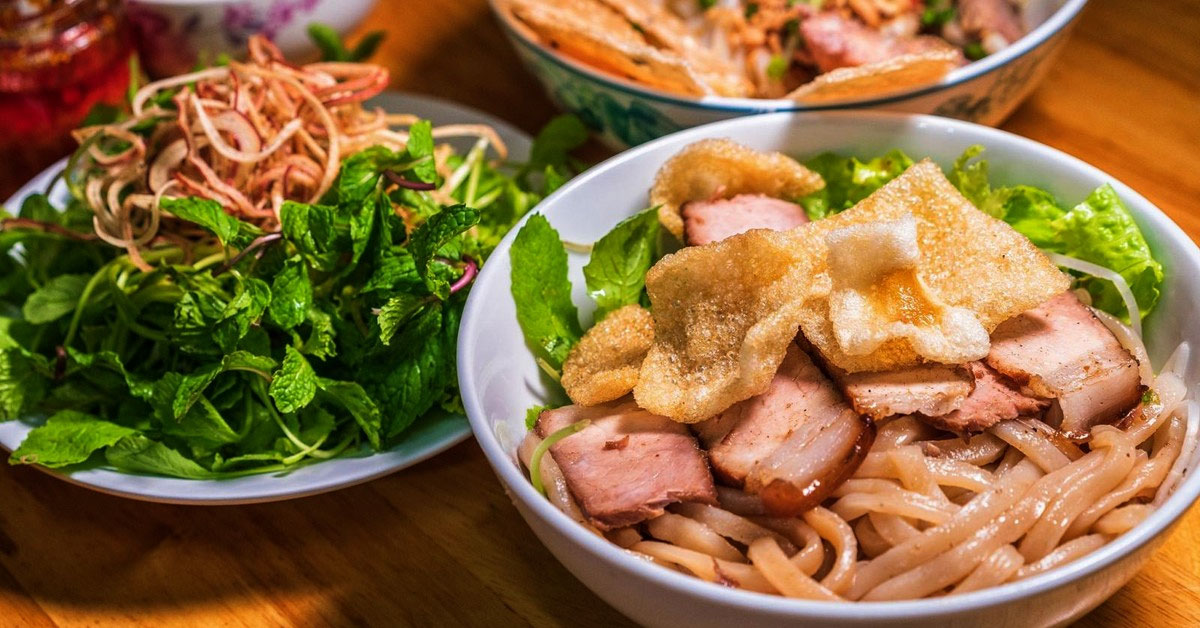
Cao lau (Cao lầu) dates back to the 17th–18th centuries, when Hội An was one of the most important trading ports in Southeast Asia. At that time, the town was a bustling commercial center where local residents and foreign merchants met to exchange goods such as silk, ceramics, and spices. This prosperous trading environment created ideal conditions for cultural interaction, which strongly influenced the daily life and cuisine of the region.
I. Origin and History of Cao Lau
As a result of this exchange, cao lầu reflects a rare blend of Vietnamese, Chinese, and Japanese culinary traditions. The thick, chewy noodles are often compared to Japanese udon, while the seasoned pork shows similarities to Chinese char siu. At the same time, the use of fresh herbs and local ingredients highlights the Vietnamese culinary identity. This combination makes cao lầu unique, as it cannot be easily classified into a single culinary tradition.
>>> See more: Vietnam food: famous dishes and local cuisine guide
The name “cao lầu” is believed to originate from the custom of merchants eating on the upper floors of wooden houses or assembly halls while conducting business below. These elevated spaces allowed traders to dine while overseeing their goods and transactions. Therefore, the dish not only represents a distinctive flavor but also serves as a reminder of Hội An’s vibrant commercial past and its long-standing cultural connections with the world.
II. Main Ingredients
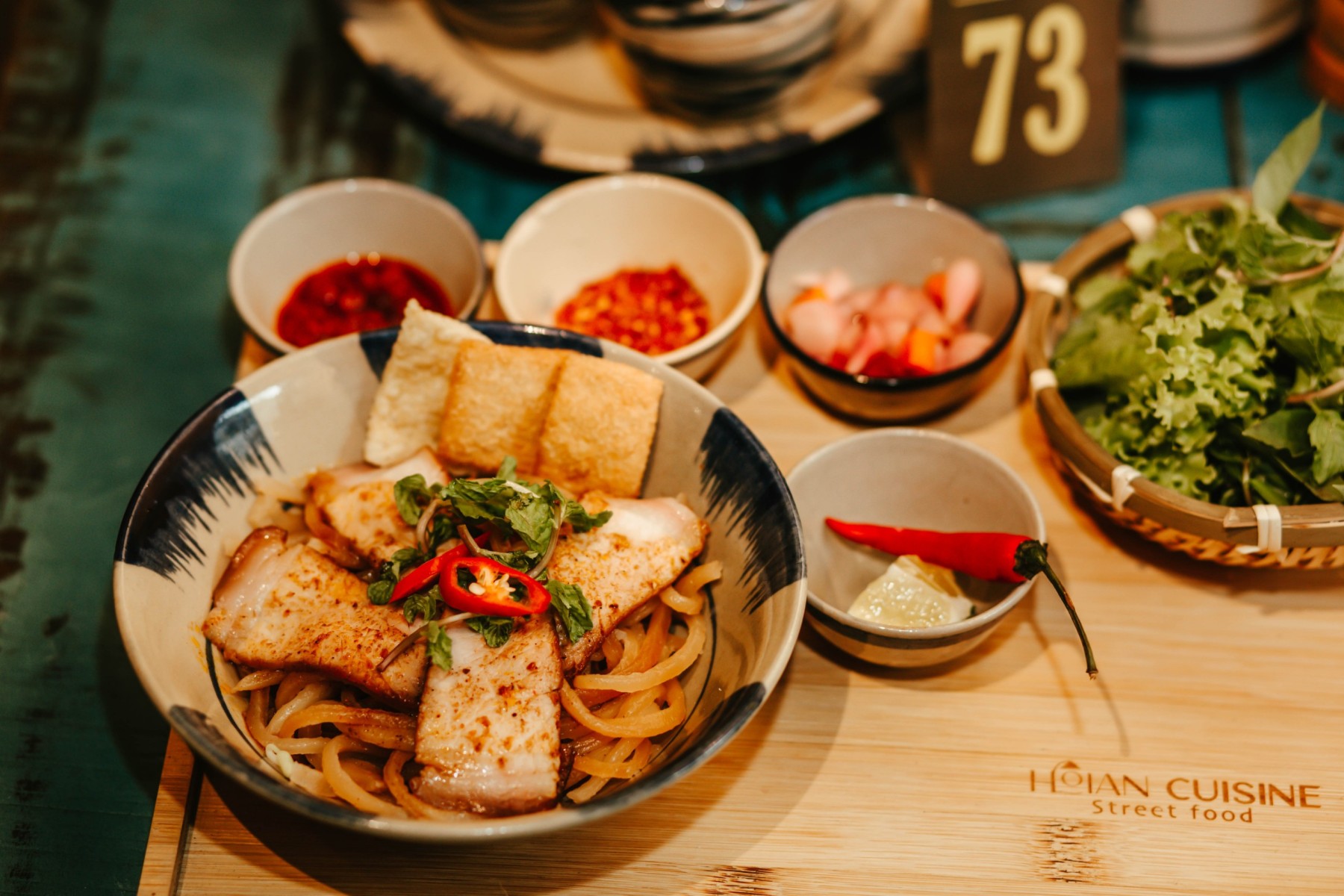
Cao lầu noodles are made from rice that is soaked in lye water derived from local wood ash. This special method gives the noodles a slightly yellow color and a chewy, firm texture that is different from other types of Vietnamese noodles. Traditionally, the rice is soaked using water taken from ancient wells in Hội An, which is believed to play an important role in creating the authentic taste of the dish.
- Cao lầu noodles: Made from rice soaked in lye water derived from local wood ash
- Char siu–style pork: marinated and roasted or braised pork
- Fresh herbs and vegetables: lettuce, mint, basil, and local greens
- Crispy pork cracklings or fried rice crackers
Another key ingredient of cao lầu is char siu–style pork. The pork is carefully marinated with spices and then roasted or braised, resulting in a rich and savory flavor. In addition, the dish includes fresh herbs and vegetables such as lettuce, mint, basil, and local greens, which add freshness and balance. Crispy pork cracklings or fried rice crackers are also added on top, providing a crunchy texture that makes the dish more enjoyable.
III. Preparation Method
The preparation of cao lầu requires great care and attention, beginning with the processing of rice to create its distinctive noodles. The rice is treated through traditional methods so that the noodles become thick, chewy, and slightly yellow in color. This careful preparation gives cao lầu noodles their unique texture, which is firmer and more elastic than many other Vietnamese noodles.
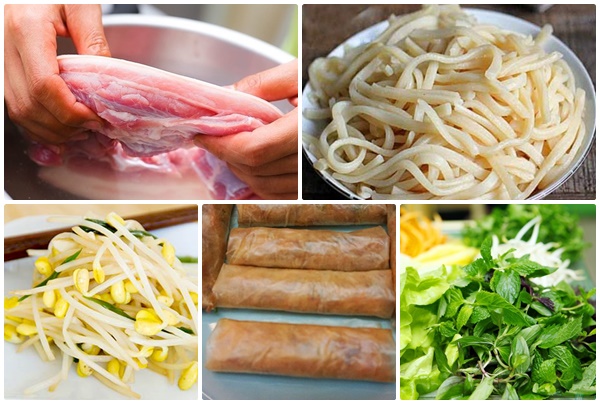
Next, the pork is seasoned with a rich and savory marinade made from a blend of spices and sauces. After being marinated for a sufficient amount of time, the pork is either roasted or braised until it becomes tender and flavorful. This process allows the meat to absorb the seasoning fully, creating a deep and satisfying taste.
Finally, cao lầu is served almost dry, with only a small amount of concentrated sauce added to the bowl. Unlike noodle soups, it is not served with broth. Instead, the sauce lightly coats the noodles and ingredients, allowing the natural flavors of the noodles, pork, and fresh herbs to stand out when mixed together before eating.
IV. Flavor and Unique Characteristics
Cao lầu is known for its chewy noodles, which have a distinctive aroma and texture unlike those of other Vietnamese noodle dishes. The firm and slightly elastic noodles create a satisfying bite, making the dish feel rich and hearty even though it is not served with much liquid. This unique texture is one of the most recognizable features of cao lầu.
In terms of flavor, cao lầu offers a well-balanced combination of savory, sweet, and slightly fatty tastes. The seasoned pork adds depth and sweetness, while the small amount of sauce enhances the overall richness without overpowering the dish. Fresh herbs and vegetables help balance these flavors by adding a refreshing contrast.
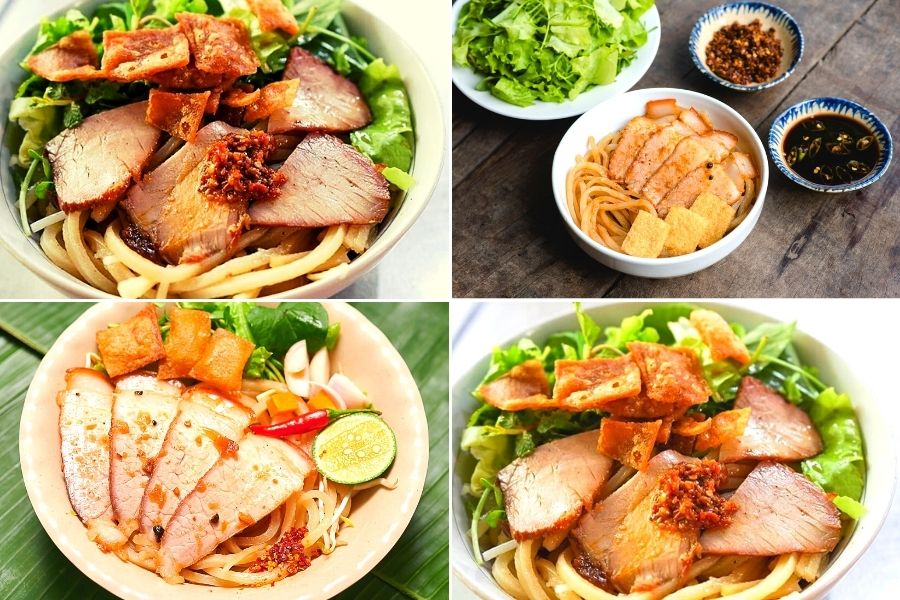
Another unique characteristic of cao lầu is the way it is eaten. Instead of being served in a bowl of broth, all the ingredients are mixed together before eating. This allows each bite to combine the noodles, pork, herbs, and crispy toppings, creating a harmonious and layered flavor experience.
Flavor Comparison Table
| Aspect | Cao lầu | Pho | Hu tieu |
| Type of dish | Almost dry noodle dish | Soup noodle dish | Soup or dry noodle dish |
| Noodles | Thick, chewy, firm | Thin, soft, flat | Medium thickness, slightly chewy |
| Broth / Sauce | Very little concentrated sauce | Clear, light beef or chicken broth | Sweeter broth from bones and seafood |
| Main flavors | Savory, slightly sweet, mildly fatty | Light, aromatic, naturally sweet | Sweet, rich, and flavorful |
| Greasiness | Mild | Low | Medium to high (varies by style) |
| Eating style | Ingredients are mixed before eating | Eaten with plenty of broth | Can be mixed or eaten with broth |
| Overall feeling | Rich and hearty | Light and refreshing | Flavorful and filling |
The table highlights clear differences in flavor and eating style among cao lầu, pho, and hu tieu. Cao lầu stands out for its thick, chewy noodles and rich, concentrated flavors, as it is served almost dry with only a small amount of sauce. In contrast, pho is known for its light and aromatic broth, which creates a clean and refreshing taste that is easy to eat every day. Meanwhile, hu tieu offers a sweeter and richer flavor profile, thanks to its broth made from bones and seafood, and it can be enjoyed either as a soup or a dry noodle dish. Overall, while pho focuses on simplicity and balance, and hu tieu emphasizes sweetness and variety, cao lầu delivers a bold and distinctive eating experience that reflects its unique regional identity.
V. Notable Cao Lầu Restaurants Across Vietnam
1. Cao Lầu Bá Lễ (Hội An)
Cao Lầu Bá Lễ is often regarded as one of the most authentic places to experience traditional cao lầu in its place of origin. The restaurant is known for its firm, chewy noodles that closely match the traditional texture described in local culinary accounts. The pork is well-marinated, slightly sweet, and balanced, while the amount of sauce is carefully controlled, ensuring the dish is flavorful without becoming greasy. What makes Bá Lễ stand out is its consistency and adherence to traditional methods, making it a benchmark against which other versions of cao lầu are often compared.
>>> See more: Pho hanoi: where to find authentic pho in hanoi
2. Cao Lầu Thanh (Hội An)
Cao Lầu Thanh represents a more modest, family-style approach to the dish. Unlike restaurants that emphasize presentation, this small eatery focuses on balance and simplicity. The noodles are slightly softer than those at Bá Lễ, but still retain the characteristic chewiness of cao lầu. The flavor profile is milder and less sweet, which many locals appreciate. This restaurant demonstrates how cao lầu can vary even within Hội An while still remaining authentic, highlighting the flexibility of traditional cooking within strict cultural boundaries.
3. Cao Lầu Hoài Phố (Đà Nẵng)
Cao Lầu Hoài Phố is one of the better-known places serving cao lầu outside Hội An. While the dish here cannot fully replicate the original due to differences in ingredients, the restaurant succeeds in preserving the overall structure and spirit of cao lầu. The noodles are slightly less firm, and the sauce is richer to suit local tastes. This version illustrates how cao lầu adapts when it moves beyond its place of origin, maintaining recognizable characteristics while undergoing regional modification.
4. Hoi An Sense Restaurant (Ho Chi Minh City)
Hoi An Sense Restaurant offers a carefully reconstructed version of cao lầu in southern Vietnam. The dish here is clearly influenced by the original Hội An style, but it is adjusted for a broader audience. The noodles are chewy but lighter, and the pork tends to be sweeter and more generously portioned. Although this version lacks the full depth of the original due to ingredient substitution, it plays an important role in introducing cao lầu to diners who may never visit Hội An, thereby expanding the dish’s cultural reach.

Overall Evaluation
These selected restaurants demonstrate how cao lầu exists on a spectrum ranging from strictly traditional to carefully adapted interpretations. While eateries in Hội An remain the most authentic, restaurants in other regions show how the dish evolves when removed from its original cultural and geographical context. This contrast further reinforces the idea that cao lầu is not just a noodle dish, but a culinary symbol deeply rooted in place.
VI. Cultural and Tourism Value
Cao lầu is widely considered a signature dish of Hội An, representing the town’s rich culinary heritage and long history of cultural exchange. For local people, the dish is more than everyday food; it is a symbol of regional pride and traditional cooking methods that have been passed down through generations.
Today, cao lầu is extremely popular among both locals and tourists. Visitors to Hội An often seek out this dish as part of their cultural experience, enjoying it in small local restaurants or traditional eateries. Tasting cao lầu allows tourists to connect more deeply with the history and lifestyle of the ancient town, making food an important part of the travel experience.
Authentic cao lầu is difficult to reproduce outside Hội An due to its unique ingredients and preparation methods. The special noodles, lye water, and even the water from ancient wells are believed to play a crucial role in creating its distinctive flavor and texture. As a result, cao lầu remains a dish that is closely tied to its place of origin, further enhancing its cultural and tourism value.
BeDental – A Leading Dental Clinic for International Travelers in Vietnam
BeDental offers high-quality dental services for international travelers visiting Vietnam, combining modern technology with experienced dentists. Our services include general and cosmetic dentistry, dental implants, teeth whitening, and smile makeovers, all performed to international standards.
Designed for tourists, BeDental provides flexible appointments, English-speaking staff, and personalized treatment plans that fit travel schedules. With competitive pricing and convenient locations, BeDental allows visitors to improve their smile while enjoying their trip to Vietnam.