

 English
 한국어
한국어 日本語
日本語 中文 (中国)


Loose teeth during braces in Vietnam: Many patients undergoing orthodontic treatment feel concerned when they notice their teeth becoming slightly loose. For people receiving braces in Vietnam, this is a common question during treatment: Is it normal for teeth to feel loose during braces?
In most cases, the answer is yes. Mild tooth mobility is a normal and expected part of orthodontic treatment. Braces work by applying controlled forces that gradually move teeth through the bone, and this process temporarily makes teeth feel less stable.
However, excessive looseness may indicate other dental problems that require professional attention. This article explains why teeth can feel loose during braces, when it is normal, and when patients should consult an orthodontist.
Why Teeth Become Loose During Braces
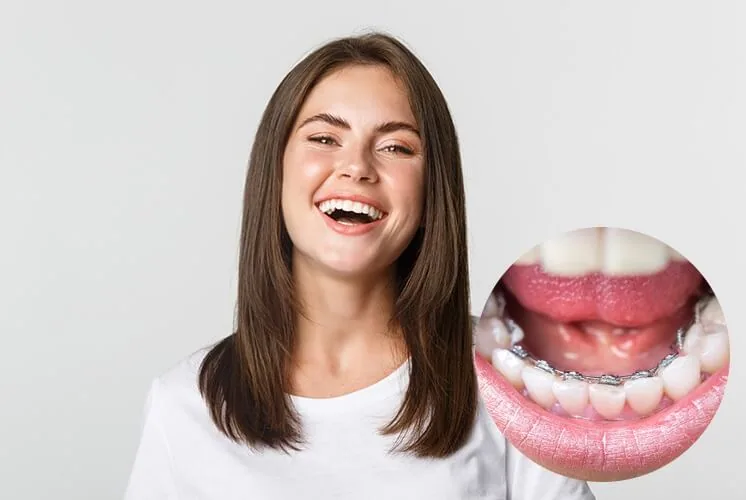
Orthodontic braces move teeth through a biological process known as bone remodeling.
When braces apply gentle pressure to teeth:
- The bone in front of the tooth gradually breaks down.
- New bone forms behind the tooth.
- The tooth slowly moves into a new position.
During this process, the ligaments that hold the tooth in place temporarily loosen, which can cause teeth to feel slightly mobile.
This mild movement is actually a sign that orthodontic treatment is working properly.
How Loose Teeth During Braces Usually Feel
Patients may notice several sensations during orthodontic treatment, especially after braces are tightened or aligners are changed. In most cases, these symptoms are temporary and expected because the teeth, gums, and supporting bone are responding to controlled orthodontic force.
| Symptom | Description | When It May Not Be Normal |
| Slight tooth mobility | Teeth may feel slightly loose when touched with the tongue or fingers. | It may not be normal if the tooth feels extremely loose, mobility suddenly worsens, or the looseness continues to increase instead of stabilizing. |
| Pressure when biting | Teeth may feel sensitive or pressured when chewing, especially on hard foods. | It may not be normal if the pain becomes sharp, severe, or lasts for a long time even without chewing. |
| Temporary soreness after adjustments | Teeth may feel tender for a few days after tightening or wire changes. | It may not be normal if the soreness lasts longer than about a week, becomes intense, or is accompanied by swelling or signs of infection. |
| Visible tooth movement | Teeth gradually change position during treatment. | It may not be normal if a tooth appears to shift suddenly into an unusual position, feels unstable, or causes bite problems that worsen quickly. |
| Mild gum tenderness | The gums around moving teeth may feel a little sore or irritated. | It may not be normal if the gums become very swollen, bleed heavily, develop pus, or remain painful for many days. |
| Difficulty chewing hard foods | Biting into hard or crunchy foods may feel uncomfortable during active tooth movement. | It may not be normal if the discomfort prevents normal eating for an extended period or is felt in only one tooth with severe pain. |
| Sensitivity to pressure in one area | One or several teeth may feel more sensitive than others at certain stages of movement. | It may not be normal if one tooth becomes very painful to touch, darkens in color, or feels loose without recent adjustment. |
| Tenderness after changing aligners | With clear aligners, teeth may feel sore or tight for the first few days of a new tray. | It may not be normal if the tray does not fit properly, causes severe pain, or creates gum injury and persistent pressure in one area. |
| Feeling of “different bite” after adjustment | The bite may feel slightly unfamiliar as teeth shift. | It may not be normal if the bite suddenly becomes severely uneven, prevents proper closing, or causes jaw pain that keeps worsening. |
| Minor irritation from brackets or wires | Braces may rub against the cheeks, lips, or tongue. | It may not be normal if a wire is poking deeply into the tissue, causing cuts, bleeding, or significant difficulty speaking or eating. |
These symptoms usually appear during the first few days after braces are tightened and then gradually improve. Mild looseness is generally expected and does not mean the teeth are being damaged.
However, patients should contact their orthodontist if they notice severe mobility, persistent or worsening pain, swelling, bleeding, pus, gum recession, or a tooth that feels much looser than the others.
How Common Is Tooth Looseness During Braces?
Tooth looseness, or mild tooth mobility, is a very common and expected part of orthodontic treatment. As braces apply controlled force to move teeth, the surrounding bone and periodontal ligament temporarily remodel, which can make teeth feel slightly loose during certain stages of treatment.
This mobility is usually mild and remains within physiological limits rather than indicating damage. Research has shown that orthodontic treatment can temporarily increase tooth mobility, but after retention, mobility generally returns to normal physiological levels.
At Bedetna, internal clinical monitoring also shows that tooth mobility is a frequent complaint during active braces treatment. According to internal data, approximately 41% of orthodontic patients reported feeling mild tooth looseness during treatment, most commonly in the early alignment phase or after wire adjustments. In the majority of these cases, mobility was assessed as mild and consistent with normal orthodontic tooth movement, with no sign of pathological instability. 87% of these patients showed improved stability after entering the retention phase.
This means that, in most cases, slight looseness during braces is not a sign that the tooth is “falling out,” but rather a sign that the tooth is responding to orthodontic force as intended. Once treatment is completed and the teeth are held in their corrected positions, the surrounding bone gradually reorganizes and the teeth become firmly anchored again. Studies also note that post-treatment retainers help reduce the increased tooth mobility caused by orthodontic treatment back to normal levels.
Factors That Can Increase Tooth Mobility During Braces
Several factors may increase the risk of noticeable tooth looseness during orthodontic treatment.
Poor Oral Hygiene
Braces create many small areas where plaque can accumulate. If teeth are not cleaned properly, gum inflammation may develop, which can weaken the support around teeth.
Gum Disease
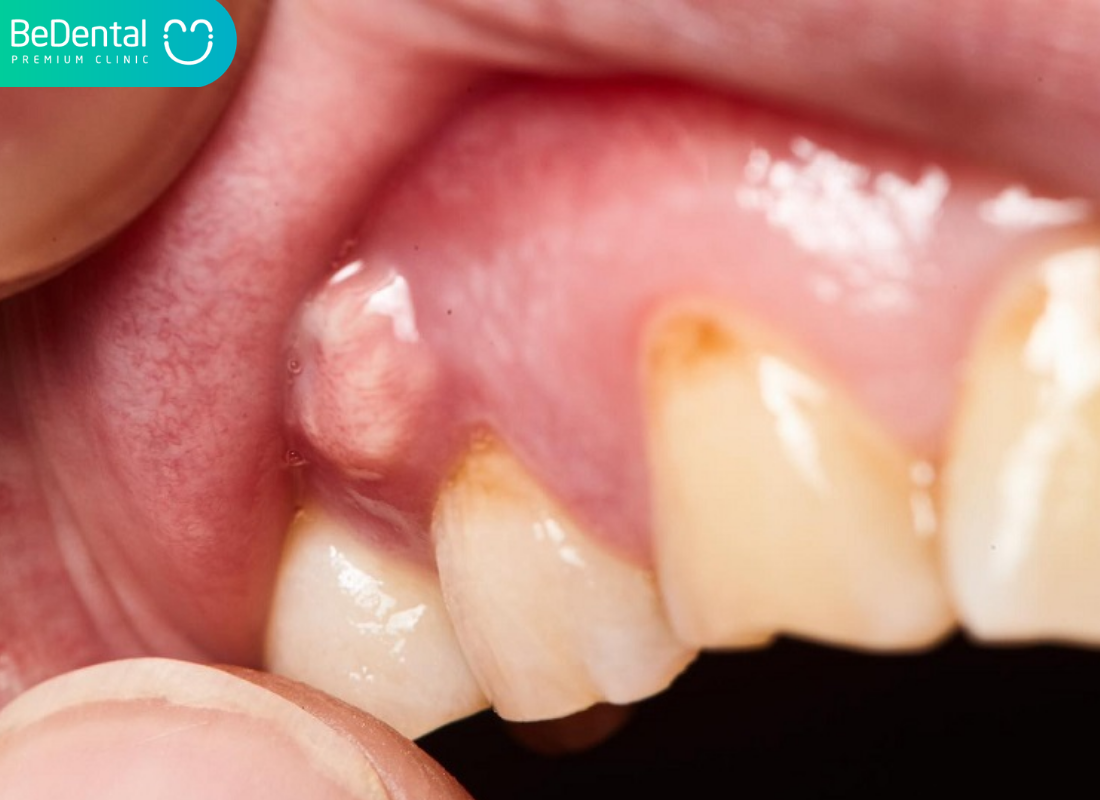
Untreated periodontal disease can cause bone loss around the teeth, leading to increased tooth mobility.
See more: Orthodontic Treatment in Vietnam
Excessive Orthodontic Force
Orthodontists carefully control the force applied to teeth. However, applying too much pressure may increase mobility or cause discomfort.
Smoking

Smoking can reduce blood flow to gum tissues and slow healing, increasing the risk of periodontal problems during orthodontic treatment.
How Orthodontists Manage Tooth Mobility
Orthodontists do not treat tooth mobility during braces as something to ignore. Instead, they monitor it closely throughout treatment to make sure the teeth are moving safely, the surrounding tissues remain healthy, and the bite stays stable. Mild mobility is often a normal response to orthodontic force, but it still needs professional evaluation at each stage of treatment.
| What the Orthodontist Monitors | What They Check | Why It Matters | How They May Respond |
| Tooth mobility level | The orthodontist checks whether the tooth has only slight, expected movement or whether the looseness is greater than normal. They compare mobility across different teeth and monitor whether it changes over time. | This helps distinguish normal orthodontic mobility from excessive mobility that may suggest overloading, trauma, or reduced support. | If mobility is higher than expected, they may reduce the orthodontic force, delay further activation, or allow the tooth more time to stabilize before continuing movement. |
| Gum health | The gums are examined for redness, swelling, tenderness, bleeding, or signs of inflammation around the moving teeth. | Healthy gums are essential for safe tooth movement. Inflamed or infected gums can worsen mobility and increase the risk of periodontal problems. | The orthodontist may recommend improved oral hygiene, professional cleaning, medicated rinses, or short-term monitoring before making additional adjustments. |
| Bone and periodontal support | The orthodontist evaluates how well the tooth is supported by the surrounding bone and periodontal tissues. In some cases, X-rays may be used to assess root position and bone condition. | Teeth can only move safely when the supporting structures remain healthy. Reduced bone support may make a tooth more vulnerable to excessive looseness. | If support appears compromised, treatment mechanics may be changed, force may be reduced, or movement of that tooth may be slowed or temporarily paused. |
| Orthodontic force level | The dentist reviews whether the wire, elastic, spring, or aligner is applying an appropriate amount of pressure. | Excessive force can increase discomfort, mobility, and the risk of complications, while controlled force promotes healthier tooth movement. | The orthodontist may switch to a lighter wire, adjust elastics, reposition brackets, modify aligner staging, or reduce the pressure placed on certain teeth. |
| Tooth response over time | At each visit, the orthodontist checks whether the tooth is becoming more stable, moving as planned, or showing signs of delayed recovery. | A single episode of mild looseness may be normal, but worsening mobility over time needs closer attention. | They may extend the interval between adjustments, observe the tooth for longer, or change the treatment sequence to protect the tooth. |
| Bite relationship | The orthodontist examines how the upper and lower teeth contact each other during biting and chewing. | An unstable bite or traumatic contact can place extra stress on certain teeth and make mobility worse. | They may reshape the treatment plan, adjust tooth positions, or correct bite interference to reduce excessive pressure on the affected tooth. |
| Signs of root or tooth stress | The orthodontist looks for unusual pain, prolonged sensitivity, discoloration, or signs that a tooth is not responding normally. | These signs can indicate that the tooth may be under excessive stress or needs further evaluation. | Additional imaging, vitality testing, referral, or modification of the treatment plan may be needed before continuing active movement. |
| Oral hygiene and plaque buildup | They assess whether plaque, tartar, or food retention around brackets and wires is affecting gum health. | Poor oral hygiene can lead to gum inflammation, which may increase the feeling of looseness and complicate treatment. | The orthodontist may reinforce brushing and flossing instructions, recommend orthodontic cleaning tools, or request periodontal care if needed. |
| Retention and stabilization needs | Near the end of treatment, the orthodontist evaluates whether the teeth are ready for retention and long-term stabilization. | Teeth need time to settle after movement, and retention is important to reduce relapse and help the supporting tissues reorganize. | Retainers are prescribed to hold the teeth in their corrected positions while bone and gum tissues stabilize. |
This close monitoring helps ensure that tooth movement remains controlled, healthy, and biologically safe throughout orthodontic treatment.
See more: Does getting braces hurt? Which stage is the most painful?
Orthodontic Care in Vietnam

Vietnam has become a growing destination for orthodontic treatment due to several important advantages, including modern dental technology, experienced orthodontists, and relatively affordable treatment costs. Dental clinics in major cities such as Hanoi and Ho Chi Minh City now provide advanced orthodontic services, including digital treatment planning, clear aligners, and comprehensive bite correction.
Among these providers, Bedental is one of the dental clinics offering modern orthodontic care in Vietnam. According to internal clinical records at Bedental, approximately 22% of orthodontic patients choose fixed braces, while 54% prefer more aesthetic options such as clear aligners or ceramic braces. In addition, 34% of orthodontic cases at Bedental involve comprehensive bite correction alongside tooth alignment, reflecting the clinic’s focus on both aesthetics and functional outcomes.
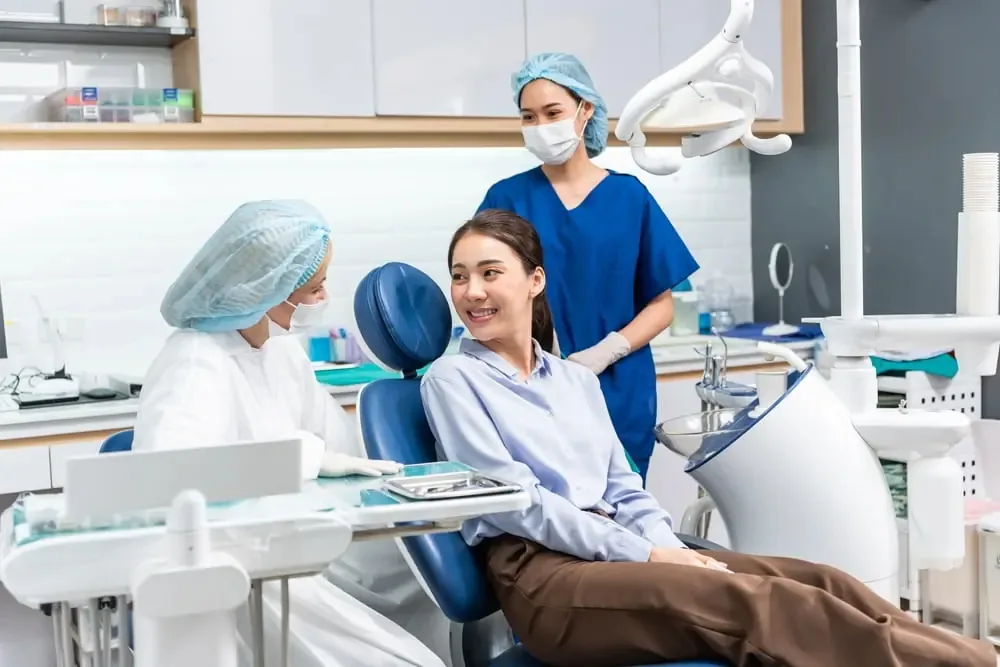
Bedental emphasizes personalized treatment planning, careful monitoring of tooth movement, and the use of up-to-date orthodontic techniques to support both safety and effectiveness throughout the treatment process. Based on internal treatment monitoring, around 34% of patients attend follow-up appointments on schedule, allowing orthodontists to closely evaluate tooth mobility, gum health, bone support, and force levels during active treatment. This regular supervision helps identify potential concerns early and allows timely adjustment of orthodontic forces when necessary.
With proper orthodontic care, regular follow-up appointments, and good oral hygiene, most patients can experience safe and effective tooth movement during braces treatment. Internal data from Bedental also indicate that approximately 96% of orthodontic patients complete treatment with stable alignment and satisfactory bite improvement, while 56% of cases involving mild tooth mobility are resolved through routine monitoring and force adjustment without serious complications. Choosing a clinic with experienced orthodontic supervision, such as Bedental, can therefore help ensure that issues like tooth mobility are identified early and managed appropriately.
Conclusion
Loose teeth during braces in Vietnam are usually a normal part of orthodontic treatment. Braces move teeth by gradually shifting them through the bone, which temporarily makes teeth feel slightly mobile.
In most cases, this looseness is mild and temporary, and teeth will stabilize once orthodontic treatment is completed and retainers are used.
However, patients should contact their orthodontist if they notice severe tooth mobility, persistent pain, or gum problems. With proper monitoring and oral care, orthodontic treatment can safely improve both the function and appearance of the smile.
See more: Braces near me in Vietnam