

 English
 한국어
한국어 日本語
日本語 中文 (中国)


Failed braces treatment in Vietnam: Orthodontic treatment is designed to straighten teeth, correct bite problems, and improve oral health. However, in some cases, patients may experience failed braces treatment, meaning the results do not meet expectations or the teeth shift back after treatment.
Although most orthodontic procedures in Vietnam are successful, failures can occur due to improper treatment planning, poor oral care, or lack of follow-up retention. Understanding the causes and solutions can help patients prevent complications and achieve better long-term results.
This article explains the common reasons for failed braces treatment in Vietnam, warning signs, and available solutions for correcting orthodontic problems.
What Is a Failed Braces Treatment?
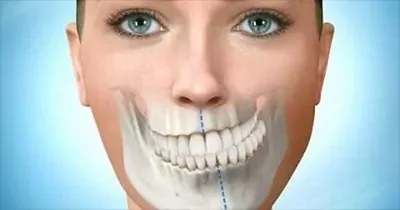
Failed braces treatment refers to a situation in which orthodontic treatment does not successfully achieve its original goals, such as properly aligning the teeth, correcting the bite, or improving overall oral function and aesthetics. In other words, even after wearing braces for a long period of time, the final result may still fall short of what was planned or expected.
This problem can happen at different stages of treatment. In some cases, the signs appear while braces are still on, such as teeth not moving in the expected direction, the bite becoming worse, or new spacing and crowding developing. In other cases, treatment may seem successful at first, but problems appear after the braces are removed. Teeth may gradually shift back to their previous positions, the bite may become unstable, or the patient may experience discomfort when chewing or speaking.
| Severity level | Description | Common signs | Possible impact |
| Mild | Minor treatment shortcomings that do not severely affect oral function | Slight relapse, small gaps, mild crowding, teeth not perfectly straight | Mostly aesthetic concerns, may need retainer adjustment or minor refinement |
| Moderate | Noticeable treatment problems affecting both appearance and some function | Uneven bite, moderate relapse, visible spacing, midline shift, incomplete alignment | Reduced confidence, chewing discomfort, need for additional orthodontic correction |
| Severe | Major orthodontic failure with clear functional and structural consequences | Significant bite problems, severe relapse, jaw pain, difficulty chewing, teeth wearing unevenly | Oral health complications, functional impairment, possible need for retreatment or multidisciplinary care |
Failed Braces Treatment Rate: Vietnam vs Other Countries
The success rate of orthodontic treatment depends on several factors, including clinical expertise, patient compliance, and post-treatment retention. Globally, orthodontic relapse is relatively common, but the rate can vary between regions due to differences in treatment protocols and follow-up care.
Below is a general comparison of estimated orthodontic treatment failure or relapse rates.
| Region | Estimated Failed Braces / Relapse Rate | Contributing Factors |
| Vietnam | 10–20% | Increasing number of specialized orthodontic clinics, competitive dental market, and strong emphasis on retention programs in major dental centers. |
| United States | 20–30% | High orthodontic treatment volume; relapse often related to poor retainer compliance and patient follow-up. |
| Europe | 18–28% | Similar relapse patterns to the U.S., especially when long-term retainer use is inconsistent. |
Why is the failure rate lower in Vietnam? Several factors contribute to relatively lower relapse rates in many modern dental clinics in Vietnam:
- Close follow-up care: Patients often return for regular orthodontic checkups during and after treatment.
- Structured retention programs: Many clinics emphasize long-term retainer use to prevent relapse.
- Growing orthodontic specialization: An increasing number of dentists receive international orthodontic training.
- Competitive dental industry: Clinics focus strongly on treatment quality and patient satisfaction.
Additionally, the rise of digital orthodontic technologies such as 3D scanning and treatment simulation has improved treatment planning accuracy, helping reduce the risk of failed orthodontic outcomes.
Overall, while orthodontic relapse can occur in any country, proper treatment planning, patient compliance, and consistent retainer use can significantly reduce the risk of failed braces treatment.
See more: Braces near me in Vietnam
Common Causes of Failed Braces Treatment
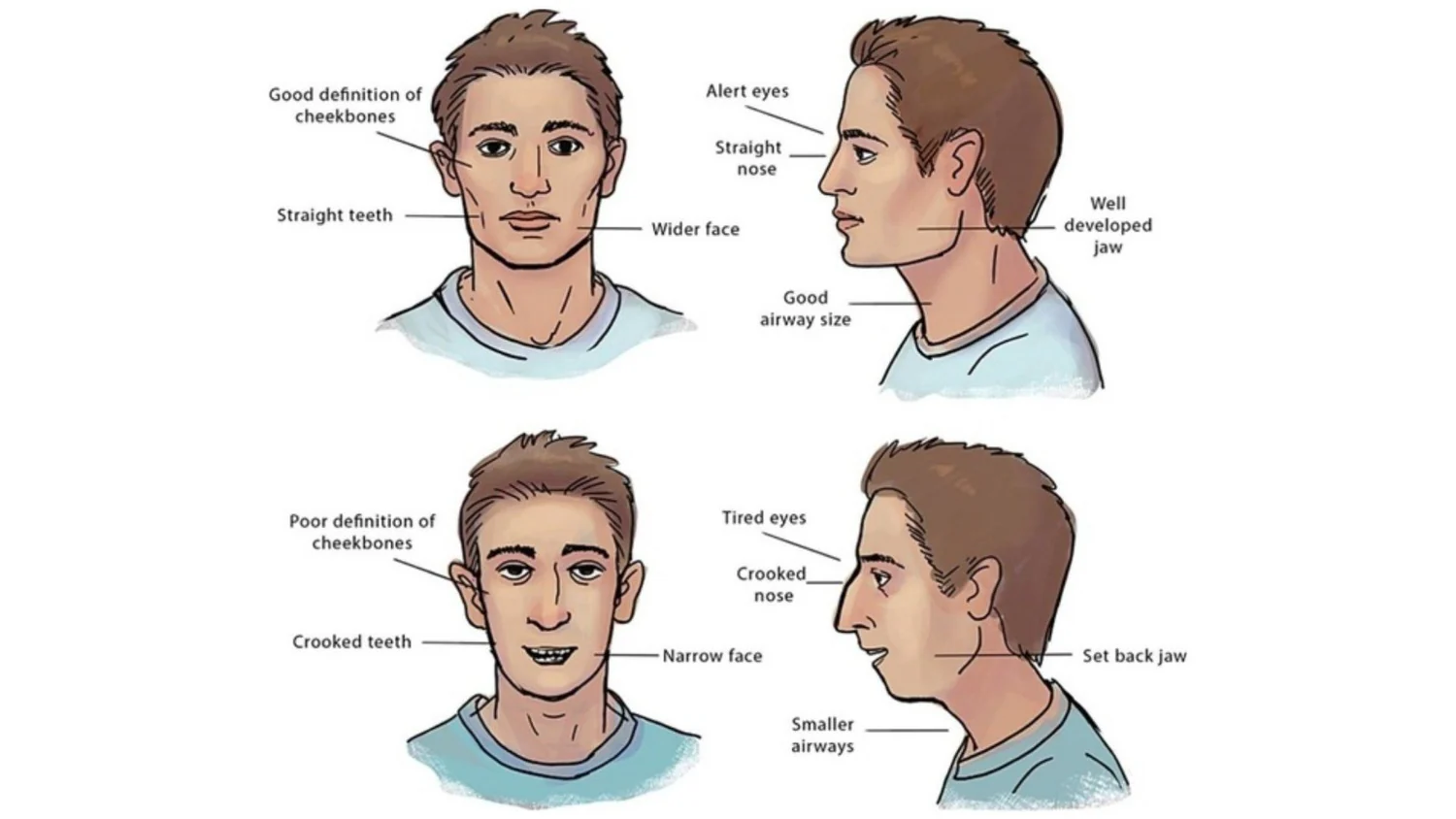
Failed orthodontic treatment can occur due to multiple clinical and behavioral factors. In practice, most unsuccessful outcomes are not caused by a single issue but rather by a combination of treatment planning, patient cooperation, and post-treatment care.
Based on clinical observations from orthodontic cases at BeDental, the most common causes of failed braces treatment can be summarized in the table below.
| Cause | Description | Impact on Orthodontic Results | Estimated Frequency at BeDental |
| Incomplete orthodontic diagnosis | Treatment planning is insufficient because the orthodontist did not fully evaluate jaw relationships, tooth structure, or bite alignment using tools such as X-rays and digital scans. | May lead to incomplete correction of bite problems, improper tooth movement, or unstable results after braces. | 10–15% of problematic cases |
| Lack of orthodontic experience | Orthodontics requires specialized training. If treatment is performed without adequate orthodontic expertise, tooth movement may not follow the correct biomechanical principles. | Can cause uneven alignment, unstable bite relationships, or prolonged treatment time. | 10–20% of cases referred for retreatment |
| Poor oral hygiene during treatment | Brackets and wires can trap food and plaque. Without proper cleaning, patients may develop tooth decay, gum inflammation, or enamel damage around brackets. | These complications may interrupt orthodontic treatment or compromise long-term oral health. | 15–20% of patients experience hygiene-related issues |
| Poor patient compliance | Orthodontic treatment requires patient cooperation, including wearing elastics, attending adjustment appointments, and following oral care instructions. | Lack of compliance slows tooth movement and may prevent proper bite correction. | 20–25% of treatment complications |
| Not wearing retainers after braces | After braces removal, teeth require stabilization with retainers. If retainers are not worn regularly, teeth may gradually move back to their original positions. | Leads to orthodontic relapse, including crowding, gaps reopening, or bite changes. | Most common cause – about 35–45% of relapse cases |
How Failed Braces Treatment in Vietnam Can Be Corrected
Fortunately, failed orthodontic treatment can often be corrected with proper professional care.
| Correction method | Suitable for | What it involves | Estimated treatment time | Limitations |
| Orthodontic retreatment | Mild to moderate failed results | Reapplying braces or using clear aligners to move teeth into better positions | Often 6–12 months in mild cases, longer in moderate cases | Requires patient compliance and may increase total treatment time |
| Minor alignment correction with clear aligners | Mild relapse | A series of removable aligners used to shift teeth gradually | Usually shorter than full retreatment | Not suitable for severe bite problems or complex tooth movement |
| Retainer adjustment or replacement | Very early relapse | Modifying an existing retainer or providing a new one to control tooth shifting | Short-term management, depending on relapse severity | Only effective when the relapse is minimal and detected early |
| Comprehensive orthodontic treatment | Moderate to severe failed treatment | Full reassessment followed by complete orthodontic correction, sometimes with additional appliances | May take over 12 months depending on complexity | Longer treatment time, more complex planning, and higher cost |
| Multidisciplinary correction | Severe cases with functional or structural complications | Combined treatment involving orthodontists and sometimes prosthodontists, periodontists, or oral surgeons | Varies significantly by case | More expensive and requires coordination across specialties |
Estimated Cost Comparison for Failed Braces Correction
In general, Vietnam is considered a more cost-effective destination for orthodontic retreatment compared with countries such as the United States, the United Kingdom, or Australia. This is one of the reasons why many patients explore Vietnam not only for first-time braces treatment, but also for retreatment after unsatisfactory orthodontic results elsewhere.
See more: Does getting braces hurt? Which stage is the most painful?
| Treatment method | Vietnam (USD) | United States (USD) | United Kingdom (USD) | Australia (USD) | Suitable for |
| Retainer adjustment or replacement | 30–150 | 150–500 | 100–300 | 120–350 | Very mild relapse detected early |
| Minor alignment correction with clear aligners | 800–2,000 | 3,000–8,000 | 3,500–6,500 | 3,000–7,000 | Minor crowding, small gaps, slight tooth rotation |
| Orthodontic retreatment (mild to moderate) | 1,200–3,000 | 3,500–8,500 | 4,500–7,000+ | 4,000–7,500 | Residual misalignment, reopened spaces, bite instability |
| Comprehensive orthodontic retreatment | 2,500–5,500 | 5,000–10,000+ | 5,500–9,000+ | 5,000–9,000+ | More complex relapse, significant bite correction needs |
| Multidisciplinary correction | 3,500–8,000+ | 8,000–20,000+ | 7,000–15,000+ | 7,000–16,000+ | Severe failed treatment involving jaw, gum, or restorative issues |
How to Prevent Braces Treatment Failure
Preventing orthodontic failure requires cooperation between the orthodontist and the patient.
Choose an Experienced Orthodontist
Selecting a qualified orthodontist with specialized training helps ensure that the treatment plan is accurate and effective.
Follow Orthodontic Instructions
Patients should follow all treatment instructions, including:
- attending scheduled adjustment appointments
- wearing elastics if prescribed
- maintaining good oral hygiene
Wear Retainers Consistently
Retainers are essential for maintaining orthodontic results. Long-term nighttime retainer use is often recommended to prevent relapse.
Attend Follow-Up Visits
Regular dental checkups allow orthodontists to monitor tooth stability and address small issues before they become serious problems.
See more: Orthodontic Treatment in Vietnam
Why Choose BeDental for Braces in Vietnam?

Specialized Orthodontic Expertise at BeDental
Orthodontic treatment at BeDental is led by certified specialists experienced in both routine alignment and complex bite correction. Each treatment plan is customized based on facial structure, dental condition, bite function, and lifestyle needs—rather than applying a one-size-fits-all approach.
Malocclusion affects approximately 60–75% of adolescents worldwide, with 20–30% requiring comprehensive orthodontic care. BeDental’s team is trained to manage cases ranging from mild crowding to severe malocclusion, including deep bite, open bite, and crossbite.
Transparent Pricing and Long-Term Treatment Support
BeDental applies an international-standard cost management model, helping patients clearly plan their orthodontic investment. Most services are eligible for dental insurance coverage (depending on individual policies).
The clinic also offers interest-free installment plans, making long-term orthodontic treatment more financially accessible—especially for students and working professionals.
After treatment, structured retention programs are provided. Regular follow-ups and professional retainer guidance help prevent relapse, ensuring long-term stability of results.
Dedicated Care for International Patients
BeDental supports overseas patients through online consultations and multilingual assistance throughout the treatment process.
Flexible scheduling allows patients to coordinate appointments with travel plans while maintaining continuity of care. With cross-border dental demand increasing by 15–20% annually, BeDental’s organized coordination system ensures predictable treatment outcomes for both local and international patients.
Conclusion
Failed braces treatment in Vietnam can occur due to several factors, including incomplete diagnosis, poor patient compliance, inadequate orthodontic planning, or failure to wear retainers after treatment.
Fortunately, many orthodontic problems can be corrected through retreatment, clear aligners, or retainer adjustments. Early detection and consultation with an experienced orthodontist are essential for restoring proper alignment and preventing further complications.
By choosing qualified dental professionals, maintaining good oral hygiene, and wearing retainers consistently, patients can protect their orthodontic investment and enjoy long-lasting results from braces treatment.