

 English
 한국어
한국어 日本語
日本語 中文 (中国)


Facial Mole Removal in Vietnam: Facial moles are common skin features that appear when pigment-producing cells called melanocytes cluster together in the skin. Dermatological studies estimate that 60–90% of adults have at least one mole, and the average person may develop 10–40 moles throughout their lifetime. While most moles are harmless, those located on the face can affect overall skin appearance and confidence. As a result, millions of mole removal procedures are performed worldwide each year, especially in the field of cosmetic dermatology.
With advances in medical technology, modern treatments such as laser therapy, radiofrequency removal, and minor surgical excision allow dermatologists to remove many facial moles safely and effectively. In recent years, Vietnam has become an increasingly attractive destination for facial mole removal, offering modern dermatology techniques, experienced specialists, and treatment costs that are often 60–80% lower than in Western countries.
I. Understanding Facial Moles- Facial Mole Removal in Vietnam
Facial moles are one of the most common skin features found in people around the world. Dermatological studies estimate that about 60–90% of adults have at least one mole on their body, and many of these moles appear on visible areas such as the face. While most moles are harmless, their location and appearance often lead people to seek professional dermatological evaluation or cosmetic removal.
1. What Are Facial Moles?
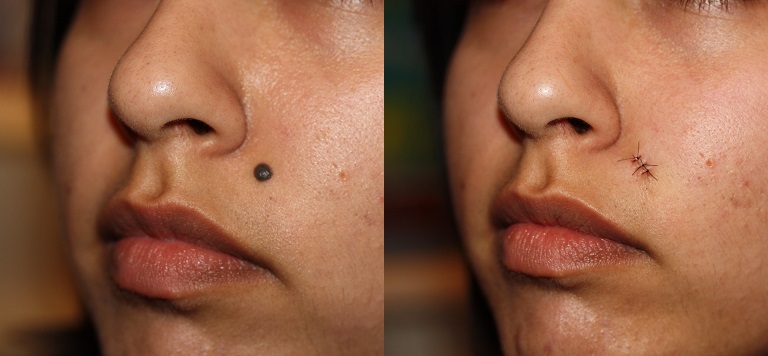
Facial moles, medically known as melanocytic nevi, are small skin growths that occur when melanocytes (pigment-producing cells) cluster together in one area of the skin. These cells normally produce melanin, which determines the color of human skin, hair, and eyes. When melanocytes grow in concentrated groups, they form visible pigmented spots called moles.
>>> See more: Scar Revision Surgery in Vietnam: Improve Scar Appearance Effectively
Moles can appear in different forms. Some are flat and blend with the surrounding skin, while others are raised or slightly protruding above the skin surface. Their color can range from light brown to dark brown or black depending on the amount of melanin present.
Dermatology research shows that the average adult has between 10 and 40 moles on the body, although individuals with very fair skin may develop up to 50 or more moles. Sun exposure and genetic factors also play an important role in the development of moles over time.
2. Common Types of Facial Moles
Facial moles can develop in different ways depending on genetics, age, and skin conditions. Dermatologists generally classify them into several common types.
Congenital moles are present at birth or appear shortly after. These moles occur in approximately 1% of newborns worldwide, meaning around 1 in every 100 babies is born with a congenital mole. Some congenital moles remain small, while others can gradually grow as the person ages.
Acquired moles are the most common type and typically develop during childhood or adolescence. Studies indicate that most people develop the majority of their moles before the age of 30, with the number of moles increasing gradually during teenage years due to hormonal changes and sun exposure.
Pigmented moles contain a higher concentration of melanin, making them appear darker than the surrounding skin. These moles are particularly common on sun-exposed areas such as the face, neck, and arms, where ultraviolet (UV) radiation stimulates melanocyte activity.
Raised or protruding moles extend above the skin surface and may feel soft or slightly firm when touched. Dermatology surveys show that around 30–40% of visible facial moles are raised, which is one reason many patients choose to remove them for cosmetic purposes.
3. Why Do People Choose Mole Removal?
Although most facial moles are medically harmless, mole removal has become increasingly popular due to both cosmetic and medical considerations.
One of the primary reasons is facial aesthetics. Because the face is the most visible part of the body, even a small mole can affect overall skin appearance. Surveys in cosmetic dermatology show that more than 60% of patients seeking mole removal do so primarily for aesthetic improvement.
Another common reason is location. Moles located around the eyes, nose, lips, or beard area may cause irritation, especially during shaving or daily skincare routines. Dermatology clinics report that facial moles account for nearly 35–45% of cosmetic mole removal procedures.
Changes in a mole’s size, shape, or color can also lead patients to seek professional evaluation. Dermatologists often recommend monitoring such changes to rule out abnormal skin conditions.
Globally, it is estimated that over 2–3 million mole removal procedures are performed each year, including laser treatments, surgical excision, and radiofrequency techniques. As aesthetic dermatology continues to grow, more people are choosing safe medical treatments to achieve clearer, smoother, and more balanced facial skin.
II. Modern Facial Mole Removal Methods in Vietnam
With advances in dermatology and aesthetic medicine, several modern techniques are now available for safely removing facial moles. In Vietnam, many dermatology clinics and aesthetic centers use technologies comparable to those found in countries such as the United States, South Korea, and Japan. Today, laser and minimally invasive dermatological procedures account for more than 70% of cosmetic mole removal treatments globally, offering effective results with minimal downtime.
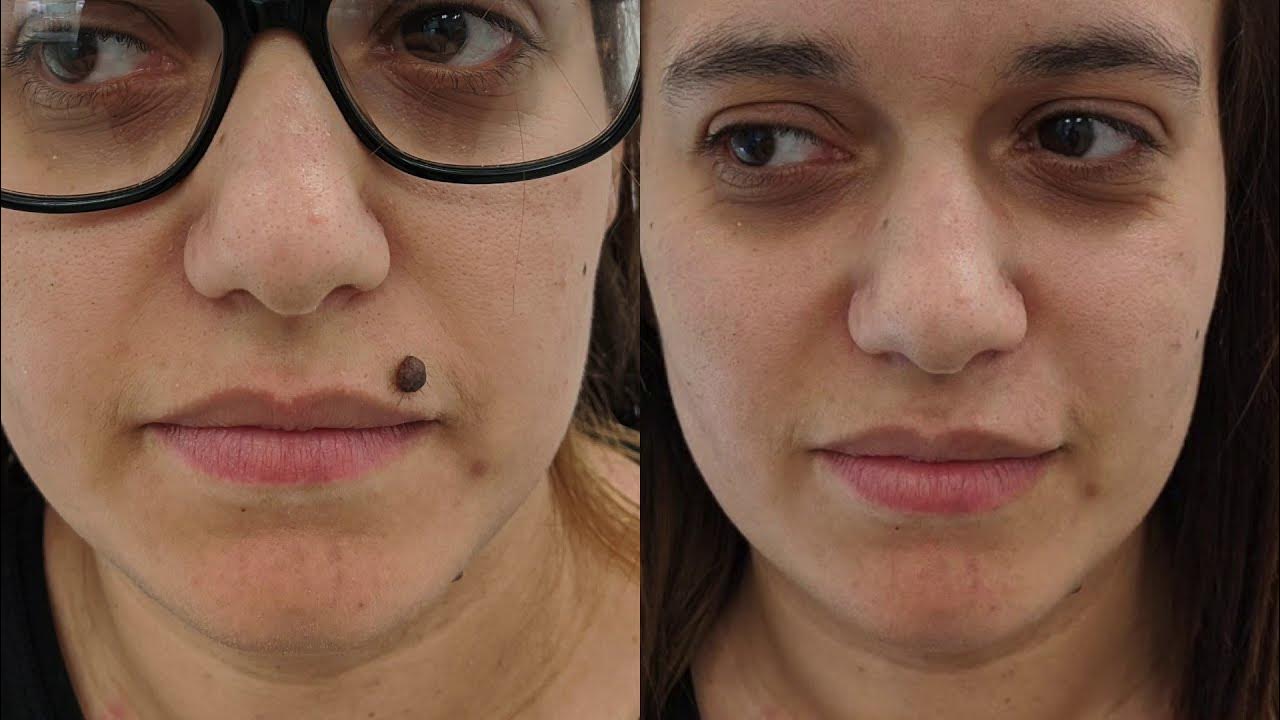
The table below shows estimated annual numbers of facial mole removal procedures by method in several countries.
| Country | Laser Removal | Surgical Excision | Radiofrequency / Electrocautery | Cryotherapy |
| United States | ~120,000 cases/year | ~70,000 cases/year | ~45,000 cases/year | ~25,000 cases/year |
| South Korea | ~85,000 cases/year | ~40,000 cases/year | ~35,000 cases/year | ~15,000 cases/year |
| Thailand | ~40,000 cases/year | ~18,000 cases/year | ~15,000 cases/year | ~10,000 cases/year |
| Vietnam | ~25,000 cases/year | ~10,000 cases/year | ~8,000 cases/year | ~6,000 cases/year |
- Laser treatments account for roughly 45–55% of mole removal procedures globally, making them the most commonly used technique for cosmetic facial mole removal.
- Surgical excision represents about 20–30% of treatments, mainly for larger or deeper moles requiring complete removal.
- Radiofrequency or electrocautery procedures account for around 15–20%, particularly for raised moles.
- Cryotherapy is less common (5–10%), usually reserved for small benign lesions.
As dermatology technology continues to advance, minimally invasive treatments such as laser and radiofrequency removal are becoming increasingly popular, especially in Asian countries where cosmetic dermatology procedures are rapidly growing.
1. Laser Mole Removal
Laser technology is one of the most widely used methods for removing small facial moles, particularly pigmented or flat moles. Modern systems such as Pico laser and Q-switched laser use concentrated light energy to break down melanin within the mole without significantly damaging surrounding skin.
This technique is especially suitable for small pigmented moles or superficial lesions. Dermatology studies show that 60–80% of small pigmented moles can be significantly lightened or removed after 1–3 sessions of laser treatment.
Laser mole removal is popular because it offers several advantages:
- Minimal skin damage
- Low risk of scarring
- Short recovery time (usually 3–7 days)
Globally, laser treatments account for over 50% of cosmetic mole removal procedures in dermatology clinics.
2. Surgical Mole Excision
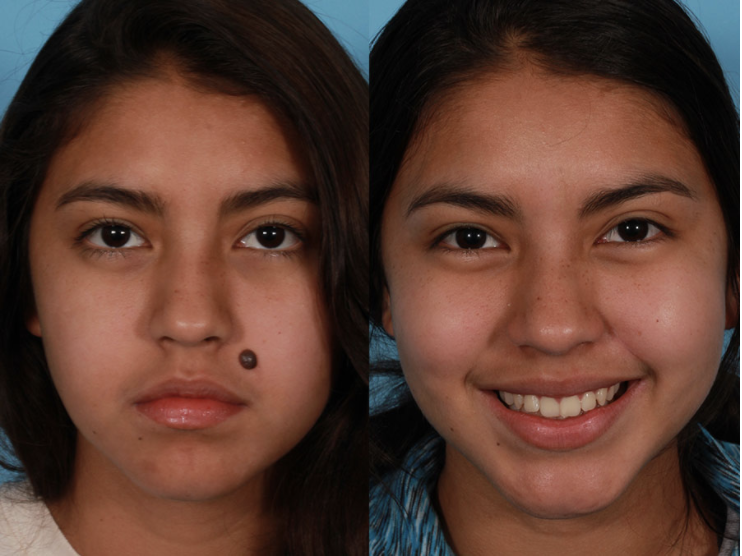
Surgical excision is often recommended for larger, deeper, or suspicious moles that cannot be completely treated with laser technology. During this procedure, the dermatologist removes the mole entirely using a small surgical incision, followed by suturing to close the skin.
The procedure is typically performed under local anesthesia and usually takes 20–40 minutes, depending on the mole’s size and location.
Clinical studies indicate that surgical excision has a success rate of over 95% for complete mole removal, making it the preferred option for deeper lesions or moles that may require pathological examination.
Although a small scar may form after surgery, modern dermatological techniques can significantly minimize its visibility over time.
3. Radiofrequency (RF) Mole Removal
Radiofrequency (RF) technology uses high-frequency electrical energy to precisely remove raised or protruding moles. The heat generated by RF energy allows dermatologists to remove the mole layer by layer while minimizing damage to surrounding tissue.
This method is commonly used for raised facial moles, which represent about 30–40% of visible facial moles in dermatology surveys.
RF mole removal offers several advantages:
- High precision treatment
- Minimal bleeding during the procedure
- Quick healing time (typically 5–10 days)
In many aesthetic clinics, RF treatment is considered one of the most efficient methods for removing small raised moles on the face.
4. Cryotherapy for Small Moles
Cryotherapy is a dermatological technique that uses liquid nitrogen at extremely low temperatures (approximately −196°C) to freeze and destroy abnormal skin tissue. This method is typically used for small benign skin lesions or superficial moles. The freezing process damages the mole tissue, which gradually falls off as the skin heals.
Dermatology reports suggest that cryotherapy has a success rate of around 70–85% for small benign skin lesions. The procedure itself is very quick, often lasting only a few minutes, and most patients recover within 7–14 days.
5. Combined Dermatological Treatments
In some cases, dermatologists may recommend combining multiple treatments to achieve better cosmetic outcomes, especially when dealing with complex or deeper facial moles.
Examples of combination treatments include:
- Laser therapy combined with skin rejuvenation treatments to improve skin texture and tone after mole removal
- Laser combined with PRP (Platelet-Rich Plasma) therapy to accelerate skin healing and stimulate collagen production
Clinical observations suggest that combination approaches can improve overall skin recovery and aesthetic results by approximately 20–30% compared with single-method treatments.
As dermatology technology continues to advance, these modern treatment options allow patients to achieve clearer, smoother facial skin with minimal downtime and improved safety.
III. Facial Mole Removal Cost in Vietnam vs Other Countries
The cost of facial mole removal varies significantly between countries due to differences in medical systems, clinic operating costs, and technology availability. However, dermatology statistics show that Vietnam offers some of the most affordable cosmetic mole removal treatments in Asia while still using modern dermatological techniques.
Average Treatment Cost in Vietnam
In Vietnam, facial mole removal is relatively inexpensive because many dermatology clinics perform the procedure using laser, radiofrequency, or electrocautery technology with minimal operating costs.
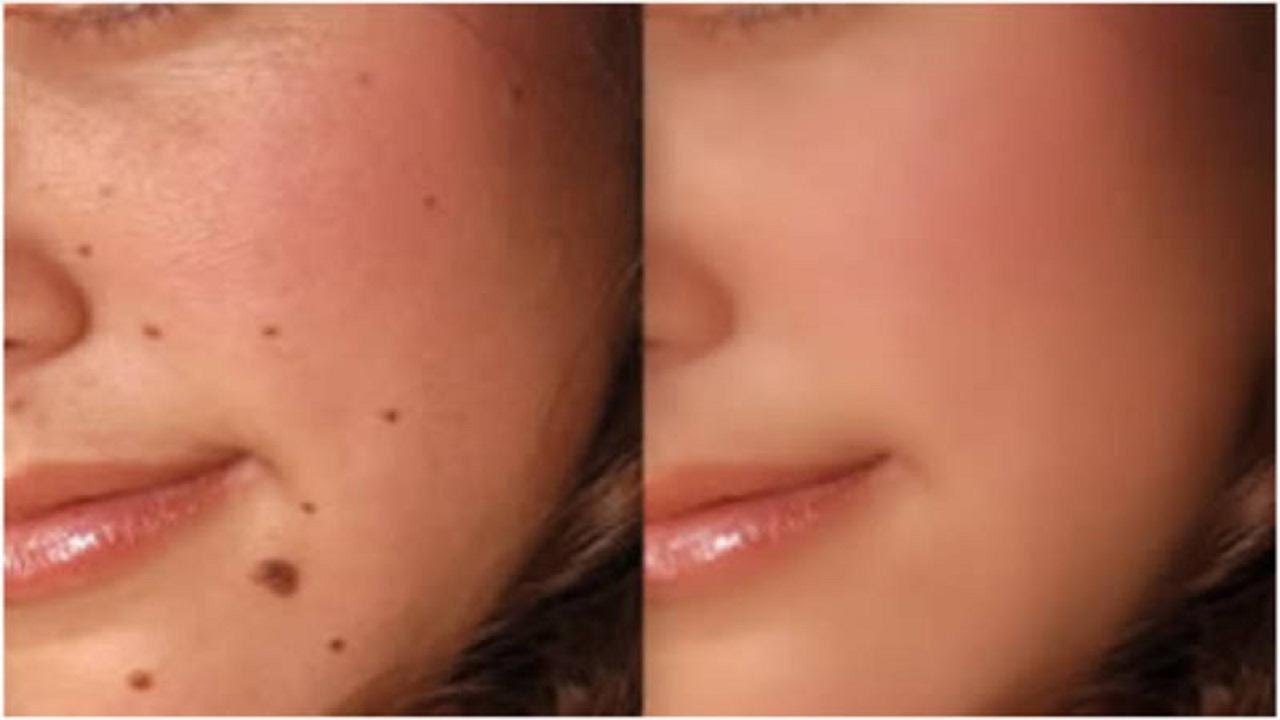
For example, dermatology clinics in Ho Chi Minh City report that small mole removal typically costs around 250,000–350,000 VND per mole (approximately $10–$15) depending on the size and complexity of the lesion.
Some clinics even offer promotional pricing for first treatments at around 99,000 VND ($4–$5) for very small lesions. Because the procedure is simple and usually takes 10–20 minutes, many Vietnamese clinics can treat multiple moles during a single visit, making it a cost-effective option for cosmetic dermatology.
>>> See more: Birthmark Removal in Vietnam: Safe and Advanced Aesthetic Solutions
Cost Comparison with Other Countries
In contrast, mole removal in Western countries is significantly more expensive due to higher healthcare costs and medical insurance systems.
Dermatology reports show that in the United States, mole removal generally costs $150–$500 per mole, depending on the technique used.
More complex procedures such as laser removal or surgical excision with pathology testing can reach $500–$950 per mole.
The following table summarizes typical treatment prices across several countries.
| Country | Average Cost per Mole | Common Techniques |
| United States | $150 – $500 | Laser, surgical excision |
| Australia | $120 – $400 | Laser, electrocautery |
| South Korea | $30 – $150 | CO2 laser, RF removal |
| Thailand | $20 – $120 | Laser, electrocautery |
| Vietnam | $5 – $20 | Laser, RF, electrocautery |
Based on these estimates, patients choosing treatment in Vietnam may save 70–90% compared with procedures in the United States or Australia.
Technical and Market Differences
Several factors explain why mole removal costs differ so widely between countries.
First, medical service costs are much lower in Vietnam, including clinic operation, equipment maintenance, and professional fees. Second, cosmetic dermatology procedures in Vietnam are often performed as outpatient treatments, meaning patients do not need hospital admission or complex medical preparation.
Additionally, Southeast Asian countries such as Vietnam and Thailand have experienced rapid growth in cosmetic dermatology and medical tourism, which has encouraged clinics to invest in modern laser systems while maintaining competitive pricing.
As a result, Vietnam is increasingly recognized as a cost-effective destination for facial mole removal, offering modern dermatological treatments at a fraction of the price charged in many Western countries.
IV. Why Choose BeDental Vietnam for Facial Mole Removal
BeDental Vietnam is a trusted clinic for facial mole removal, combining experienced dermatology specialists with modern aesthetic technology. The clinic has performed more than 4,000 mole and pigmentation treatments, including hundreds of facial mole removal procedures each year using advanced technologies such as Pico laser, Q-switched laser, and radiofrequency systems. These techniques can achieve 60–90% improvement in skin appearance depending on the type and depth of the mole. Each patient receives a personalized treatment plan based on detailed skin analysis, ensuring safe and natural-looking results. With transparent pricing typically ranging from $10–$80 per mole and dedicated support for international patients, BeDental also provides professional aftercare and follow-up guidance to help ensure optimal healing and smoother, clearer facial skin.
V. Frequently Asked Questions About Facial Mole Removal
Can facial moles be completely removed? Yes, many facial moles can be completely removed using modern dermatological treatments such as laser or surgical excision. For small superficial moles, removal success rates can reach 90–95%, while deeper moles may require more than one treatment session.

Is mole removal painful? Most mole removal procedures cause only mild discomfort. Dermatologists usually apply local anesthesia or numbing cream, making the treatment quick and tolerable for most patients.
Will mole removal leave scars? In many cases, especially with laser or radiofrequency treatments, the risk of visible scarring is very low. Studies show that over 85–90% of cosmetic mole removal procedures heal with minimal or no noticeable scars when performed by experienced specialists.
How long does it take for the skin to heal after mole removal? Healing time depends on the treatment method and mole size. Small moles treated with laser or RF typically heal within 5–10 days, while surgical excision may require 1–2 weeks for full skin recovery.
Conclusion
Facial mole removal has become a safe and widely performed dermatological procedure thanks to modern technologies such as laser treatment, radiofrequency removal, cryotherapy, and surgical excision. These techniques allow dermatologists to treat different types of facial moles while minimizing scarring and recovery time.
With its growing medical expertise, advanced dermatology equipment, and competitive treatment costs, Vietnam is emerging as a reliable destination for cosmetic mole removal. Clinics such as BeDental Vietnam provide personalized treatment plans, modern technology, and professional aftercare to help patients achieve clearer, smoother, and more confident skin.
BeDental: Trusted Dental and Aesthetic Clinic for International Patients
Founded in 2012, BeDental is one of the leading brands in dentistry and cosmetic surgery in Vietnam, trusted by many international patients. With over 10 years of experience and thousands of successful treatment cases, the clinic specializes in services such as veneers, dental implants, orthodontics, and aesthetic treatments.
Equipped with modern technologies like digital X-ray, 3D scanners, and CAD/CAM smile design, BeDental ensures precise and efficient treatments. Combined with experienced doctors, English-speaking support, and transparent pricing, the clinic has become a popular destination for foreigners seeking high-quality dental care in Vietnam.
 TS.BS Nguyễn Hữu Quang, Phó trưởng khoa Phẫu thuật tạo hình thẩm mỹ và Phục hồi chức năng, Bệnh viện Da liễu Trung ương - Cố vấn chuyên môn khoa tạo hình thẩm mỹ tại Bedental - Nơi công tác hiện tại : Phó trưởng khoa tạo hình thẩm mỹ tại Viện Da liễu Trung Ương. Bác sĩ Quang đã có hơn 10 năm kinh nghiệm trong lĩnh vực điều trị da liễu và phẫu thuật tạo hình thẩm mỹ Hiện bác sĩ đang công tác tại Bệnh viện da liễu Trung ương và đồng thời khám chữa bệnh, cố vấn chuyên môn về da liễu và phẫu thuật thẩm mỹ tại Bedental