

 English
 한국어
한국어 日本語
日本語 中文 (中国)


Birthmark Removal in Vietnam: Birthmarks are common skin conditions that appear at birth or develop shortly afterward. Studies estimate that around 10–20% of newborns worldwide have some form of birthmark, ranging from small pigmented spots to larger vascular lesions. While many birthmarks are harmless, some individuals seek treatment for cosmetic reasons, skin health concerns, or psychological confidence.
With advances in dermatology and aesthetic medicine, modern treatments such as laser therapy, surgical removal, and cryotherapy can significantly reduce or remove many types of birthmarks. In recent years, Vietnam has become an increasingly popular destination for birthmark removal, thanks to skilled specialists, modern laser technologies, and treatment costs that are often 50–80% lower than in many Western countries. Clinics like BeDental Vietnam now provide safe, personalized treatment plans that help patients achieve clearer and healthier skin.
I. What Are Birthmarks? Birthmark Removal in Vietnam:
1. Definition of Birthmarks
Birthmarks are visible skin marks that are present at birth or appear shortly after birth. They occur when certain skin structures develop differently during fetal growth, typically involving pigment-producing cells (melanocytes) or blood vessels beneath the skin.
Birthmarks are relatively common worldwide. Medical studies estimate that about 20–30% of newborns have at least one visible birthmark. With approximately 140 million babies born globally each year, this means that 28–42 million newborns are born with birthmarks annually.
The prevalence also varies depending on ethnicity. Pigmented birthmarks tend to be more common in Asian populations, while vascular birthmarks appear at similar rates worldwide.
>>> See more: Anti-Aging Facial Surgery in Vietnam: Comprehensive Facial Rejuvenation
2. Common Types of Birthmarks
Birthmarks are generally classified into two main categories: pigmented birthmarks and vascular birthmarks, depending on whether they are caused by pigment cells or abnormal blood vessels under the skin.
Pigmented Birthmarks Pigmented birthmarks develop when melanocytes (pigment-producing cells) cluster in a specific area of the skin. These birthmarks typically appear brown, blue-gray, or dark in color and are often harmless.
Common pigmented birthmarks include:
- Mongolian spots – Flat blue-gray patches usually found on the lower back or buttocks of newborns. They are extremely common in Asian infants and often fade during early childhood.
- Café-au-lait spots – Light to dark brown patches that resemble the color of coffee with milk. These spots are usually harmless, but multiple spots may sometimes be associated with certain genetic conditions.
- Congenital melanocytic nevi – Pigmented moles present at birth that can vary in size from small spots to large lesions. In rare cases, very large congenital nevi may require medical monitoring due to a small risk of skin cancer later in life.
Vascular Birthmarks: Vascular birthmarks occur when blood vessels develop abnormally beneath the skin. These birthmarks often appear red, pink, or purple and may change in size or color over time.
Common vascular birthmarks include:
- Infantile hemangiomas – Raised red lesions often called “strawberry marks.” They usually appear within the first few weeks after birth, grow rapidly during infancy, and then gradually shrink over several years.
- Port-wine stains – Flat red or purple patches caused by dilated capillaries. Unlike hemangiomas, port-wine stains usually persist throughout life and may darken or thicken with age if left untreated.
Estimated Prevalence of Common Birthmark Types
| Category | Birthmark Type | Global Prevalence | Vietnam (~1.5M births/year) | United States (~3.6M births/year) |
| Pigmented Birthmarks | Mongolian spots | 60–90% of Asian newborns | ~900,000 – 1,350,000 babies | Rare (<10%) |
| Café-au-lait spots | 5–20% of newborns | ~75,000 – 300,000 babies | ~180,000 – 720,000 babies | |
| Congenital melanocytic nevi | ~1% of newborns | ~15,000 babies | ~36,000 babies | |
| Vascular Birthmarks | Infantile hemangiomas | 4–5% of infants | ~60,000 – 75,000 babies | ~144,000 – 180,000 babies |
| Port-wine stains | 0.3–0.5% of newborns | ~4,500 – 7,500 babies | ~10,800 – 18,000 babies |
These statistics illustrate that millions of people around the world are born with birthmarks every year, although the visibility and medical significance vary depending on the specific type.
II. Advanced Birthmark Removal Methods in Vietnam
Modern dermatology offers several effective techniques for treating birthmarks. In Vietnam, many dermatology hospitals and aesthetic clinics now use advanced technologies similar to those used in the United States, South Korea, and Europe. These treatments can significantly reduce or remove birthmarks while minimizing scarring and recovery time.
Globally, dermatology statistics suggest that laser treatments account for approximately 70–80% of birthmark removal procedures, while surgery and other techniques are used for more complex cases.
1. Laser Birthmark Removal
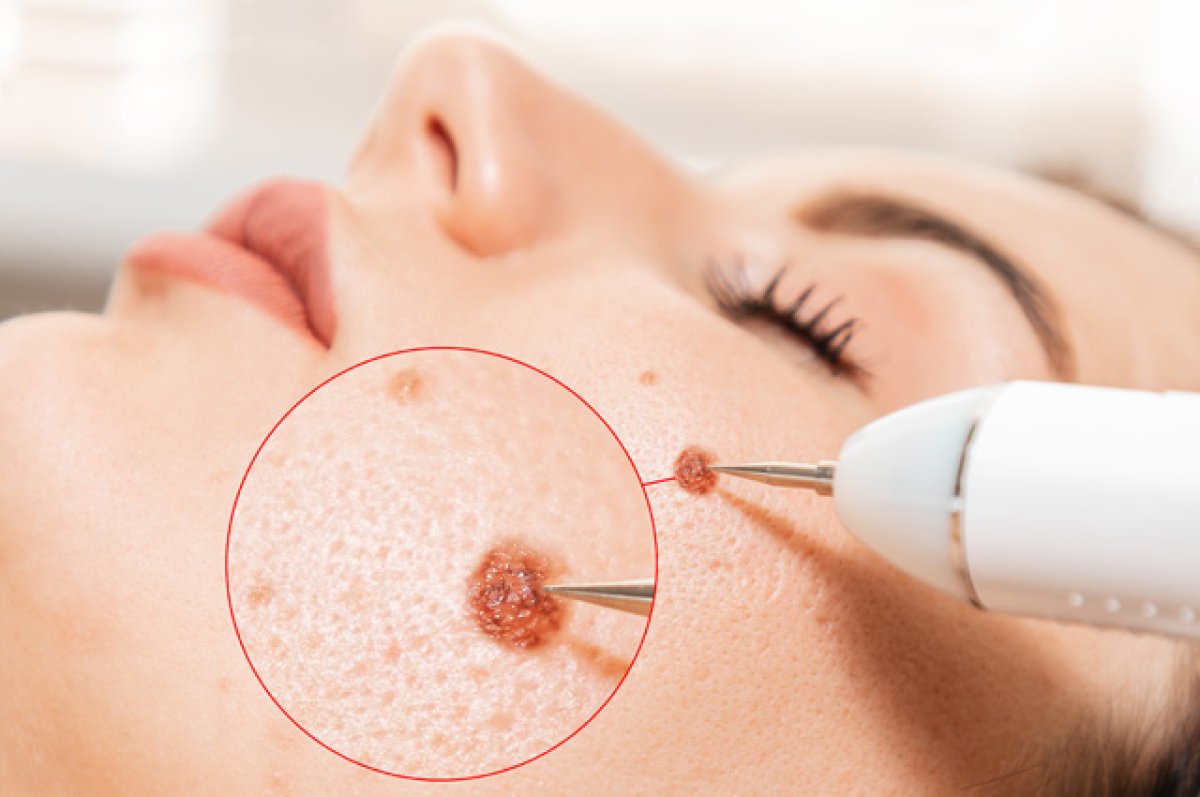
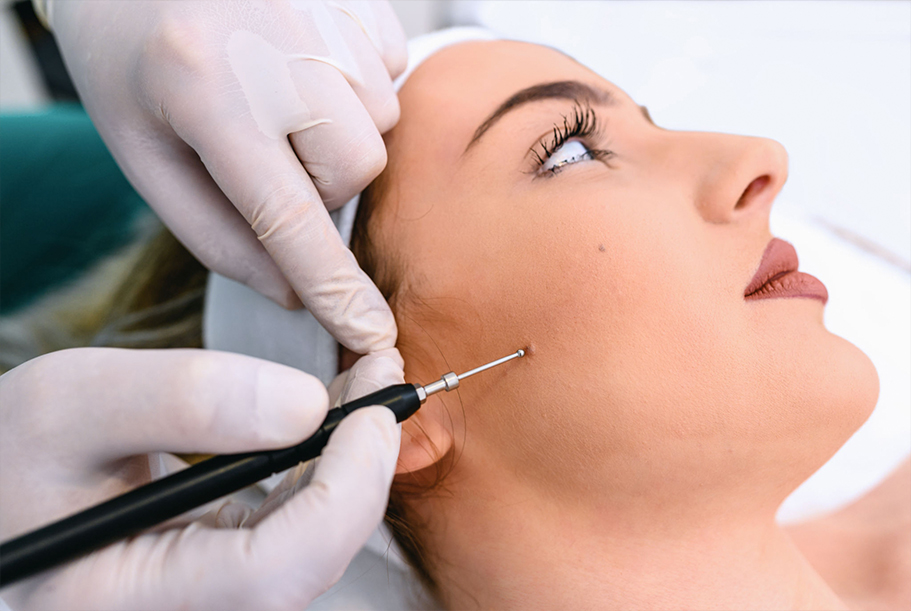
Laser therapy is currently the most widely used treatment for birthmarks worldwide, particularly for pigmented and vascular lesions. In Vietnam, dermatology centers commonly use Q-switched lasers, Pico lasers, and pulsed dye lasers (PDL).
Laser energy selectively targets pigment cells or abnormal blood vessels beneath the skin while preserving surrounding tissue. Because of this precision, the procedure usually results in minimal scarring and relatively fast recovery.
Clinical studies demonstrate strong results for laser therapy:
- A Vietnamese study conducted at the National Hospital of Dermatology and Venereology in Hanoi involving 42 patients with port-wine stains reported that 43.8% achieved excellent improvement (76–100% fading) after treatment, while 18.8% achieved good improvement (51–75%).
- A global meta-analysis of over 6,000 patients receiving pulsed dye laser treatment found that about 21% achieved near-complete clearance (75–100%) of port-wine stains.
- For pigmented birthmarks such as café-au-lait spots, clinical studies show 50–80% lightening after several sessions.
Patients typically require 3–10 laser sessions, depending on the size, depth, and type of birthmark.
2. Surgical Birthmark Removal
Surgical excision is usually recommended for large, deep, or raised birthmarks that cannot be effectively treated with laser therapy. During the procedure, the birthmark is completely removed and the skin is sutured to allow proper healing. This method is commonly used for large congenital melanocytic nevi, which occur in approximately 1 in 20,000 newborns worldwide.
In many countries, surgery remains the standard treatment for these lesions:
| Country | Estimated surgical cases for congenital nevi per year |
| United States | ~150–200 cases |
| South Korea | ~40–60 cases |
| Vietnam | ~20–40 cases |
The procedure is typically performed under local anesthesia, and surgery may last 30 minutes to 2 hours depending on the lesion size. Studies report success rates above 90% for complete removal, although additional cosmetic treatments may sometimes be needed to improve scar appearance.
3. Cryotherapy (Freezing Treatment)
Cryotherapy is a dermatological treatment that uses liquid nitrogen at extremely low temperatures (about −196°C) to freeze and destroy abnormal skin tissue.This method is generally used for small superficial pigmented birthmarks or benign skin lesions rather than deep vascular birthmarks.
Dermatology studies show that:
- Cryotherapy achieves 70–85% success rates for small benign skin lesions.
- Many patients require 1–3 treatment sessions depending on the lesion size.
- The procedure typically takes only a few minutes and recovery usually occurs within 7–14 days.
Although cryotherapy is less commonly used for large birthmarks, it remains a cost-effective option for smaller lesions in dermatology clinics.
4. Combined Dermatological Treatments
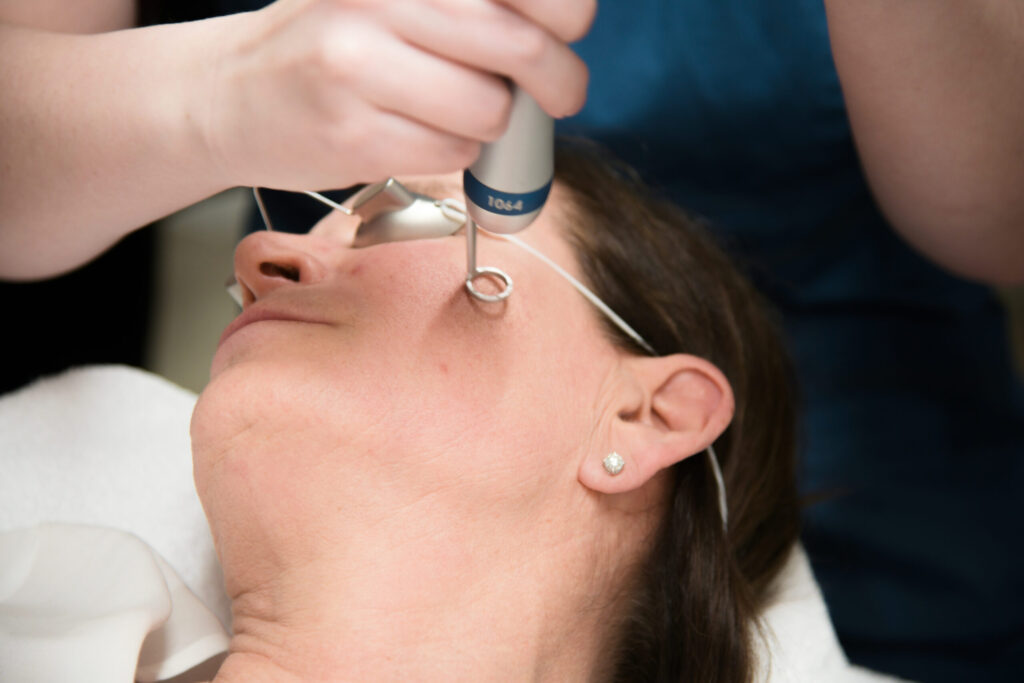
For complex birthmarks, dermatologists may recommend combination treatments to improve effectiveness. These approaches are increasingly used in advanced dermatology clinics in Vietnam and internationally.
Examples include:
- Laser therapy combined with topical or oral medications to reduce abnormal blood vessel growth or pigmentation.
- Laser combined with PRP (Platelet-Rich Plasma) to promote skin healing and collagen production.
- Laser combined with skin rejuvenation therapies to improve overall skin texture.
Clinical observations show that combination approaches can increase treatment effectiveness by 20–30% compared with single-method treatments in certain cases, especially for deep vascular birthmarks or resistant pigment lesions. In many dermatology centers, combination therapy is now recommended for patients who do not achieve sufficient improvement after standard laser sessions.
III. Why Vietnam Is Becoming a Popular Destination for Birthmark Removal
In recent years, Vietnam has emerged as a growing destination for dermatological and aesthetic treatments, including birthmark removal. International patients are increasingly choosing Vietnam because the country offers modern medical technology, experienced specialists, and significantly lower treatment costs compared with many Western nations.
According to regional medical tourism statistics, Vietnam welcomes more than 300,000 international medical travelers each year, with dermatology and cosmetic procedures accounting for a notable portion of these treatments. Birthmark removal using laser technology is among the procedures frequently sought by patients from Asia, Australia, and overseas Vietnamese communities.
1. Experienced Dermatologists and Aesthetic Specialists
Vietnam has a growing number of dermatologists and aesthetic surgeons who are trained both domestically and internationally. Many specialists have received advanced training in countries such as the United States, South Korea, and Singapore.
Major dermatology hospitals and aesthetic centers in cities like Hanoi and Ho Chi Minh City perform thousands of birthmark treatments annually. For example:
- The National Hospital of Dermatology and Venereology in Hanoi treats over 10,000 dermatology patients each year for pigment-related conditions, including birthmarks.
- Large aesthetic clinics in Vietnam report performing hundreds to thousands of laser birthmark removal sessions annually.
This growing clinical experience allows Vietnamese doctors to handle both simple cosmetic birthmarks and more complex vascular lesions.

2. Modern Laser Technologies Available in Major Clinics
Many dermatology clinics and aesthetic centers in Vietnam now use advanced laser systems comparable to those used in international medical centers.
Common technologies include:
- Q-switched laser for pigmented birthmarks
- Pico laser for deep pigmentation and tattoo-like lesions
- Pulsed dye laser (PDL) for vascular birthmarks such as port-wine stains
Globally, these laser technologies achieve improvement rates of approximately 60–80% for many birthmark types after multiple treatment sessions.
Vietnamese clinics increasingly invest in such equipment, making advanced dermatological treatment widely accessible at competitive prices.
3. Significantly Lower Treatment Costs Than Western Countries
One of the biggest reasons international patients travel to Vietnam for birthmark removal is the substantial difference in treatment costs.
| Country | Average Laser Birthmark Removal Cost (per session) |
| United States | $300 – $800 |
| Australia | $250 – $600 |
| South Korea | $200 – $500 |
| Thailand | $150 – $400 |
| Vietnam | $50 – $200 |
This means patients can often save 50–80% on treatment costs compared with Western countries, even when multiple sessions are required. For patients with larger birthmarks requiring 5–10 laser sessions, the total savings can reach several thousand dollars.
4. Growing Medical Tourism Infrastructure
Vietnam’s medical tourism sector has expanded rapidly over the past decade. Cities such as Hanoi, Ho Chi Minh City, and Da Nang now provide a wide range of services for international patients.
These services often include:
- English-speaking medical staff
- Online consultation before arrival
- Assistance with travel and accommodation
- Post-treatment follow-up care
The Vietnam National Administration of Tourism reports that medical tourism continues to grow as international patients seek high-quality treatments at affordable prices.With modern dermatology technology, skilled specialists, and competitive pricing, Vietnam is increasingly recognized as a reliable destination for safe and effective birthmark removal treatments.
IV. Why Choose BeDental Vietnam for Birthmark Removal
BeDental Vietnam is a trusted clinic for advanced dermatological and aesthetic treatments, including birthmark removal. The clinic has treated more than 3,000 pigmentation and birthmark-related cases, performing hundreds of laser procedures each year with modern technologies such as Q-switched and Pico lasers, which can achieve 50–80% improvement after multiple sessions depending on the birthmark type. Each patient receives a personalized treatment plan based on detailed skin analysis to ensure safe and natural-looking results. With treatment costs typically around $80–$200 per session, significantly lower than in many Western countries, BeDental also provides transparent pricing, consultation support for international patients, and professional post-treatment care to help ensure optimal recovery and long-term skin improvement.
>>> See more: Scar Revision Surgery in Vietnam: Improve Scar Appearance Effectively
V. Frequently Asked Questions About Birthmark Removal
Can birthmarks be completely removed? Some birthmarks can be completely removed, especially small pigmented lesions. However, larger or deeper birthmarks may only be significantly lightened rather than fully eliminated.
Is laser birthmark removal painful? Most patients experience only mild discomfort during the procedure. Doctors often apply a numbing cream before treatment to minimize pain.
How many sessions are needed for treatment? The number of sessions depends on the type, size, and depth of the birthmark. Most patients require 3–10 laser sessions for optimal results.
Are the results permanent? In many cases, results are long-lasting or permanent. However, some birthmarks may gradually reappear or require occasional maintenance treatments.
Conclusion
Birthmark removal has advanced significantly with the development of modern dermatological technologies. Treatments such as laser therapy, surgical excision, and cryotherapy now offer effective solutions for many types of birthmarks, helping patients improve both skin appearance and confidence.
Vietnam has emerged as a competitive destination for these treatments, offering experienced specialists, advanced medical equipment, and affordable pricing compared with global markets. With personalized care and modern technology, clinics such as BeDental Vietnam provide safe and effective birthmark removal options for both local and international patients seeking reliable aesthetic solutions.
BeDental: Trusted Dental and Aesthetic Clinic for International Patients
Founded in 2012, BeDental is one of the leading brands in dentistry and cosmetic surgery in Vietnam, trusted by many international patients. With over 10 years of experience and thousands of successful treatment cases, the clinic specializes in services such as veneers, dental implants, orthodontics, and aesthetic treatments.
Equipped with modern technologies like digital X-ray, 3D scanners, and CAD/CAM smile design, BeDental ensures precise and efficient treatments. Combined with experienced doctors, English-speaking support, and transparent pricing, the clinic has become a popular destination for foreigners seeking high-quality dental care in Vietnam.
 TS.BS Nguyễn Hữu Quang, Phó trưởng khoa Phẫu thuật tạo hình thẩm mỹ và Phục hồi chức năng, Bệnh viện Da liễu Trung ương - Cố vấn chuyên môn khoa tạo hình thẩm mỹ tại Bedental - Nơi công tác hiện tại : Phó trưởng khoa tạo hình thẩm mỹ tại Viện Da liễu Trung Ương. Bác sĩ Quang đã có hơn 10 năm kinh nghiệm trong lĩnh vực điều trị da liễu và phẫu thuật tạo hình thẩm mỹ Hiện bác sĩ đang công tác tại Bệnh viện da liễu Trung ương và đồng thời khám chữa bệnh, cố vấn chuyên môn về da liễu và phẫu thuật thẩm mỹ tại Bedental