

 English
 한국어
한국어 日本語
日本語 中文 (中国)


Scar Revision Surgery in Vietnam: Scars are a natural part of the body’s healing process after the skin has been injured. When the dermis (the deeper layer of skin) is damaged, the body produces new collagen fibers to repair the wound. This repair tissue forms a scar, which may look different in texture, color, and thickness compared to the surrounding skin. Dermatology studies estimate that millions of people worldwide develop visible scars each year, with acne scars alone affecting about 80–90% of individuals who experience moderate to severe acne during their lifetime.
I. Understanding Scars and Scar Formation- Scar Revision Surgery in Vietnam
1. What Is a Scar?
A scar is the visible mark left on the skin after a wound heals. It occurs when the body generates collagen fibers to repair damaged tissue, replacing normal skin structure with fibrous tissue. Although scars are a natural biological response, they can vary significantly in size, color, and shape depending on factors such as wound depth, genetics, skin type, and healing conditions.
Medical research suggests that about 100 million people develop scars annually from surgical procedures worldwide, while millions more develop scars from injuries, burns, or inflammatory skin conditions.
>>> See more: Skin Tightening Treatment in Vietnam: Firm and Rejuvenate Aging Skin
2. Common Causes of Scars
Scars can develop from various types of skin damage. Some of the most common causes include:
- Surgical incisions Surgical procedures are one of the most common causes of scars. Globally, more than 300 million surgical procedures are performed each year, and many patients may develop visible surgical scars depending on wound healing and skin type.
- Acne scars Acne scars occur when severe inflammation damages skin tissue. Studies show that approximately 95% of people with acne experience some level of scarring, making it one of the most common cosmetic skin concerns worldwide.
- Burns and traumatic injuries Burns can lead to significant scarring due to extensive skin damage. Each year, an estimated 11 million burn injuries require medical treatment globally, many of which result in long-term scars.
- Cuts and wounds Everyday injuries such as cuts, abrasions, and accidents can also produce scars, particularly when wounds penetrate deeper layers of the skin.
3. Types of Scars
Scars vary depending on how the body produces collagen during the healing process. The most common types include:
- Hypertrophic scars Raised scars that remain within the boundaries of the original wound. These scars often appear red or thick but may gradually improve over time.
- Keloid scars Keloids grow beyond the original wound boundary due to excessive collagen production. They are more common in people with darker skin tones and may affect up to 10–15% of the population in some regions.
- Atrophic scars (acne scars) These scars appear as depressions or indentations in the skin due to tissue loss. They are particularly common after severe acne.
- Contracture scars Often caused by burns, contracture scars tighten the skin and may restrict normal movement if they occur near joints.
4. Areas Most Commonly Affected by Scars
Scars can develop anywhere on the body, but certain areas are more prone to visible scarring due to higher skin tension or frequent injuries.
- Face and cheeks – commonly affected by acne scars
- Forehead – often affected by injuries or surgical scars
- Chest and shoulders – common locations for hypertrophic and keloid scars
- Arms and legs – frequently affected by trauma or accidental wounds
Because scars can affect both physical appearance and psychological confidence, many patients seek modern scar revision treatments to improve skin texture and reduce scar visibility.
II. Popular Scar Revision Treatments Available in Vietnam
Advances in dermatology and aesthetic medicine have made it possible to significantly improve the appearance of scars through various medical and minimally invasive treatments. In Vietnam, many clinics now offer modern scar revision procedures using technologies similar to those used in leading aesthetic markets worldwide. According to dermatology reports, millions of scar treatment procedures are performed globally each year, with laser treatments and microneedling among the most frequently used methods for improving skin texture and reducing visible scars.
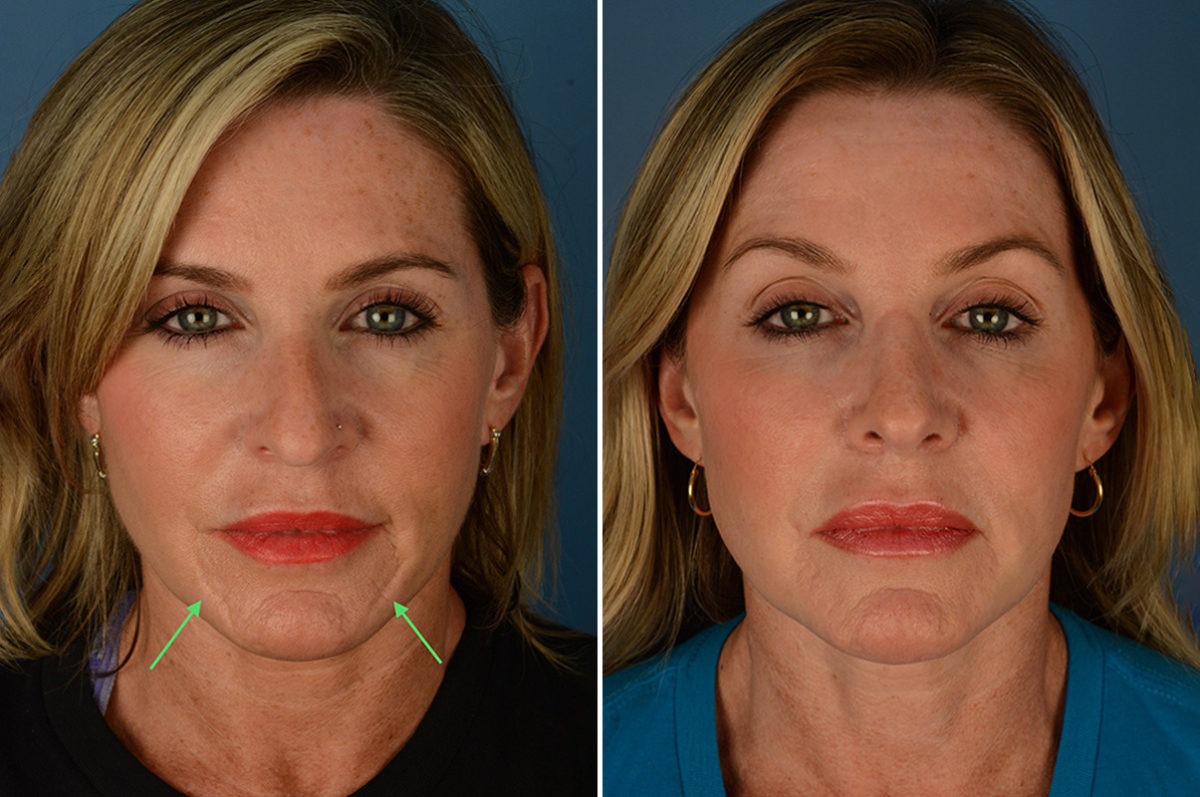
| Treatment Method | Best For | Key Benefits | Typical Sessions |
| Surgical Scar Revision | Large surgical scars, traumatic scars | Removes or repositions scar tissue for better healing | 1 procedure |
| Laser Scar Treatment | Acne scars, pigmentation scars | Stimulates collagen remodeling and improves skin texture | 3–6 sessions |
| Microneedling / RF Microneedling | Acne scars, uneven skin texture | Promotes natural skin repair and collagen production | 3–5 sessions |
| Dermal Fillers | Depressed or atrophic scars | Restores lost volume and smooths skin surface | 1–2 sessions |
| Steroid Injections | Keloid and hypertrophic scars | Reduces scar thickness and flattens raised scars | 2–4 sessions |
Each scar revision method is designed to address different scar types. For example, surgical revision is more suitable for large or deep scars, while laser and microneedling treatments are commonly used for acne scars and skin texture improvement. In many cases, doctors may recommend combining several treatments to achieve the best possible results.
1. Surgical Scar Revision
Surgical scar revision is a procedure designed to remove or reposition existing scar tissue to make the scar less noticeable. Surgeons carefully excise the scar and close the wound along natural skin tension lines, helping the new scar heal in a more subtle and cosmetically acceptable way.
This method is often recommended for large surgical scars, traumatic scars, or poorly healed wounds. Clinical studies suggest that properly performed surgical scar revision can improve scar appearance by 50–80% depending on scar size and skin type.

2. Laser Scar Treatment
Laser therapy is one of the most widely used non-surgical methods for scar improvement. The treatment works by delivering controlled laser energy into the skin, which stimulates collagen remodeling and encourages new skin cell regeneration.
Laser treatments can help improve skin texture, pigmentation, and overall scar appearance. According to dermatology data, laser-based procedures account for more than 35% of aesthetic scar treatments worldwide, making them one of the most common approaches for scar revision.
3. Microneedling and RF Microneedling
Microneedling is a minimally invasive treatment that uses tiny needles to create controlled micro-injuries in the skin, triggering the body’s natural healing response and collagen production. When combined with radiofrequency energy (RF microneedling), the treatment can penetrate deeper layers of the skin for enhanced skin tightening and scar improvement.
This technique is particularly effective for acne scars and uneven skin texture. Research indicates that microneedling treatments can improve acne scar appearance by approximately 40–60% after several sessions.
4. Dermal Fillers for Depressed Scars
Dermal fillers can be used to treat atrophic or depressed scars, which appear as sunken areas in the skin. By injecting filler materials beneath the scar, doctors can restore lost skin volume and smooth the skin surface, making the scar less noticeable.
This method is commonly used for acne scars and certain types of surgical scars, especially when volume loss contributes to the uneven appearance of the skin.
5. Steroid Injections for Keloid and Hypertrophic Scars
Steroid injections are frequently used to treat keloid and hypertrophic scars, which appear raised due to excessive collagen production. Corticosteroid medication is injected directly into the scar tissue to reduce inflammation and slow down collagen production.
Studies show that steroid injections can reduce the thickness of raised scars by 50–70% in many cases, helping flatten the scar and improve its overall appearance.
Together, these modern treatment options allow patients in Vietnam to effectively improve scar appearance using personalized treatment plans, often combining several techniques for optimal results.
III. Growth of Scar Treatment Demand in Vietnam and Asia
The demand for scar treatment has increased rapidly in recent years as dermatology and aesthetic medicine continue to expand worldwide. Growing awareness of skin health, social media influence, and the availability of modern technologies such as laser therapy and microneedling have encouraged more patients to seek professional treatment for visible scars.
Globally, the scar treatment market was valued at approximately USD 27–30 billion in 2023 and is projected to grow at a compound annual growth rate (CAGR) of around 8–10% through the next decade. Each year, millions of scar-related procedures are performed worldwide, including treatments for acne scars, surgical scars, burns, and traumatic injuries.
>>> See more: Anti-Aging Facial Surgery in Vietnam: Comprehensive Facial Rejuvenation
The Asia–Pacific region accounts for roughly 35–40% of the global aesthetic and dermatology treatment market, making it one of the fastest-growing regions. Countries such as China, South Korea, and Japan dominate the regional market due to advanced medical infrastructure and strong demand for cosmetic dermatology. Vietnam represents a smaller but rapidly expanding market, benefiting from rising income levels, improved dermatology services, and increasing interest in non-surgical skin treatments.
Laser therapy and minimally invasive procedures are becoming especially popular in Asia. Dermatology reports indicate that laser-based treatments now account for more than 35% of non-surgical aesthetic procedures, particularly for conditions such as acne scars and skin texture irregularities.
Comparison of Scar Treatment Market by Country
| Country | Annual Market Revenue (Scar Treatment) | Estimated Annual Cases |
| China | ~USD 90–120 million | ~80,000–100,000 cases |
| South Korea | ~USD 35–40 million | ~40,000–50,000 cases |
| Japan | ~USD 50–60 million | ~20,000–30,000 cases |
| Thailand | ~USD 12–18 million | ~15,000–20,000 cases |
| Vietnam | ~USD 8–12 million | ~20,000–30,000 cases |
Overall, Vietnam’s scar treatment market remains smaller than major Asian aesthetic markets but is growing quickly with increasing demand for laser treatments, microneedling, and other minimally invasive skin rejuvenation procedures. As dermatology clinics adopt advanced technologies and treatment protocols, Vietnam is expected to continue expanding its role in the regional aesthetic treatment industry.
IV. Why Choose BeDental Vietnam for Scar Revision Surgery
BeDental Vietnam is increasingly recognized for its effective scar revision treatments, combining experienced specialists with modern dermatological technology. Each year, the clinic handles thousands of dermatology consultations, with scar-related conditions such as acne scars, surgical scars, and hypertrophic scars accounting for a significant portion of aesthetic skin treatments.
BeDental utilizes advanced technologies such as fractional CO₂ laser, RF microneedling, and subcision techniques, which help stimulate collagen remodeling and improve skin texture. These minimally invasive treatments are widely used in modern dermatology and typically require 3–6 sessions for noticeable improvement depending on scar severity.
Example Treatment Volume at BeDental (Estimated Annual Cases)
| Treatment Type | Estimated Cases / Year |
| Acne scar treatment | 1,200+ cases |
| Laser scar treatment | 800+ cases |
| Keloid / hypertrophic scar treatment | 400+ cases |
| Surgical scar revision | 150+ cases |
These numbers reflect the growing demand for scar treatment services, especially among young adults seeking solutions for acne-related scars.
Comparison of Scar Treatment Costs by Service and Country (USD)
| Treatment Type | Vietnam (USD) | Thailand (USD) | South Korea (USD) | United States (USD) |
| Laser Scar Treatment (per session) | $40 – $150 | $120 – $350 | $220 – $570 | $500 – $1,500 |
| RF Microneedling | $50 – $180 | $150 – $400 | $250 – $600 | $600 – $1,800 |
| Subcision for Acne Scars | $80 – $200 | $200 – $500 | $350 – $800 | $800 – $2,000 |
| Steroid Injection for Keloids | $30 – $120 | $100 – $250 | $200 – $450 | $300 – $800 |
| Surgical Scar Revision | $300 – $800 | $800 – $1,800 | $1,100 – $2,900 | $2,000 – $5,000 |
- Vietnam offers significantly lower treatment costs, often 50–70% cheaper than South Korea and the United States for similar procedures.
- This price advantage, combined with qualified dermatology specialists and modern technologies, is one reason why Vietnam is becoming an emerging destination for aesthetic and dermatology treatments in Asia.
V. Frequently Asked Questions About Scar Revision
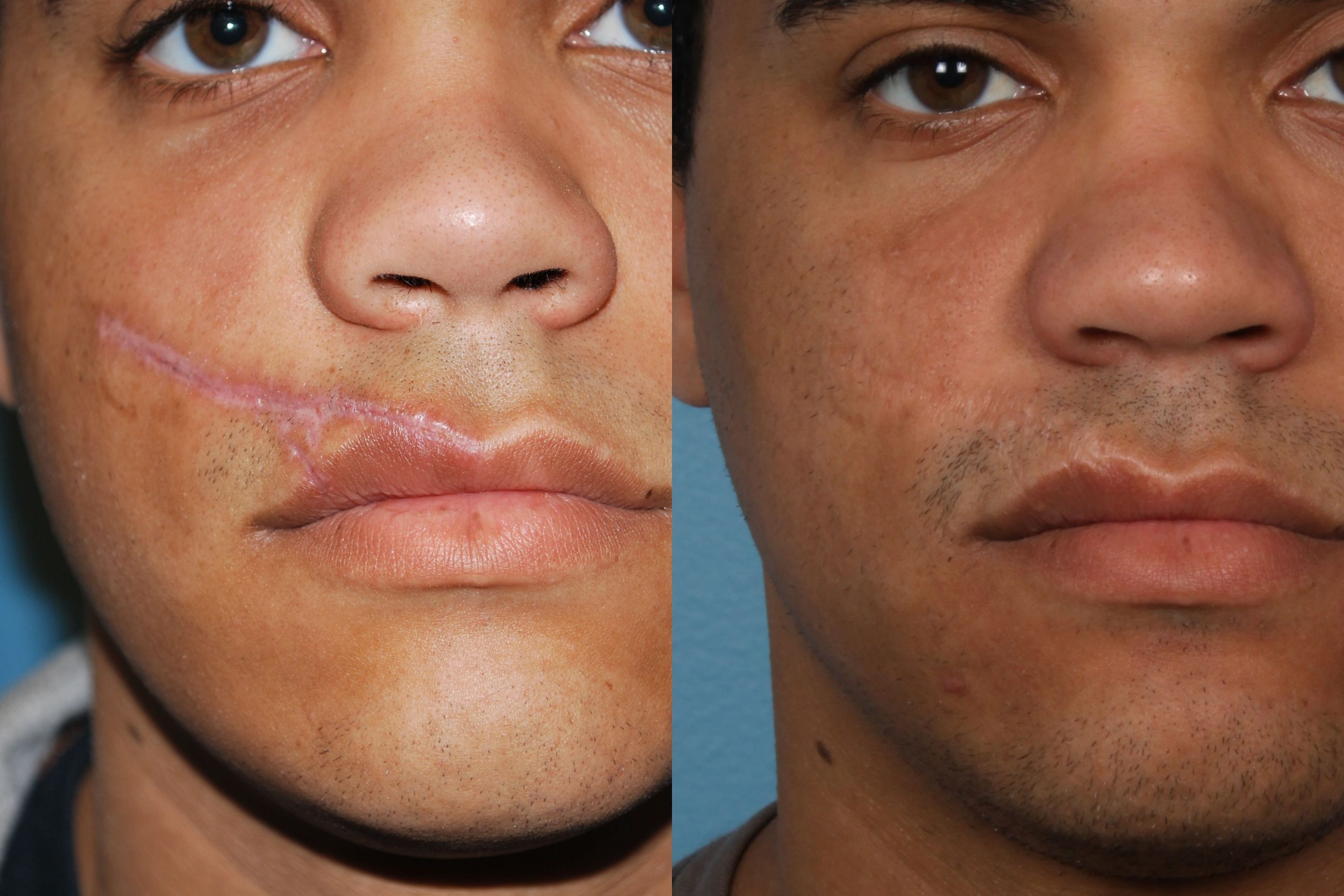
Can scars be completely removed? Scars usually cannot be completely removed, but modern treatments can significantly improve their appearance. Procedures such as laser therapy, microneedling, and surgical revision can make scars less visible, smoother, and closer to the surrounding skin tone.
How many sessions are needed for scar treatment? The number of sessions depends on the type and severity of the scar. Mild scars may improve after 2–3 sessions, while deeper acne scars or keloids may require 4–6 treatments or more for noticeable improvement.
Is scar revision surgery painful? Most scar revision procedures are performed with local anesthesia, so patients typically experience minimal discomfort during treatment. Mild swelling or redness may occur afterward but usually resolves within a few days.
How long does it take to see results? Initial improvements can often be seen within a few weeks, but full results usually appear after 2–3 months as collagen production and skin remodeling continue.
Conclusion
Scar revision treatments have become an important part of modern dermatology and aesthetic medicine, helping patients improve the appearance of scars caused by acne, surgery, injuries, or burns. With advanced technologies such as laser therapy, microneedling, fillers, and surgical scar revision, many types of scars can now be significantly reduced, restoring smoother and more natural-looking skin.
Vietnam is emerging as a promising destination for scar treatment thanks to growing medical expertise, modern technology, and competitive treatment costs compared with many international markets. Clinics such as BeDental Vietnam provide comprehensive scar treatment solutions with personalized care, helping patients achieve safer procedures and more satisfying aesthetic results.
With the right treatment approach and professional guidance, scar revision procedures can greatly improve skin appearance and confidence, making them a valuable option for individuals seeking long-term skin rejuvenation.
BeDental: Trusted Dental and Aesthetic Clinic for International Patients
Founded in 2012, BeDental is one of the leading brands in dentistry and cosmetic surgery in Vietnam, trusted by many international patients. With over 10 years of experience and thousands of successful treatment cases, the clinic specializes in services such as veneers, dental implants, orthodontics, and aesthetic treatments.
Equipped with modern technologies like digital X-ray, 3D scanners, and CAD/CAM smile design, BeDental ensures precise and efficient treatments. Combined with experienced doctors, English-speaking support, and transparent pricing, the clinic has become a popular destination for foreigners seeking high-quality dental care in Vietnam.
 TS.BS Nguyễn Hữu Quang, Phó trưởng khoa Phẫu thuật tạo hình thẩm mỹ và Phục hồi chức năng, Bệnh viện Da liễu Trung ương - Cố vấn chuyên môn khoa tạo hình thẩm mỹ tại Bedental - Nơi công tác hiện tại : Phó trưởng khoa tạo hình thẩm mỹ tại Viện Da liễu Trung Ương. Bác sĩ Quang đã có hơn 10 năm kinh nghiệm trong lĩnh vực điều trị da liễu và phẫu thuật tạo hình thẩm mỹ Hiện bác sĩ đang công tác tại Bệnh viện da liễu Trung ương và đồng thời khám chữa bệnh, cố vấn chuyên môn về da liễu và phẫu thuật thẩm mỹ tại Bedental