

 English
 한국어
한국어 日本語
日本語 中文 (中国)


Can dental crowns be done before braces in Vietnam? Orthodontic treatment has become increasingly popular in Vietnam, not only among local patients but also among international dental tourists. Many people who plan to straighten their teeth already have dental restorations such as crowns, bridges, or fillings. A common question patients ask is: Can dental crowns be done before braces in Vietnam?
The answer is yes, but it depends on the specific dental condition and treatment plan. In most cases, orthodontists carefully evaluate whether crowns should be placed before, during, or after braces to ensure the best functional and aesthetic results.
This article explains how dental crowns interact with orthodontic treatment, when crowns can be done before braces, and how Vietnamese dental clinics manage these cases.
Understanding Dental Crowns and Braces
Before discussing treatment timing, it is important to understand what dental crowns and braces actually do.
Dental Crowns
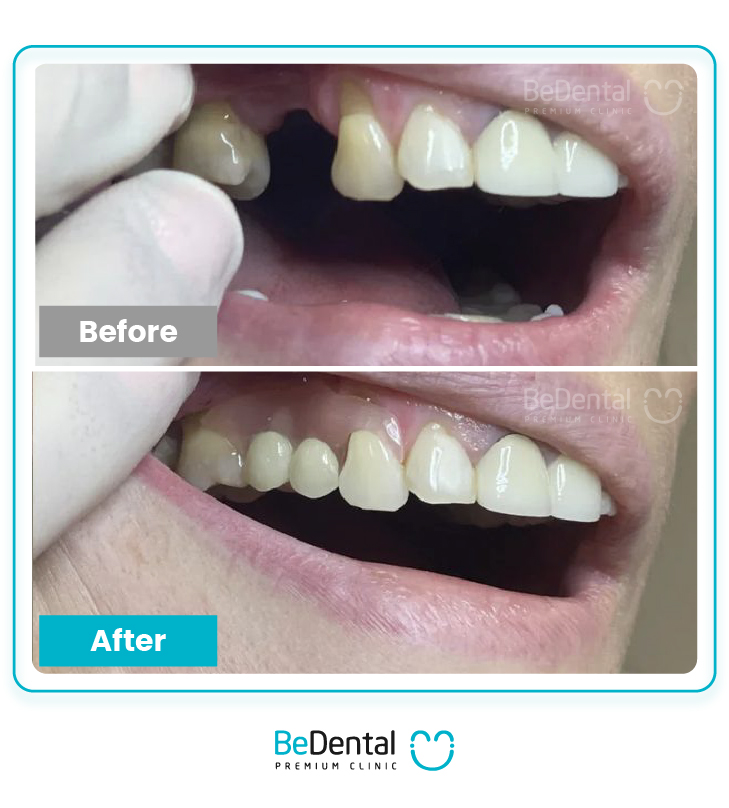
A dental crown is a protective cap placed over a damaged or weakened tooth. It restores the tooth’s shape, strength, and appearance. Crowns are often used when a tooth has:
- Severe tooth decay
- A large filling
- A root canal treatment
- A fractured or worn tooth
- Cosmetic concerns
Common crown materials used in Vietnam include porcelain, zirconia, metal-ceramic, and Emax ceramic.
Dental Braces
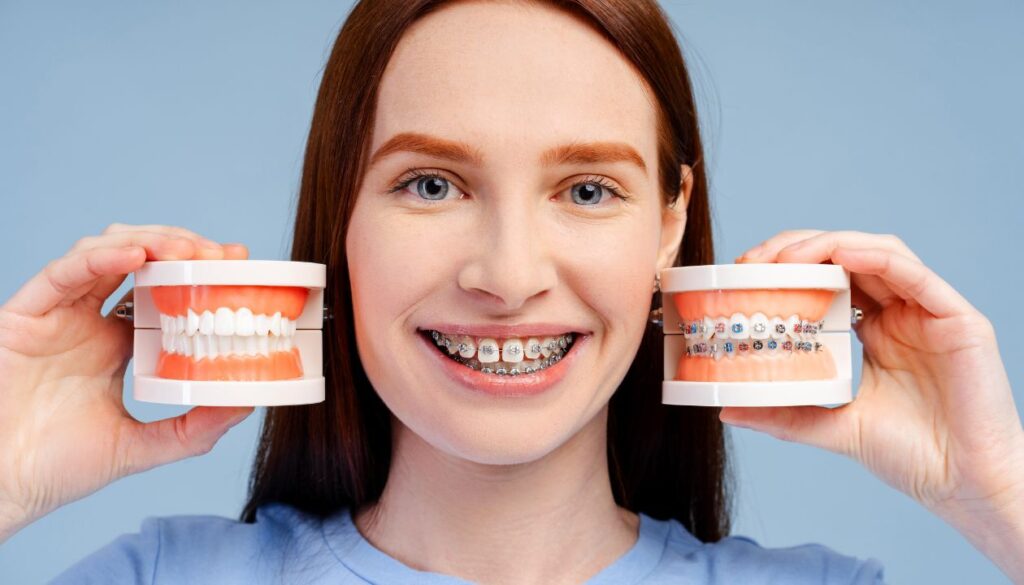
Braces are orthodontic appliances designed to move teeth gradually into proper alignment. They are used to correct:
- Crowded teeth
- Overbite or underbite
- Gaps between teeth
- Misaligned jaws
The process typically lasts 18–24 months, with adjustments every 4–6 weeks.
Because braces move teeth through the jawbone, dentists must carefully plan how existing dental restorations will interact with orthodontic forces.
So, Can Braces Be Attached to Crowns?
Another common concern is whether orthodontic brackets can attach to crowned teeth.
The answer is yes.
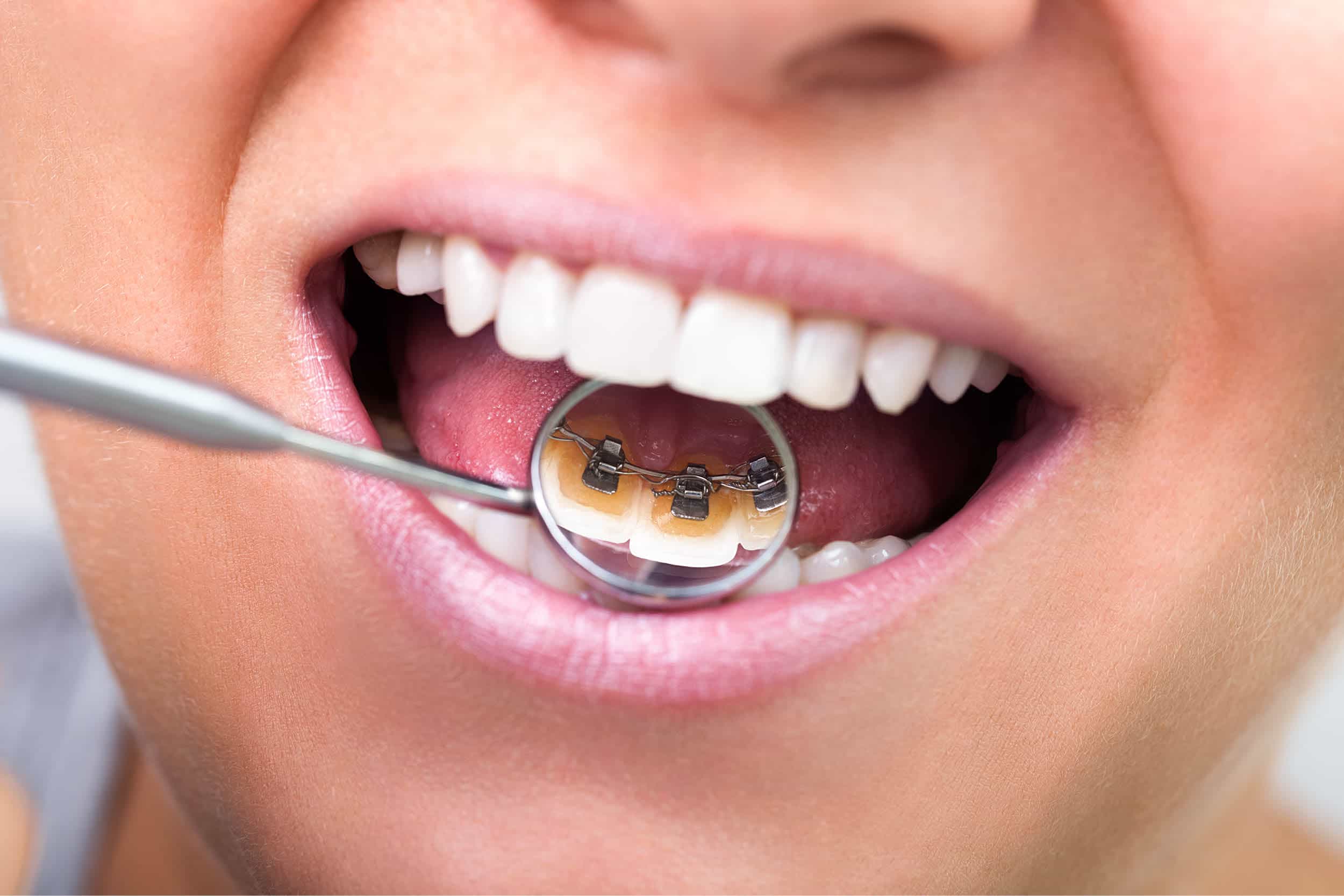
Orthodontists can bond brackets to crowns using special dental adhesives designed for ceramic or metal surfaces.
However, there are some considerations:
- Bond strength may be slightly lower than natural enamel
- The crown surface may require special preparation
- Some crowns (especially zirconia) may need additional bonding techniques
Despite these challenges, experienced orthodontists routinely treat patients who already have crowns.
See more: Orthodontic Treatment in Vietnam
When Can Dental Crowns Be Done Before Braces in Vietnam?
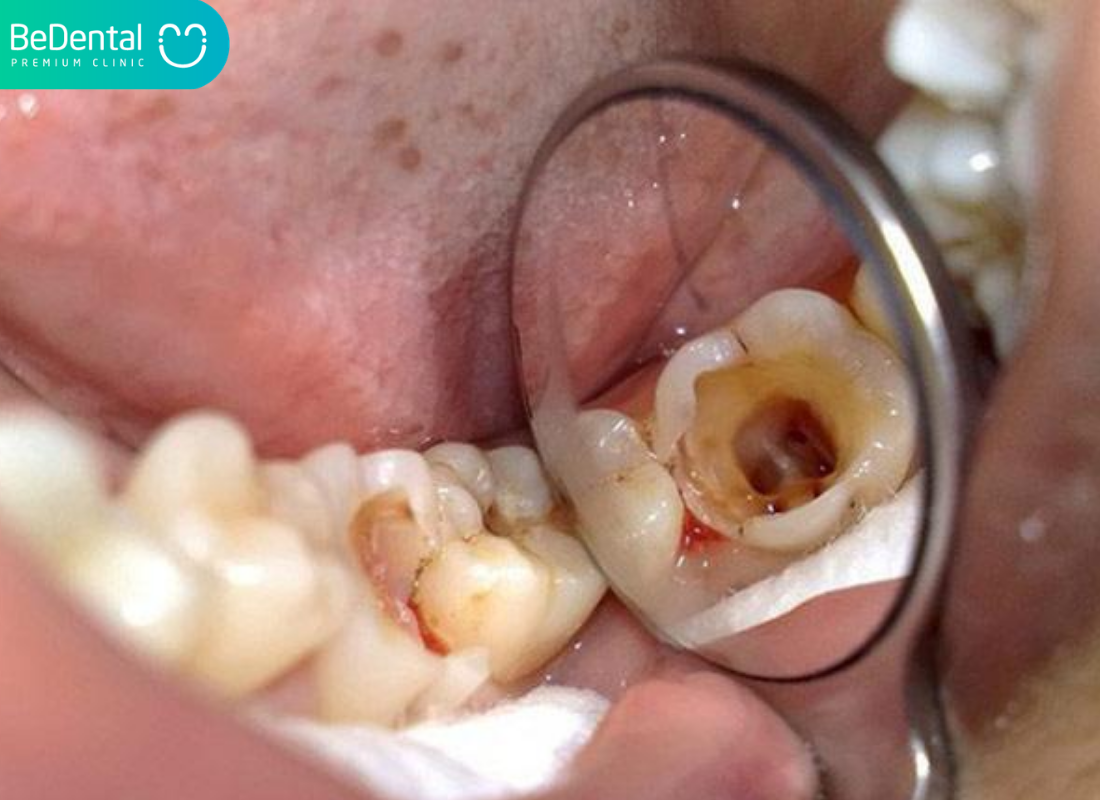
Yes, dental crowns can sometimes be placed before braces, but dentists usually recommend this only in specific situations.
| Situation | Dental Condition | Why Crown May Be Needed Before Braces | Orthodontic Considerations | Typical Clinical Approach |
| Severely Damaged Teeth | The tooth has extensive decay, large fractures, or significant structural loss. | The tooth structure may be too weak to withstand orthodontic forces. A crown protects the tooth and restores its strength before braces begin. | If the tooth still needs to move during orthodontics, the orthodontist must carefully bond brackets to the crown and monitor stress on the tooth. | Dentists may perform decay removal → core buildup → crown placement, then proceed with braces once the tooth is stable. |
| Teeth That Have Undergone Root Canal Treatment | Teeth treated with root canal therapy often become brittle because the nerve and blood supply have been removed. | A crown helps reinforce the tooth structure and prevents fracture during chewing or orthodontic movement. | Root canal teeth can still move with braces, but orthodontists apply controlled forces to avoid damaging the tooth. | The dentist usually completes root canal therapy → post/core (if needed) → crown placement, followed by orthodontic treatment. |
| Temporary Crown Placement | The tooth requires restoration, but its final position may change during orthodontic treatment. | A temporary crown protects the tooth while braces move the teeth into proper alignment. | Since tooth positions will change, permanent crowns are postponed until orthodontic treatment is completed. | Dentists often place a temporary crown before braces and later replace it with a custom permanent crown after braces are removed. |
| Teeth That Will Not Move During Orthodontics | The crowned tooth is not expected to change position significantly in the orthodontic treatment plan. | Because the tooth remains stable, placing a permanent crown early will not affect the final orthodontic outcome. | Orthodontists may avoid placing brackets on the crown or apply minimal movement around it. | The crown is placed first, then braces are applied to adjacent teeth that require movement. |
Cost Considerations in Vietnam
One advantage of receiving dental treatment in Vietnam is affordable pricing compared with many Western countries.
Typical cost ranges include:
| Treatment Category | Procedure Type | Average Cost in Vietnam | Estimated Cost in Western Countries |
| Orthodontics (Braces) | Metal braces | $1,200 – $2,500 | $4,000 – $7,000 |
| Ceramic braces | $1,800 – $3,500 | $5,000 – $8,000 | |
| Clear aligners | $2,500 – $5,000 | $6,000 – $9,000 | |
| Dental Crowns | Metal-ceramic crowns | $120 – $250 | $600 – $1,200 |
| Zirconia crowns | $250 – $450 | $900 – $1,500 | |
| Emax crowns | $350 – $600 | $1,200 – $2,000 |
Despite the significantly lower costs, many dental clinics in Vietnam still use modern equipment, imported dental materials, and internationally trained dentists, allowing patients to receive quality dental care at a fraction of the price charged in countries such as the United States, Australia, or the United Kingdom.
Because of this strong cost advantage, Vietnam has increasingly become a popular destination for dental tourism, particularly for treatments such as braces, dental crowns, implants, and cosmetic dentistry.
See more: Braces near me in Vietnam
Key Considerations Before Getting Crowns and Braces
Patients should consider several important factors before deciding on treatment timing.
Comprehensive Consultation Is Essential
A detailed dental consultation is the first and most important step before deciding whether crowns should be placed before or after orthodontic treatment. During this evaluation, dentists and orthodontists examine the overall condition of the teeth, gums, and jaw alignment.
The consultation may include several diagnostic procedures such as:
- Clinical dental examination
- Digital dental scans or impressions
- Panoramic and cephalometric X-rays
- Bite analysis and occlusion evaluation
These assessments allow the dental team to understand the patient’s current bite relationship, tooth alignment, and structural condition of each tooth. Based on this information, they can determine whether orthodontic treatment should be performed first to reposition the teeth or whether restorative treatment such as crowns should be completed beforehand.
Without this comprehensive consultation, there is a risk that crowns may be placed in positions that later need to be adjusted during orthodontic treatment.
Gum Health Must Be Stable
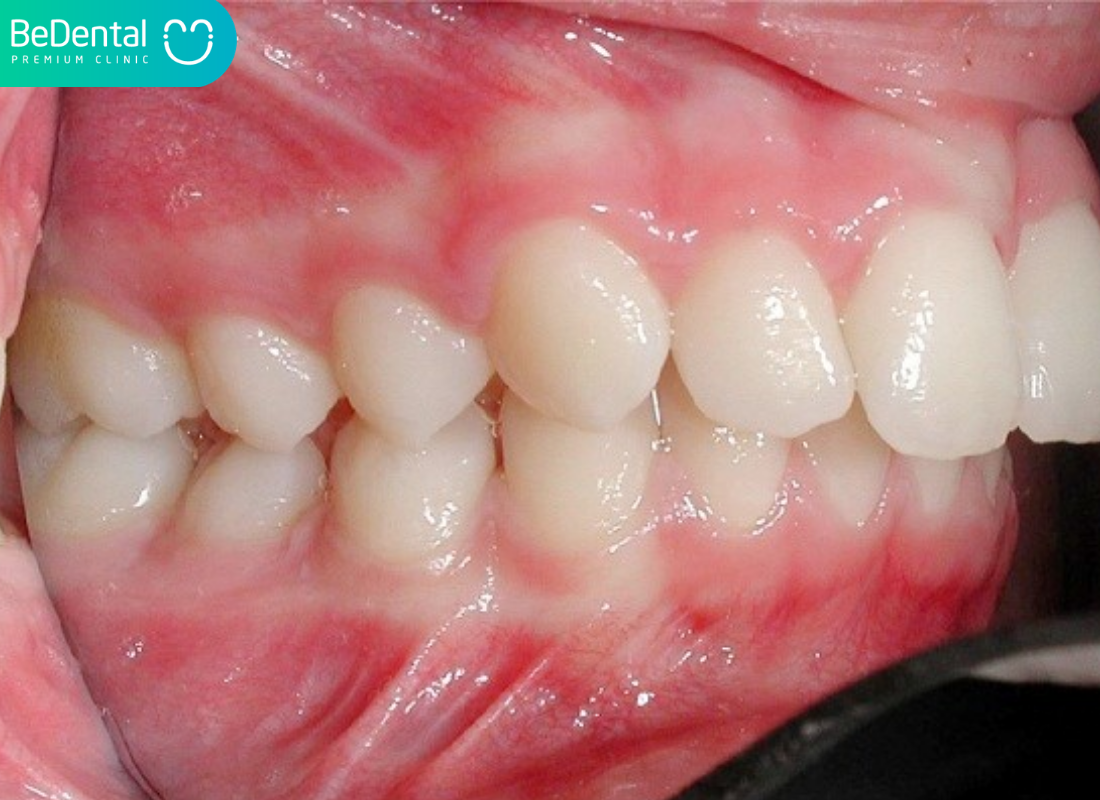
Healthy gums and supporting bone structures are critical for both orthodontic treatment and long-lasting dental crowns. If the gums are inflamed or affected by periodontal disease, orthodontic tooth movement may become more complicated and could potentially worsen the underlying condition.
Before beginning braces or crown placement, dentists usually evaluate:
- Gum inflammation or bleeding
- Periodontal pocket depth
- Bone support around teeth
- Plaque and tartar buildup
If gum disease or gingivitis is present, patients may need to undergo periodontal treatment or professional cleaning before starting orthodontic procedures. Stabilizing gum health ensures that teeth can move safely during braces treatment and that crowns will remain securely supported by healthy tissues.
Maintaining good oral hygiene throughout treatment is equally important because braces can make cleaning more challenging.
Long-Term Treatment Planning Matters
Orthodontic treatment affects the entire bite system, including how the upper and lower teeth come together when chewing or speaking. Because dental crowns are designed to restore tooth shape and function, they must ultimately fit within the final bite position after orthodontic treatment.
For this reason, dentists often recommend completing braces treatment first whenever possible. Once the teeth are properly aligned, crowns can be fabricated to match the new tooth positions and bite relationship.
Careful long-term planning helps ensure that:
- The final bite is stable and functional
- Crowns fit comfortably within the dental arch
- Tooth proportions and smile aesthetics look natural
- Future adjustments or replacements are minimized
When orthodontists and restorative dentists coordinate treatment planning, patients are more likely to achieve results that are both functional and aesthetically pleasing for many years.
See more: Does getting braces hurt? Which stage is the most painful?
Why Choose BeDental for Braces in Vietnam?
Specialized Orthodontic Expertise at BeDental
Orthodontic treatment at BeDental is led by certified specialists experienced in both routine alignment and complex bite correction. Each treatment plan is customized based on facial structure, dental condition, bite function, and lifestyle needs—rather than applying a one-size-fits-all approach.
Malocclusion affects approximately 60–75% of adolescents worldwide, with 20–30% requiring comprehensive orthodontic care. BeDental’s team is trained to manage cases ranging from mild crowding to severe malocclusion, including deep bite, open bite, and crossbite.
Transparent Pricing and Long-Term Treatment Support
BeDental applies an international-standard cost management model, helping patients clearly plan their orthodontic investment. Most services are eligible for dental insurance coverage (depending on individual policies).
The clinic also offers interest-free installment plans, making long-term orthodontic treatment more financially accessible—especially for students and working professionals.
After treatment, structured retention programs are provided. Regular follow-ups and professional retainer guidance help prevent relapse, ensuring long-term stability of results.
Dedicated Care for International Patients
BeDental supports overseas patients through online consultations and multilingual assistance throughout the treatment process.
Flexible scheduling allows patients to coordinate appointments with travel plans while maintaining continuity of care. With cross-border dental demand increasing by 15–20% annually, BeDental’s organized coordination system ensures predictable treatment outcomes for both local and international patients.
Conclusion
So, can dental crowns be done before braces in Vietnam?
Yes, but it depends on the specific dental situation.
Crowns may be placed before braces when a tooth requires structural protection, such as after severe decay or root canal treatment. However, in many cases dentists prefer to delay permanent crowns until after orthodontic treatment to achieve optimal alignment, bite function, and aesthetic results.
With modern technology, skilled orthodontists, and affordable pricing, Vietnam offers high-quality care for patients who need both braces and dental restorations.
For the best outcome, patients should consult an experienced orthodontist who can create a personalized treatment plan that coordinates orthodontics and restorative dentistry effectively.