

 English
 한국어
한국어 日本語
日本語 中文 (中国)


Can braces cause tooth loss in Vietnam? Orthodontic treatment with braces is widely used to correct misaligned teeth, improve bite function, and enhance smile aesthetics. In Vietnam, braces have become increasingly popular as more patients seek professional dental care and modern orthodontic solutions. However, some patients worry about potential risks during treatment, including the possibility of tooth loss.
In reality, braces themselves do not directly cause tooth loss. When performed by qualified orthodontists and combined with proper oral hygiene, orthodontic treatment is generally safe and highly effective. However, certain conditions during treatment may increase the risk of dental problems if not properly managed.
This article explains whether braces can cause tooth loss, what factors may increase the risk, and how patients in Vietnam can protect their oral health during orthodontic treatment.
1. How Braces Move Teeth Safely
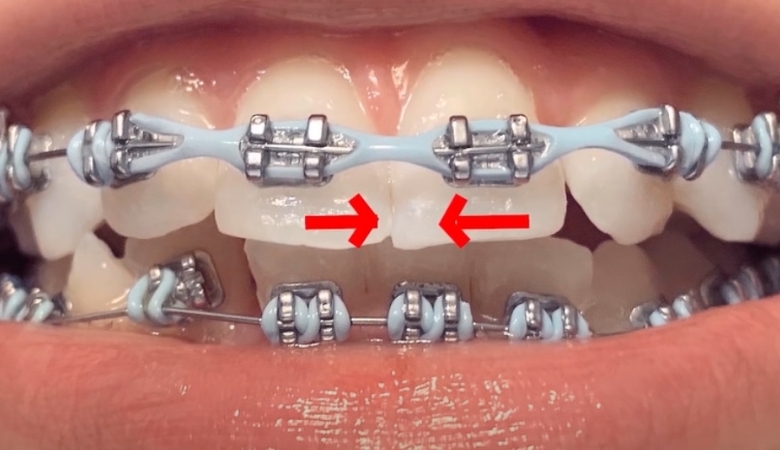
Orthodontic treatment works by applying controlled pressure to gradually move teeth into their correct positions. This process relies on the natural ability of the bone surrounding the teeth to remodel.
When braces apply gentle force:
- Bone on one side of the tooth breaks down slightly (bone resorption)
- New bone forms on the opposite side (bone deposition)
This process allows teeth to move slowly through the jawbone without damaging the surrounding tissues.
When orthodontic forces are applied correctly by trained professionals, the teeth remain firmly supported by the bone and gums, and the risk of tooth loss is extremely low.
See more: Orthodontic Treatment in Vietnam
2. Can Braces Cause Tooth Loss in Vietnam?
Braces alone do not cause tooth loss. When orthodontic treatment is planned and monitored properly, teeth are moved using controlled forces that are biologically safe for the gums, bone, and supporting tissues. However, certain complications or pre-existing dental conditions can increase the risk of tooth instability if they are not identified and managed before or during treatment.
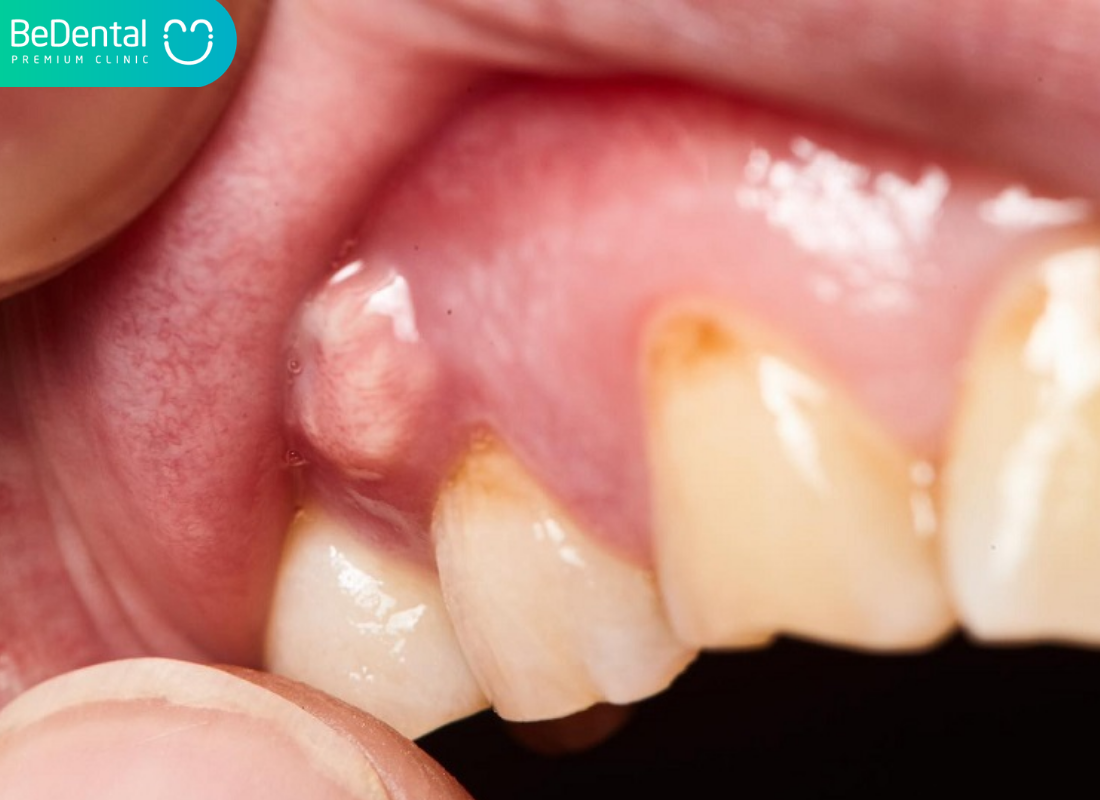
| Risk Factor | How It Can Affect Teeth During Braces | Internal BeDental Data |
| Severe gum disease (periodontitis) | Periodontitis damages the gums and the bone that support the teeth. If braces are applied to teeth that already have reduced support, those teeth may become more mobile during treatment. | Based on internal screening data at BeDental, around 18% of adult orthodontic patients showed signs of mild to moderate periodontal concerns at the initial consultation, and these patients required gum treatment or closer monitoring before braces. |
| Poor oral hygiene during braces treatment | Braces create many small areas where plaque and food debris can collect, especially around brackets, wires, and along the gumline. If these areas are not cleaned properly, gum inflammation and tooth decay may develop. | According to BeDental’s internal follow-up observations, approximately 43% of orthodontic patients showed visible plaque accumulation during at least one review visit, and about 21% needed repeated oral hygiene instruction during treatment. |
| Excessive orthodontic force | Orthodontic treatment should use light, controlled forces to move teeth gradually through the bone. If the force is too strong, it may increase stress on the periodontal ligament, roots, and surrounding bone. | In BeDental’s internal case reviews, fewer than 7% of monitored braces cases required treatment-force modification because certain teeth were responding too quickly or showing signs of increased sensitivity. |
| Untreated cavities or infections | Teeth with untreated decay, deep cavities, or underlying infection are weaker and may not tolerate orthodontic stress as well as healthy teeth. Infections may also spread and affect the surrounding tissues. | At BeDental, about 26% of new orthodontic patients required fillings, decay management, or other restorative care before braces could safely begin. |
| Advanced bone loss around teeth | Bone loss reduces the support that keeps teeth stable in the jaw. If tooth movement is attempted in areas with significant bone loss, the risk of mobility becomes higher. | Based on internal adult case assessments at BeDental, approximately 9% of patients over age 30 showed localized bone support concerns that required modified treatment planning or periodontal consultation before orthodontics. |
3. Common Causes of Tooth Problems During Braces: Vietnam vs Other Countries
Although tooth loss during orthodontic treatment is rare, several dental problems may occur if oral hygiene is not properly maintained. The frequency of these issues can vary between countries due to differences in preventive dental care habits, oral hygiene awareness, and access to professional dental services.
Below is a comparison of common orthodontic complications and how frequently they may occur in Vietnam compared with developed countries such as the United States, the United Kingdom, or Australia.
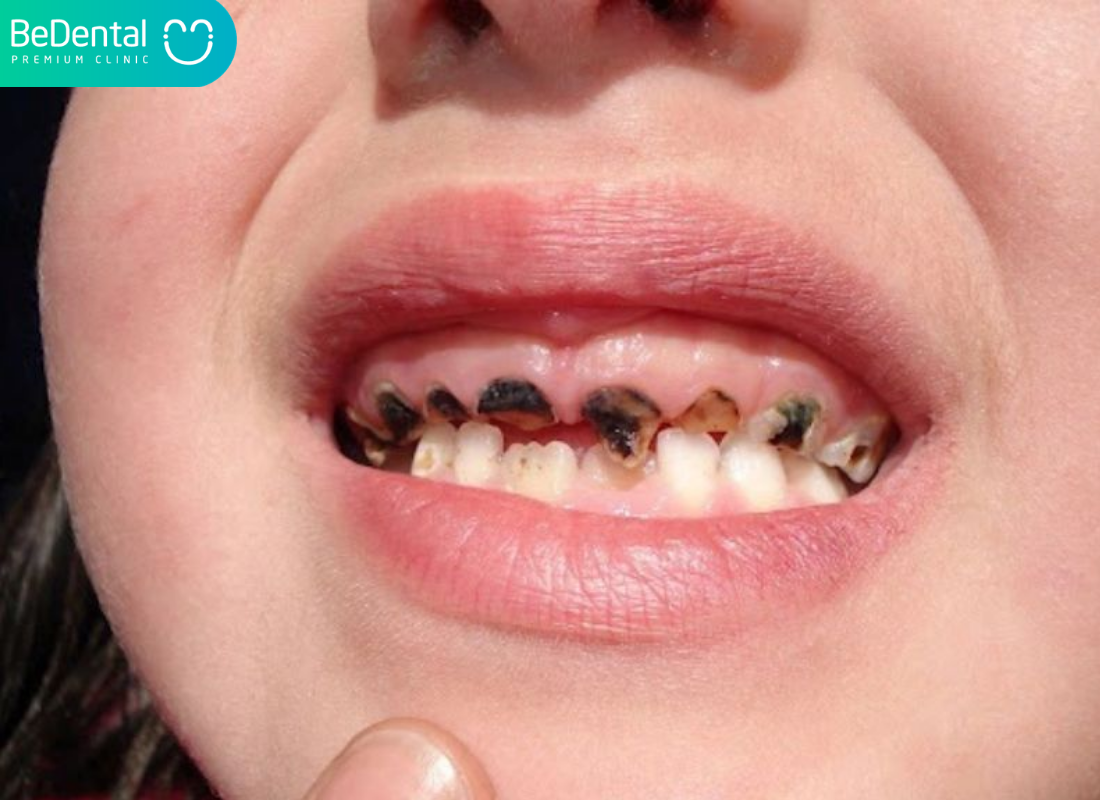
| Condition | Description | Risk Level | Estimated Frequency in Vietnam | Estimated Frequency in Developed Countries | Main Reasons for Differences |
| Gum disease (periodontitis) | Infection affecting the gums and supporting bone around the teeth, often caused by plaque accumulation around braces brackets. | High risk if untreated | ~8–15% of orthodontic patients may show signs of gum inflammation during treatment | ~5–10% | Preventive dental visits and periodontal screening are more common in developed countries. In Vietnam, some patients start orthodontic treatment without regular dental cleanings beforehand. |
| Tooth decay (white spot lesions) | Plaque buildup around braces brackets can lead to enamel demineralization and cavities if oral hygiene is insufficient. | Moderate risk | ~15–30% of orthodontic patients may develop early enamel lesions | ~10–25% | Differences in dietary habits, sugar consumption, and oral hygiene routines during braces treatment. |
| Root resorption | Shortening of the tooth root during orthodontic movement due to biological response to pressure. Usually mild and detected through X-rays. | Low risk | ~3–7% mild root shortening cases | ~3–6% | The risk is generally similar worldwide because it mainly depends on biological factors and orthodontic force control rather than geographic location. |
| Poor oral hygiene complications | Inadequate brushing and flossing can lead to gum swelling, plaque accumulation, and increased risk of cavities. | Moderate risk | ~20–40% temporary plaque-related inflammation | ~15–30% | Preventive oral hygiene education is more widely integrated into orthodontic programs in some Western healthcare systems. |
4. How to Prevent Tooth Loss During Braces
Maintaining good oral hygiene and following orthodontic instructions are essential for preventing complications.
Patients undergoing braces treatment should:
Maintain Good Daily Oral Hygiene
Patients with braces should brush their teeth at least twice a day, and ideally after meals. Food particles and plaque can easily collect around brackets, wires, and along the gumline, making cleaning more difficult than usual. If these deposits are not removed properly, they can lead to gum inflammation, enamel damage, and a higher risk of dental complications during treatment.
Clean Between Teeth and Around Braces
A regular toothbrush alone is often not enough for patients wearing braces. It is important to use interdental brushes, orthodontic floss, floss threaders, or water flossers to clean areas that are hard to reach. These tools help remove plaque and food debris from between the teeth and underneath the wires, where bacteria can easily build up.
Attend Regular Orthodontic Appointments
Routine adjustment visits are a key part of safe braces treatment. During these appointments, the orthodontist checks how the teeth are moving, whether the gums remain healthy, and whether there are any warning signs such as inflammation, excessive mobility, root stress, or appliance damage. Regular follow-up allows problems to be identified early before they become more serious.
Avoid Foods That Can Damage Braces
Patients should avoid hard, sticky, or chewy foods that may break brackets, loosen wires, or get trapped around the braces. Damaged appliances can interfere with tooth movement, delay treatment, and create more areas for plaque to accumulate. Reducing sugary snacks and drinks is also helpful because sugar increases the risk of enamel demineralization and cavities during orthodontic treatment.
These habits help keep gums healthy and reduce the risk of dental complications.
5. Why Choose BeDental for Braces in Vietnam?

Specialized Orthodontic Expertise at BeDental
Orthodontic treatment at BeDental is led by certified specialists experienced in both routine alignment and complex bite correction. Each treatment plan is customized based on facial structure, dental condition, bite function, and lifestyle needs—rather than applying a one-size-fits-all approach.
Malocclusion affects approximately 60–75% of adolescents worldwide, with 20–30% requiring comprehensive orthodontic care. BeDental’s team is trained to manage cases ranging from mild crowding to severe malocclusion, including deep bite, open bite, and crossbite.
Transparent Pricing and Long-Term Treatment Support
BeDental applies an international-standard cost management model, helping patients clearly plan their orthodontic investment. Most services are eligible for dental insurance coverage (depending on individual policies).
The clinic also offers interest-free installment plans, making long-term orthodontic treatment more financially accessible—especially for students and working professionals.
After treatment, structured retention programs are provided. Regular follow-ups and professional retainer guidance help prevent relapse, ensuring long-term stability of results.
Dedicated Care for International Patients
BeDental supports overseas patients through online consultations and multilingual assistance throughout the treatment process.
Flexible scheduling allows patients to coordinate appointments with travel plans while maintaining continuity of care. With cross-border dental demand increasing by 15–20% annually, BeDental’s organized coordination system ensures predictable treatment outcomes for both local and international patients.
See more: Braces near me in Vietnam
6. BeDental Patient Stories
A Patient Who Improved Oral Hygiene During Braces
Thao, a 22-year-old university student, started braces to fix crowded teeth and improve her smile.
During one follow-up visit at BeDental, her orthodontist noticed plaque buildup around several brackets and explained that poor cleaning could increase the risk of gum inflammation and tooth problems during treatment. Thao was shown how to use interdental brushes and clean more carefully around the wires.
After improving her daily routine and attending regular checkups, her gums became healthier and her treatment continued without serious complications.
An Adult Patient Who Needed Dental Treatment Before Braces
Minh, a 35-year-old office worker, wanted braces but had a few untreated cavities and mild bone support concerns at his first consultation.
Instead of starting orthodontic treatment immediately, the BeDental team recommended fillings, professional cleaning, and a more detailed periodontal evaluation first. Once these problems were stabilized, Minh was able to begin braces more safely with a customized treatment plan and close monitoring.
His case showed that careful preparation before braces can greatly reduce the risk of complications and support a healthier long-term result.
Conclusion
Braces themselves do not cause tooth loss. When orthodontic treatment is performed properly and patients maintain good oral hygiene, braces are a safe and effective way to improve dental alignment and bite function.
The risk of tooth loss is extremely low and usually occurs only when underlying dental problems such as gum disease or poor oral hygiene are present.
By choosing an experienced orthodontist, attending regular checkups, and maintaining good oral care habits, patients in Vietnam can safely complete orthodontic treatment and enjoy long-term improvements in both dental health and smile appearance.
See more: Does getting braces hurt? Which stage is the most painful?