

 English
 한국어
한국어 日本語
日本語 中文 (中国)


Bad breath in Vietnam: According to global estimates, around 1 in 4 people experience chronic bad breath, making it one of the most common oral health complaints worldwide. In fact, halitosis is the third most common reason people seek dental care, after tooth decay and gum disease. In Vietnam, the hot climate, dietary habits, smoking rates, and delayed dental visits may further increase the prevalence of this condition.
This article provides a comprehensive overview of bad breath in Vietnam, focusing on causes, warning signs, home care limitations, and—most importantly—when and why you should see a dentist for effective treatment.
What Is Bad Breath (Halitosis)?

Bad breath is characterized by an unpleasant odor coming from the mouth, which may be constant or intermittent. It can range from mild to severe and often becomes noticeable during close conversations or after waking up in the morning.
While many people assume bad breath is simply a hygiene issue, research shows that up to 90% of cases originate in the mouth, and the rest may be linked to ENT, gastrointestinal, metabolic, or systemic diseases.
Understanding the true cause is crucial, because masking bad breath with mouthwash or gum does not treat the root problem.
See more: Bleeding gums and 9 ways to cure at home
Common Causes of Bad Breath in Vietnam
1. Poor Oral Hygiene
The leading cause of bad breath is inadequate oral hygiene, accounting for approximately 80–90% of cases originating in the mouth. When food particles remain between teeth or on the tongue, bacteria break them down and release volatile sulfur compounds (VSCs), which are the primary source of foul odor.
In Vietnam, where studies suggest that 60–70% of adults experience plaque buildup or gingivitis, common contributors include infrequent brushing or flossing, accumulated tartar, unclean dentures or retainers, and a thick white coating on the back of the tongue.
2. Dry Mouth (Xerostomia)
Saliva plays a vital role in washing away bacteria and neutralizing acids, so when saliva flow is reduced, odor-causing bacteria can multiply 2–3 times faster than normal. In Vietnam’s hot and humid climate, dehydration is a common trigger, and it is estimated that 20–30% of adults experience occasional dry mouth.
Other contributing factors include mouth breathing, smoking, alcohol consumption, and the use of certain medications such as antihistamines, antidepressants, and blood pressure drugs.
3. Food and Lifestyle Habits
Diet and lifestyle also significantly influence breath odor. Vietnamese cuisine frequently includes ingredients such as garlic, onions, fermented foods, fish sauce, coffee, and alcohol, all of which can cause noticeable breath odor; for example, sulfur compounds from garlic can persist in the body and affect breath for up to 24 hours.
Additionally, tobacco use remains a major factor, with over 40% of adult men in Vietnam smoking, which not only creates strong odors but also increases the risk of gum disease and long-term halitosis.
4. Gum Disease and Tooth Decay
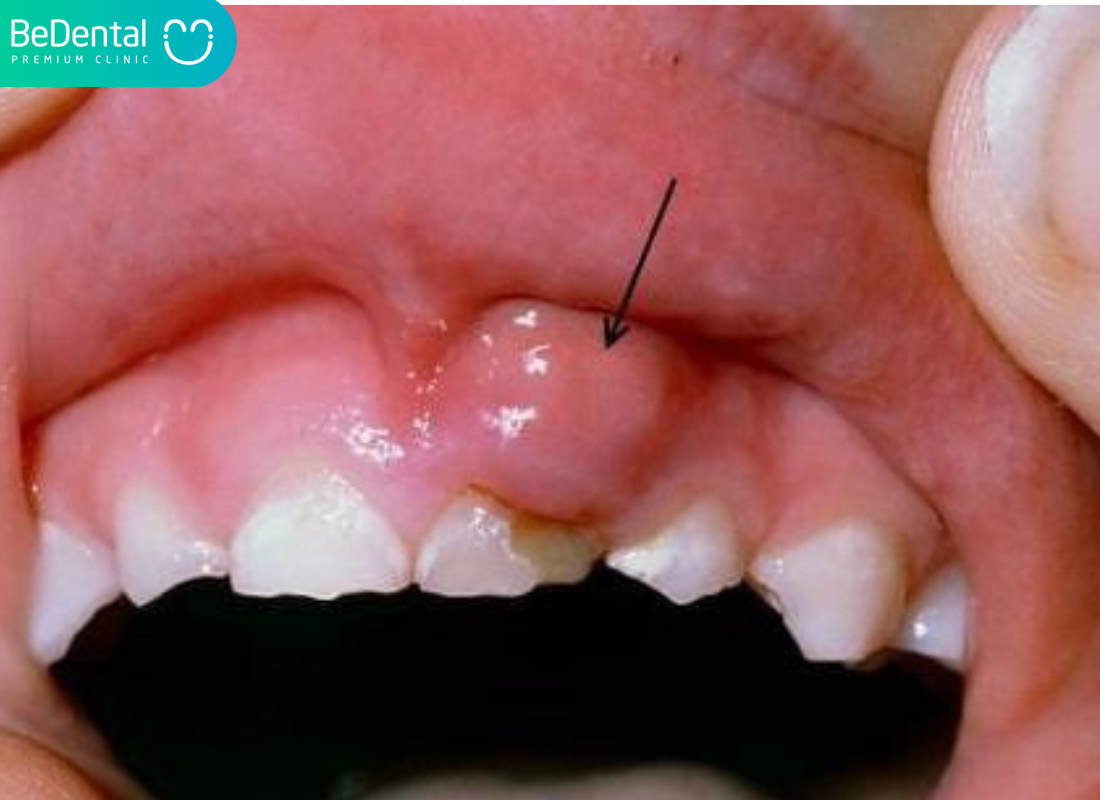
Gum diseases such as gingivitis and periodontitis are responsible for 30–50% of chronic bad breath cases, as they create deep pockets between the teeth and gums where bacteria thrive and produce high levels of VSCs.
In Vietnam, dental issues are highly prevalent, with over 90% of adults having experienced tooth decay, which further contributes to persistent odor. Untreated cavities, cracked teeth, and trapped food debris in damaged areas can significantly worsen the condition, while advanced gum disease may increase sulfur compound levels by up to 10 times compared to a healthy mouth.
See more: What is tongue scraping? 10 things you need to know
Non-Dental Causes That May Require Medical Attention
While most cases of bad breath in Vietnam are dental-related, some originate outside the mouth:
- ENT conditions: sinusitis, tonsil stones, throat infections
- Gastroesophageal reflux disease (GERD)
- Metabolic disorders (e.g., diabetes ketoacidosis)
- Liver or kidney disease
- Respiratory conditions such as bronchiectasis or aspiration pneumonia
In rare but serious cases, breath may smell fruity, fecal, or ammonia-like—a strong warning sign that medical evaluation is needed immediately.
Warning Signs You Should Not Ignore
Many people live with bad breath for years without seeking care, often unaware that it signals a deeper problem. You should pay close attention if you notice:
Persistent Bad Breath Despite Good Oral Hygiene
If you brush your teeth twice daily, floss regularly, clean your tongue, and maintain adequate hydration—but still experience bad breath after 2–3 weeks of consistent care, this is no longer considered normal. At this point, the odor is unlikely to be caused by surface bacteria alone and may indicate deep plaque buildup, gum disease, decayed teeth, or an underlying medical issue. A dental visit is strongly recommended.
Thick White or Yellow Coating on the Tongue
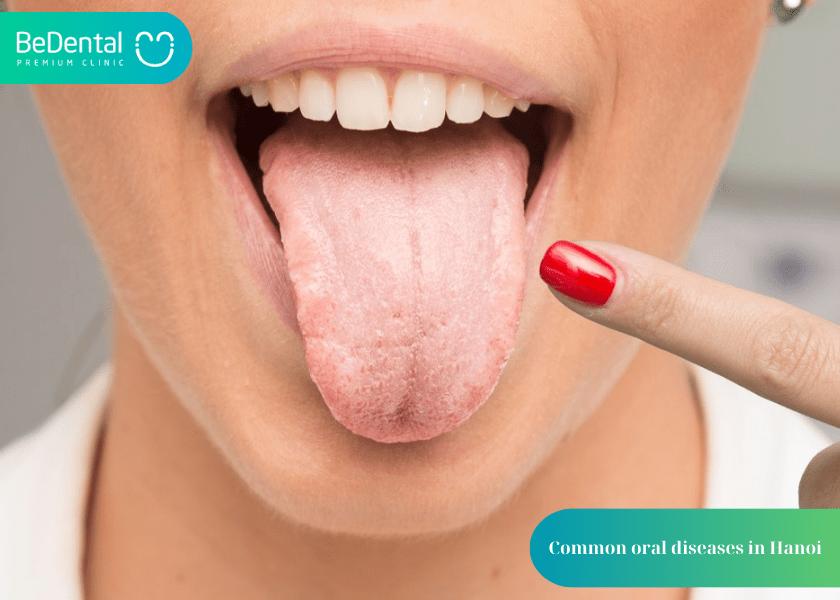
A thin, light white coating—especially in the morning—can be normal. However, you should be concerned if the coating is:
- Thick, sticky, or uneven
- Yellowish, gray, or brown in color
- Concentrated toward the back of the tongue
- Accompanied by strong odor, dry mouth, or altered taste
These signs suggest bacterial overgrowth, poor oxygen flow in the mouth, smoking effects, or digestive and sinus-related problems that require professional assessment.
Bleeding, Swollen, or Painful Gums
Healthy gums should be pink, firm, and painless. Warning signs of gum disease include:
- Bleeding when brushing or flossing
- Red, swollen, or shiny gum tissue
- Tenderness or pain when chewing
- Persistent bad taste or pus between teeth and gums
These symptoms often indicate gingivitis or periodontitis, conditions that allow odor-causing bacteria to thrive beneath the gum line—areas that cannot be cleaned at home.
Loose Teeth or Gum Recession
If your teeth feel mobile, longer than usual, or if you notice gums pulling away from the teeth, this may signal advanced periodontal disease. Gum recession exposes tooth roots, creating deep pockets where bacteria accumulate and cause chronic bad breath. This is a serious condition that requires immediate dental treatment to prevent tooth loss.
Chronic Dry Mouth or Bitter/Metallic Taste
A persistently dry mouth—even after drinking water—can indicate reduced saliva flow, which allows bacteria to multiply rapidly. Signs include:
- Difficulty swallowing dry foods
- Sticky or thick saliva
- Cracked lips or mouth corners
- Constant bitter, sour, or metallic taste
Dry mouth may be caused by medications, mouth breathing, smoking, systemic illness, or salivary gland dysfunction—all of which contribute significantly to halitosis.
Post-Nasal Drip or Mucus Buildup
A constant sensation of mucus in the throat, frequent throat clearing, or bad breath that worsens in the morning may point to sinus infections, allergies, or tonsil stones. These conditions allow bacteria to accumulate outside the mouth, producing odors that brushing alone cannot eliminate.
See more: Bad Breath and 6 Common Questions
How Dentists Treat Bad Breath in Vietnam
In Vietnam, dentists do not treat bad breath as a standalone symptom. Instead, they focus on identifying the root cause of halitosis. Based on the patient’s symptoms, medical history, and clinical findings, dental experts first determine whether the odor originates from oral conditions or is linked to systemic or ENT-related health problems.
When bad breath is confirmed to be caused by oral factors, a structured dental treatment plan is initiated.
Comprehensive Dental Examination

The first step is a thorough oral assessment designed to locate the exact source of odor. This evaluation typically includes:
- A detailed examination of the teeth, gums, tongue, and oral tissues
- Measurement of gum pocket depths to detect hidden periodontal disease
- Assessment of plaque and tartar accumulation, especially below the gumline
- Dental X-rays when necessary to identify decay, bone loss, or hidden infections
This comprehensive approach allows dentists to accurately diagnose whether bad breath is caused by gum disease, tooth decay, trapped food debris, or oral infections.
Estimated cost at BeDental: free
Professional Cleaning (Scaling and Polishing)
Professional dental scaling is one of the most effective treatments for bad breath caused by plaque and tartar buildup. During this procedure:
- Hardened tartar that cannot be removed by brushing or flossing is eliminated
- Bacteria trapped along and beneath the gumline are reduced
- Tooth surfaces are polished to make it harder for plaque to reattach
For many patients, professional cleaning alone significantly improves breath odor and gum health.
Estimated cost at BeDental:
Scaling and polishing: 500,000 – 1,200,000 VND
(Price depends on tartar severity and gum condition)
Periodontal Treatment for Gum Disease
If bad breath is linked to moderate or advanced gum disease, deeper periodontal care is required. This may include:
- Root planing, a deep cleaning procedure that removes bacteria and toxins from exposed tooth roots
- Targeted periodontal therapy to reduce inflammation and stop disease progression
By eliminating bacteria beneath the gums, periodontal treatment addresses one of the most common and persistent causes of chronic halitosis.
Estimated cost at BeDental:
- Root planing / deep periodontal cleaning: 1,500,000 – 3,500,000 VND per quadrant
- Comprehensive periodontal therapy (full mouth): 6,000,000 – 12,000,000 VND
Treatment of Cavities, Infections, and Faulty Restorations

Untreated cavities, leaking fillings, abscesses, and infected root canals create environments where odor-causing bacteria thrive. Dentists manage these issues by:
- Removing decayed tooth structure and restoring the tooth
- Replacing old or defective fillings that trap bacteria
- Treating dental abscesses or performing root canal therapy when necessary
Eliminating these bacterial reservoirs is essential for long-term control of bad breath.
Estimated cost at BeDental:
- Tooth-colored filling: 500,000 – 1,200,000 VND
- Root canal treatment: 1,500,000 – 3,500,000 VND
- Crown restoration (if required): 3,000,000 – 8,000,000 VND
BeDental – A Trusted Clinic for Bad Breath Treatment in Vietnam
BeDental is a reputable dental clinic in Vietnam specializing in comprehensive oral health care, including the diagnosis and treatment of chronic bad breath (halitosis). Rather than masking symptoms, BeDental focuses on identifying and treating the root causes of bad breath, whether they originate from dental, periodontal, or oral hygiene–related conditions.

Why Patients Choose BeDental for Bad Breath Treatment
Experienced dental specialists
BeDental’s dentists have 10+ years of clinical experience managing complex oral conditions linked to halitosis. Studies show that over 80–90% of chronic bad breath cases originate from oral causes, particularly gum disease and bacterial plaque.
The team prioritizes accurate diagnosis and long-term treatment rather than temporary solutions like mouthwash alone.
Advanced diagnostic technology
The clinic is equipped with modern diagnostic systems, including digital X-rays and Cone Beam CT (CBCT), allowing dentists to detect hidden dental infections, bone loss, impacted food debris, and periodontal issues that commonly cause persistent bad breath but are often missed during routine examinations.
High-quality restorative solutions
For halitosis caused by decayed teeth or leaking fillings, BeDental applies modern restorative techniques with precision sealing.
Proper restorations reduce bacterial retention and can lower recurrence of odor-related infections by up to 60–70% when combined with professional cleaning and periodontal care.
Premium, biocompatible materials
All materials are FDA- and ISO-certified, imported from Germany, the United States, and Japan. High-grade restorative materials demonstrate over 99% tissue compatibility and improved resistance to bacterial accumulation, supporting long-term freshness and oral stability.
Multilingual patient support
Approximately 25–30% of patients are expatriates or international visitors. English-speaking dentists and coordinators provide clear explanations and personalized care plans, ensuring patients fully understand treatment options and prevention strategies.
Long-term oral health focus
Rather than short-term relief, BeDental emphasizes professional cleaning, periodontal therapy, and hygiene education. Patients who follow recommended 6-month maintenance visits show over 85–90% improvement in halitosis control within the first year.
Whether your bad breath is caused by gum disease, dental infections, dry mouth, or underlying oral conditions, BeDental delivers safe, evidence-based, and patient-centered care designed to address the cause, not just the symptom, of halitosis.
Bad breath is not just a cosmetic concern, it is often a signal from your body. In Vietnam, where dental care is increasingly accessible and affordable, there is no reason to live with chronic halitosis.
If bad breath persists, a dentist is your first and most important point of contact.

Tư vấn chuyên môn bài viết:
BÁC SĨ DƯƠNG THỊ THÙY NGA
Tại BeDental, khách hàng có thể an tâm điều trị với dịch vụ bảo lãnh viện phí nha khoa nhanh chóng và tiện lợi. BeDental hiện liên kết với nhiều công ty bảo hiểm uy tín, hỗ trợ thanh toán trực tiếp chi phí các dịch vụ nha khoa như nhổ răng, trám răng, điều trị tủy, phục hình răng sứ... Quy trình linh hoạt, minh bạch giúp tiết kiệm thời gian và tối ưu chi phí. Hãy liên hệ BeDental để được tư vấn chi tiết và tận hưởng trải nghiệm chăm sóc răng miệng chuyên nghiệp, không lo gánh nặng tài chính.
? Các đơn vị nha khoa chấp nhận bảo lãnh bao gồm : Hùng Vương Insurance, Bảo Long Insurance, BSH (Bảo hiểm BSH), FWD Insurance Cathay Life Fubon Insurance, Tokio Marine Insurance Group VNI (Bảo hiểm Hàng không), HD Insurance MSIG AAA Insurance PTI (Bảo hiểm Bưu điện), BIDV MetLife, PJICO, Techcom, Insurance, AIA, Dai-ichi Life MIC GIC DBV Insurance VBI (Bảo hiểm VietinBank)
? Các công ty bảo hiểm BeDental có thể xuất hóa đơn: Manulife Dai-ichi Life Prudential AIA Hanwha Life PVI VCLI (Bảo hiểm nhân thọ Vietcombank - Cardif) BIC (Bảo hiểm BIDV), Bảo Việt Insurance và PVI