


 English
 한국어
한국어 日本語
日本語 中文 (中国)


Porcelain crowns are a widely used restorative dental solution in Vietnam, valued for their strength, durability, and natural appearance. However, one of the most frequently asked questions by patients and parents is: What is the minimum age for porcelain crowns?
According to clinical guidance recognized by the American Dental Association and the World Dental Federation, porcelain crowns should only be placed when tooth development and jaw growth are sufficiently stable. Placing crowns too early can compromise long-term outcomes due to ongoing changes in tooth position, bite alignment, and jaw structure.
In Vietnam, reputable dental clinics follow these same international principles. At BeDental, the minimum age for porcelain crowns is carefully assessed on a case-by-case basis, prioritizing long-term oral health, safety, and functional stability rather than age alone.
About BeDental – International-Standard Dental Care in Vietnam
BeDental is a modern dental system in Vietnam specializing in restorative, cosmetic, and preventive dentistry following international clinical standards. The clinic is known for its conservative treatment philosophy, advanced diagnostic technology, and strong focus on long-term oral health—especially when treating adolescents and young adults.
BeDental’s dental team includes experienced prosthodontists and restorative dentists trained to evaluate tooth maturity, jaw growth, and occlusion stability before recommending porcelain crowns. Using digital imaging, intraoral scanners, and detailed bite analysis, BeDental ensures that crowns are placed only when they can function safely and predictably over time.
With strict sterilization protocols, transparent treatment planning, and comprehensive aftercare, BeDental is a trusted choice for porcelain crown treatment in Vietnam for both local and international patients.
What Are Porcelain Crowns?
Porcelain crowns, often referred to as “dental caps,” are high-precision, custom-made restorations designed to fully encase a tooth from the gum line to the biting surface. Unlike fillings or inlays that only replace a portion of the tooth, a crown provides 360-degree protection. This intervention is essential for restoring the natural dimensions, structural integrity, and aesthetic brilliance of teeth that have been compromised by trauma or disease. By acting as a reinforced “outer shell,” a crown allows a weakened tooth to function normally under the immense pressure of chewing while shielding the vulnerable natural structure underneath.
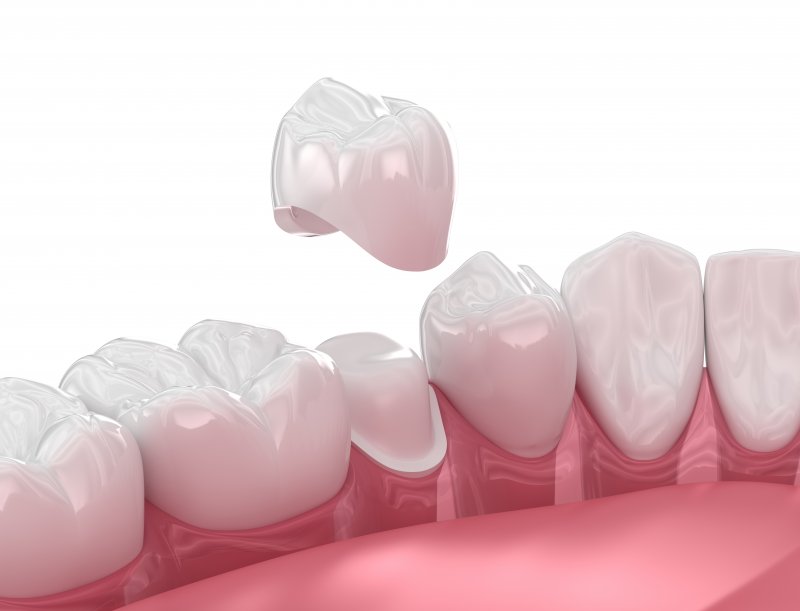
Key Clinical Applications of Porcelain Crowns
Dental associations and experts worldwide recognize porcelain crowns as the gold standard for several critical restorative scenarios:
Management of Severe Tooth Decay: When a cavity becomes too large to be supported by a traditional filling, the remaining tooth walls become thin and brittle. A crown reinforces these walls, preventing the tooth from collapsing or splitting under pressure.
Repair of Fractures and Structural Weakness: Teeth that have developed deep cracks, “craze lines,” or significant chips require a crown to hold the tooth together. This prevents bacteria from entering the inner chambers and stops fractures from spreading toward the root.
Protection After Root Canal Treatment: Once a tooth has undergone a root canal, it no longer has a blood supply, causing it to become dry and fragile. A porcelain crown is vital to act as a protective “helmet,” ensuring the tooth does not shatter during daily use.
Correction of Discoloration and Shape Defects: For teeth that are severely stained (internally), misshapen, or naturally too small, crowns offer a transformative aesthetic solution. They can be custom-contoured to create a symmetrical, bright, and harmonious smile.
Implant-Supported Restorations: In cases of missing teeth, a porcelain crown serves as the final, visible component attached to a dental implant, effectively mimicking a natural tooth in both function and appearance.
Modern porcelain crowns are typically all-ceramic or zirconia-based, offering superior aesthetics and biocompatibility compared to traditional metal-ceramic crowns.
Summary of Clinical Applications
| Condition | Purpose of Crown |
| Severe tooth decay | Reinforces weak tooth structure |
| Tooth fractures | Prevents further cracking |
| After root canal | Protects brittle tooth |
| Discoloration / shape defects | Improves aesthetics |
| Dental implant | Final visible restoration |
Minimum Age for Porcelain Crowns: Clinical Guidelines & Recommendations
In the field of restorative dentistry, determining the right time for a porcelain crown is a sophisticated decision that prioritizes a patient’s long-term oral health over a specific birth date. While there is no “legal” minimum age, international dental associations emphasize that biological maturity—the point at which the teeth and jawbone have finished developing—is the most critical factor for a successful, long-lasting restoration.
1. Childhood and Early Adolescence (Under 14)
Why Porcelain Crowns are Generally Avoided: During these formative years, the facial skeleton and jawbones are undergoing rapid expansion. Permanent teeth are still in a state of “active eruption,” meaning their final position relative to the gums has not yet stabilized. Furthermore, young teeth have very large pulp chambers (the nerve center). Preparing a young tooth for a permanent crown requires removing enamel, which carries a high risk of irritating the nerve and potentially requiring an unnecessary root canal.
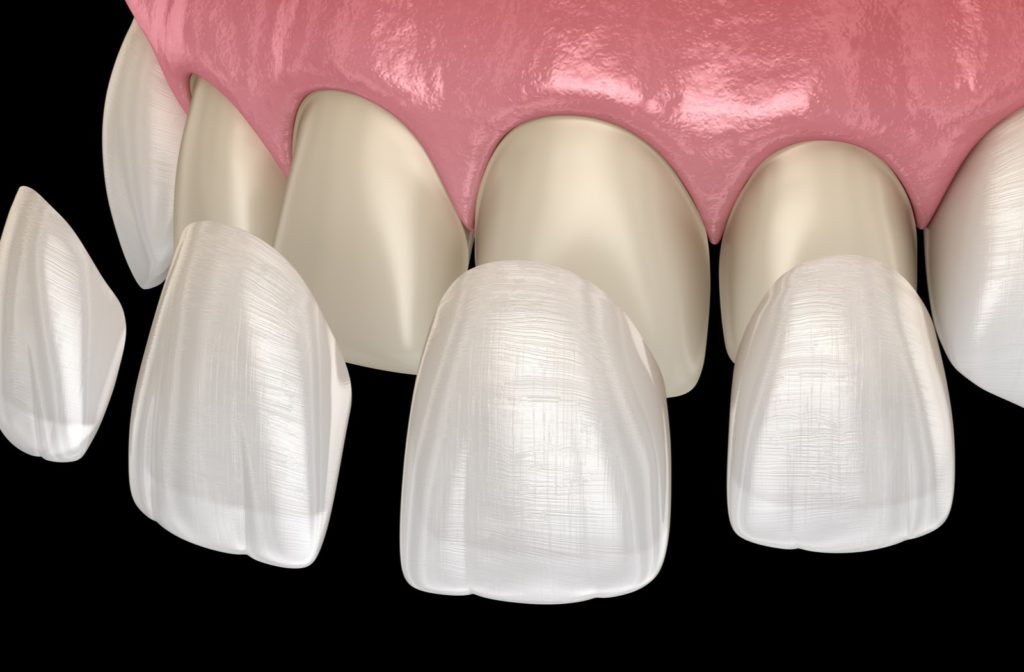
The BeDental Approach: In cases of severe decay or trauma for children, we utilize interim restorations like stainless steel crowns or composite bonding. These protect the tooth while allowing the jaw to grow naturally.
>> See more: Tooth Preparation Pain for Crowns in Vietnam: What to Expect and How to Stay Comfortable
2. Late Adolescence (Ages 15–17)
Clinical Case-by-Case Assessment: As patients enter their late teens, porcelain crowns transition from being contraindicated to being a viable option under specific circumstances. At this stage, a dentist must confirm that skeletal growth is nearly complete and the patient’s “bite” (occlusion) is stable. If a teenager suffers from severe structural damage or congenital enamel defects, a crown may be indicated to prevent further deterioration.
Biological Verification: Before proceeding, specialists often use digital X-rays to check the maturity of the tooth roots and ensure the gum line has reached its permanent position. This prevents the unsightly “gap” that occurs if a crown is placed while the tooth is still emerging.
3. Early Adulthood and Beyond (18+)
Safe and Standard Implementation: For adults, porcelain crowns are considered a gold-standard treatment. By age 18, the jawbone growth cycle has typically concluded, and the pulp chamber has receded to a safer size for restorative preparation. At this stage, crowns are commonly recommended for:
- Reinforcing teeth after root canal therapy.
- Repairing major structural fractures.
- Correcting severe aesthetic concerns like internal staining or misshapen teeth. The stability of the adult mouth ensures that the crown will remain properly aligned and functional for many years to come.
Why Following These Guidelines Matters
At BeDental, we strictly adhere to these international standards to avoid the “domino effect” of premature dental work. Placing a permanent crown too early can lead to:
- Gingival Recession: The crown margin becoming visible as the gums shift.
- Bite Misalignment: Chronic jaw pain (TMJ) as the jaw continues to grow against a rigid, unyielding crown.
- Multiple Replacements: Starting the “crown lifecycle” too early means more total replacements over a patient’s life, which eventually thins the natural tooth structure.
Summary of Clinical Applications
| Condition | Purpose of Crown |
| Severe tooth decay | Reinforces weak tooth structure |
| Tooth fractures | Prevents further cracking |
| After root canal | Protects brittle tooth |
| Discoloration / shape defects | Improves aesthetics |
| Dental implant | Final visible restoration |
Why Age Matters When Placing Porcelain Crowns
In restorative dentistry, the success of a porcelain crown depends heavily on the stability of the oral environment. Placing a permanent restoration before a patient has reached biological maturity can jeopardize both the health of the tooth and the longevity of the dental work.
1. Risk of Poor Fit and Gingival Exposure
Throughout adolescence, teeth undergo a process called active eruption, where they continue to move vertically into their final positions. If a crown is placed while a tooth is still erupting, the gum line will eventually shift away from the restoration. This results in the exposure of the crown’s “margin” (the edge), creating an unsightly gap that is prone to plaque accumulation, localized gum disease, and “hidden” decay at the base of the tooth.
2. Bite Misalignment Due to Jaw Development
A porcelain crown is a rigid, static object that cannot adapt to a growing skeleton. During the teenage years, the maxilla (upper jaw) and mandible (lower jaw) are still expanding and changing their relationship to one another. Introducing a permanent crown too early can disrupt the patient’s occlusion (how the teeth meet). This misalignment often leads to uneven wear on surrounding natural teeth and can even trigger Temporomandibular Joint (TMJ) disorders, causing chronic jaw pain and headaches.
3. Increased Frequency of Crown Replacement
Every dental restoration has a finite lifespan, typically between 10 to 15 years. By placing a crown on a patient who is too young, you effectively start the “replacement cycle” much earlier. Over a lifetime, this leads to a higher number of total replacements. Because each replacement procedure requires the removal of a small amount of additional natural enamel, starting too early can eventually leave the tooth with insufficient structure to support a crown at all later in life.
4. Long-term Functional and Aesthetic Complications
Beyond immediate fit, premature placement can affect the overall harmony of the smile. As the facial structure matures, a crown placed at age 14 or 15 may eventually appear out of proportion or improperly angled compared to the surrounding adult teeth. Furthermore, the large pulp chambers (nerves) in younger teeth make the preparation process riskier, increasing the likelihood of post-operative sensitivity or the need for an unplanned root canal.
At BeDental, dentists carefully assess growth patterns and only recommend porcelain crowns when long-term stability can be ensured.

When Porcelain Crowns May Be Necessary for Younger Patients
While dental professionals generally prefer to wait for full skeletal maturity, there are urgent clinical scenarios where a permanent or semi-permanent restoration is essential to save a tooth. In these specific cases, a porcelain crown becomes a functional necessity rather than a choice.
Management of Severe Dental Trauma
High-impact injuries from sports or accidents often result in significant tooth fractures that cannot be repaired with simple bonding. If a large portion of the tooth has been lost or the internal structure is exposed, a crown is required to “splint” the remaining fragments together. This immediate intervention prevents further cracking and shields the tooth from infection or total loss.
Correction of Congenital Enamel or Dentin Defects
Some young patients are born with conditions such as Amelogenesis Imperfecta or Dentinogenesis Imperfecta. These conditions result in teeth with thin, soft, or poorly formed enamel that wears down rapidly. In these instances, crowns are utilized as a protective barrier to prevent the teeth from eroding down to the gum line, ensuring the patient can chew comfortably and maintain their jaw alignment during their teenage years.
Reinforcement After Root Canal Treatment
When a young tooth requires a root canal due to deep decay or infection, it becomes significantly more brittle because it no longer has an internal blood supply. Without the 360-degree reinforcement provided by a crown, the tooth is at a very high risk of fracturing vertically under the pressure of normal chewing. A crown ensures the long-term success of the root canal therapy.
Treatment of Complex Structural Abnormalities
In cases where teeth are severely misshapen or “peg-shaped” from birth, it can affect the way the entire mouth functions. If these structural issues prevent the rest of the teeth from erupting correctly or cause significant psychological distress to the young patient, a crown may be indicated to restore proper tooth morphology and ensure a healthy, functional bite.
In such cases, BeDental prioritizes conservative treatment planning and may recommend temporary or alternative restorations until full maturity is reached.
>> See more: Reducing Protruding Front Teeth in Vietnam: Safe, Natural, and Beautiful Results
Why Choose BeDental for Porcelain Crowns in Vietnam?
1. Age-Appropriate Treatment Planning
Each case is evaluated individually, with careful consideration of growth and development.
2. International Clinical Standards
Treatment protocols follow recommendations from recognized dental associations.
3. Advanced Diagnostic Technology
Digital imaging and scanning allow accurate assessment of tooth and jaw maturity.
4. Conservative, Long-Term Focus
BeDental prioritizes preserving natural tooth structure and avoiding premature procedures.
5. Transparent Consultation and Aftercare
Patients and parents receive clear explanations regarding timing, alternatives, costs, and long-term expectations.
Who Is a Suitable Candidate for Porcelain Crowns?
You may be suitable for porcelain crowns if you:
- Have fully erupted permanent teeth
- Show stable jaw and bite development
- Have significant tooth damage or weakness
- Require restoration after root canal treatment
- Seek a long-term aesthetic and functional solution
A professional dental examination is essential to confirm suitability.
FAQ – Minimum Age for Porcelain Crowns in Vietnam
1. Is there a legal minimum age for porcelain crowns in Vietnam?
No. There is no legal minimum age. Dentists base decisions on dental and jaw development rather than age alone.
2. Can children receive porcelain crowns?
In most cases, no. Temporary or alternative restorations are usually recommended until growth is complete.
3. What is the safest age for porcelain crowns?
Porcelain crowns are generally safest for patients 18 years and older, once jaw growth has stabilized.
4. Can teenagers get porcelain crowns?
Yes, in selected cases where dental development is complete and clinical conditions require it.
5. Are porcelain crowns permanent?
They are long-lasting but may need replacement over time depending on wear, oral hygiene, and bite forces.
6. What alternatives are available for younger patients?
Temporary crowns, composite restorations, or preventive treatments may be used until full maturity.
7. Can placing crowns too early cause problems?
Yes. Early placement can lead to poor fit, bite issues, and the need for early replacement.
8. Why choose BeDental for porcelain crowns in Vietnam?
BeDental combines experienced dentists, age-appropriate treatment planning, advanced technology, and adherence to international dental standards, ensuring safe and reliable porcelain crown treatment.
| Category | Price | ||
|---|---|---|---|
| 1. Phục hình tháo lắp - (Tìm hiểu thêm...) Removable Denture (More detail...) | |||
| Giá Hàm nền nhựa thường Conventional Denture (More detail...) | (1teeth) | 4.000.000 | |
| Giá Hàm nền nhựa dẻo Flexible acrylic partial denture | (1teeth) | 5.500.000 | |
| Giá Hàm khung kim loại thường Cast metal partial denture | (1teeth) | 4.500.000 | |
| Giá Hàm khung Titan Titanium partial denture | (1teeth) | 6.000.000 | |
| 2. Răng giả (Tìm hiểu thêm...) False teeth | |||
| Giá Răng giả hàm tháo lắp nhựa nội Acrylic resin teeth -made in Vietnam | (1teeth) | 350.000 | |
| Giá Răng giả hàm tháo lắp nhựa Mỹ Acrylic resin teeth -made in USA | (1teeth) | 600.000 | |
| Giá Răng giả hàm tháo lắp sứ Porcelain teeth backed with metal | (1teeth) | 1.800.000 | |
| Máng nâng khớp Denture occlúion | 1.000.000 | ||
| 3. Phục hình cố định : Non-removable denture | |||
| Giá Sứ kim loại (Tìm hiểu thêm...) Porcelain teeth backed with metal | |||
| Giá Răng sứ kim loại thường (Ni,Cr) Porcelain teeth backed with metal (Ni,Cr) | 1.800.000 | ||
| Giá Răng sứ kim loại Vivadent france (Cr,Co) Porcelain teeth backed with metal Vivadent France (Cr,Co) | 1.800.000 | ||
| Giá Răng sứ kim loại Jelenko USA ( Cr, Co) Porcelain teeth backed with metal Jelenko USD (Cr,Co) | 2.000.000 | ||
| Giá Răng sứ kim loại titan Porcelain teeth backed with titanium | 3.500.000 | ||
| Giá Sứ không kim loại : (Tìm hiểu thêm) Non-metal Teeth | |||
| Giá Răng sứ Katana (bảo hành 7 năm) Porcelain Veneer Katana from Japan | 3.500.000 | ||
| Giá Răng sứ Venus ( bảo hành 7 năm) (Tìm hiểu thêm...) Porcelain Veneer Venus from Germany (More detail...) | 4.000.000 | ||
| Giá Răng sứ Roland ( bảo hành 10 năm) (Tìm hiểu thêm...) Porcelain Veneer Roland from Germany (More detail...) | 4.800.000 | ||
| Giá Răng sứ Roland HD (bảo hành 10 năm) (Tìm hiểu thêm...) Porcelain Veneer Roland HD from Germany | 5.900.000 | ||
| Giá Răng sứ Ceramill (bảo hành 10 năm)(Tìm hiểu thêm...) Porcelain Veneer Ceramil from Germany | 6.000.000 | ||
| Giá Răng sứ Emax Nanoceramics ( bảo hành 15 năm) Porcelain Veneer Emax from Germany | 7.000.000 | ||
| Giá Răng sứ HTsmile (Bảo hành 15 năm) (Tìm hiểu thêm...) Porcelain Veneer Htsmile from Germany (More detail...) | 7.000.000 | ||
| Giá Răng sứ Emax* Press Lithium Disilicate (Bảo hành 15 năm) (Tìm hiểu thêm...) Porcelain Veneer Emax press from Germany (More detail...) | 8.000.000 | ||
| Giá Răng sứ Cercon (Bảo hành 15 năm) (Tìm hiểu thêm...) Porcelain Veneer Cercon from Germany (More detail...) | 7.000.000 | ||
| Giá Răng sứ Nacera Pearl Shade ( bảo hành 10 năm) Porcelain Veneer Nacera from Germany | 10.000.000 | ||
| Giá Răng sứ Lava 3M Premium Plus ( bảo hành 15 năm) (Tìm hiểu thêm...) Porcelain Veneer Lava 3M Plus from USA (More detail...) | 9.000.000 | ||
| Giá Răng sứ Lava Esthentics ( bảo hành 15 năm) Porcelain Veneer 3M Lava Esthetic from USA | 12.000.000 | ||
| Giá Răng sứ Lisi Press (bảo hành 15 năm) (Tìm hiểu thêm...) Porcelain Veneer Lisi from Japan (More detail...) | 12.000.000 | ||
| Giá Răng sứ kim cương (Bảo hành trọn đời) Porcelain Veneer Diamond from USA | 16.000.000 |

Tư vấn chuyên môn bài viết:
BÁC SĨ DƯƠNG THỊ THÙY NGA