

 English
 한국어
한국어 日本語
日本語 中文 (中国)


Vietnam and Cambodia tours: Combining Vietnam and Cambodia in a single journey offers travelers a rich contrast of landscapes, cultures, and historical depth. From Vietnam’s dynamic cities, diverse natural scenery, and layered heritage to Cambodia’s timeless temple complexes and spiritual atmosphere, the two countries complement each other rather than compete.
Vietnam provides flexibility, variety, and strong value across different travel styles, while Cambodia delivers a concentrated cultural experience centered around world-class heritage sites. When thoughtfully combined, these destinations create a balanced itinerary that blends discovery, comfort, and meaning. This guide explores suggested itineraries, tour styles, and budget considerations to help travelers understand not only where to go, but how to plan a journey that aligns with their interests, pace, and expectations.
I. Best Time to Visit Vietnam & Cambodia- Vietnam and Cambodia tours
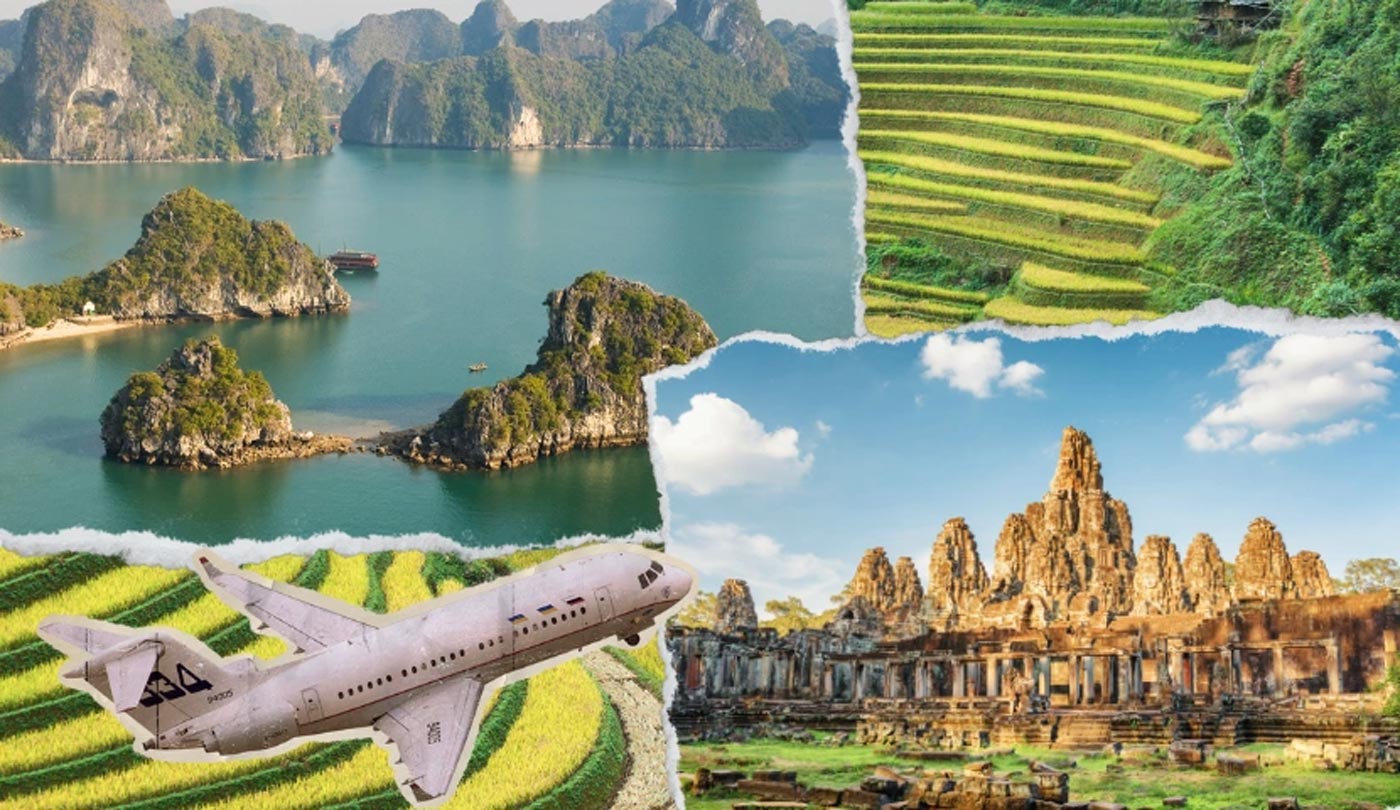
Planning the right travel time is one of the most important factors when choosing Vietnam and Cambodia tours. Due to their long geographic stretch and tropical climate, **Vietnam and Cambodia experience different weather patterns by region and season. Understanding these variations helps travelers enjoy better sightseeing conditions, smoother transportation, and more memorable experiences across both countries.
Weather Overview by Season
- Dry season (November – April): Generally the best time to travel, with pleasant temperatures, low humidity, and minimal rainfall. Northern Vietnam is cool and comfortable, central and southern Vietnam are sunny, and Cambodia enjoys dry, warm days ideal for temple exploration.
- Hot season (March – May): Temperatures rise across both countries, especially in southern Vietnam and Cambodia. While it can be hot, this period still offers clear skies and fewer crowds, making it suitable for beach destinations and early-morning sightseeing.
- Rainy season (May – October): Characterized by short but heavy showers, mainly in the afternoons. Landscapes become lush and green, rivers are full, and tourist numbers drop. With proper planning, this season can still be rewarding, especially for budget travelers and photographers.
>>> See more: Ninh Binh Tour Guide: Best Day Trips and Experiences
Best Months for Sightseeing, Cruises, and Beach Time
- December to February: The most popular months for combined Vietnam–Cambodia tours. Ideal for city sightseeing, cultural tours, Ha Long Bay cruises, and Angkor temple visits thanks to cooler temperatures and dry weather.
- March to April: Excellent for beach holidays in central and southern Vietnam, as well as river cruises along the Mekong. Heat increases, but conditions remain stable and dry.
- June to September: Better suited for travelers who prefer fewer crowds and greener scenery. River cruises are scenic, though some outdoor activities may be affected by rain.
Festivals and Peak Travel Periods to Consider
- Tet Holiday (Vietnamese Lunar New Year – January/February):
A vibrant cultural period with celebrations nationwide, but also the busiest travel time with higher prices and limited availability. - Khmer New Year (mid-April):
Cambodia’s most important festival, offering unique cultural experiences, especially in temple towns, though travel demand increases. - Peak season (December – March):
Highest tourist volume, especially in major cities and heritage sites. Early booking is recommended for flights, cruises, and hotels.
II. How to Travel Between Vietnam & Cambodia
Traveling between Vietnam and Cambodia is straightforward, with multiple transportation options available to suit different travel styles, budgets, and time frames. Whether you prefer speed and comfort or scenic overland journeys, combined Vietnam–Cambodia tours are designed to ensure smooth transitions between the two countries.
Flights Between Major Cities
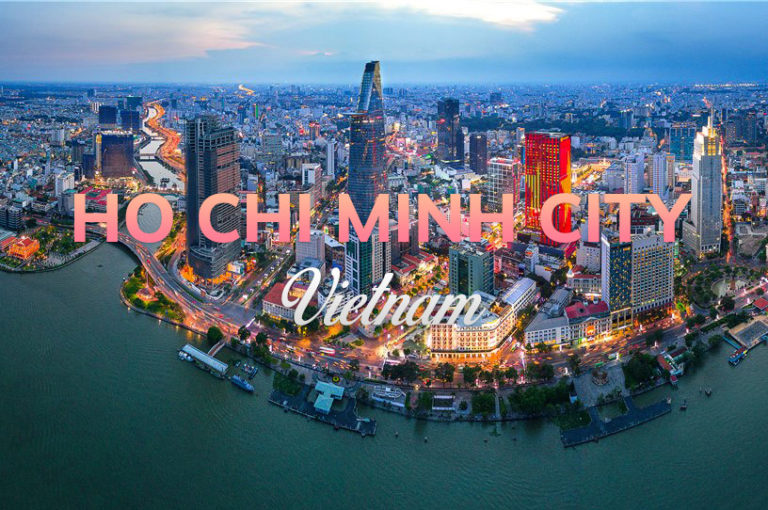
Flights are the fastest and most convenient way to travel between Vietnam and Cambodia. Direct routes commonly operate between Ho Chi Minh City and Siem Reap, as well as Phnom Penh. Flight times are typically around one hour, making this option ideal for travelers with limited time or those seeking a more comfortable journey.
Overland Border Crossings (Bus & Private Transfer)
Overland travel is popular for travelers who want to experience local life along the way. The most common route is between Ho Chi Minh City and Phnom Penh via bus or private car, crossing the Moc Bai–Bavet border. While travel time is longer than flying, this option allows for a more immersive experience and is often included in classic and mid-range tours.
Mekong River Cruises Connecting Both Countries
For a scenic and relaxed journey, Mekong River cruises offer a unique way to travel between southern Vietnam and Cambodia. These cruises typically run from the Mekong Delta to Phnom Penh and sometimes extend to Siem Reap, combining transportation with sightseeing, cultural visits, and onboard comfort. This option is especially popular with luxury travelers and those seeking a slow-travel experience.
Visa Requirements and Border Tips
Most travelers need a visa for both Vietnam and Cambodia, though requirements vary by nationality. Vietnam offers e-visas for many countries, while Cambodia provides visa-on-arrival and e-visa options. When crossing borders overland or by river, it is recommended to travel with a tour operator or experienced guide to ensure smooth processing, avoid unofficial fees, and minimize waiting time.
III. Suggested Vietnam & Cambodia Itineraries
1. 10-Day Classic Highlights Tour
Tour Logic & Entry Points
This itinerary typically starts in Hanoi, the main international gateway in northern Vietnam, and ends in Siem Reap, the primary entry point to Angkor in Cambodia. This routing minimizes backtracking and optimizes international flight connections.
Suggested Itinerary & Destinations
- Day 1–2: Hanoi – Discover the Old Quarter, Hoan Kiem Lake, and key historical sites.
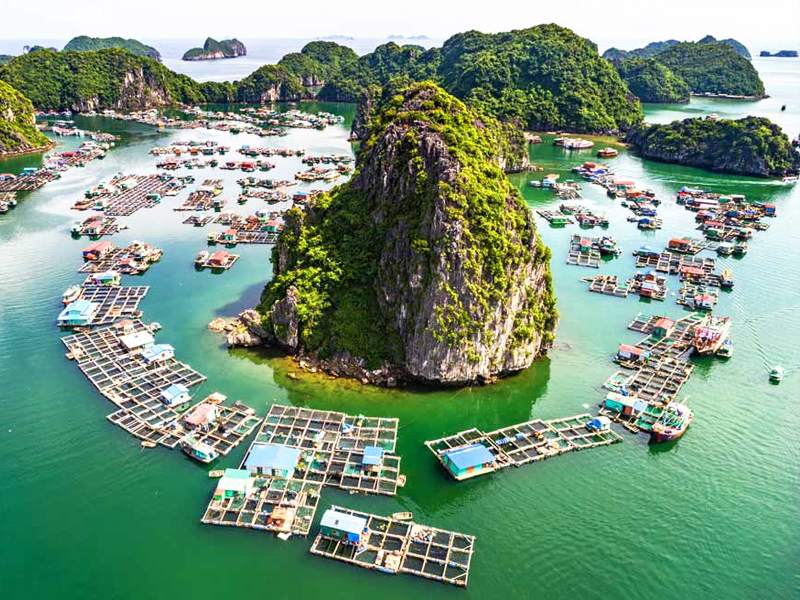
- Day 3–4: Ha Long Bay – Overnight cruise among limestone karsts, kayaking and cave exploration.
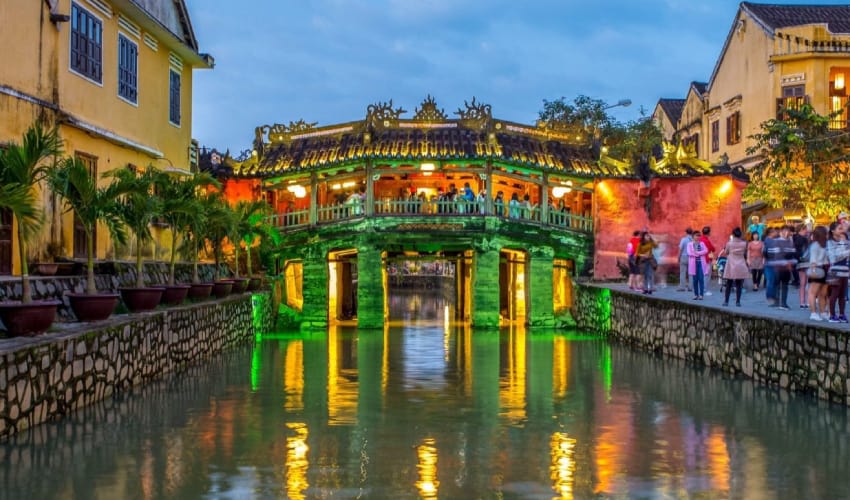
- Day 5: Da Nang – Hoi An – Short flight south; explore Hoi An Ancient Town and local markets.
- Day 6–7: Ho Chi Minh City – City tour including colonial landmarks and vibrant street life.
- Day 8–10: Siem Reap – Visit Angkor Wat, Angkor Thom, and Ta Prohm.
Destination Analysis
- Hanoi serves as a cultural and historical introduction, offering traditional architecture, local cuisine, and colonial heritage.
- Ha Long Bay is selected as the natural highlight, providing a signature overnight cruise experience without adding long travel distances.
- Hoi An represents central Vietnam with a compact, walkable heritage town that delivers high visual and cultural impact in a short stay.
- Ho Chi Minh City acts as the southern gateway, showcasing modern Vietnam and providing convenient onward connections to Cambodia.
- Siem Reap is included specifically for the Angkor temple complex, centered around Angkor Wat, which is often the primary motivation for visiting Cambodia.
Pace & Target Market Fit
The pace is moderately fast, focusing on “one highlight per region.” This tour works best for first-time visitors, limited vacation time, and clients who want a classic checklist-style experience.
2. 12–14 Day Cultural & Historical Journey
Tour Logic & Entry Points
The tour generally starts in Hanoi and ends in Siem Reap, similar to the classic tour, but includes additional inland and imperial destinations. This route prioritizes cultural continuity over speed.
Suggested Itinerary & Destinations
- Day 1–3: Hanoi – Cultural immersion with museums, traditional performances, and street food tours.
- Day 4–5: Ninh Binh – Ancient capital Hoa Lu, Trang An landscapes, and countryside cycling.
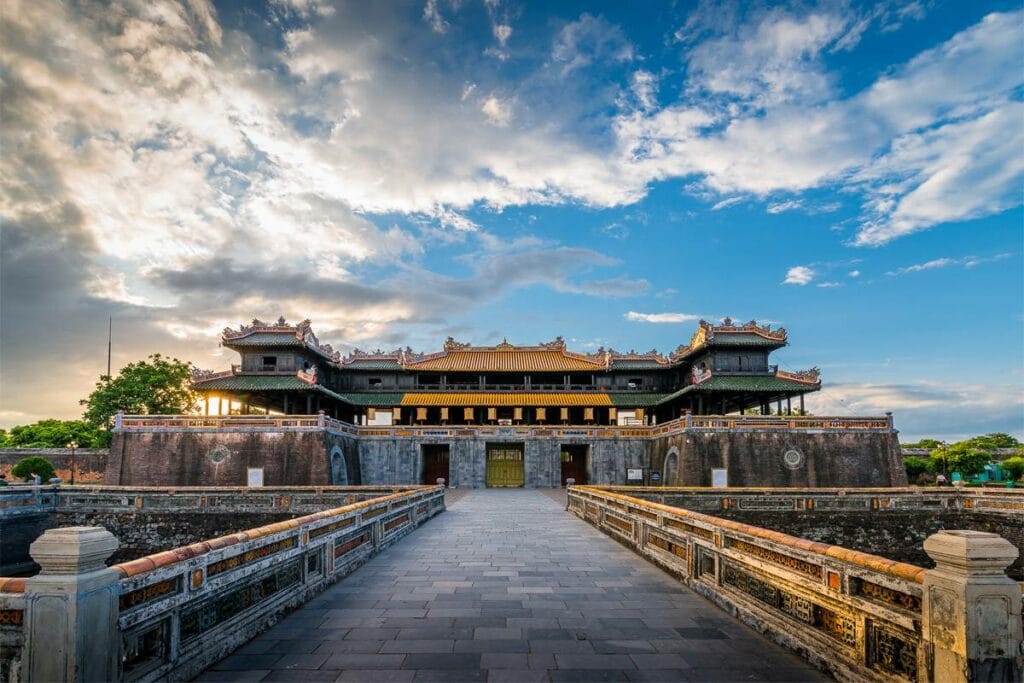
- Day 6–7: Hue – Imperial Citadel, royal tombs, and Perfume River cruise.
- Day 8–9: Hoi An – Lantern-lit evenings, craft villages, and cooking classes.
- Day 10–11: Ho Chi Minh City – History-focused city tour and Cu Chi Tunnels.
- Day 12–14: Siem Reap – Extended exploration of Angkor temple complexes beyond the main sites.
Destination Analysis
- Hanoi is used as a deep cultural base rather than just a stopover, with museums, traditional performances, and culinary exploration.
- Ninh Binh functions as a secondary northern hub, adding ancient capitals and rural landscapes that complement Hanoi’s urban history.
- Hue is a key highlight, representing Vietnam’s imperial past through the Citadel, royal tombs, and pagodas.
- Hoi An allows for extended stays, focusing on craftsmanship, trade history, and daily life rather than quick sightseeing.
- Ho Chi Minh City provides historical context to modern Vietnam, often combined with war history sites.
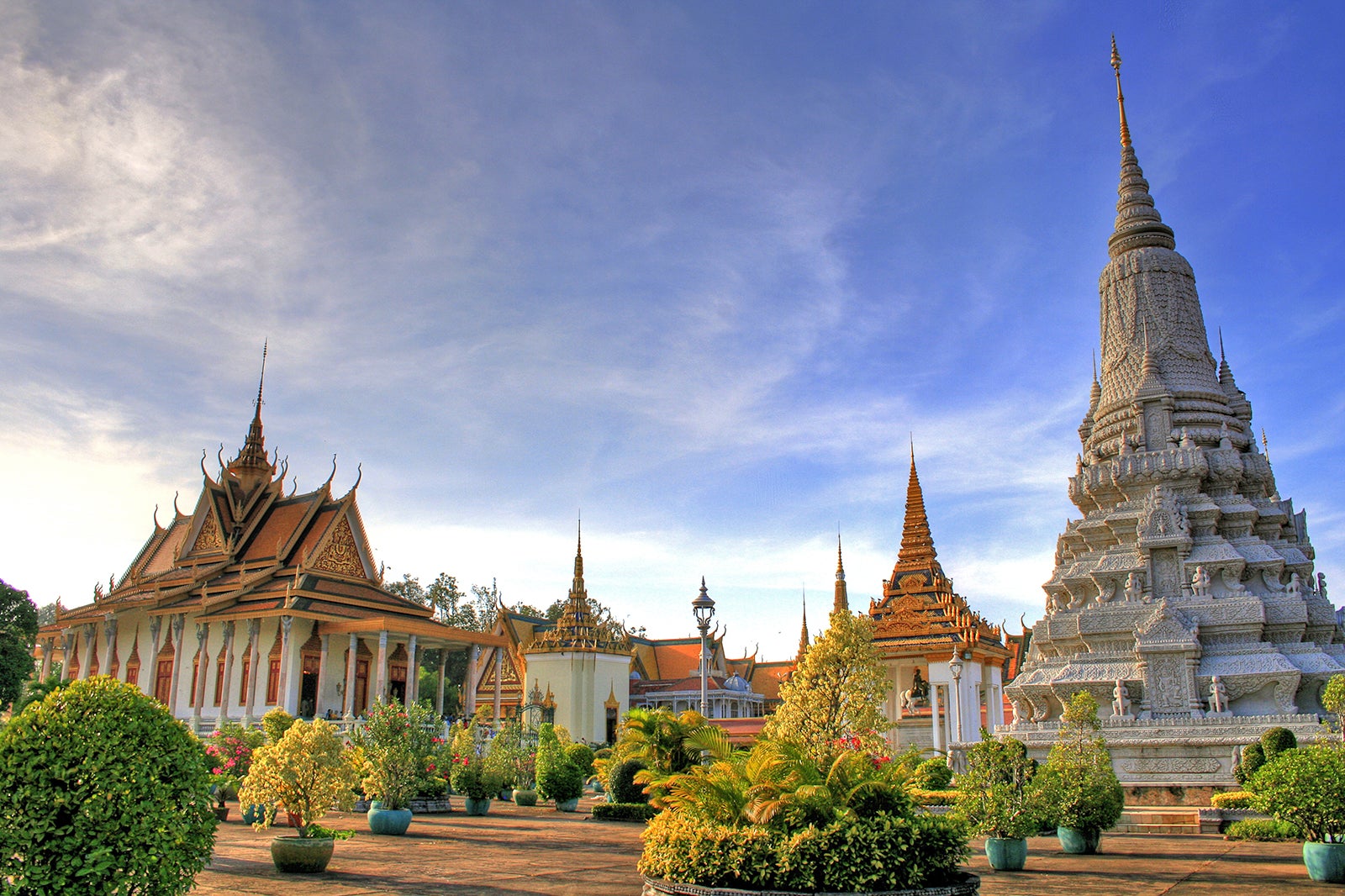
- Siem Reap offers an expanded Angkor program, including lesser-visited temples for a more scholarly and immersive experience.
Pace & Target Market Fit
The itinerary is slower and more immersive, ideal for culture-focused travelers, seniors, and repeat visitors who value depth over breadth.
3. 14–18 Day Grand Vietnam & Cambodia Tour
Tour Logic & Entry Points
This is a true end-to-end journey through Vietnam, starting in Hanoi and finishing in Siem Reap or Phnom Penh, depending on flight availability. The north-to-south progression provides a clear narrative flow and geographic coherence.
Suggested Itinerary & Destinations
- Day 1–3: Hanoi – Capital city exploration and cultural orientation.
- Day 4–5: Ha Long Bay – Luxury or mid-range overnight cruise.
- Day 6–7: Hue – Imperial heritage and historical monuments.
- Day 8–9: Hoi An – Da Nang – Ancient town, beaches, and countryside.
- Day 10–11: Ho Chi Minh City – Urban contrast, markets, and history.
- Day 12–13: Mekong Delta – River life, floating markets, and local villages.
- Day 14–18: Siem Reap – Angkor temples, local communities, and cultural shows.
>>> See more: Ha Giang Loop Guide: Route, Itinerary, and Tips
Destination Analysis
- Northern Vietnam (Hanoi & Ha Long Bay) establishes cultural roots and natural scenery.
- Central Vietnam (Hue, Hoi An, Da Nang) adds historical depth and visual variety.
- Southern Vietnam (Ho Chi Minh City & Mekong Delta) introduces river life, agriculture, and regional contrasts.
- Cambodia serves as the cultural climax, with Angkor as the symbolic and emotional highlight of the journey.
Pace & Target Market Fit
Balanced pacing with strategic rest points makes this tour suitable for long-haul travelers and clients seeking a complete Indochina overview without feeling rushed.
4. Luxury Vietnam & Cambodia Experience
Tour Logic & Entry Points
Entry and exit points are flexible, usually determined by premium flight schedules into Hanoi or Ho Chi Minh City, with private transfers throughout. Cambodia is accessed via Siem Reap with VIP services.
Suggested Itinerary & Destinations
- Hanoi & Ha Long Bay – Stay in luxury hotels and enjoy a high-end cruise with private excursions.
- Hue & Hoi An – Boutique resorts, private heritage tours, and fine dining.
- Ho Chi Minh City & Mekong Delta – Exclusive city experiences and luxury river cruises.
- Siem Reap – Luxury resort stays with sunrise Angkor visits and private temple access.
Destination Analysis
- Destinations mirror the grand tour but are carefully selected based on luxury infrastructure.
- Ha Long Bay is experienced through boutique or luxury cruises with limited cabins.
- Hue and Hoi An emphasize heritage resorts and curated private tours.
- Mekong Delta features luxury river cruises rather than day trips.
- Siem Reap focuses on exclusive Angkor access, sunrise visits, and private cultural encounters.
Pace & Target Market Fit
The itinerary is unhurried and highly personalized, targeting high-net-worth travelers, honeymooners, and clients prioritizing comfort, privacy, and bespoke experiences.
IV. Tour Styles for Vietnam & Cambodia
1. Classic Sightseeing Tours
Classic sightseeing tours are built around the most recognizable landmarks and destinations in Vietnam and Cambodia. The routing follows a logical geographic flow and prioritizes destinations with strong infrastructure, iconic visuals, and broad appeal.
Key Destinations Included
- Hanoi – Old Quarter, Hoan Kiem Lake, cultural and historical orientation
- Ha Long Bay – Limestone karsts, overnight cruise experience
- Hue – Imperial Citadel and royal tombs
- Hoi An – UNESCO-listed Old Town, lantern streets
- Ho Chi Minh City – Urban contrast and colonial heritage
- Siem Reap – Home base for Angkor Wat
Best Suited For First-time visitors, series tours, group travel, and clients seeking a “must-see highlights” experience with efficient pacing.
The experience of a classic sightseeing tour is defined by a sequence of iconic destinations that represent the essence of Vietnam and Cambodia. In Hanoi, travelers begin with guided walks through the Old Quarter and major historical sites, gaining a clear cultural and historical foundation. The journey continues to Ha Long Bay, where an overnight cruise offers the signature visual experience of limestone karsts, caves, and calm waters.
Moving south, Hue introduces imperial history through the Citadel and royal tombs, while Hoi An provides a compact heritage experience with preserved architecture and lantern-lit streets. In Ho Chi Minh City, the tour shifts to a modern urban perspective before concluding in Siem Reap, where guided visits to Angkor Wat deliver the final and most memorable highlight.
2. Private & Tailor-Made Tours
Private and tailor-made tours allow maximum flexibility in routing, duration, and daily activities. These tours can combine major highlights with lesser-known destinations, adapting to personal interests such as culture, cuisine, photography, or wellness.
Key Destinations Included
- Hanoi – Customized food tours, artisan workshops, or photography walks
- Ninh Binh – Trang An, Hoa Lu ancient capital, countryside cycling
- Hue & Hoi An – Private heritage tours, countryside villages
- Mekong Delta – Private boat journeys, homestays, local markets
- Siem Reap – Flexible Angkor visits, including lesser-visited temples such as Beng Mealea
Best Suited For Couples, families, small groups, and repeat travelers who value privacy, personalization, and control over their travel pace.
Private and tailor-made tours reshape the experience of familiar destinations by adjusting time, access, and activities. In Hanoi, guests may replace standard sightseeing with curated food walks or artisan visits. Instead of a fast-paced stop, Ninh Binh becomes a slow countryside experience with boat rides through karst landscapes and cycling between villages.
In central Vietnam, Hue and Hoi An are explored beyond main landmarks, including private heritage homes, rural communities, and hands-on workshops. The Mekong Delta is experienced through private boats and local homestays, emphasizing daily river life. In Siem Reap, Angkor visits are scheduled around light and crowd levels, with time for lesser-known temples, creating a more personal connection to the sites.
3. Luxury & Honeymoon Tours
Luxury and honeymoon tours focus on quality over quantity, emphasizing elegant accommodations, exclusive experiences, and seamless logistics. Destinations are selected based on the availability of premium resorts and high-end services.
Key Destinations Included
- Hanoi – Luxury heritage hotels and private city tours
- Ha Long Bay – Boutique and luxury cruises with private balconies
- Hoi An – Beachfront and riverside luxury resorts
- Ho Chi Minh City – Five-star hotels, rooftop dining experiences
- Mekong Delta – Luxury river cruises with limited cabins
- Siem Reap – High-end resorts with private Angkor sunrise and sunset tours
Best Suited For Honeymooners, anniversary travelers, and high-spending clients seeking privacy, romance, and refined service.
Luxury and honeymoon tours focus on fewer destinations, experienced in greater depth and comfort. In Hanoi, travelers stay in refined hotels and enjoy private city tours at a relaxed pace. Ha Long Bay becomes a secluded retreat through boutique cruises offering private balconies and curated shore excursions.
In Hoi An, the experience centers on beachfront or riverside resorts, combining heritage exploration with leisure time. Ho Chi Minh City is approached through upscale dining and private experiences rather than extensive sightseeing. The journey may include a luxury cruise through the Mekong Delta, emphasizing scenery and serenity. In Siem Reap, Angkor is experienced through private sunrise visits and quiet temple explorations, creating intimate and emotionally resonant moments.
4. Family-Friendly Itineraries
Family-friendly itineraries are designed to balance education, entertainment, and comfort. Destinations are chosen for short travel times, safe environments, and interactive experiences suitable for children and multi-generational groups.
Key Destinations Included
- Hanoi – Cyclo rides, puppet shows, easy walking routes
- Hoi An – Lantern workshops, cooking classes, bike rides in the countryside
- Mekong Delta – Hands-on farming, boat rides, fruit orchards
- Siem Reap – Storytelling-focused Angkor visits adapted for younger travelers
Best Suited For Families with children, grandparents traveling with extended families, and clients seeking educational yet enjoyable trips.
Family-friendly experiences are shaped by destinations that naturally support interaction and ease. In Hanoi, short walking routes, cyclo rides, and traditional performances introduce culture without fatigue. Hoi An serves as a key family base, offering safe streets, lantern-making workshops, cooking classes, and countryside cycling.
The Mekong Delta provides hands-on learning through boat trips, fruit gardens, and farm visits. In Siem Reap, Angkor temples are introduced through storytelling and simplified routes, allowing children to engage with history while adults appreciate the cultural significance.
5. Adventure & Slow Travel Options
Adventure and slow travel tours emphasize immersion, sustainability, and meaningful interaction with nature and local communities. These itineraries limit the number of destinations while extending the length of stay in each location.
Key Destinations Included
- Sapa – Trekking, ethnic minority villages, homestays
- Ninh Binh – Cycling, kayaking, rural exploration
- Central Vietnam countryside – Backroad cycling and village stays
- Mekong Delta – Slow river journeys and community-based tourism
- Rural Cambodia – Village visits and eco-focused extensions beyond Angkor
Best Suited For Active travelers, eco-conscious clients, and repeat visitors looking for authentic, low-impact travel experiences.
Adventure and slow travel experiences are driven by landscapes rather than cities. In Sapa, trekking routes connect ethnic minority villages and mountain scenery, with overnight stays in local homes. Ninh Binh supports cycling and kayaking through quiet rural areas and limestone formations.
Central Vietnam’s countryside is explored via backroads and village paths, while the Mekong Delta is experienced as a slow-moving river journey with extended stays. In Cambodia, rural areas beyond Siem Reap offer village visits and eco-focused activities that emphasize simplicity and cultural exchange.
V. Budget Guide for Vietnam & Cambodia Tours
Cost, Currency & Exchange Rate Overview
For international travelers, tour prices in both Vietnam and Cambodia are typically quoted in US dollars (USD) for clarity and consistency, even though local currencies are used on the ground. In Vietnam, the local currency is the Vietnamese Dong (VND), with an average exchange rate of approximately USD 1 = 24,000–25,000 VND. Most hotels, tours, and transport services are contracted in USD and then converted to VND locally, which allows pricing to remain flexible and scalable across budget levels.
In Cambodia, although the official currency is the Cambodian Riel (KHR), USD is widely used in daily transactions, particularly in tourist areas such as Siem Reap. The exchange rate is roughly USD 1 = 4,000 KHR, but in practice many services—including hotels, transport, and Angkor entrance fees—are priced and paid directly in USD. This USD-based system makes Cambodia’s travel costs more fixed and less sensitive to exchange rate fluctuations.
As a result, combined Vietnam–Cambodia tours are usually calculated entirely in USD. Vietnam provides more room to adjust comfort and price through local options, while Cambodia maintains a higher and more rigid daily cost structure due to fixed USD pricing and mandatory entrance fees. This difference explains why Cambodia often feels more expensive per day, even on shorter itineraries.
| Tour Level | Vietnam | Cambodia | Cost Reality |
| Budget | 70–100 | 90–120 | Cambodia starts higher due to fixed entrance fees |
| Mid-range | 110–160 | 130–180 | Vietnam offers stronger value at this level |
| Luxury | 220–350+ | 250–400+ | Prices converge at high-end |
Cambodia costs include mandatory Angkor passes (USD ~37–72 depending on du
Cost Comparison: Vietnam vs Cambodia
Although geographically close, Vietnam and Cambodia differ noticeably in how travel costs are structured. Vietnam generally offers greater pricing flexibility thanks to a wide range of hotels, transport providers, and local services across all budget levels. This allows travelers to adjust comfort and experience without causing sharp increases in daily cost, particularly in the mid-range segment where value-for-money is strongest.
Cambodia, by contrast, operates with a more condensed cost structure. Tourism is concentrated around key destinations—especially Siem Reap—and many core services are priced directly in USD. Mandatory entrance fees, most notably for Angkor temples, combined with a more limited supply of mid-range accommodation, result in a higher and less flexible daily cost. As a result, even shorter stays in Cambodia can raise the overall average cost of a combined itinerary.
| Expense Category | Vietnam | Cambodia | Notes |
| Local meal (tourist area) | 5–8 | 6–10 | Cambodia often priced directly in USD |
| Coffee / soft drink | 2–3 | 2.5–4 | Similar, but less variation in Cambodia |
| 3★ hotel (per room/night) | 40–70 | 55–90 | Mid-range supply stronger in Vietnam |
| 4★ hotel (per room/night) | 80–130 | 110–160 | Cambodia jumps faster in price |
| Private car + driver (per day) | 70–100 | 90–120 | Transport cost higher in Cambodia |
| Licensed local guide (per day) | 60–80 | 80–120 | Angkor guiding premium |
| Major attraction entrance | 5–15 | 37–72 | Angkor pass is the main cost driver |
| Massage / spa (60 min) | 15–25 | 20–35 | Vietnam more competitive |
In practical terms, Vietnam often helps balance the total tour budget through scalable options and competitive pricing, while Cambodia represents a higher daily spend that delivers strong cultural value. The difference is not about service quality, but about structural costs and pricing systems in each country.
Conclusion: Finding the Right Balance Between Experience and Cost
A Vietnam–Cambodia tour is ultimately about balance. Vietnam’s wide range of services and destinations allows travelers to shape their journey with ease, adjusting comfort levels without dramatic changes in cost. Cambodia, while more compact and higher in daily expenses, offers exceptional cultural value through iconic sites such as Angkor, making it a powerful highlight of the overall experience.
Understanding differences in pricing structures, local currencies, and fixed costs helps travelers make informed choices and avoid unrealistic expectations. When planned carefully, Vietnam balances the budget while Cambodia elevates the cultural depth of the journey. Together, they form a cohesive travel experience that is rewarding, immersive, and well worth the investment.
BeDental – A Leading Dental Clinic for International Travelers in Vietnam
BeDental offers high-quality dental services for international travelers visiting Vietnam, combining modern technology with experienced dentists. Our services include general and cosmetic dentistry, dental implants, teeth whitening, and smile makeovers, all performed to international standards.
Designed for tourists, BeDental provides flexible appointments, English-speaking staff, and personalized treatment plans that fit travel schedules. With competitive pricing and convenient locations, BeDental allows visitors to improve their smile while enjoying their trip to Vietnam.