

Hình Ảnh Đẹp
Ha Giang Loop Guide: Route, Itinerary, and Tips
Th3

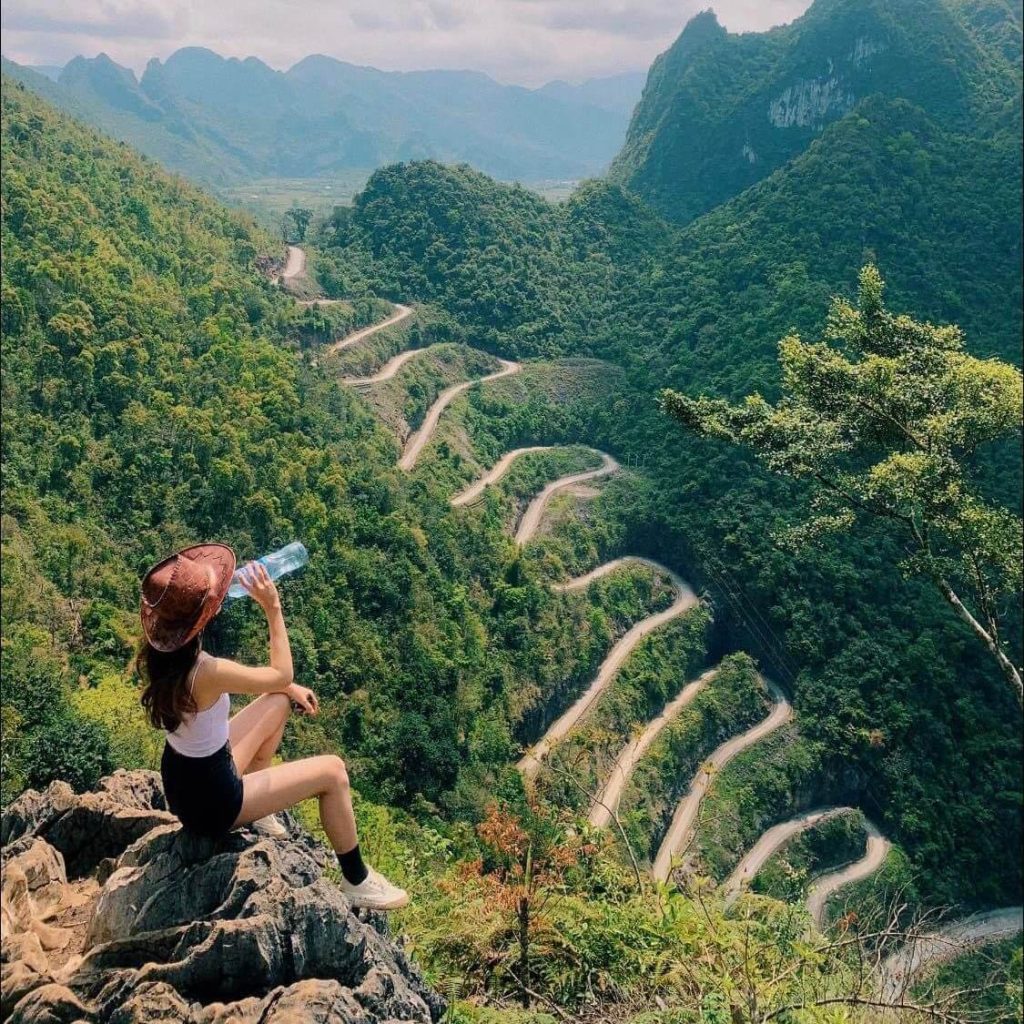
Located in Vietnam’s far north, Ha Giang is home to one of the most breathtaking road journeys in Southeast Asia. The Ha Giang Loop is not just a motorbike route—it is an immersive adventure through dramatic mountain passes, remote ethnic villages, and landscapes that feel untouched by mass tourism. From towering limestone karsts and deep river gorges to peaceful valleys and traditional homestays, every stretch of road offers a new perspective on northern Vietnam.
This guide is designed to help you plan the perfect Ha Giang Loop experience, whether you have three days or a full five days to explore. Inside, you’ll find detailed route overviews, suggested itineraries, must-see highlights, and practical travel tips to ensure a safe, enjoyable, and meaningful journey. Whether you ride yourself or join an easy-rider tour, the Ha Giang Loop promises an unforgettable combination of adventure, culture, and natural beauty.
I. Ha Giang Loop Route Overview
Where Is the Ha Giang Loop?
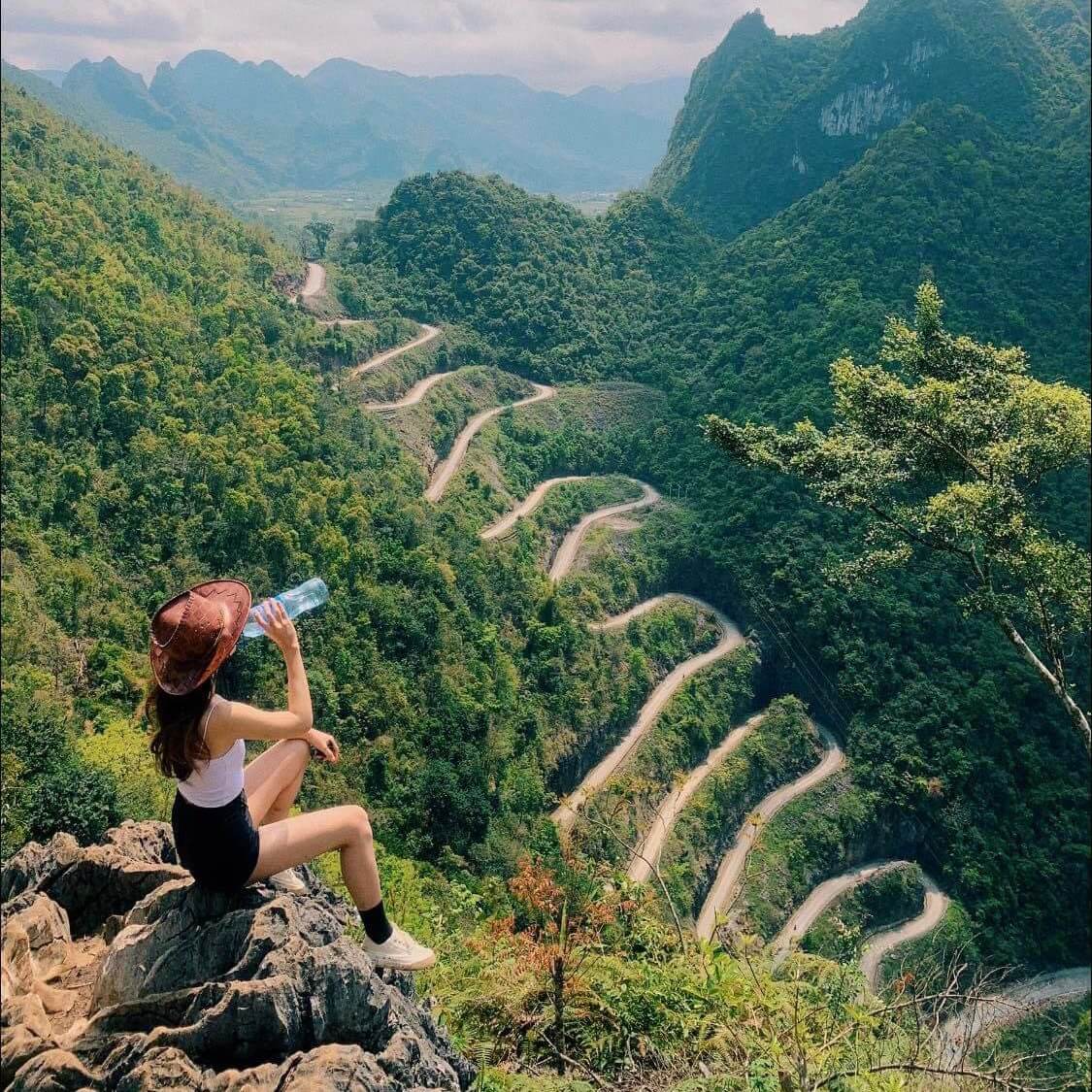
The Ha Giang Loop is a circular motorbike route located in the far north of Vietnam, starting and ending in Ha Giang. This remote mountainous region is famous for its dramatic limestone landscapes, deep valleys, and ethnic minority villages, offering one of the most spectacular road trips in the country.
From Hanoi, Ha Giang is approximately 300 km away. Travel time typically ranges from 6 to 8 hours depending on traffic and transportation choice. Many travelers prefer overnight travel to maximize their time on the loop.
>> See more: Top Phu Quoc Attractions and Island Experiences
Total Distance & Typical Duration
The Ha Giang Loop covers roughly 350–380 km, depending on detours and optional side routes. Most travelers complete the loop in 3 to 5 days, with 4 days being the most balanced option. Shorter itineraries require longer riding hours each day, while longer trips allow for a slower pace and deeper exploration.
The classic and most popular route follows: Ha Giang → Yen Minh → Dong Van → Meo Vac → Du Gia → Ha Giang. This route passes through iconic mountain scenery, karst plateaus, winding passes, and remote villages, making it ideal for both scenic riding and cultural discovery.
Transportation Options from Hanoi
Getting to Ha Giang is easy and flexible. The most common option is an overnight sleeper bus, which is affordable and convenient. Travelers seeking comfort or privacy can opt for a private transfer, often included in guided or easy-rider tour packages.
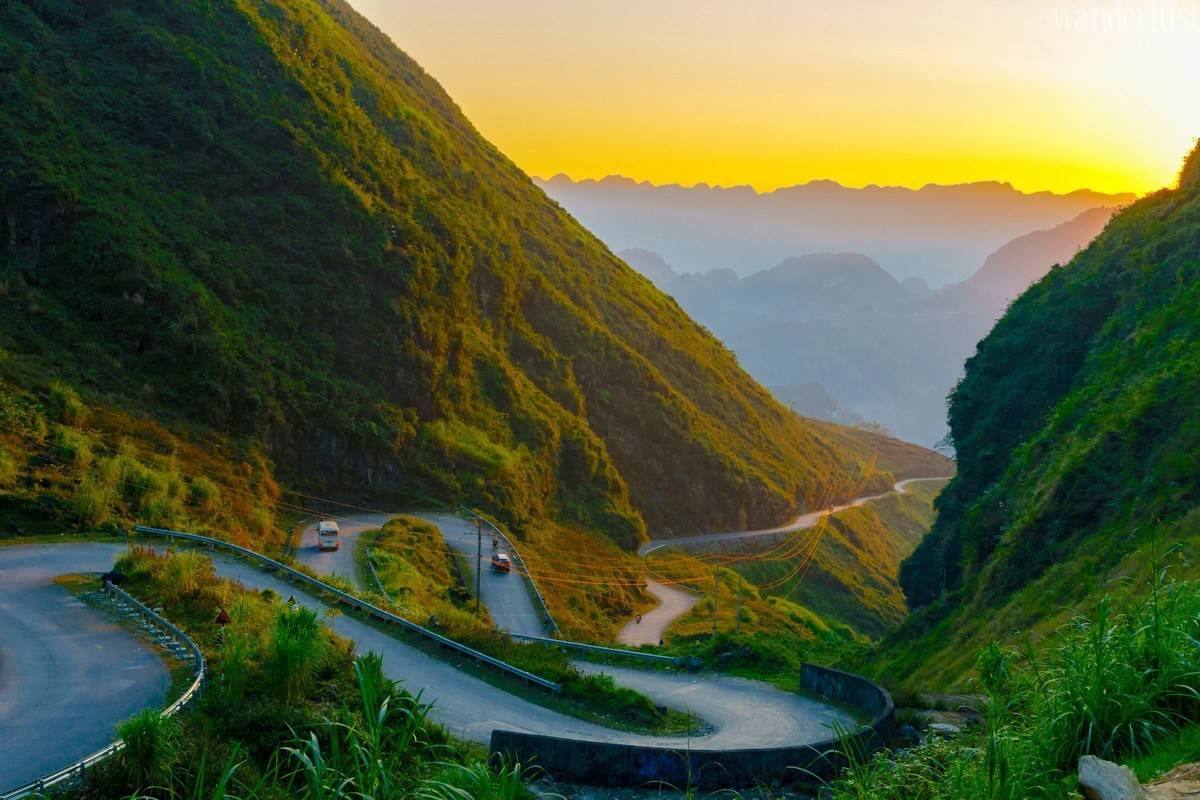
Road conditions on the Ha Giang Loop vary significantly. While most main roads are paved, they are narrow, steep, and full of sharp turns. Weather conditions such as fog and rain can make riding more challenging. Overall, the loop is considered moderate to challenging, especially for self-drivers without prior mountain riding experience.
Clockwise vs Counterclockwise Routes
The loop can be completed in either direction. Riding clockwise (Ha Giang → Yen Minh → Dong Van) is the most common choice, as elevation gains are more gradual and the route feels more manageable. Riding counterclockwise offers quieter roads and different views but is better suited to experienced riders.
II. Highlights & Must-See Stops
Quan Ba Heaven’s Gate
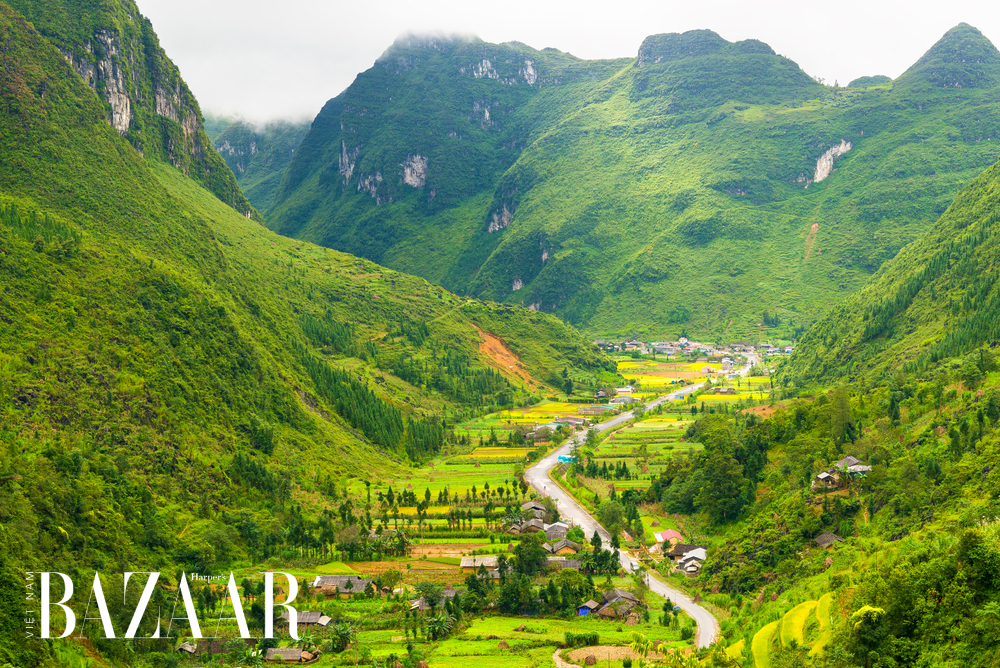
Quan Ba Heaven’s Gate is often the first major viewpoint on the Ha Giang Loop and sets the tone for the journey ahead. From this high mountain pass, travelers are rewarded with sweeping views of rolling hills, deep valleys, and patchwork farmland below. The cool mountain air and dramatic scenery make this a perfect place to stop, stretch, and take in the vastness of Ha Giang’s landscape before heading deeper into the mountains.
Dong Van Karst Plateau
The Dong Van Karst Plateau is a UNESCO Global Geopark and one of the most geologically unique regions in Vietnam. This area is defined by towering limestone formations, rocky mountain passes, and remote ethnic minority villages scattered across the plateau. Riding through Dong Van feels raw and otherworldly, offering a powerful sense of isolation and a glimpse into traditional highland life that has remained largely unchanged for generations.
Ma Pi Leng Pass
Ma Pi Leng Pass is widely considered the most spectacular section of the Ha Giang Loop. The road winds along steep cliffs high above the Nho Que River, creating breathtaking views at nearly every turn. This iconic mountain pass is a highlight for photographers and adventure seekers alike, offering dramatic scenery that many travelers rank as the most beautiful road in Vietnam.
Lung Cu Flag Tower
Located near the Chinese border, Lung Cu Flag Tower marks the northernmost point of Vietnam. Climbing to the top offers panoramic views over the surrounding valleys and borderlands, as well as a strong sense of national pride and history. The journey to Lung Cu also passes through quiet villages and scenic countryside, making the detour well worth the effort.
Du Gia Village & Waterfall
Du Gia is a peaceful rural village that provides a refreshing contrast to the rugged mountain roads of the loop. Surrounded by rice fields, rolling hills, and gentle rivers, Du Gia is known for its relaxed atmosphere and friendly homestays. Nearby waterfalls offer a chance to cool off and unwind, making this stop a favorite for travelers who choose longer, slower itineraries.
III. Suggested Ha Giang Loop Itineraries
1. 3-Day Itinerary (Fast & Adventurous)
- Ha Giang → Quan Ba Heaven’s Gate → Yen Minh
- Yen Minh → Dong Van → Ma Pi Leng Pass → Meo Vac
- Meo Vac → Du Gia Village → Ha Giang
The journey begins in Ha Giang, the gateway to Vietnam’s northernmost mountains, where travelers prepare for the loop and start riding into increasingly dramatic terrain. The first major stop, Quan Ba Heaven’s Gate, offers sweeping panoramic views of rolling valleys and limestone hills, including the famous Twin Mountains. Continuing to Yen Minh, the scenery becomes denser with forests and winding mountain roads, providing a quieter overnight stop surrounded by nature.
>>> See more: Best Vietnam Tours for Every Travel Style
On day two, the route enters the heart of the Dong Van Karst Plateau, a UNESCO-listed landscape of jagged limestone formations and ethnic minority villages. Dong Van town itself showcases traditional architecture and lively local markets. The highlight of the day is Ma Pi Leng Pass, widely considered the most spectacular mountain pass in Vietnam, where sheer cliffs drop into the Nho Que River below. The day ends in Meo Vac, a rugged mountain town known for its dramatic setting and strong ethnic culture.
The final day takes a gentler turn as the road leads to Du Gia Village, a peaceful rural area surrounded by rice fields and waterfalls. Here, travelers experience authentic village life and a slower pace before completing the loop and returning to Ha Giang.
2. 4-Day Itinerary (Balanced & Popular)
- More scenic stops, viewpoints, villages
- Best choice for most travelers
This itinerary expands on the classic loop by allowing more time at key landmarks and cultural stops. Travelers spend longer at viewpoints such as Quan Ba Heaven’s Gate and Ma Pi Leng Pass, with opportunities to explore small ethnic villages along the way. Extra time in Dong Van allows visits to local markets and nearby historical sites, while a relaxed stay in Du Gia offers swimming at waterfalls and interaction with local families. This tour delivers a complete Ha Giang experience without long, exhausting riding days.
3. 5-Day Itinerary (Slow & Scenic)
- Extra time in Du Gia and remote areas
- Ideal for photography and culture lovers
The 5-day itinerary is designed for deep exploration. Beyond the main loop, travelers venture into remote valleys and lesser-known villages, where daily life remains largely unchanged. Extended stays in Du Gia and surrounding areas provide time for short hikes, village walks, and photography during golden hours. This itinerary highlights Ha Giang’s cultural richness as much as its landscapes, making it ideal for travelers who want meaningful local encounters and unhurried scenic journeys.
IV. Tips for the Ha Giang Loop
Below are practical, experience-based tips to help you enjoy the Ha Giang Loop safely, comfortably, and responsibly. Whether you ride yourself or join an easy-rider tour, these points will make a big difference to your journey around Ha Giang.
Best Time to Go
The Ha Giang Loop can be done year-round, but the experience varies greatly by season.
The best months are September–November (clear skies, golden rice terraces) and March–May (pleasant weather, blooming flowers). Winter months (December–February) can be cold and foggy, reducing visibility on mountain passes, while summer (June–August) brings lush landscapes but also heavy rain and occasional landslides.
What to Do (and How to Ride)
Take your time and enjoy the journey rather than focusing only on reaching destinations. Stop often at viewpoints, walk through villages, and talk to locals when possible. If you are not confident riding a motorbike on mountain roads, choosing an easy-rider (local driver) is strongly recommended—it allows you to fully enjoy the scenery without stress.
Mountain roads in Ha Giang are narrow, steep, and winding, with sharp curves and limited guardrails. Road conditions can change quickly due to weather. Always ride slowly, avoid night riding, and keep a safe distance from trucks and buses. Wearing a proper helmet is essential, even if local riders seem casual about it.
Permits & Checkpoints
Foreign travelers need a Ha Giang travel permit to access border districts such as Dong Van, Meo Vac, and Lung Cu. Most hotels, tour operators, or rental shops in Ha Giang city can arrange this permit quickly. Keep a copy with you, as checkpoints are common along the loop.
Accommodation along the loop is mostly local homestays and small guesthouses, especially in Yen Minh, Dong Van, Meo Vac, and Du Gia. Homestays offer basic but comfortable rooms, home-cooked meals, and cultural interaction with local families. Expect simple facilities rather than luxury—this is part of the charm of Ha Giang.
What to Pack & What to Skip
Pack light but smart. Essentials include warm layers (even in summer), a rain jacket, sunscreen, sturdy shoes, and basic medicine. A small backpack is better than a large suitcase. Skip valuables, heavy luggage, and unnecessary electronics—dust, rain, and bumpy roads are part of the journey.
Cultural Etiquette & Responsible Travel
Ha Giang is home to many ethnic minority communities with distinct traditions. Dress modestly in villages, always ask before taking photos of people, and respect local customs. Support local businesses by staying in homestays, eating local food, and avoiding single-use plastics whenever possible.
Common Mistakes to Avoid
Many travelers underestimate the difficulty of the loop. Avoid trying to rush the journey, riding at night, or riding without proper experience. Another common mistake is ignoring weather conditions—fog and rain can make roads dangerous very quickly. Planning realistically and riding cautiously will ensure a safe and memorable experience.
Conclusion
The Ha Giang Loop is more than just a scenic drive—it is a journey into the heart of Vietnam’s most rugged and culturally rich region. With the right itinerary, realistic pacing, and proper preparation, travelers can experience world-class mountain scenery, authentic village life, and some of the most memorable roads in the country.
| Tour Type | Duration | Main Route & Stops | Highlights | Best For |
| Fast Adventure Loop | 3 Days | Ha Giang – Quan Ba – Yen Minh – Dong Van – Ma Pi Leng – Meo Vac – Du Gia | Iconic passes, dramatic landscapes, core highlights | Time-limited travelers, adventure seekers |
| Classic Balanced Loop | 4 Days | Ha Giang – Quan Ba – Yen Minh – Dong Van – Ma Pi Leng – Meo Vac – Du Gia | Scenic viewpoints, ethnic villages, relaxed pace | First-timers, couples, small groups |
| Slow Scenic Loop | 5 Days | Ha Giang – Dong Van Plateau – Remote villages – Du Gia | Photography, culture, village life, waterfalls | Culture lovers, photographers, slow travelers |
| Easy Rider Tour | 3–5 Days | Same routes as above (with local driver) | Stress-free riding, local insights, safety | Non-riders, beginners, comfort-focused travelers |
| Private Guided Tour | 4–5 Days | Customizable Ha Giang Loop route | Flexible schedule, private guide, tailored stops | Couples, families, premium travelers |
Whether you choose a fast 3-day adventure, a balanced 4-day loop, or a slow 5-day exploration, Ha Giang rewards those who travel thoughtfully and responsibly. By respecting local cultures, prioritizing safety, and embracing the rhythm of the mountains, your Ha Giang Loop experience will be both deeply rewarding and truly unforgettable.
BeDental – A Leading Dental Clinic for International Travelers in Vietnam
BeDental offers high-quality dental services for international travelers visiting Vietnam, combining modern technology with experienced dentists. Our services include general and cosmetic dentistry, dental implants, teeth whitening, and smile makeovers, all performed to international standards.
Designed for tourists, BeDental provides flexible appointments, English-speaking staff, and personalized treatment plans that fit travel schedules. With competitive pricing and convenient locations, BeDental allows visitors to improve their smile while enjoying their trip to Vietnam.