

 English
 한국어
한국어 日本語
日本語 中文 (中国)


Saigon tours: Ho Chi Minh City, commonly known as Saigon, is the largest and most vibrant city in Vietnam. As the country’s economic, cultural, and transportation hub, the city offers a dynamic mix of historical landmarks, modern development, and lively street life. From French colonial architecture and important historical sites to bustling markets and rich street food culture, Saigon provides diverse experiences for visitors. This guide presents an overview of the city’s top highlights, cultural and local experiences, nearby day trips, and practical travel tips to help travelers better understand and explore this energetic destination.
I. Overview of Saigon Tours (Ho Chi Minh City)
Ho Chi Minh City, commonly known as Saigon, is the largest and most dynamic city in Vietnam. As the country’s leading economic, cultural, and transportation hub, the city plays a crucial role in finance, trade, tourism, and international connections. Its fast-paced lifestyle, modern skyline, and constant movement reflect the energy of a city that never truly slows down.
>>> See more: Sapa tour: trekking, sightseeing, and local experiences
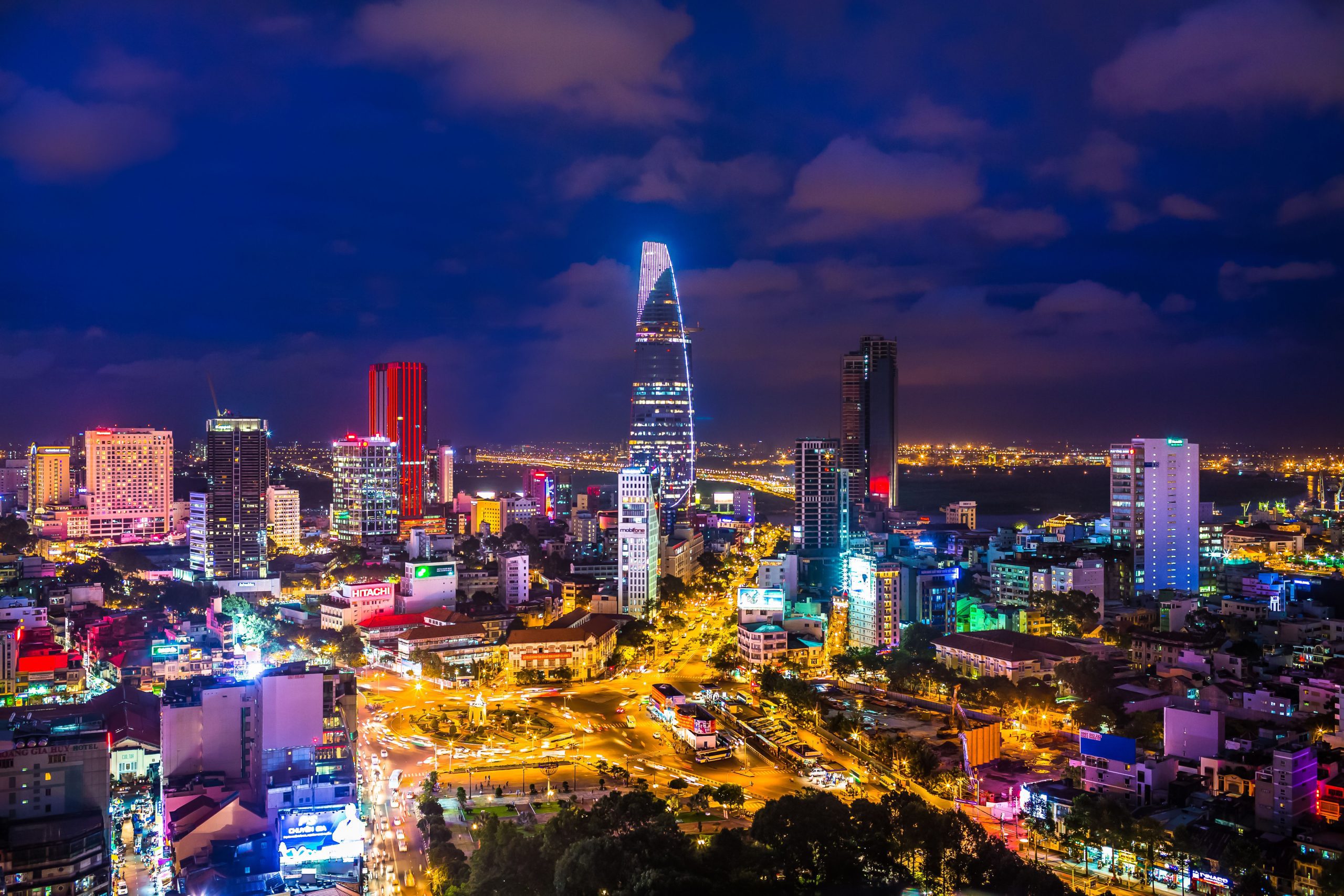
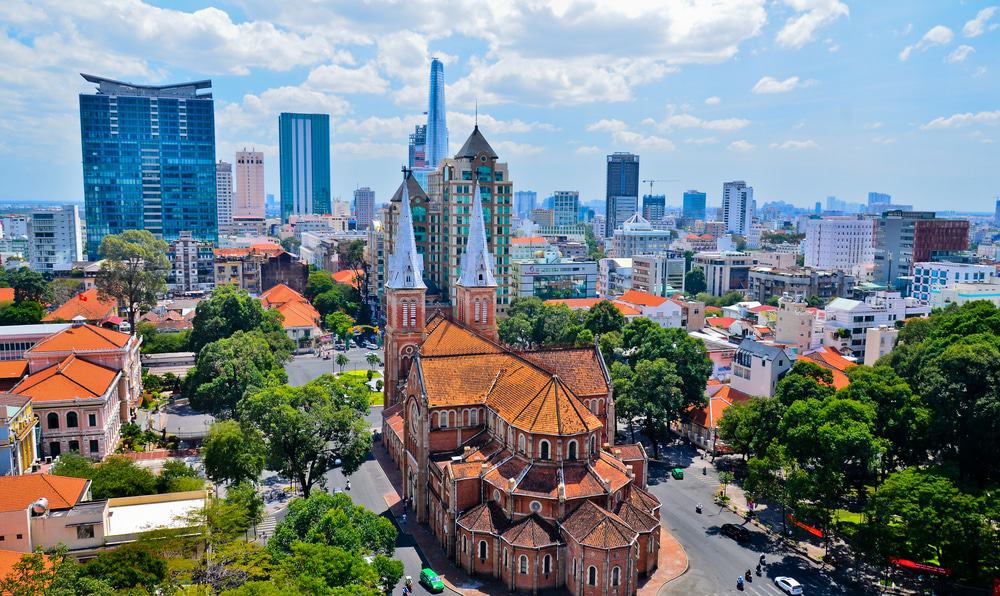
Saigon is especially fascinating for its unique blend of historical heritage and modern development. Iconic landmarks such as Notre Dame Cathedral of Saigon and the Central Post Office showcase French colonial architecture, while modern structures like Landmark 81 represent the city’s rapid growth. Historical sites including Reunification Palace and the War Remnants Museum offer deeper insight into Vietnam’s past and modern history.
Beyond its landmarks, Saigon is well known for its vibrant street life and food culture. Areas such as Ben Thanh Market and Nguyen Hue Walking Street are always lively, filled with local vendors, cafés, and entertainment activities. Thanks to this rich combination of sightseeing attractions, historical experiences, and world-famous street food, Ho Chi Minh City is an ideal destination for city tours, cultural exploration, and culinary adventures.
II. Top City Highlights & Landmarks
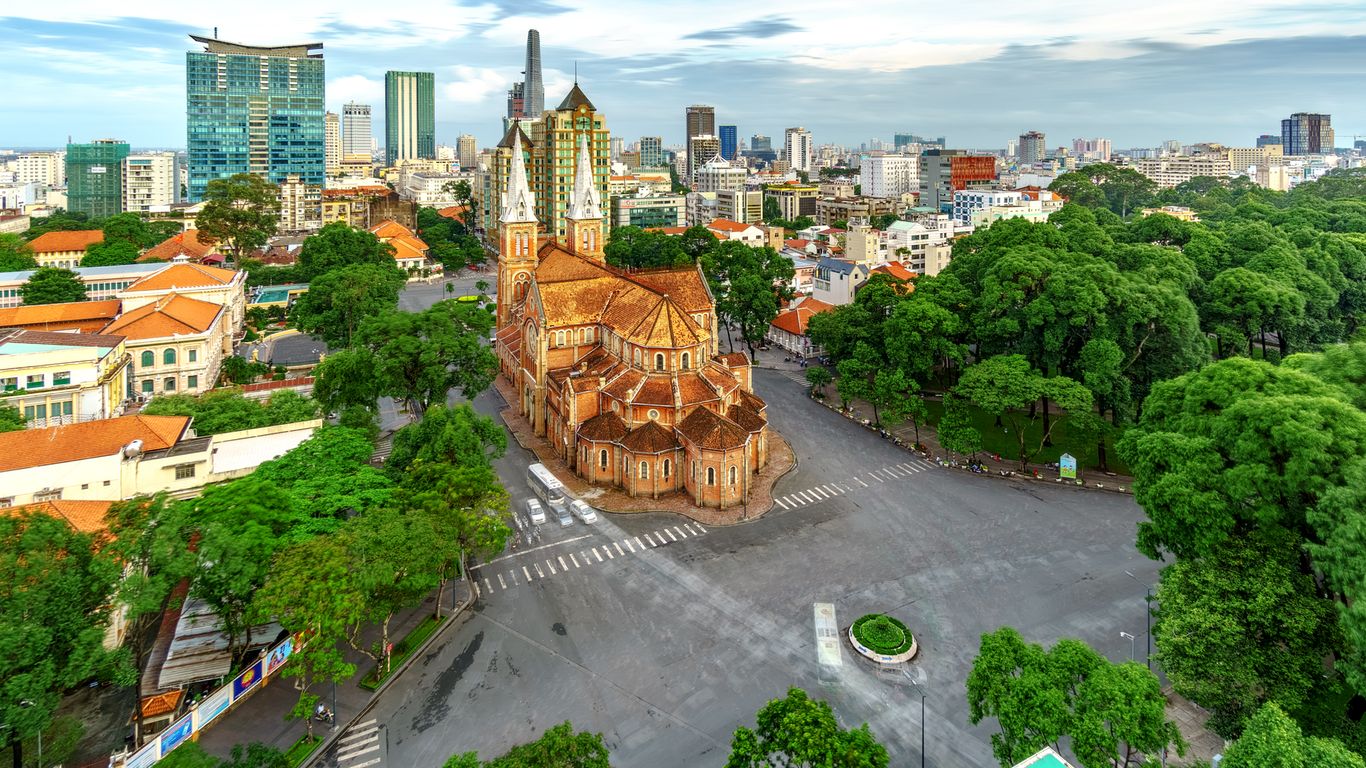
Among the most iconic landmarks in Ho Chi Minh City are the Notre Dame Cathedral of Saigon and the Central Post Office, both located in the city center. Built during the French colonial period, these architectural landmarks reflect European design influences and remain important symbols of the city’s historical heritage. Their close proximity makes them ideal stops on a walking sightseeing route.
| Landmark | Main Features | Type of Experience | Time Needed | Best For |
| Notre Dame Cathedral of Saigon & Central Post Office | French colonial architecture, city center location | Architecture & sightseeing | 30–45 minutes | First-time visitors, photographers |
| Reunification Palace | Historic rooms, underground bunkers | History & culture | 1–1.5 hours | History enthusiasts |
| War Remnants Museum | War exhibitions, historical photos | Educational & historical | 1–2 hours | Culture & history learners |
| Ben Thanh Market | Local food, shopping, souvenirs | Local life & food | 1 hour | Food lovers, shoppers |
| Nguyen Hue Walking Street | Cafés, nightlife, city atmosphere | Urban experience | Evening visit | Night explorers, young travelers |
Another major historical site is the Reunification Palace, also known as Independence Palace. This landmark played a key role in Vietnam’s modern history and is now preserved as a museum. Visitors can explore its original rooms, underground bunkers, and exhibitions, gaining insight into political and historical events that shaped the country.
For a deeper understanding of the Vietnam War, the War Remnants Museum is one of the most visited museums in the city. The museum displays photographs, military equipment, and historical documents that provide a powerful and educational experience, especially for international visitors interested in Vietnam’s recent history.
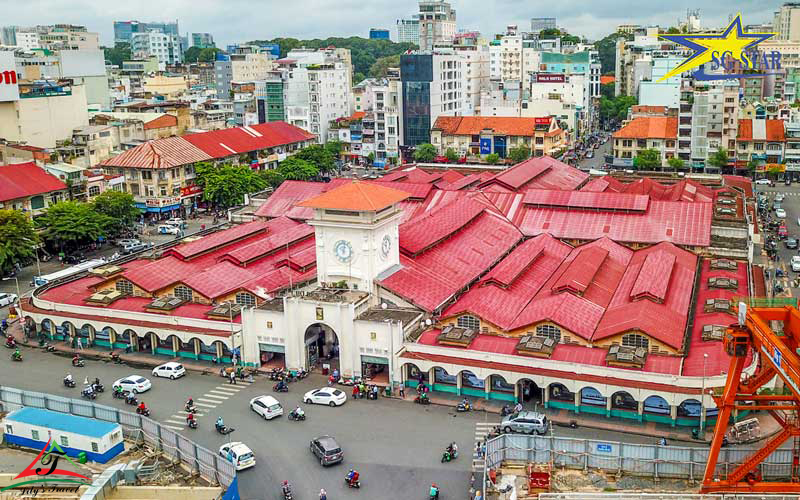
To experience local life and commerce, Ben Thanh Market is a must-visit destination. The market offers a wide variety of local food, souvenirs, clothing, and handicrafts, making it a lively place to observe daily activities and interact with local vendors.
Finally, Nguyen Hue Walking Street represents the modern and vibrant side of the city. This wide pedestrian boulevard is popular with both locals and tourists, especially in the evening, and is surrounded by cafés, shopping centers, and entertainment venues, making it a perfect place to relax and enjoy the urban atmosphere.
III. Cultural & Historical Experiences
Ho Chi Minh City offers a rich range of cultural and historical experiences that reflect its complex past and diverse cultural influences. One of the most visible aspects of the city’s heritage is its French colonial architecture, seen in well-preserved historical buildings such as the Notre Dame Cathedral of Saigon, the Central Post Office, and other colonial-era structures in the city center. These landmarks highlight the European influence on the city’s urban design and historical development.
The city is also home to numerous museums and memorial sites related to Vietnam War history. Institutions such as the War Remnants Museum and the Reunification Palace provide valuable insights into key historical events through photographs, artifacts, and preserved spaces. These sites are essential stops for visitors interested in understanding Vietnam’s modern history and national identity.
In addition to Western influences, Ho Chi Minh City showcases strong Asian cultural traditions, particularly through its Buddhist temples and Chinese pagodas. The Chinatown area, known as Cholon, features famous religious sites such as Thien Hau Temple, where visitors can observe traditional worship practices and Chinese-Vietnamese architecture. These spiritual spaces offer a peaceful contrast to the busy city streets.
Traditional arts and cultural performances further enrich the cultural scene of the city. Visitors can enjoy activities such as water puppet shows, traditional music, and contemporary art exhibitions at local theaters and cultural spaces. Together, these cultural and historical experiences provide a deeper understanding of Ho Chi Minh City’s heritage and make the city an engaging destination for cultural e
IV. Local Life & Street Experiences
Experiencing local life is an essential part of any visit to Ho Chi Minh City, where daily activities unfold directly on the streets. One of the most popular experiences is exploring the city’s famous street food culture. From sidewalk stalls to small local eateries, visitors can enjoy a wide variety of dishes such as pho, banh mi, com tam, and fresh coffee. Local cafés, ranging from traditional coffee shops to modern specialty cafés, also play an important role in daily life and offer a relaxed way to observe the city’s rhythm.
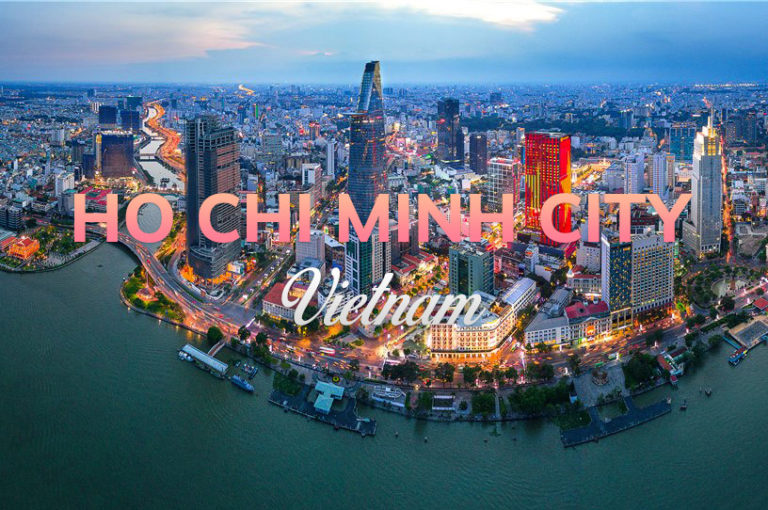
As night falls, the city transforms into a lively nightlife destination. Rooftop bars such as Bitexco Financial Tower and other high-rise buildings provide panoramic views of the illuminated skyline. In addition to rooftop venues, busy streets filled with bars, live music, and night markets attract both locals and visitors, creating a vibrant and energetic atmosphere.
Walking through local neighborhoods and narrow alleyways allows travelers to see a more authentic side of the city. These small streets reveal everyday scenes of family life, street vendors, and informal businesses, offering insights into how residents live and work. Finally, traditional markets and daily trading activities remain central to local life. Markets such as Ben Thanh Market and smaller neighborhood markets showcase the city’s commercial spirit and provide opportunities to interact with locals, making street experiences in Ho Chi Minh City both lively and memorable.
V. Day Trips from Saigon
From Ho Chi Minh City, travelers can easily join a variety of rewarding day trips that showcase different aspects of southern Vietnam. One of the most popular excursions is to the Cu Chi Tunnels, an extensive underground network used during the Vietnam War. Visitors can explore sections of the tunnels, learn about wartime survival strategies, and gain a deeper understanding of the resilience and ingenuity of the Vietnamese people.
>>> See more: Da nang tour: attractions, beaches, and travel tips
Another highly recommended day trip is to the Mekong Delta, known for its vast river system, lush countryside, and traditional rural life. A visit to the Mekong Delta typically includes boat trips along narrow canals, visits to local villages and fruit orchards, and opportunities to experience floating markets. This excursion offers a peaceful contrast to the busy urban environment of Saigon and highlights the importance of river life in southern Vietnam.
For travelers interested in religion and culture, an optional day trip to the Cao Dai Temple in Tay Ninh provides a unique experience. The temple is the spiritual center of Cao Dai, a distinctive Vietnamese religion that blends elements of Buddhism, Taoism, Confucianism, Christianity, and Islam. Visitors can observe colorful religious ceremonies and learn about this fascinating belief system, making it a meaningful cultural addition to a Saigon itinerary.
VI. Best Time & Practical Travel Tips
The best time to visit Ho Chi Minh City is from December to April, which is the dry season in southern Vietnam. During this period, the weather is generally sunny and warm, making it ideal for city sightseeing, walking tours, and day trips to nearby destinations. The rainy season usually occurs from May to November, with short but heavy showers that may affect outdoor activities.
When preparing for a trip, visitors should pack light and breathable clothing suitable for the tropical climate. Sunscreen, sunglasses, and a hat are essential for protection from strong sunlight, while comfortable walking shoes are highly recommended for exploring markets, museums, and city streets. A small backpack and reusable water bottle can also be useful for daily outings.
Getting around the city is relatively easy thanks to various transportation options. Taxis and ride-hailing apps are widely available and convenient for short distances, while renting a motorbike offers flexibility for more adventurous travelers. When traveling within the city, visitors should stay aware of traffic conditions, keep personal belongings secure, and respect local etiquette. Dressing modestly at temples, following traffic rules, and being polite when interacting with locals will help ensure a safe and enjoyable travel experience in Ho Chi Minh City.
Conclusion
In conclusion, Ho Chi Minh City is a destination that successfully combines history, culture, and modern urban life. Visitors can explore significant landmarks, learn about Vietnam’s past through museums and memorials, experience authentic local life on the streets, and enjoy exciting day trips to surrounding regions such as the Cu Chi Tunnels and the Mekong Delta. With favorable travel conditions, convenient transportation, and a wide variety of activities, Saigon is suitable for first-time visitors as well as returning travelers. Whether for sightseeing, cultural discovery, or culinary exploration, Ho Chi Minh City offers a memorable and enriching travel experience.
| Experience | Main Location | Experience Type | Time Needed | Best For |
| City sightseeing & architecture | Notre Dame Cathedral of Saigon, Central Post Office | Cultural & architectural | 1 hour | First-time visitors, photographers |
| Historical exploration | Reunification Palace, War Remnants Museum | History & education | 2–3 hours | History lovers |
| Local food & street life | Ben Thanh Market, street food areas | Culinary & local life | 1–2 hours | Food lovers |
| Urban leisure & nightlife | Nguyen Hue Walking Street, rooftop bars | Urban experience | Evening | Young travelers, night explorers |
| Cultural & spiritual visit | Cholon, Chinese pagodas | Cultural & spiritual | 1–2 hours | Culture seekers |
| Day trip adventure | Cu Chi Tunnels, Mekong Delta | Nature & history | Full day | Explorers, families |
Based on the comparison table, Ho Chi Minh City can be seen as a highly versatile destination that offers a wide range of travel experiences within a compact urban area. The city’s sightseeing and architectural experiences, represented by landmarks such as Notre Dame Cathedral of Saigon and the Central Post Office, are ideal for first-time visitors who want an overview of the city’s colonial heritage. Meanwhile, historical attractions like the Reunification Palace and the War Remnants Museum provide deeper educational value and help travelers better understand Vietnam’s modern history.
In contrast, experiences related to local life and food culture, such as exploring Ben Thanh Market or walking along Nguyen Hue Walking Street, highlight the city’s vibrant daily rhythm and social life. Cultural and spiritual visits in areas like Cholon offer a different perspective through religious sites and traditional practices. Finally, full-day excursions to destinations such as the Cu Chi Tunnels or the Mekong Delta extend the travel experience beyond the city, combining history and nature. Overall, the table demonstrates that Ho Chi Minh City caters to diverse travel interests, making it suitable for a wide variety of visitors, from culture and history enthusiasts to food lovers and urban explorers.
BeDental – A Leading Dental Clinic for International Travelers in Vietnam
BeDental offers high-quality dental services for international travelers visiting Vietnam, combining modern technology with experienced dentists. Our services include general and cosmetic dentistry, dental implants, teeth whitening, and smile makeovers, all performed to international standards.
Designed for tourists, BeDental provides flexible appointments, English-speaking staff, and personalized treatment plans that fit travel schedules. With competitive pricing and convenient locations, BeDental allows visitors to improve their smile while enjoying their trip to Vietnam.