


 English
 한국어
한국어 日本語
日本語 中文 (中国)


Sapa tours: Located in the mountainous region of northern Vietnam, Sapa is one of the country’s most popular travel destinations, well known for its cool climate, breathtaking landscapes, and rich ethnic diversity. With rolling terraced rice fields, mist-covered valleys, and traditional villages of ethnic minority communities, Sapa offers a unique combination of natural beauty and cultural depth. A tour to Sapa is not only a sightseeing journey but also an opportunity to explore mountain trails, experience local lifestyles, and connect with the cultural heritage of the region. This guide outlines the key highlights of a Sapa tour, including trekking experiences, sightseeing attractions, cultural activities, and practical travel tips.
I. Overview of Sapa- Sapa tours
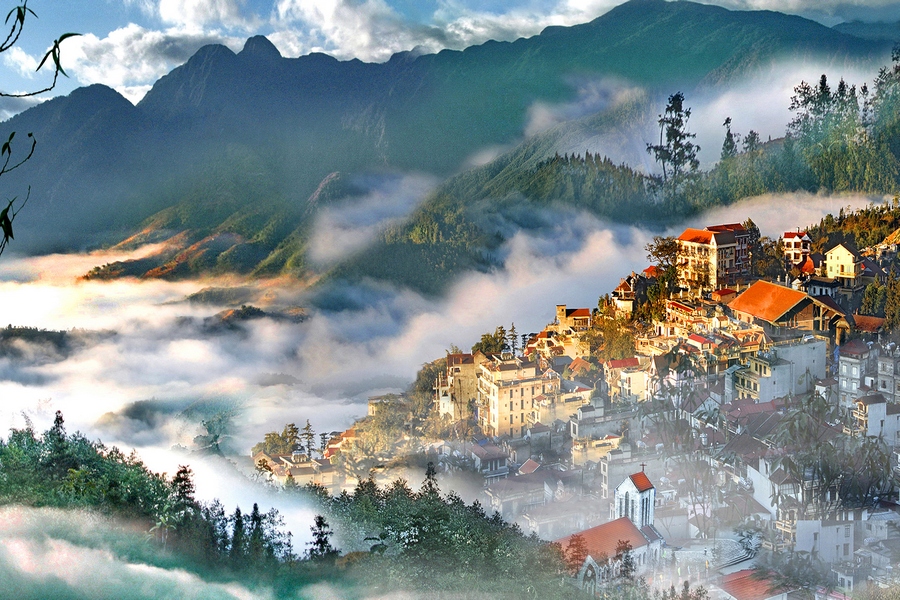
Sapa is a well-known mountain town in northern Vietnam, famous for its cool climate and dramatic natural landscapes. Located at a high altitude, Sapa is surrounded by mountain ranges, deep valleys, and rolling clouds, creating a romantic and refreshing atmosphere that attracts visitors throughout the year.
>>> See more: vietnam vacation packages: travel ideas for all budgets
The region is particularly renowned for its spectacular terraced rice fields in Muong Hoa Valley, where layers of rice terraces stretch across the hillsides and change color with the seasons. Sapa is also home to many famous attractions such as Fansipan Peak, the highest mountain in Indochina, Cat Cat Village, known for its traditional H’Mong culture, and Silver Waterfall, a scenic waterfall located near the town center. These destinations highlight both the natural beauty and cultural richness of the region.
With its combination of cool weather, breathtaking scenery, and diverse ethnic minority cultures such as the H’Mong and Dao, Sapa is an ideal destination for trekking, nature exploration, and cultural immersion. Visitors can hike through misty valleys, explore remote villages, and experience local traditions, making Sapa a perfect choice for travelers seeking both adventure and cultural depth.
II. Trekking Route: Itinerary, Time & Locations in Sapa
Most trekking routes in Sapa start directly from the town center or from nearby trailheads. One of the most popular routes leads into Muong Hoa Valley, located southeast of Sapa town. From here, trekkers follow mountain paths that descend into the valley, offering panoramic views of terraced rice fields and surrounding mountains.
A typical half-day or full-day trek usually lasts from 3 to 6 hours, depending on pace and route difficulty. Common village stops along the way include Lao Chai and Ta Van, where many H’Mong and Dao families live. These villages are located several kilometers from Sapa town and are connected by dirt paths, rice-field trails, and small forest routes.
For beginners, easy treks often cover short distances near Cat Cat Village, which is only about 2–3 kilometers from Sapa town and takes around 2–3 hours to complete. Moderate treks usually extend deeper into Muong Hoa Valley and last a full day, while multi-day treks can take 2–3 days, including overnight stays at local homestays in villages such as Ta Van. These longer routes allow trekkers to experience sunrise, sunset, and daily village life, making the journey both physically engaging and culturally immersive.
III. Sightseeing Highlights: Route, Time & Locations
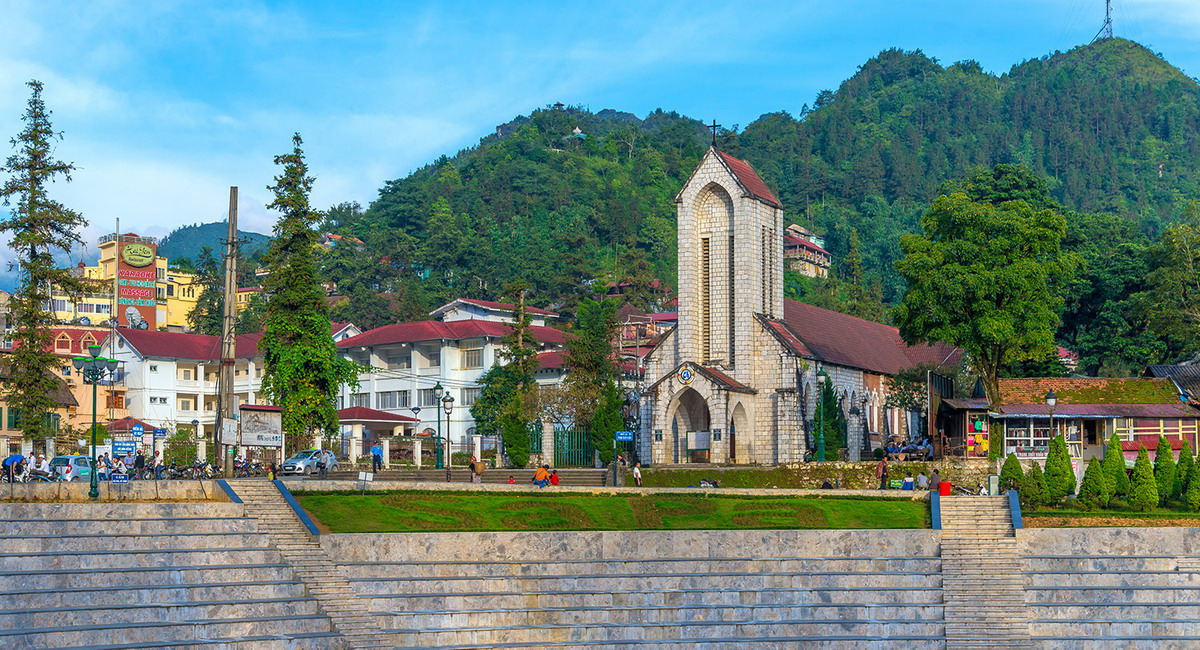
Sightseeing in Sapa usually begins right in the town center, where visitors can explore local landmarks and enjoy the cool mountain atmosphere. Popular spots include the stone church, Sapa Square, and nearby streets lined with cafés, local markets, and souvenir shops. This area is compact and easy to explore on foot, usually taking 1–2 hours.
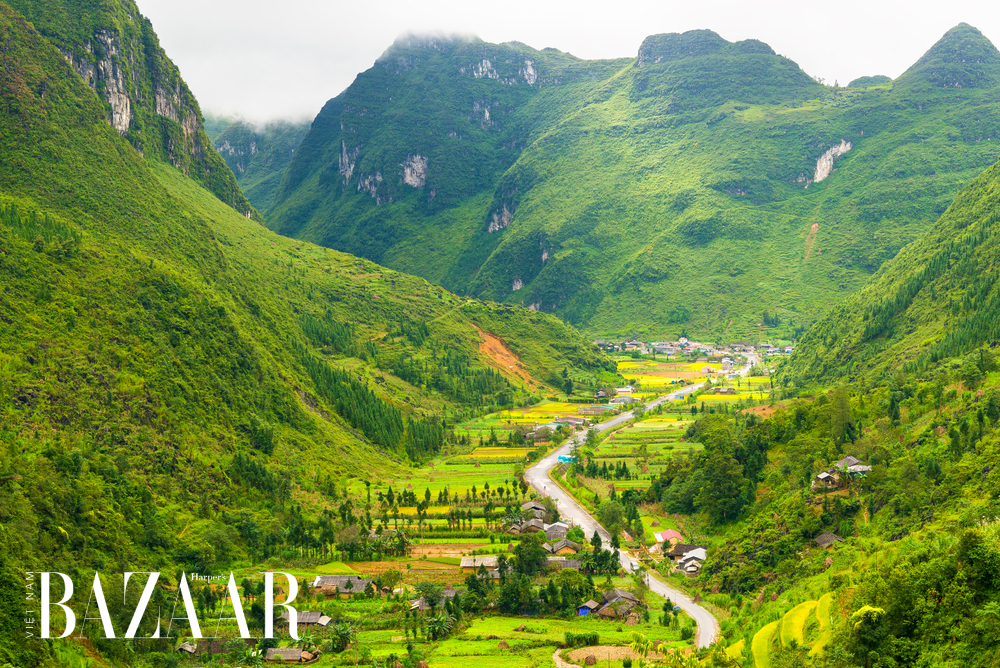
For panoramic views, visitors can head to several viewpoints overlooking valleys and terraced rice fields, mainly located around Muong Hoa Valley and along mountain roads leading out of town. These viewpoints are typically a short drive or hike from the town center and are ideal for photography, especially in the early morning when the valleys are covered in mist. Visiting viewpoints usually takes 1–2 hours, depending on the number of stops.
A major highlight of any sightseeing trip is a visit to Fansipan Peak, the highest mountain in Indochina. Visitors can reach the peak by cable car from the Fansipan station, which takes about 15–20 minutes, or choose a more challenging hiking route that requires 1–2 days depending on fitness level. From the summit, travelers can enjoy breathtaking views of mountain ranges, clouds, and surrounding valleys.
Sunrise and sunset are the most magical times to enjoy Sapa’s mountain scenery. Sunrise viewpoints are often located on higher ground near town or along mountain roads, while sunset views can be enjoyed from hilltops, cafés, or viewpoints overlooking the valleys. These moments usually require early mornings or late afternoons, but they offer unforgettable scenery and are perfect for photography and quiet reflection.
IV. Local & Cultural Experiences: Route, Time & Locations
Local and cultural experiences in Sapa are best enjoyed by staying in ethnic minority villages rather than in the town center. Popular villages for homestays are located in Muong Hoa Valley, such as Ta Van and Lao Chai, which are 8–10 kilometers from Sapa town. Staying overnight in these villages allows visitors to experience the quiet countryside, traditional stilt houses, and evening village life. A typical homestay experience lasts 1 night or more, depending on the itinerary.
During the stay, visitors have opportunities to learn about traditional lifestyles, customs, and handicrafts of ethnic communities such as the H’Mong and Dao. Daily activities often include farming, rice planting, embroidery, and textile weaving. These cultural interactions usually take place throughout the day and are often guided by local hosts, giving travelers a deeper understanding of mountain life and long-standing traditions.
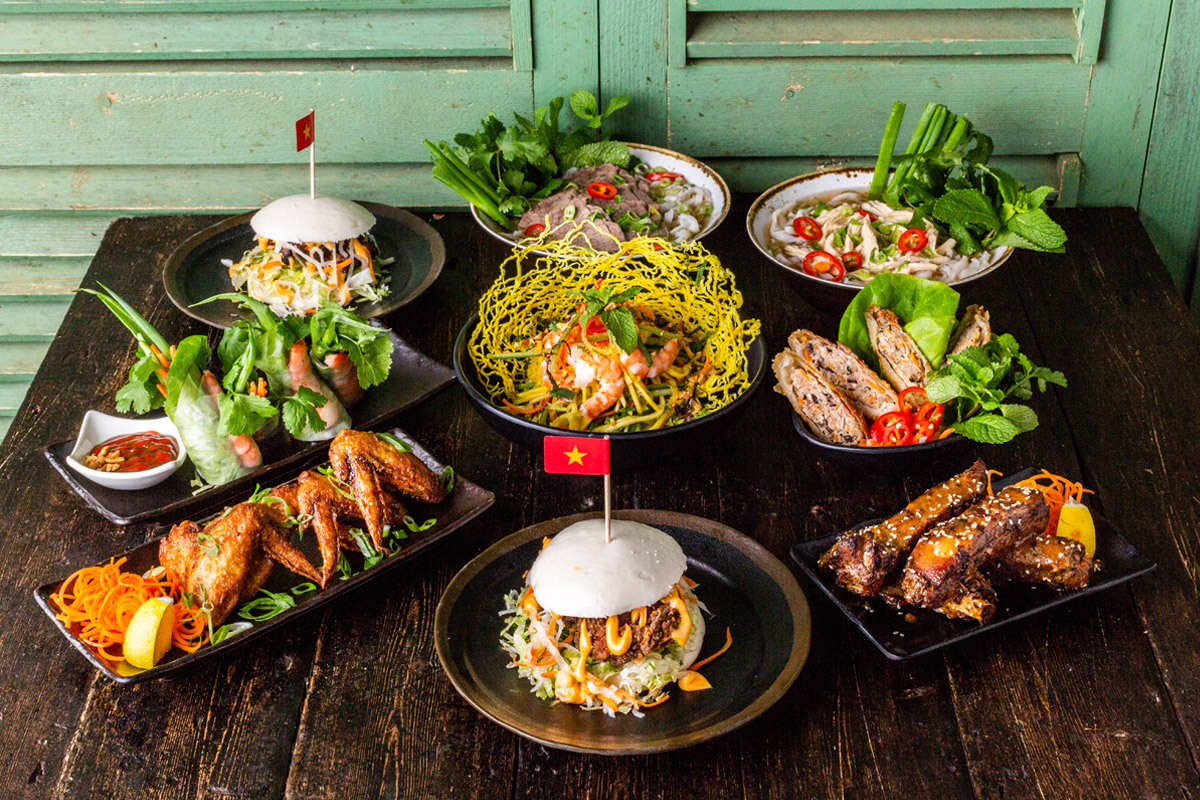
Food is an important part of the cultural experience in Sapa. Guests staying in villages can try local dishes and regional specialties, often prepared with fresh, locally sourced ingredients. Meals are usually shared with host families and served in the evening and early morning, providing a warm and authentic cultural exchange.
Some of the most famous specialties include grilled foods sold at night markets, such as grilled meat skewers, corn, sweet potatoes, and eggs, which are perfect for the cold mountain evenings. Salmon and sturgeon hotpot is another signature dish, as Sapa’s cool weather is ideal for raising cold-water fish. In addition, visitors should try “thắng cố”, a traditional dish of the H’Mong people, as well as black chicken, known for its rich flavor and nutritional value. These dishes are often enjoyed at local restaurants or homestays, offering travelers an authentic taste of Sapa’s culinary culture and a deeper connection to daily life in the region.
To experience daily life and local trade, visitors can visit local markets in Sapa town or nearby areas, usually held in the early morning or on weekends. These markets are lively gathering places where ethnic minority people sell agricultural products, handicrafts, and traditional clothing. Visiting a local market typically takes 1–2 hours and offers a vivid insight into the social and economic life of the region.
V. Best Time & Practical Notes
The best time to visit Sapa is during March to May and September to November, when the weather is mild and the landscapes are at their most beautiful. In spring, the mountains are fresh and green, while autumn offers clear skies and golden rice terraces during the harvest season. These periods are ideal for trekking, sightseeing, and outdoor activities, as visibility is good and temperatures are comfortable.
>>> See more: Hanoi to ninh binh: travel guide and day trip options
When preparing for a trip to Sapa, visitors should pack appropriately for changing weather and outdoor exploration. Essential items include trekking shoes with good grip for mountain trails, warm layers for cool mornings and evenings, and a rain jacket, as weather conditions in the mountains can change quickly. A small backpack, sunscreen, and water bottle are also recommended for day hikes and sightseeing.
Respect for local customs is an important part of traveling in Sapa, especially when visiting ethnic minority villages. Visitors should dress modestly, avoiding revealing clothing, and always ask for permission before taking photos of local people. Showing cultural sensitivity not only helps preserve local traditions but also creates more meaningful and respectful interactions with the communities.
Conclusion
In conclusion, Sapa is an ideal destination for travelers seeking a meaningful balance between adventure, nature, and culture. From trekking through scenic valleys and terraced rice fields to visiting iconic landmarks and engaging in authentic local experiences, Sapa offers something for every type of traveler. Choosing the right season, preparing properly, and respecting local customs will greatly enhance the travel experience. Whether visiting for a short trip or an extended stay, a journey to Sapa promises unforgettable memories and a deeper appreciation of Vietnam’s mountainous landscapes and ethnic traditions.
| Itinerary Type | Duration | Main Locations | Key Activities | Best For |
| Sightseeing-focused trip | 1 day | Sapa, Muong Hoa Valley | Town exploration, viewpoints, sunrise & sunset | First-time visitors |
| Easy trekking experience | Half day – 1 day | Cat Cat Village | Short trek, village visit, light walking | Beginners, families |
| Classic valley trek | 1 day | Muong Hoa Valley, Lao Chai, Ta Van | Trekking, rice terraces, village life | Nature & culture lovers |
| Cultural homestay experience | 2 days / 1 night | Ta Van | Homestay, local meals, handicrafts | Cultural immersion |
| Adventure & peak experience | 1–2 days | Fansipan Peak | Cable car or hiking, mountain views | Adventure seekers |
Overall, Sapa offers a wide variety of travel itineraries designed to suit different interests, time frames, and fitness levels. Short sightseeing-focused trips are ideal for first-time visitors who want to explore Sapa town, enjoy scenic viewpoints, and experience sunrise or sunset views in the mountains. For travelers seeking light physical activity, easy trekking routes to nearby villages provide a gentle introduction to Sapa’s natural landscapes and local culture.
More immersive options, such as full-day valley treks and cultural homestay experiences, allow visitors to explore Muong Hoa Valley in greater depth. These itineraries combine trekking through terraced rice fields with visits to ethnic minority villages, offering meaningful cultural interaction and insight into traditional lifestyles. For adventure seekers, journeys to Fansipan Peak provide a more challenging yet rewarding experience. Together, these itinerary options highlight Sapa’s flexibility as a destination, making it suitable for a wide range of travelers—from casual sightseers to nature enthusiasts and cultural explorers.
BeDental – A Leading Dental Clinic for International Travelers in Vietnam
BeDental offers high-quality dental services for international travelers visiting Vietnam, combining modern technology with experienced dentists. Our services include general and cosmetic dentistry, dental implants, teeth whitening, and smile makeovers, all performed to international standards.
Designed for tourists, BeDental provides flexible appointments, English-speaking staff, and personalized treatment plans that fit travel schedules. With competitive pricing and convenient locations, BeDental allows visitors to improve their smile while enjoying their trip to Vietnam.