

 English
 한국어
한국어 日本語
日本語 中文 (中国)


One-Sided Chewing Treatment in Vietnam — Causes, Risks, and Solutions. While many people may unconsciously favor one side occasionally, persistent one-sided chewing can lead to a range of dental and musculoskeletal problems if left untreated. In Vietnam, an increasing number of patients are seeking treatment for this condition as awareness of oral health and quality of life grows.
This comprehensive guide explains the causes, risks, diagnosis, and treatment options for one-sided chewing in Vietnam. It also highlights how reputable dental clinics, such as BeDental, approach diagnosis and personalized treatment planning.
What Is One-Sided Chewing?
One-sided chewing occurs when a person predominantly uses one side of the mouth to bite and grind food over an extended period. While short-term preference for one side is common, chronic one-sided chewing can indicate underlying dental, skeletal, or functional issues. Persistent unilateral chewing can result in:
- Muscle imbalance in the jaw and face
- Uneven wear of teeth
- Temporomandibular joint (TMJ) strain: Approximately 47% to 53% of individuals who have chewed on one side for more than a year experience TMJ.
- Pain or discomfort during chewing
According to the American Dental Association, balanced chewing is an important component of functional oral health, and habitual imbalances should be evaluated by a dental professional.
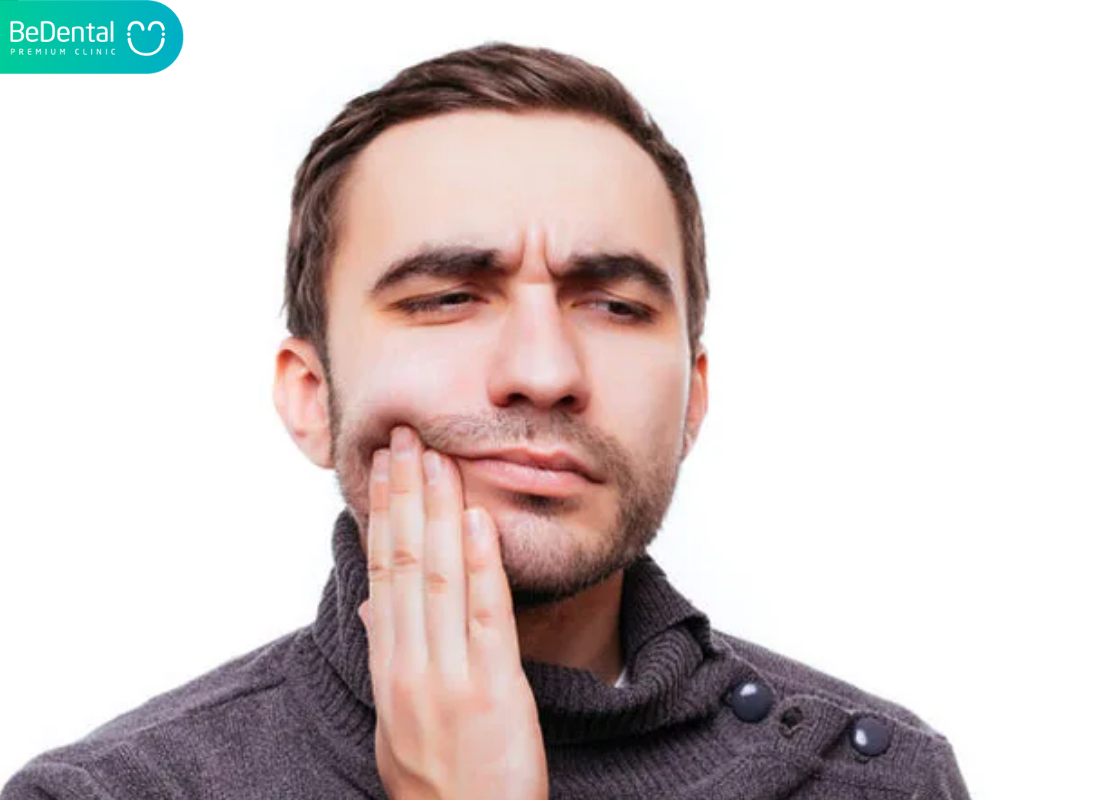
Causes of One-Sided Chewing in Vietnam
Before reviewing the clinical causes individually, it is important to understand that one-sided chewing is often linked to multiple overlapping dental and functional conditions rather than a single isolated issue. Studies from orthodontic and prosthodontic research consistently show that pain, missing teeth, bite imbalance, and TMJ dysfunction are among the strongest predictors of unilateral chewing habits. Furthermore, modern clinics such as BeDental frequently use digital bite analysis and TMJ evaluation to identify these contributing factors early, helping patients prevent long-term facial asymmetry, uneven tooth wear, and chronic jaw strain.
We have compiled and summarized the information into a table to give you the most general overview as follows:
| Contributing Factor | Estimated Percentage Among One-Sided Chewing Patients | Clinical Impact on Chewing Function |
| Dental Pain or Tooth Sensitivity | 32% | Patients avoid painful side during chewing |
| Missing Teeth or Poor Restorations | 21% | Reduced chewing efficiency and imbalance |
| Malocclusion / Bite Imbalance | 18% | Uneven pressure distribution during mastication |
| TMJ Disorders | 14% | Jaw discomfort and restricted chewing movement |
| Gum Disease / Oral Inflammation | 9% | Sensitivity and gum pain while chewing |
| Long-Term Habitual Behavior | 6% | Persistent unilateral chewing despite no active pathology |
The table above highlights that dental pain and missing teeth remain the two most common triggers for unilateral chewing behavior. In addition, malocclusion and TMJ-related conditions together account for a substantial percentage of cases, reinforcing the importance of comprehensive orthodontic and functional evaluation.
At BeDental, clinicians often combine CBCT imaging, occlusal analysis, and restorative assessment to determine whether the habit is caused by structural imbalance, discomfort, or long-standing muscular adaptation. Consequently, early diagnosis not only improves chewing symmetry but also reduces the risk of progressive TMJ strain and facial imbalance over time.
Next, we will go into detail about each factor:
1. Dental Pain or Sensitivity
Pain while chewing on one side — due to cavities, cracked teeth, or exposed dentin — often causes people to favor the pain-free sidface.
2. Missing Teeth or Poor Restorations
The absence of teeth on one side or poorly fitting crowns, bridges, or fillings can make chewing uncomfortable, prompting avoidance of that side.
3. Malocclusion and Bite Imbalance
Misaligned teeth or a problematic bite (malocclusion) can cause uneven force distribution when chewing, making one side more efficient or comfortable than the other.
4. Temporomandibular Joint (TMJ) Disorders
TMJ pain or dysfunction can lead patients to avoid chewing on the side of discomfort.
5. Gum Disease or Oral Inflammation
Sensitivity from gum disease may lead individuals to favor the less sensitive side.
See more: Oral Diseases in Hanoi: Common Issues, Causes, and Prevention
6. Habitual Behavior
Over time, habits such as always chewing on the same side can develop, even in the absence of pain.
The Vietnam Dental Association emphasizes that addressing underlying causes promptly is critical to prevent progression into more serious or chronic conditions.
Health Risks of Long-Term One-Sided Chewing
According to BeDental, over 70% of our patients suffer from some form of oral health issue, which often serves as the root cause for favoring one side (e.g., untreated cavities or missing teeth) . Habitual one-sided chewing can have consequences beyond preference. Long-term chewing on only one side may lead to:
Uneven Tooth Wear and Enamel Damage
Continuous force on one side can accelerate enamel wear on that side, while the unused side may experience less stimulation.
Facial Muscle Imbalance and Asymmetry
Muscle hypertrophy can occur on the dominant chewing side, leading to facial asymmetry over time.
Jaw Joint (TMJ) Strain
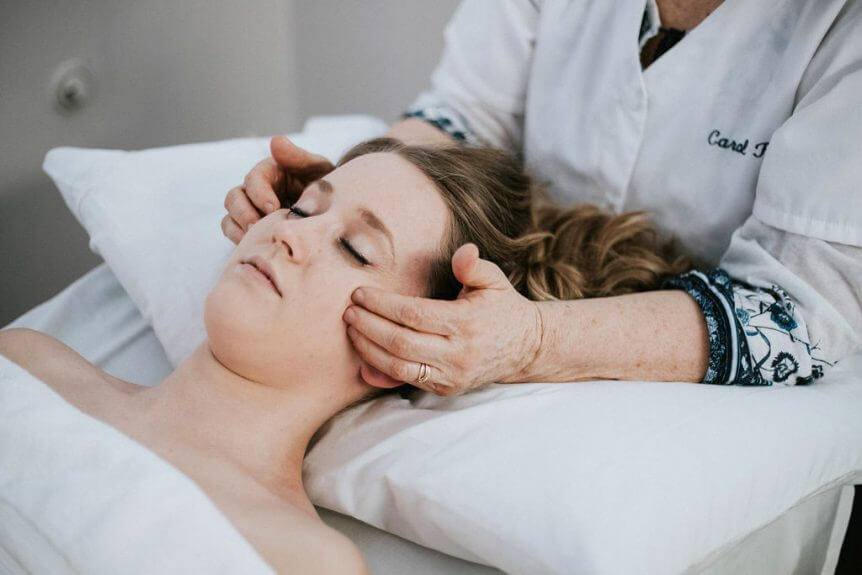
Uneven jaw movements place excess stress on the temporomandibular joint, potentially resulting in pain, limited mouth opening, or clicking.
Increased Risk of Tooth Decay and Gum Disease
Reduced chewing stimulation on the unused side may contribute to plaque accumulation and inadequate oral hygiene, increasing disease risk.
Digestive Implications
Incomplete or inefficient chewing can affect food digestion, as smaller, well-chewed food particles are essential for optimal digestion.
Research cited by professional dental associations indicates that functional imbalances in chewing patterns can have systemic effects over time, affecting not only oral structures but also general well-being.
Signs and Symptoms That Require One-Sided Chewing Treatment in Vietnam
One-sided chewing may be subtle at first, but certain signs suggest the need for professional evaluation:
- Persistent soreness or fatigue on the dominant chewing side
- Jaw or ear pain, especially near the temporomandibular joint
- Noticeable tooth wear on one side
- Difficulty chewing certain foods
- Clicking or popping sounds in the jaw
- Frequent headaches or neck discomfort
If you notice these symptoms, seeking a dental assessment is important to identify underlying causes and design an effective treatment plan.
One-Sided Chewing Treatment in Vietnam
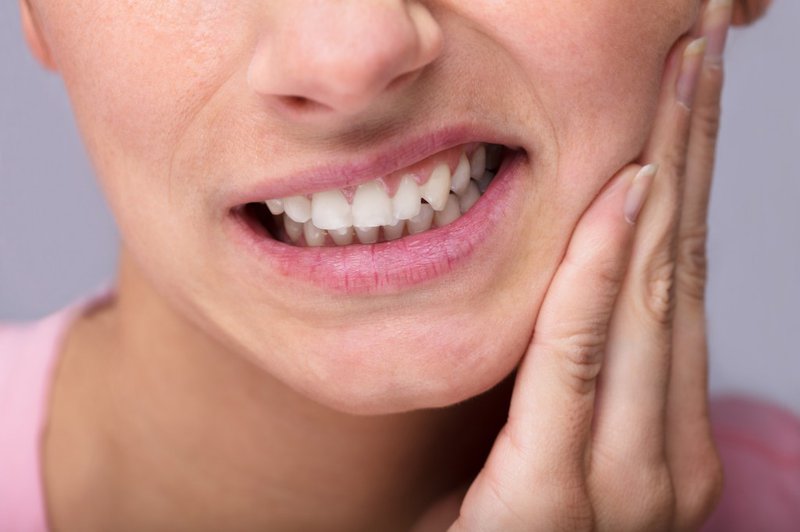
Addressing one-sided chewing requires a tailored approach that considers the individual’s underlying cause. Treatment options in Vietnam may include:
1. One-Sided Chewing Treatment in Vietnam: Dental Restoration Treatments
Tooth Fillings and Crowns
If pain or sensitivity due to decay or fractures is causing one-sided chewing, restorations such as fillings or crowns help restore normal function.
Replacement of Missing Teeth
Missing teeth are often best replaced with:
- Fixed bridges
- Dental implants
- Partial dentures
Replacing missing teeth restores balanced chewing and reduces stress on remaining teeth.
Bite Correction Restorations
Reshaping or rebuilding worn teeth may correct uneven bite contacts.
2. One-Sided Chewing Treatment in Vietnam: Orthodontic Treatment
Orthodontic solutions like braces or clear aligners help correct bite issues that contribute to one-sided chewing.
- Metal braces effectively guide teeth into balanced alignment
- Clear aligners offer a discreet alternative for mild to moderate malocclusion
Orthodontic correction improves occlusal harmony and promotes even chewing forces over both sides of the mouth.
3. One-Sided Chewing Treatment in Vietnam: TMJ and Functional Therapy
Occlusal Splints and Night Guards
Custom-made splints help relax jaw muscles and protect teeth from clenching forces. They also encourage a more balanced bite.
Jaw Muscle Therapy
Therapeutic exercises and techniques help rebalance muscle activity and improve chewing symmetry.
Bite Stabilization Techniques
Bite balancing can reduce stress on TMJ and improve functional chewing.
4. One-Sided Chewing Treatment in Vietnam: Behavioral and Habit Correction
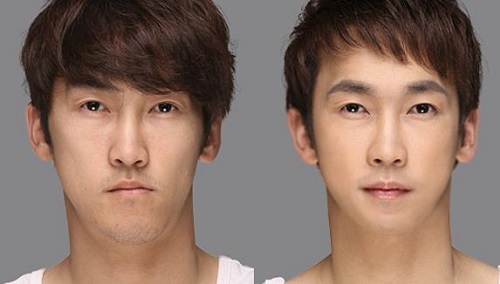
One-sided chewing can become habitual, even when pain is no longer present. Behavioral approaches include:
- Chewing retraining exercises to use both sides
- Physical therapy techniques for jaw coordination
- Guided feedback practices to increase awareness of chewing patterns
Behavioral modification plays an important role, especially when muscle patterns have adapted to compensatory chewing.
Here is quick comparison for 4 One-Sided Chewing Treatment in Vietnam above:
| Treatment Method | Advantages | Limitations |
| Dental Restoration Treatments (Fillings, crowns, tooth replacement) | – Quickly restores chewing comfort
– Addresses pain, decay, or fractures directly – Improves bite stability when missing teeth are replaced – Helps prevent further tooth wear |
– Does not correct underlying jaw or muscle imbalance alone
– May require additional treatments if bite issues persist – Longevity depends on oral hygiene and material choice |
| Orthodontic Treatment (Braces, clear aligners) | – Corrects bite imbalance at the structural level
– Promotes long-term chewing symmetry – Reduces uneven tooth wear and jaw strain – Improves overall dental alignment |
– Longer treatment duration- Higher cost compared to basic restorations
– Requires strong patient compliance and regular follow-ups |
| TMJ and Functional Therapy (Splints, muscle therapy, bite stabilization) | – Relieves jaw pain and muscle tension
– Non-invasive and conservative approach – Improves joint function and chewing coordination – Can be combined with other treatments |
– May not fully correct dental alignment issues
– Results depend on consistent use and follow-up – Often part of a multi-phase treatment plan |
| Behavioral and Habit Correction(Chewing retraining, physical therapy) | – Addresses habitual causes of one-sided chewing
– Supports long-term functional balance – Non-invasive and cost-effective – Enhances results of dental or orthodontic treatment |
– Requires patient awareness and commitment
– Slower improvement if used alone – Less effective when structural problems are present |
You should probably check with your dentist to make sure you have the most suitable method for yourself.
One-Sided Chewing Treatment in Vietnam for Children vs. Adults
One-Sided Chewing Treatment in Vietnam: Children
Early intervention has significant advantages. Children’s jaws are still developing, making it easier to correct chewing habits and bite imbalances. Early dental assessment and functional guidance can prevent long-term asymmetries and associated complications.
One-Sided Chewing Treatment in Vietnam: Adults
Treatment for adults often requires a more comprehensive approach because skeletal growth is complete. Orthodontic treatment, muscle therapy, and restorative care may be combined to achieve balanced chewing.
Cost of One-Sided Chewing Treatment in Vietnam
Costs vary depending on the nature of treatment:
- Restorative Dentistry (fillings, crowns): Moderate, varies by material and clinic
- Orthodontic Treatment (braces/aligners): Usually higher due to extended duration and complexity
- TMJ Therapy and Functional Rehabilitation: Variable, often customized per patient
- Prosthetic Replacements (implants, bridges): Higher cost categories due to surgical and lab work
Vietnam offers a range of dental services at competitive costs compared with many Western countries, especially within reputable private clinics that use modern technology and evidence-based practices.
Vietnam has become a premier destination for “dental tourism” due to its high-tech clinics and competitive pricing. Below is a comparison of average costs (in USD) for treatments commonly used to correct one-sided chewing across different regions.
| Country | Dental Implant (Single) | Porcelain Crown | Metal Braces (Full) |
| Vietnam | $1,000 – $1,600 | $150 – $500 | $1,000 – $2,500 |
| Thailand | $1,200 – $2,500 | $300 – $800 | $1,500 – $3,500 |
| South Korea | $1,100 – $2,200 | $400 – $800 | $2,500 – $5,000 |
| China | $800 – $1,800 | $250 – $700 | $2,000 – $4,500 |
| USA / UK | $3,500 – $6,000 | $800 – $2,500 | $4,000 – $8,000 |
Prevention of One-Sided Chewing
Preventing one-sided chewing focuses on resolving discomfort and promoting balanced oral function:
- Regular dental check-ups for early detection of bite issues
- Timely dental restorations for cavities, cracked teeth, or missing teeth
- Prompt management of TMJ discomfort or jaw pain
- Monitoring chewing habits and retraining as needed
- Maintaining good oral hygiene to prevent decay and gum disease
Early detection and intervention reduce the likelihood of chronic muscle imbalance, asymmetric facial development, and long-term joint problems.
One-Sided Chewing Treatment in Vietnam Trends and Growth
Driven by the intersection of rising aesthetic standards and increased accessibility to advanced dental technology, Vietnam is experiencing a significant surge in dental treatment volume. This growth is not confined to major hubs but is spreading across the country, reflecting a fundamental shift in how patients perceive the link between oral health and overall quality of life.
To provide a clearer picture of this evolution, the following data tracks treatment demand throughout the year. This upward trajectory highlights the growing trust patients place in modern clinical solutions:
One-Sided Chewing Treatment in Vietnam: Quarterly Treatment Volume
| Region | Q1 | Q2 | Q3 | Q4 | Annual Total |
| Hanoi | 970 | 1,170 | 1,300 | 1,450 | 4,890 |
| Ho Chi Minh City | 1,270 | 1,530 | 1,740 | 1,960 | 6,500 |
| Other Provinces | 760 | 930 | 1,090 | 1,270 | 4,050 |
| Vietnam Total | 3,000 | 3,630 | 4,130 | 4,680 | 15,440 |
The data shows a clear upward trend in treatment demand throughout the year, with Q4 recording the highest number of cases across all regions. This pattern reflects increased patient awareness, end-of-year health check-ups, and a growing focus on both functional and aesthetic dental improvements.
Ho Chi Minh City consistently leads in treatment volume, indicating a higher concentration of advanced dental clinics and stronger demand for cosmetic and restorative procedures. Meanwhile, Hanoi maintains stable growth, particularly in orthodontics and TMJ-related treatments. We have two branches in both cities so you can choose the location that’s most convenient for you.
One-Sided Chewing Treatment in Vietnam: Regional Distribution in Vietnam
While the total volume of dental procedures in Vietnam is climbing, the distribution of these services reveals a distinct geographical pattern. This regional breakdown is a direct reflection of where the country’s most advanced infrastructure, specialized expertise, and high-tech equipment are concentrated.
The following data illustrates how dental focus areas differ from the northern hubs to the southern metropolis:
| Region | Share | Characteristics |
| Ho Chi Minh City | 42% | Cosmetic & implant demand |
| Hanoi | 32% | Orthodontics & TMJ focus |
| Central Vietnam | 12% | Growing awareness |
| Other Regions | 14% | Limited access |
The regional distribution highlights a significant concentration of dental services in major urban centers, particularly Ho Chi Minh City and Hanoi, which together account for nearly three-quarters of total cases. These cities benefit from better infrastructure, access to modern technology, and a higher density of skilled dental professionals.
In contrast, Central and other regions show lower treatment shares, mainly due to limited access to specialized care. However, these areas represent strong growth potential as awareness increases and private dental services continue to expand beyond major metropolitan areas.
One-Sided Chewing Treatment in Vietnam: Southeast Asia Market Comparison
The rapid modernization of Vietnam’s dental sector has not only transformed local healthcare but has also positioned the country as a formidable player in the broader regional landscape. By integrating international protocols with highly competitive pricing, Vietnam is now a central hub in the Southeast Asian dental market.
To understand Vietnam’s standing, it is helpful to look at how it compares to its neighbors in terms of patient volume and market expansion. The following data highlights Vietnam’s emergence as a top-tier destination for both domestic care and dental tourism:
| Country | Annual Cases | Growth Rate |
| Vietnam | 15,440 | +6–10% |
| Thailand | 18,000 | +5–8% |
| Indonesia | 22,000 | +7–9% |
| Philippines | 12,500 | +6–8% |
| Malaysia | 9,800 | +4–6% |
| Singapore | 6,200 | +3–5% |
As the table illustrates, Vietnam is rapidly closing the gap with long-established markets like Thailand. With a projected growth rate of up to 10%, Vietnam’s dental sector is expanding faster than many of its peers. This surge is driven by a unique combination of high-tech infrastructure—such as the digital workflows utilized at BeDental—and a growing reputation for high-success-rate procedures in implants and orthodontics.
One-Sided Chewing Treatment at BeDental
BeDental is a leading dental system in Vietnam known for its comprehensive approach to oral health, including functional and aesthetic solutions that address problems like one-sided chewing.
Why BeDental?
Comprehensive diagnostic evaluations: Including bite analysis, TMJ assessment, and functional tests
Customized treatment planning: CAD/CAM, personalized plans based on clinical findings and patient goals
Modern technology: Digital imaging, precise orthodontic tools, and advanced restorative materials
Patient-centered care: Clear communication, transparent cost estimates, and long-term maintenance guidance
Professional standards: Treatment approaches aligned with recommendations from the American Dental Association and the Vietnam Dental Association
BeDental’s multidisciplinary team ensures that treatment addresses both symptoms and underlying causes, promoting balanced chewing, improved function, and lasting oral health benefits. Patients receive detailed coaching on daily care and preventive strategies to support long-term success.
Frequently Asked Questions (FAQ): One-Sided Chewing Treatment in Vietnam
Is one-sided chewing harmful?
Persistent one-sided chewing may lead to uneven wear, TMJ discomfort, muscle imbalance, and other complications if left untreated.
Can one-sided chewing be corrected without braces?
Yes, in many cases it can be addressed with restorative dentistry, TMJ therapy, and behavioral retraining. Braces are recommended when bite imbalance or dental alignment issues are part of the cause.
How long does treatment take?
Treatment duration varies widely based on cause and chosen method. Simple restorative solutions may take a few visits, while orthodontic or functional plans may take months to years.
Is one-sided chewing reversible?
With proper dental care, functional retraining, and professional guidance, habitual one-sided chewing can often be corrected.
When should I see a dentist?
If you experience jaw pain, uneven bite, muscle fatigue, or consistent preference for one side, a dental assessment is advised.
One-sided chewing is more than a habit — it reflects functional imbalances that can impact oral health, jaw comfort, and overall well-being if ignored. Understanding its causes, recognizing early signs, and seeking professional evaluation are important steps toward balanced function and long-term dental health.
In Vietnam, clinics like BeDental offer comprehensive care that combines diagnostics, personalized treatment planning, and modern dental technology to correct one-sided chewing effectively. By addressing both symptoms and causes, patients not only experience improved chewing but also enhanced comfort, function, and confidence.
If you suspect one-sided chewing, consider scheduling a professional consultation to explore the best treatment options for your individual needs. With timely intervention and proper care, balanced chewing and optimal oral health are achievable goals.
See more: Cosmetic Porcelain Crown in Vietnam: The Ultimate Smile Transformation

Tư vấn chuyên môn bài viết:
BÁC SĨ DƯƠNG THỊ THÙY NGA
Tại BeDental, khách hàng có thể an tâm điều trị với dịch vụ bảo lãnh viện phí nha khoa nhanh chóng và tiện lợi. BeDental hiện liên kết với nhiều công ty bảo hiểm uy tín, hỗ trợ thanh toán trực tiếp chi phí các dịch vụ nha khoa như nhổ răng, trám răng, điều trị tủy, phục hình răng sứ... Quy trình linh hoạt, minh bạch giúp tiết kiệm thời gian và tối ưu chi phí. Hãy liên hệ BeDental để được tư vấn chi tiết và tận hưởng trải nghiệm chăm sóc răng miệng chuyên nghiệp, không lo gánh nặng tài chính.
? Các đơn vị nha khoa chấp nhận bảo lãnh bao gồm : Hùng Vương Insurance, Bảo Long Insurance, BSH (Bảo hiểm BSH), FWD Insurance Cathay Life Fubon Insurance, Tokio Marine Insurance Group VNI (Bảo hiểm Hàng không), HD Insurance MSIG AAA Insurance PTI (Bảo hiểm Bưu điện), BIDV MetLife, PJICO, Techcom, Insurance, AIA, Dai-ichi Life MIC GIC DBV Insurance VBI (Bảo hiểm VietinBank)
? Các công ty bảo hiểm BeDental có thể xuất hóa đơn: Manulife Dai-ichi Life Prudential AIA Hanwha Life PVI VCLI (Bảo hiểm nhân thọ Vietcombank - Cardif) BIC (Bảo hiểm BIDV), Bảo Việt Insurance và PVI