

 English
 한국어
한국어 日本語
日本語 中文 (中国)


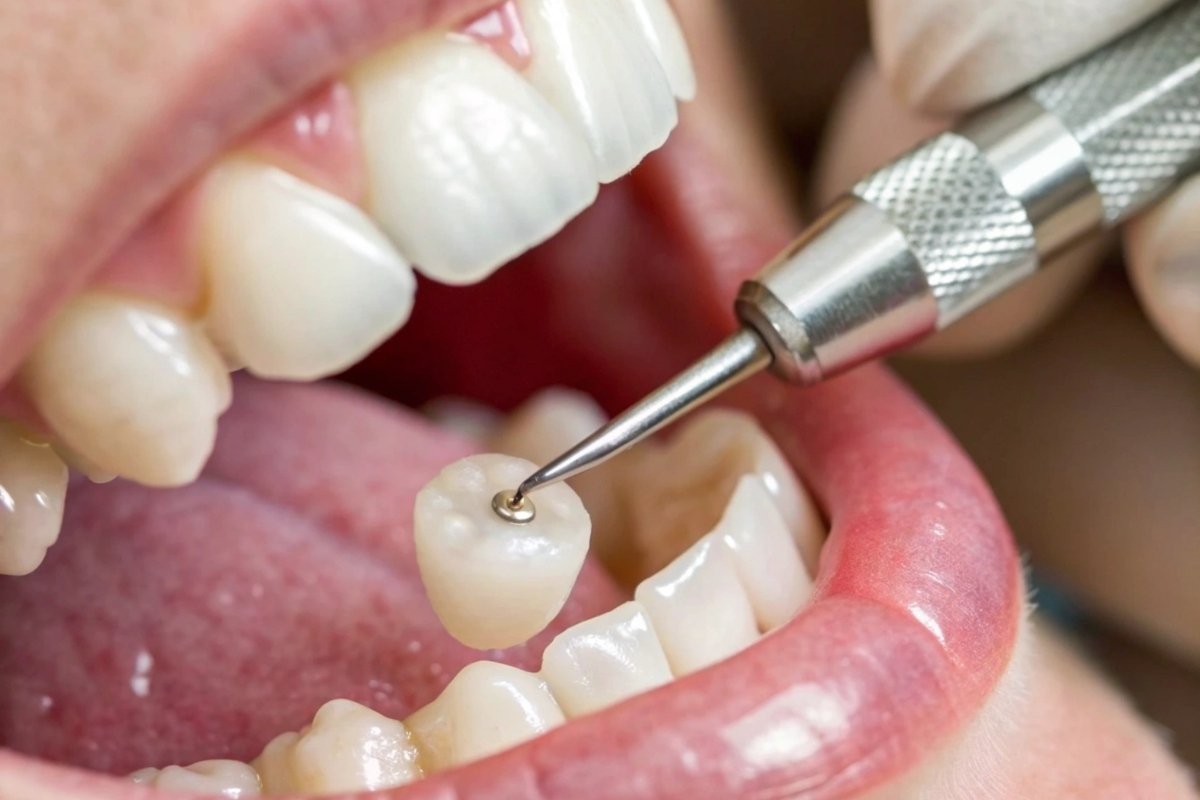
Porcelain crowns are a popular dental restoration in Vietnam, valued for their natural appearance, strength, and ability to protect damaged teeth. While porcelain crowns are designed to withstand daily chewing forces, they are not indestructible. Proper care—including dietary habits—is essential to maintain crown integrity and avoid unnecessary damage.
According to clinical guidance recognized by the American Dental Association and the World Dental Federation, avoiding certain foods can significantly extend the lifespan of porcelain crowns and reduce the risk of chipping, loosening, or bite-related discomfort.
In Vietnam, where cuisine includes a wide variety of textures and flavors, understanding which foods to limit is especially important. At BeDental, patients receive clear dietary guidance after crown placement to help ensure long-term comfort and durability.
About BeDental – International-Standard Dental Care in Vietnam
BeDental is a modern dental system in Vietnam specializing in restorative, cosmetic, and preventive dentistry aligned with internationally recognized clinical standards. The clinic places strong emphasis on patient education, conservative treatment planning, and long-term oral health outcomes.
BeDental’s restorative dentists have extensive experience placing porcelain crowns for both local and international patients. Using digital bite analysis, precise crown fabrication, and personalized aftercare instructions, BeDental helps patients avoid common habits—such as improper food choices—that may shorten crown lifespan.
With strict sterilization protocols, transparent consultations, and comprehensive follow-up care, BeDental is a trusted destination for porcelain crown treatment in Vietnam.
Why Diet Matters After Getting Porcelain Crowns
Porcelain crowns are strong, but they are bonded to natural teeth and exposed to constant chewing pressure. Dental associations emphasize that repeated stress from certain foods can:
Cause Porcelain Chipping or Cracking
Although dental porcelain is engineered to withstand significant force, it remains a ceramic material. This means it is highly resistant to wear but can be vulnerable to sudden, sharp impacts. Repeatedly biting down on exceptionally hard substances—such as ice, popcorn kernels, or hard candies—creates microscopic stress fractures. Over time, these small cracks can grow, eventually leading to a visible chip that may require the entire crown to be replaced.
Weaken Crown Cement Over Time
The medical-grade resin used to bond your crown to your tooth requires a period of stabilization to reach its maximum strength. Consuming extremely sticky or “tacky” foods like taffy, caramel, or heavy gummies can create a powerful suction force. This upward “pulling” action can micro-move the crown, gradually breaking down the integrity of the cement seal. Once the seal is compromised, bacteria can seep underneath, leading to hidden decay on the natural tooth.
Create Bite Imbalance
During the healing phase, your jaw muscles and the ligaments supporting the tooth are learning to accommodate the new shape of the crown. Consuming tough, fibrous meats or very chewy breads forces your jaw to work harder and move in repetitive, forceful patterns. If your bite is not yet perfectly settled, this extra exertion can shift the tooth slightly or cause muscle strain, leading to a permanent feeling of “heaviness” or misalignment in your bite.
Increase Sensitivity or Discomfort
As your tooth’s internal nerve recovers from the preparation process, it is hyper-sensitive to external stimuli. Diets high in extreme temperatures—such as ice-cold smoothies or steaming hot soups—can trigger sharp pain as the thermal energy is conducted through the porcelain to the underlying dentin. Furthermore, highly acidic foods or beverages can irritate the healing gum line, prolonging the time it takes for the soft tissue to form a healthy, protective seal around the base of the crown.
>> See more: Reducing Protruding Front Teeth in Vietnam: Safe, Natural, and Beautiful Results
Avoiding harmful foods is particularly important during the first few weeks after crown placement, when the tooth and surrounding gums are still adapting.
Foods to Avoid with Porcelain Crowns in Vietnam
1. Very Hard Foods
Hard foods exert localized, high-intensity pressure that can exceed the structural limits of dental porcelain, leading to immediate fractures or “craze lines” (micro-cracks). In Vietnam, this often happens when patients encounter hidden hazards in common dishes.
Ice cubes: Chewing on ice is a leading cause of porcelain failure.
Hard candies: Traditional peanut candies or “kẹo lạc” can be deceptively rigid.
Nuts with hard shells: Seeds like “hạt dưa” or “hạt hướng dương” should be opened with your hands, never your teeth.
Bones in meat: Be cautious with traditional chopped chicken (gà chặt) or pork rib dishes where small bone fragments may remain.
2. Sticky and Chewy Foods
Sticky substances create a powerful suction effect that can physically pull on the crown. In the early stages of bonding, this can micro-weaken the cement, eventually leading to the crown popping off.
Caramel and Toffee: These are highly “tacky” and provide a strong upward pull.
Sticky rice cakes: Vietnamese favorites like “bánh chưng,” “bánh tét,” or “xôi xéo” are extremely dense and sticky; chew slowly and avoid using the crowned tooth for the main force.
Chewing gum: Constant repetitive pulling can fatigue the bonding agents over time.
3. Extremely Tough or Fibrous Foods
Tough foods require prolonged, heavy grinding. This repetitive lateral force puts more stress on the crown’s connection to the natural tooth than vertical biting does.
Dried meat or jerky: “Khô bò” (dried beef) or “khô mực” (dried squid) require significant effort to break down.
Tough sugarcane: Chewing directly on “mía” is high-risk behavior for any porcelain restoration.
Overcooked meats: Large chunks of chewy pork or beef should be cut into bite-sized pieces to reduce the workload on your dental work.

4. Very Hot or Very Cold Foods
Porcelain and the underlying natural tooth expand and contract at slightly different rates when exposed to temperature shifts. This can lead to “thermal shock” and heightened sensitivity.
The “Hot-Cold” Cycle: Avoid drinking ice-cold “trà đá” immediately after eating boiling hot “phở” or “bún thang.”
Extreme beverages: Be mindful of very hot coffee or tea, especially in the first two weeks following placement while the nerve is still recovering.
5. Sugary and Acidic Foods
It is a common myth that a crown cannot decay. While the porcelain is immune, the natural tooth structure at the margin (where the crown meets the gum) is highly vulnerable.
Soft drinks and Sugary desserts: High sugar intake promotes plaque biofilm at the crown margin.
Acidic fruits: Excessive citrus or sour snacks like “cóc,” “xoài xanh,” or “mận” with chili salt can erode the natural enamel at the base of the crown.
Poor Hygiene Risk: If these foods aren’t rinsed away, they can cause “recurrent decay” underneath the crown, which is difficult to detect until it is advanced.
6. Using Teeth as Tools
Dental organizations worldwide categorize the use of teeth as tools as a primary cause of avoidable crown damage. Porcelain is designed for chewing organic food, not industrial materials.
Avoid: Opening snack packages, “xé” plastic bags, biting fingernails, or holding pens in your mouth.
The Golden Rule: If you wouldn’t use a fine ceramic plate to perform the task, do not use your porcelain crown.
Foods That Are Safer for Porcelain Crowns
Soft Fruits
Soft fruits provide essential vitamins without requiring the crushing force needed for harder varieties.
Best Choices: Ripe bananas, avocados, peaches, and mangoes.
Why it works: These fruits have a “non-resistant” texture. At BeDental, we particularly recommend avocados because they are rich in healthy fats that support the healing of the soft tissues around the crown margin.
Pro-tip: Avoid biting directly into a whole apple or pear; instead, slice them into thin, small pieces or blend them into a room-temperature smoothie.
Cooked Vegetables
While raw vegetables are healthy, their crunch can put uneven pressure on a new crown.
Best Choices: Steamed carrots, mashed sweet potatoes, boiled broccoli florets, and roasted zucchini.
Why it works: Cooking breaks down the tough cellulose fibers, making the vegetables soft enough to be mashed by your tongue or lightly chewed. Mashed potatoes are an ideal “comfort food” during the first 48 hours as they provide energy without any mechanical stress.
Rice, Noodles, and Soft Bread
Carbohydrates are the easiest foods to navigate during the recovery phase.
Best Choices: Well-cooked white or brown rice, phở or bún (rice noodles), pasta, and soft whole-grain bread (without hard crusts or seeds).
Why it works: These foods require minimal “grinding” action. In Vietnam, cháo (congee) or súp (soup) are perfect traditional choices that ensure you stay nourished while keeping the pressure on your new crown at near-zero levels.
Lean Proteins (Prepared Softly)
Protein is the building block of tissue repair, making it vital for gum recovery.
Best Choices: Flaky white fish (like cod or tilapia), scrambled eggs, tofu, and shredded rotisserie chicken.
Why it works: These proteins naturally pull apart with minimal effort. At BeDental, we suggest scrambled eggs for breakfast as they are incredibly soft and contain phosphorus, which helps maintain the health of the natural tooth structure underneath the crown.
Dairy Products
Dairy is a “double-win” for crown patients—it is soft and biologically beneficial.
Best Choices: Unsweetened yogurt, cottage cheese, and lukewarm milk.
Why it works: These are essentially “no-chew” foods. Furthermore, the calcium and phosphorus in dairy help strengthen the jawbone and the natural tooth supporting your new porcelain restoration. Yogurt also contains probiotics that promote a healthy bacterial balance in your mouth.
>> See more: Tooth Preparation Pain for Crowns in Vietnam: What to Expect and How to Stay Comfortable
.
FAQ – Foods to Avoid with Porcelain Crowns in Vietnam
1. Can porcelain crowns break from food?
Yes. Very hard or sticky foods can chip or crack porcelain crowns.
2. How long should I avoid hard foods after crown placement?
Dental associations recommend avoiding hard foods for at least 1–2 weeks after placement.
3. Can I chew normally after getting a porcelain crown?
Yes, but avoid excessive force and use proper chewing habits.
4. Are porcelain crowns as strong as natural teeth?
They are strong, but not as flexible as natural enamel, making food choices important.
5. Can sticky foods loosen my crown?
Yes. Sticky foods can weaken the bonding cement over time.
6. Do food restrictions last forever?
No, but long-term caution with hard and sticky foods is recommended.
7. Does crown location affect what foods to avoid?
Yes. Crowns on back teeth experience higher chewing forces and require more care.
8. Why choose BeDental for porcelain crowns in Vietnam?
BeDental combines experienced dentists, advanced technology, patient education, and adherence to international dental standards—helping patients enjoy durable crowns with fewer complications.

Tư vấn chuyên môn bài viết:
BÁC SĨ DƯƠNG THỊ THÙY NGA