

 English
 한국어
한국어 日本語
日本語 中文 (中国)


Bad breath in children in Vietnam, medically known as pediatric halitosis, is a common concern for many families in Vietnam. While occasional bad breath can be harmless, persistent bad breath often signals an underlying oral or medical issue that should not be ignored. From toddlers to school-aged children, halitosis can affect a child’s confidence, social interactions, and overall oral health.
This article explains how to treat bad breath in children in Vietnam, covering common causes by age, effective home care, professional dental treatments, and when parents should seek expert help.
Understanding Bad Breath in Children
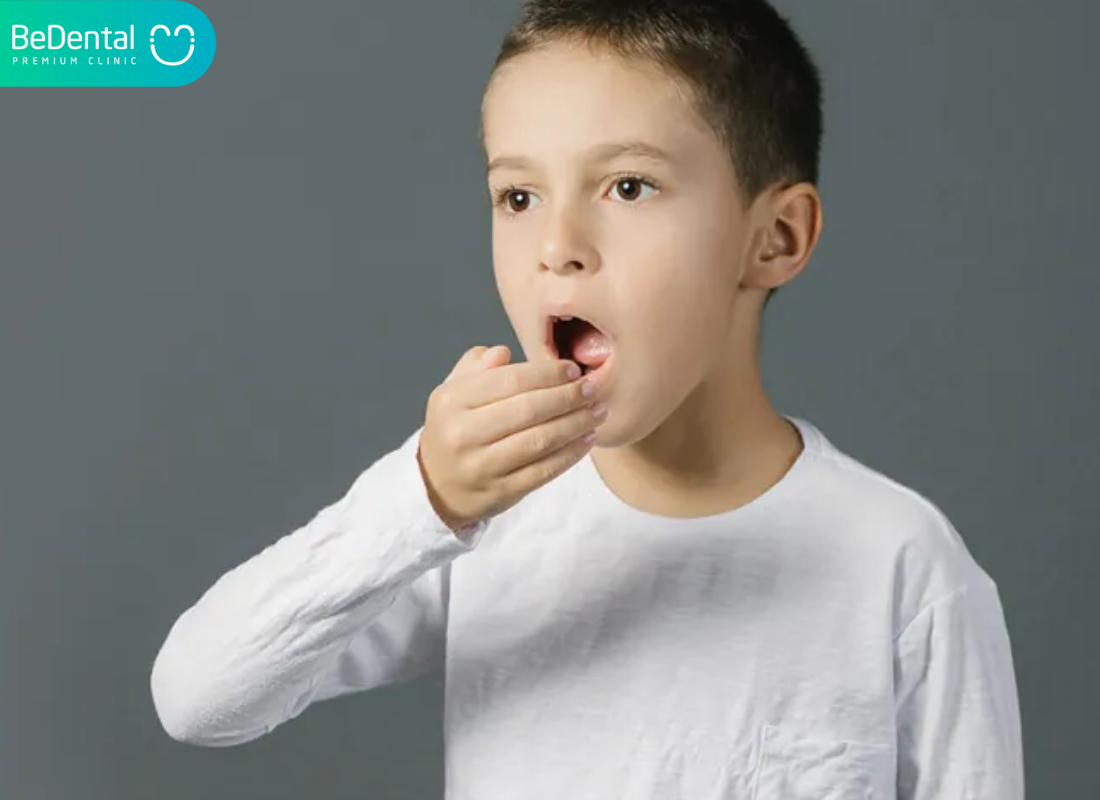
Bad breath occurs when odor-producing bacteria break down food particles, dead cells, or proteins in the mouth, releasing volatile sulfur compounds (VSCs). In children, this process is often intensified due to immature oral hygiene habits, mouth breathing, or untreated dental problems.
It is important to distinguish between:
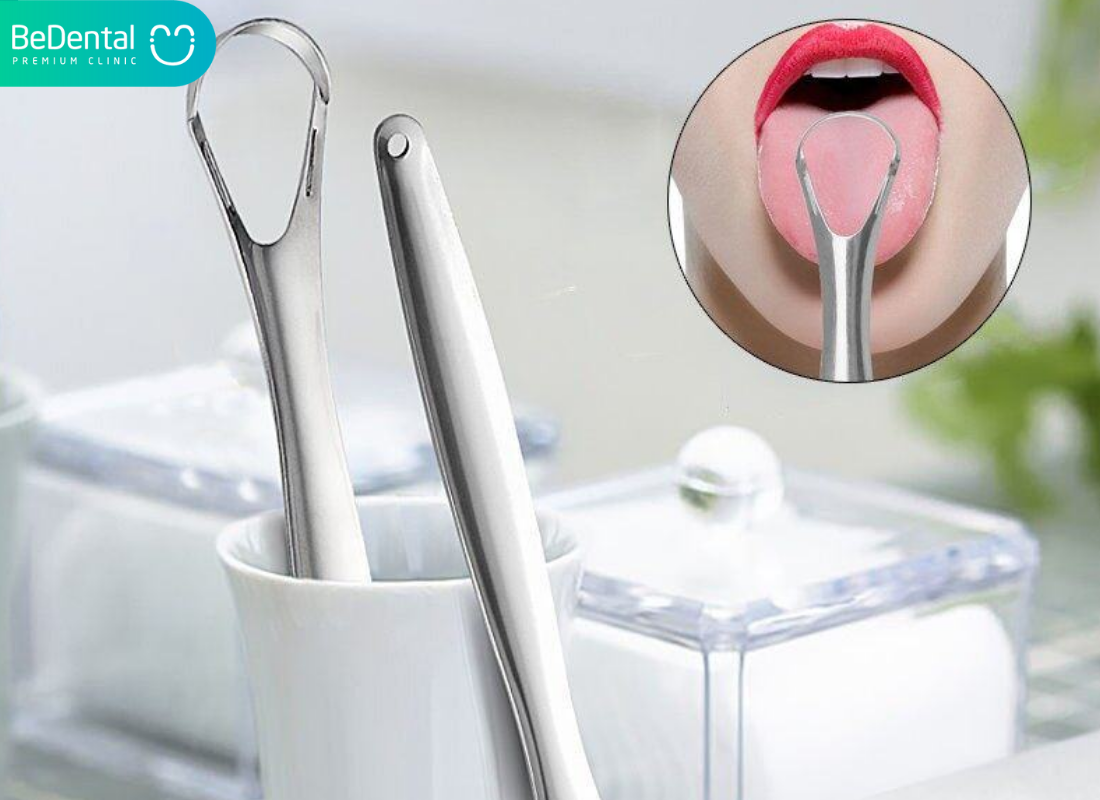
See more: What is tongue scraping? 10 things you need to know
| Criteria | Temporary Bad Breath (Physiological Halitosis) | Chronic Bad Breath (Pathological Halitosis) |
| Definition | A short-term odor caused by normal physiological factors. | Persistent unpleasant odor caused by an underlying health condition. |
| Common Triggers / Causes | • After waking up due to reduced saliva flow during sleep
• After eating strong-smelling foods such as garlic, onions, fermented foods, or certain spices • During dehydration, fasting, or stress |
• More than 85% originate from oral causes
• Gum disease (gingivitis or periodontitis) • Heavy tongue coating with bacterial buildup • Tooth decay, dental abscesses, or faulty restorations • Chronic dry mouth (xerostomia) |
| Duration | Short-term and usually resolves quickly with brushing, hydration, or rinsing. | Persistent and recurring throughout the day, even after brushing or using mouthwash. |
| Associated Symptoms | Typically no additional symptoms. | May be associated with bleeding gums, tooth pain, dry mouth, or digestive discomfort. |
| Severity Level | Not considered a disease. | Often indicates an underlying oral or systemic health issue. |
| Treatment Approach | Improves with proper oral hygiene and hydration. | Cannot be effectively treated with home remedies alone; requires professional diagnosis and care. |
| Clinical Importance | Common and usually harmless. | Early diagnosis is essential to eliminate the root cause and prevent long-term oral health complications. |
When Home Care Is Not Enough
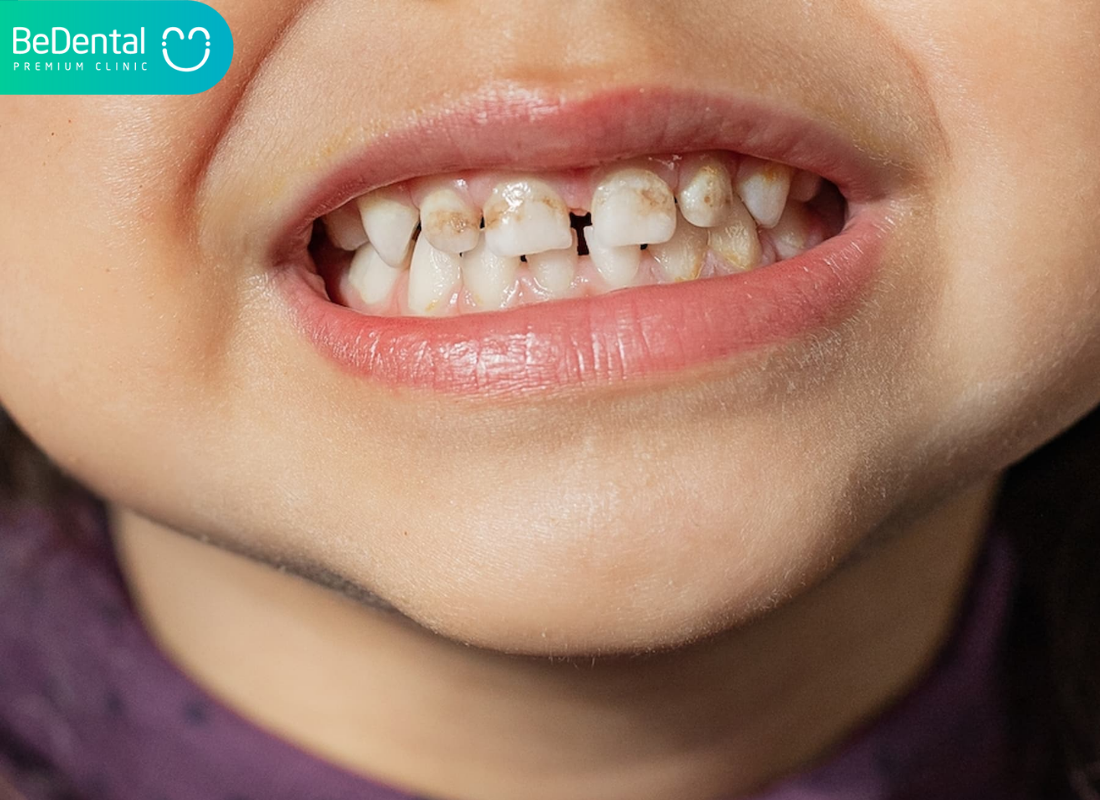
While improved brushing, hydration, and diet can resolve many mild cases of bad breath, there are situations where professional evaluation becomes essential. Parents should not assume that persistent halitosis is a normal phase, especially in children.
You should seek dental or medical care if:
- Bad breath continues for more than 2–3 weeks despite consistent brushing, tongue cleaning, flossing, and adequate water intake. This often suggests an underlying cause that home care cannot address.
- Gums bleed easily, appear red, or are swollen, which may indicate gingivitis or early gum infection.
- Your child complains of tooth pain, sensitivity, or discomfort while chewing, common signs of cavities or dental infection.
- Breath odor is strong, unpleasant, and present throughout the day, not just in the morning or after meals.
- Additional symptoms develop, such as fever, sore throat, nasal discharge, mouth breathing, or difficulty swallowing, which may point to sinus, tonsil, or respiratory infections.
Persistent bad breath in children is rarely “normal.” In most cases, it is the body’s warning sign of oral disease, infection, or another medical condition. Early professional evaluation helps identify the cause, prevents complications, and ensures your child receives safe, age-appropriate treatment as soon as possible.
How to Treat Bad Breath in Children
| Treatment | Detailed Explanation | Estimated Cost (VND) |
| Daily Oral Hygiene Guidance | Parents are instructed on age-appropriate brushing techniques using fluoride toothpaste (1,000 ppm for young children; 1,350–1,500 ppm for older children). Brushing twice daily for at least 2 minutes significantly reduces plaque accumulation. Gentle tongue cleaning once daily helps remove odor-producing bacteria, which are responsible for up to 80–90% of halitosis cases. Parental supervision is essential for children under 7–8 years to ensure proper cleaning of back molars and gumlines. | Free guidance during consultation |
| Hydration & Diet Counseling | Adequate hydration stimulates saliva production, which naturally neutralizes acids and washes away bacteria. Saliva flow can decrease by 40–60% during sleep, increasing odor risk. Dietary counseling focuses on reducing sugary snacks (a major contributor to early childhood caries affecting 60–90% of children globally) and encouraging fibrous foods like apples and carrots that mechanically help clean teeth. | Included in consultation |
| Addressing Mouth Breathing | Chronic mouth breathing reduces saliva and increases oral dryness, promoting bacterial overgrowth. Dentists assess for enlarged tonsils, nasal obstruction, allergies, or habitual mouth breathing. If needed, referral to a pediatrician or ENT specialist is recommended. Managing the underlying cause helps prevent recurring halitosis and gum inflammation. | Included in consultation |
| Comprehensive Pediatric Dental Exam | A gentle, child-friendly examination identifies early cavities, gum inflammation (seen in 30–50% of children), tongue coating (present in 40–60% of halitosis cases), and hidden infections. Low-radiation digital X-rays are used only when necessary to detect interproximal decay. Early detection prevents progression to more complex treatment. | Free at BeDental |
| Pediatric Scaling & Polishing | Professional removal of soft plaque and mild tartar that cannot be eliminated at home. This significantly reduces volatile sulfur compounds (VSCs), the primary source of bad breath. The procedure is preventive and minimally invasive. In many cases, scaling alone resolves persistent halitosis within days. | 300,000 – 700,000 |
| Early Gum Therapy (Pediatric Gingivitis Care) | For children with early-stage gum inflammation, gentle sub-gingival cleaning may be performed. Short-term, child-safe antibacterial rinses can be prescribed when appropriate. Early intervention prevents progression to more serious periodontal problems and recurrent odor. Regular monitoring ensures gum tissues return to healthy condition. | 500,000 – 1,200,000 (if required) |
| Tooth-Colored Filling (Early Cavities) | Small composite restorations are used to treat early decay while preserving natural tooth structure. Untreated cavities trap bacteria and food debris, leading to persistent odor. Conservative fillings restore function and eliminate bacterial reservoirs. | 400,000 – 900,000 |
| Pulp Treatment for Baby Teeth | Indicated when infection reaches the pulp but the tooth is still restorable. The procedure removes infected tissue while maintaining the primary tooth until natural exfoliation. Preserving baby teeth supports proper chewing, speech development, and space maintenance. | 800,000 – 1,500,000 |
| Simple Primary Tooth Extraction | Recommended only when the tooth is severely infected or cannot be saved. Extraction eliminates infection and odor immediately. In certain cases, a space maintainer may be advised to prevent misalignment of permanent teeth. | 300,000 – 800,000 |
See more: Bleeding gums and 9 ways to cure at home
Where to Treat Bad Breath in Children in Vietnam
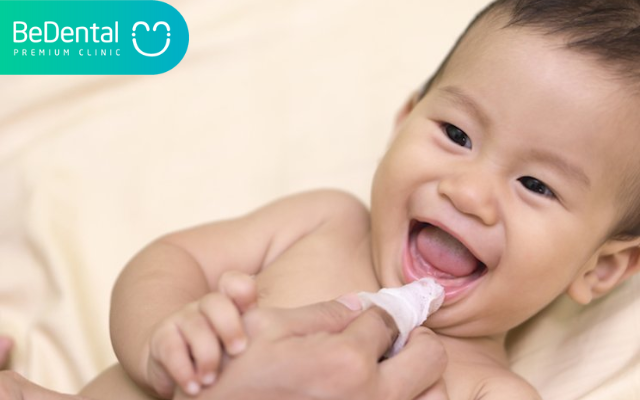
When home care is no longer enough, professional support becomes essential. BeDental is a trusted dental clinic in Vietnam that provides comprehensive care for children with persistent bad breath.
BeDental’s pediatric-friendly approach prioritizes comfort, safety, and age-appropriate treatment. Dentists conduct thorough yet gentle examinations to identify the true source of bad breath—whether it is caused by plaque accumulation, early gum inflammation, heavy tongue coating, untreated cavities, or airway-related issues such as mouth breathing. Clinical research indicates that professional dental cleaning can reduce oral bacterial load by up to 70–80%, significantly improving halitosis symptoms when the cause is oral in origin.
All procedures are carefully adapted for children, ensuring minimal discomfort and a positive dental experience. Early diagnosis is particularly important, as untreated gingivitis in children can progress within months if plaque control remains inadequate. Data also suggest that early intervention in childhood cavities can prevent up to 60% of future restorative complications, reducing long-term treatment complexity.
With a team of experienced pediatric dentists, modern diagnostic tools, and a strong emphasis on preventive education, BeDental helps families not only eliminate bad breath but also build a solid foundation for long-term oral health.
To support both local and international families, BeDental offers multilingual staff who can communicate clearly in English and other languages. The clinic also provides 24/7 support via hotline, WhatsApp, and Viber, making it easy for parents to ask questions, share concerns, and receive timely guidance—whenever they need it.
Rather than masking odor, professional care focuses on long-term oral health, prevention, and education for both children and parents.
See more: Bad Breath and 6 Common Questions

Tư vấn chuyên môn bài viết:
BÁC SĨ DƯƠNG THỊ THÙY NGA
Tại BeDental, khách hàng có thể an tâm điều trị với dịch vụ bảo lãnh viện phí nha khoa nhanh chóng và tiện lợi. BeDental hiện liên kết với nhiều công ty bảo hiểm uy tín, hỗ trợ thanh toán trực tiếp chi phí các dịch vụ nha khoa như nhổ răng, trám răng, điều trị tủy, phục hình răng sứ... Quy trình linh hoạt, minh bạch giúp tiết kiệm thời gian và tối ưu chi phí. Hãy liên hệ BeDental để được tư vấn chi tiết và tận hưởng trải nghiệm chăm sóc răng miệng chuyên nghiệp, không lo gánh nặng tài chính.
🔹 Các đơn vị nha khoa chấp nhận bảo lãnh bao gồm : Hùng Vương Insurance, Bảo Long Insurance, BSH (Bảo hiểm BSH), FWD Insurance Cathay Life Fubon Insurance, Tokio Marine Insurance Group VNI (Bảo hiểm Hàng không), HD Insurance MSIG AAA Insurance PTI (Bảo hiểm Bưu điện), BIDV MetLife, PJICO, Techcom, Insurance, AIA, Dai-ichi Life MIC GIC DBV Insurance VBI (Bảo hiểm VietinBank)
🔹 Các công ty bảo hiểm BeDental có thể xuất hóa đơn: Manulife Dai-ichi Life Prudential AIA Hanwha Life PVI VCLI (Bảo hiểm nhân thọ Vietcombank - Cardif) BIC (Bảo hiểm BIDV), Bảo Việt Insurance và PVI