

 English
 한국어
한국어 日本語
日本語 中文 (中国)


Poor-Quality Porcelain Crowns in Vietnam: Porcelain crowns are one of the most common solutions for restoring severely damaged teeth, maintaining aesthetics, and improving chewing function. In Vietnam, high-quality crowns using modern CAD/CAM technology and certified materials (zirconia, E.max, etc.) are widely available at costs much lower than in Western countries. However, not all dental crowns are created equal.
Poor-quality porcelain crowns, whether due to inexpensive materials, improper technique, or inadequate clinical protocols, can lead to long-term complications. This article explores why poor-quality crowns happen, how to recognize them, the risks involved, and what you can do if you already have one.
What Are Porcelain Crowns?
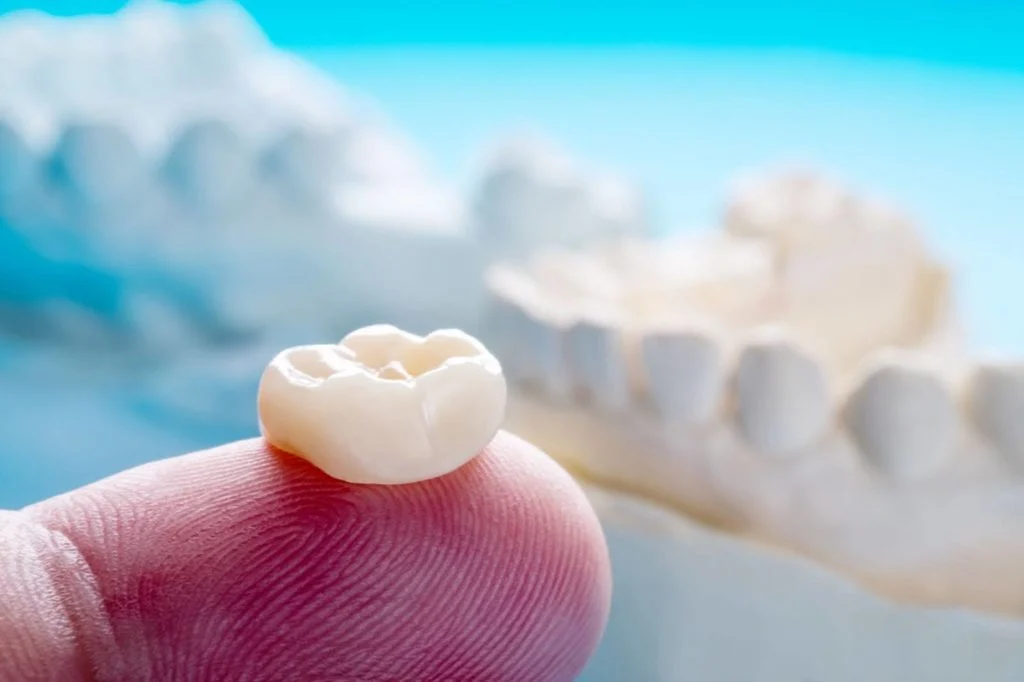
A porcelain crown is a tooth-shaped cap used to restore a tooth that is deeply decayed, cracked, fractured, worn, or after root canal treatment. Crowns protect the remaining tooth structure, restore chewing ability, and provide a natural appearance.
In Vietnam, trusted clinics use digital CAD/CAM 3D systems to design and mill crowns with precise fit, ideal occlusion (bite), and excellent aesthetics. However, cheaper alternatives and poorly executed crowns also exist.
What Defines a Poor-Quality Porcelain Crown?
A poor-quality porcelain crown may have one or more of the following issues:
A poor-quality porcelain crown is not only an aesthetic concern but also a clinical problem that can compromise chewing function, gum health, and the long-term survival of the treated tooth. Such crowns typically result from shortcuts in materials, technology, expertise, or diagnosis. Below are the most common factors that define a low-quality porcelain crown:
- Low-cost clinics using inferior materials
Some dental clinics advertise unusually low crown prices to attract patients, but compensate by using cheap ceramic blends, resin-based porcelain, or metal substructures made from low-grade alloys. These materials are often not FDA- or ISO-certified and lack the strength, translucency, and durability of high-quality ceramics.
As a result, crowns may stain quickly, chip under normal biting forces, or lose their natural appearance within a short time. Metal-based crowns made with poor alloys can also cause dark discoloration at the gum line and increase the risk of gum irritation.
- Absence of digital technology and precision systems
High-quality crowns rely heavily on digital impressions, CAD/CAM design, and computer-guided milling for accuracy. Crowns produced using traditional manual impressions and hand-layered techniques without digital support are more prone to marginal gaps, uneven thickness, and inaccurate contacts with neighboring teeth.
Even small discrepancies can allow bacteria to infiltrate beneath the crown, leading to secondary decay and long-term failure.
- Inexperienced dentists or dental technicians
Crown success depends on both the clinician and the laboratory. Dentists without advanced training in restorative or prosthodontic dentistry may under-prepare the tooth, leave unsupported enamel, or fail to establish proper crown margins. Inadequate bite evaluation can result in crowns that are too high or misaligned.
On the laboratory side, technicians without digital design expertise may fabricate crowns with poor internal structure, weak porcelain layering, or unnatural contours, all of which increase fracture risk.
- Inadequate diagnosis and rushed treatment planning
A porcelain crown should never be placed without thorough evaluation. Proper planning includes assessing the extent of tooth decay or fracture, checking pulp vitality, analyzing bite forces, and determining whether additional procedures, such as root canal treatment, core build-up, or crown lengthening, are necessary.
Skipping diagnostic steps like digital X-rays or CBCT scans often leads to crowns being placed on unstable foundations, increasing the likelihood of pain, infection, or early failure.
Signs You May Have a Poor-Quality Porcelain Crowns in Vietnam
Even well-placed crowns may need adjustments over time. However, the following symptoms often indicate a poor-quality porcelain crown:
Although minor sensitivity or bite adjustments can be normal shortly after crown placement, the following symptoms are strong indicators of a poorly made or improperly fitted porcelain crown:
- Persistent sensitivity or pain during chewing
Ongoing pain when biting may signal excessive occlusal pressure, cracks in the crown, or inflammation caused by poor marginal fit.
- Discomfort when the crown contacts opposing teeth
If the crown feels “high” or uncomfortable when closing your mouth, it can disrupt bite balance, leading to jaw muscle fatigue or TMJ discomfort.
- Visible dark line at the gum margin
A gray or black line near the gums often indicates a metal-based crown or poor porcelain coverage. This not only affects aesthetics but may also be associated with gum recession or inflammation.
- Recurrent bad breath or unpleasant taste

Chronic odor or taste can be a sign of bacterial leakage beneath the crown, often caused by gaps or decay forming underneath.
- Gum irritation, redness, or swelling around the crown
Poorly contoured crowns can trap plaque and food debris, irritating the surrounding gum tissue and increasing the risk of gingivitis or periodontal disease.
- Early chipping or cracking of the crown
Porcelain crowns should withstand normal chewing forces. Chipping or cracking soon after placement suggests weak materials, thin porcelain areas, or improper bite design.
- Loose crown or visible gaps at the edges
A crown that feels unstable or shows gaps along the margins is a serious concern. This allows bacteria to penetrate beneath the crown, accelerating decay and increasing the risk of pulp infection or abscess formation.
If you notice any of these, don’t ignore them, problems under a crown can escalate to decay, pulp infection, or abscess.
Why Poor-Quality Crowns Are Risky
1. Secondary Tooth Decay
Gaps or micro-leakage between the crown and tooth allow bacteria to penetrate and cause decay beneath the crown. This “hidden decay” often goes unnoticed until advanced.
2. Gum Disease and Inflammation
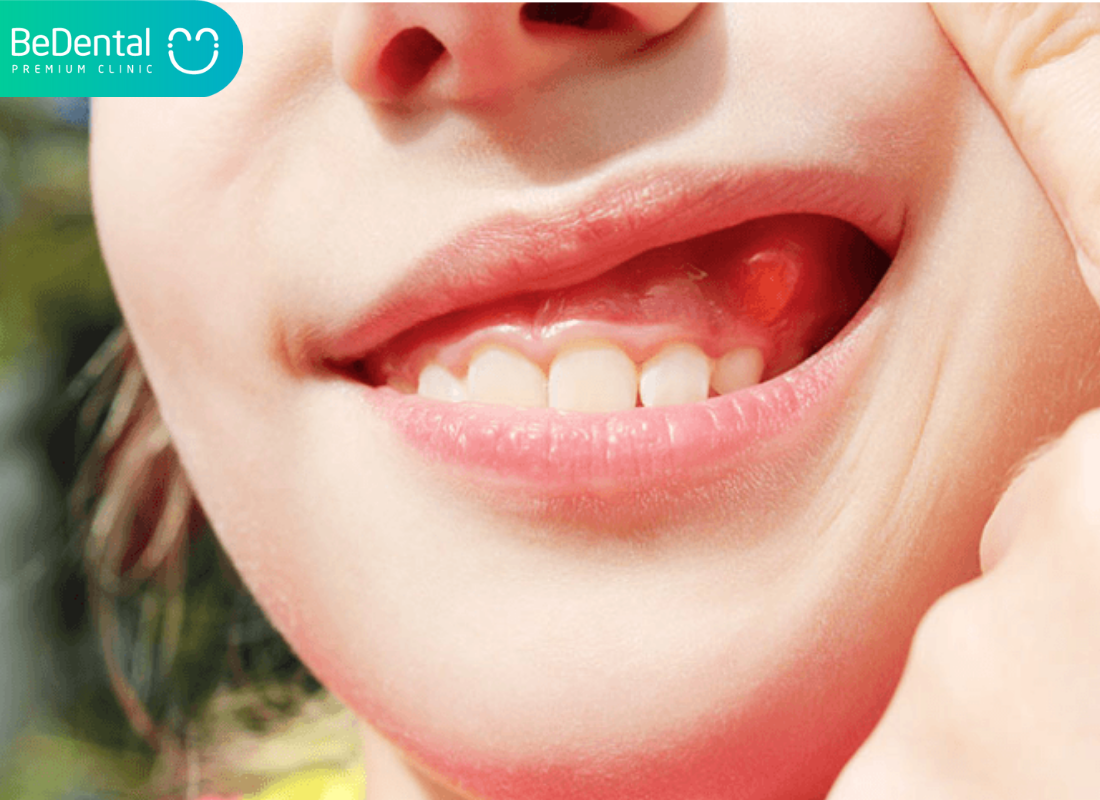
Ill-fitting margins irritate gums, leading to gingivitis or periodontitis, gum recession, or bone loss around the crowned tooth.
3. Fractures & Premature Failure
Inferior materials and poor fit increase the chance of crown chipping, cracking, or detachment, especially on chewing surfaces.
4. Occlusal (Bite) Problems
Incorrect bite alignment causes uneven force distribution. This can result in TMJ discomfort, headaches, adjacent tooth wear, or fractured restorations.
5. Aesthetic Issues
Cheap crowns may discolor, look bulky or unnatural, and fail to match surrounding teeth — defeating the cosmetic purpose.
See more: Should childen get porcelain teeth?
How to Avoid Poor-Quality Porcelain Crowns in Vietnam
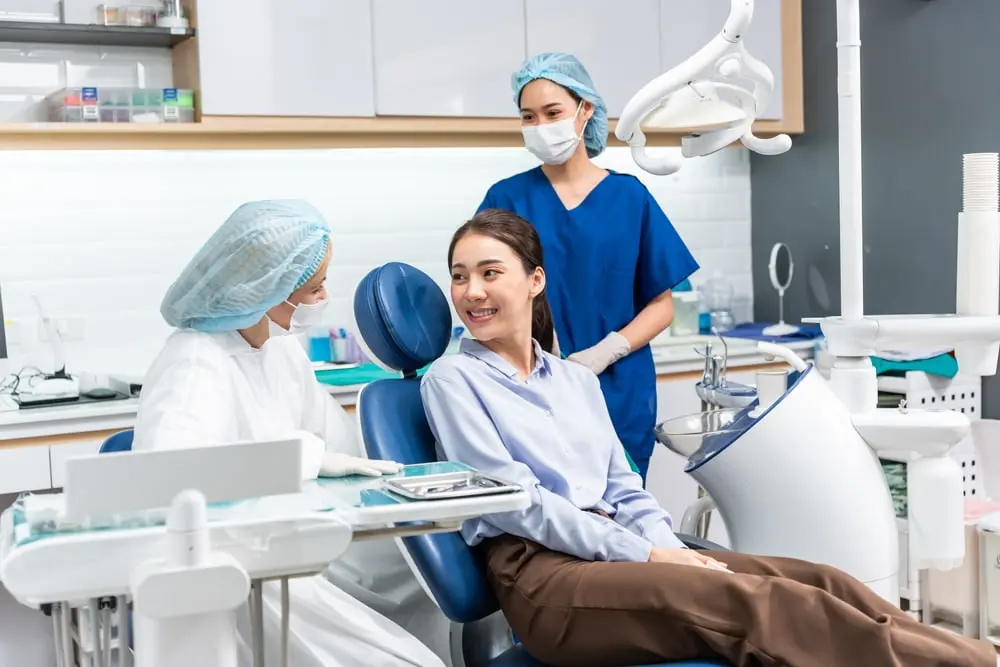
Choosing the right dental clinic and treatment approach is the most effective way to avoid poor-quality porcelain crowns. Below are key factors you should carefully consider, explained in more clinical detail to help you make an informed decision.
- Choose clinics with proven clinical and technical standards
Reputable dental clinics invest in modern technology and follow standardized treatment protocols rather than focusing on volume or speed. Ideally, the clinic should use digital CAD/CAM 3D systems to design and fabricate crowns with high precision. Digital workflows significantly reduce errors in crown margins, contact points, and bite alignment.
In addition, the clinic should offer crowns made from zirconia, E.max (lithium disilicate), or other high-grade porcelain systems known for their strength, biocompatibility, and natural aesthetics. Transparent pricing structures and clearly stated warranties are strong indicators of professionalism. Proper tooth preparation and comprehensive bite analysis should always be mandatory steps, not optional extras.
- Verify materials and international certification
Patients have the right to know exactly what materials are being placed in their mouths. Always ask whether the crown materials are FDA-certified and ISO-approved, as these certifications ensure safety, durability, and long-term biocompatibility. Reputable clinics source their materials from well-known manufacturers such as Nobel Biocare, Straumann, Ivoclar Vivadent, or similar global brands.
While it may be tempting to choose the cheapest option, extremely low prices often reflect compromises in materials or laboratory quality. In dentistry, a slightly higher upfront cost usually translates into better longevity, fewer complications, and lower long-term expenses.
- Ensure treatment is performed by experienced clinicians
Crown success depends heavily on the dentist’s clinical judgment and technical skill. Experienced restorative dentists thoroughly assess the extent of tooth decay or structural damage, determine whether a root canal or core build-up is required, and design crown margins that are strong, precise, and gum-friendly. They also evaluate occlusal harmony, ensuring that the crown distributes biting forces evenly and does not overload surrounding teeth.
Avoid clinics where crown placement appears rushed, performed in a single visit without diagnostics, or completed without digital imaging or bite analysis. These are common warning signs of substandard care.
- Require a try-in and detailed bite check
Before permanent cementation, a high-quality crown should always go through a try-in phase. During this stage, the dentist checks the crown’s fit, contact points, margins, and aesthetics. A careful bite test ensures there are no high spots that could cause pain, fractures, or jaw discomfort over time. The crown margins should feel smooth and snug, without irritating the gums or trapping food.
If adjustments are needed, they should be completed before final bonding, not ignored or postponed.
- Ask for a written warranty and post-treatment support
Reputable clinics are confident in their materials and techniques and therefore offer long-term warranties ranging from 5 to 15 years, depending on the crown type and procedure. A warranty reflects accountability and provides reassurance that the clinic will support you in case of complications, adjustments, or material failure.
Why Choose BeDental for Your Porcelain Crowns in Vietnam?

BeDental is more than a dental clinic – we are your long-term partner in restoration, guiding you through every step of your dental journey in Vietnam with clarity, comfort, and confidence.
1. Expert Restorative Specialists
At BeDental, your treatment begins with a consultation with dentists who specialize exclusively in full-mouth restorative and cosmetic dentistry.
Rather than a one-size-fits-all approach, our doctors:
- Analyze your bite, jaw movement, facial proportions, and oral health
- Design a personalized full-mouth plan that balances aesthetics, function, and longevity
- Focus on preserving natural tooth structure whenever possible
This specialization significantly reduces long-term risks such as bite imbalance, sensitivity, or premature crown failure.
2. Advanced Digital Technology for Maximum Precision
We rely on fully digital workflows to deliver consistent, high-accuracy results:
- Digital intraoral scanners eliminate uncomfortable traditional molds
- CAD/CAM design & milling ensures precise crown margins and optimal fit
- Digital X-rays & 3D imaging allow accurate diagnosis and planning
This technology minimizes the microscopic “gaps” that can occur in traditional full-arch work — the leading cause of decay, bad breath, and crown failure over time.
3. Transparent Pricing & Documented Warranty
We believe trust starts with transparency. At BeDental:
- Every patient receives a clear, itemized treatment plan before starting
- Pricing is fixed — no hidden costs, no last-minute additions, no tourist pricing
- Each crown comes with documented material information and warranty policies
You know exactly what you’re paying for — from materials to timelines — from day one.
4. 0% Interest Installment Plans
Full-mouth restoration is an important investment in your health and confidence. To make treatment more accessible, BeDental offers:
- Flexible, 0% interest installment plans
- Payment options tailored to long-term or multi-stage treatments
This allows you to receive comprehensive care without financial pressure or compromise.
5. 24/7 International Patient Support
We understand that most of our patients travel long distances. That’s why BeDental provides:
- 24/7 support via Viber, Zalo, or WhatsApp
- Ongoing guidance before arrival, during treatment, and after you return home
- Fast responses for questions, adjustments, or peace of mind
No matter your time zone, our team is always within reach — ensuring continuity of care even after your dental holiday ends.
Porcelain crowns are an excellent restorative option for cracked, decayed, or structurally compromised teeth — when done well. In Vietnam, high-quality crown restorations using modern technology and certified materials can offer long-lasting results at a fraction of the international cost.
However, poor-quality crowns can lead to decay, discomfort, gum disease, and early failure. Awareness of the warning signs, understanding what constitutes quality work, and choosing the right clinic and materials are essential for long-term oral health.
If you are considering a crown or concerned about one you already have, seek evaluation from a trusted provider with digital diagnostics, certified materials, and restorative expertise to ensure your smile remains healthy, functional, and beautiful for years.
- The advantage of this method is to restore chewing ability, high aesthetics, prevent complications of tooth loss, preserve maximum real teeth, long life, suitable for many cases of tooth loss.
- Disadvantages of this method are high cost, long implementation time and high technical requirements.
- The cost of dental implants is about 26,000,000 - 45,000,000 VND (single implant) and about 170,000,000 - 325,000,000 VND (full jaw implant).
- Restoration time ranges from 3 - 6 months.
- Requires a highly qualified Doctor: The dental implant process requires a high level of expertise from the doctor to ensure success and avoid unwanted risks.
- Long treatment time: The dental implant process can take a long time, requiring patience from the patient
- Relatively high cost: Dental implants are synonymous with high cost, which is an important factor to consider when choosing a method.
- Tooth longevity: Implant teeth may not have the same lifespan as natural teeth, usually after 5 - 20 years a new porcelain tooth is needed.
- Although there are certain limitations, this method is very effective when performing dental restorations. Dental Implants have the ability to completely restore shape and function like a real tooth