

 English
 한국어
한국어 日本語
日本語 中文 (中国)


Orthodontic Mini-Screws (TADs) in Vietnam
Orthodontic treatment has evolved significantly over the decades. One such innovation is the use of Orthodontic Mini-Screws, also known as Temporary Anchorage Devices (TADs).
In Vietnam, TADs are emerging as a reliable tool to enhance orthodontic efficiency and precision. This article explores everything you need to know — from what mini-screws are, how they work, how they are placed, benefits and risks, treatment duration, cost considerations, and patient care after placement.
What Are Orthodontic Mini-Screws (TADs) in Vietnam?
Orthodontic mini-screws, often referred to as Temporary Anchorage Devices (TADs), are small, screw-like implants typically made from medical-grade titanium alloys. They provide temporary skeletal anchorage during orthodontic treatment, allowing targeted and controlled tooth movement without relying solely on other teeth for support.
Unlike traditional braces that use neighboring teeth as anchors, TADs are fixed directly into the jawbone temporarily and act as stable anchor points. This permits forces to be applied in specific directions, enabling tooth movement that would otherwise be difficult or time-consuming with traditional mechanics alone.
The American Association of Orthodontists recognizes TADs as an important adjunctive tool in modern orthodontics when conventional anchorage is insufficient or would cause undesirable tooth movement.
See more: Dental Implant Price in Vietnam – Cost, Quality, and International Standards Explained
Why Mini-Screws Are Used in Orthodontic Treatment
Traditional orthodontic treatment relies on dental anchorage — using certain teeth to help move others. However, in complex cases, this method can be inefficient or counterproductive, causing unwanted movement of anchoring teeth.
Mini-screws address these limitations by providing direct skeletal anchorage. Key reasons orthodontists use TADs include:
- Improved control over tooth movement — Enables precise forces to be applied in directions that would otherwise be difficult
- Reduced reliance on patient compliance — Forces are stable and do not depend on elastic wear
- Expanded treatment options — Facilitates movements like intrusion (pushing teeth into bone), extrusion, and distalization
- Shortened treatment time — Efficient anchorage can reduce overall orthodontic duration
- Elimination of headgear in some cases — Alternative to bulky external appliances
According to professional guidance from dental associations, TADs are especially useful in adults and complex cases where skeletal anchorage improves outcomes relative to relying solely on teeth.
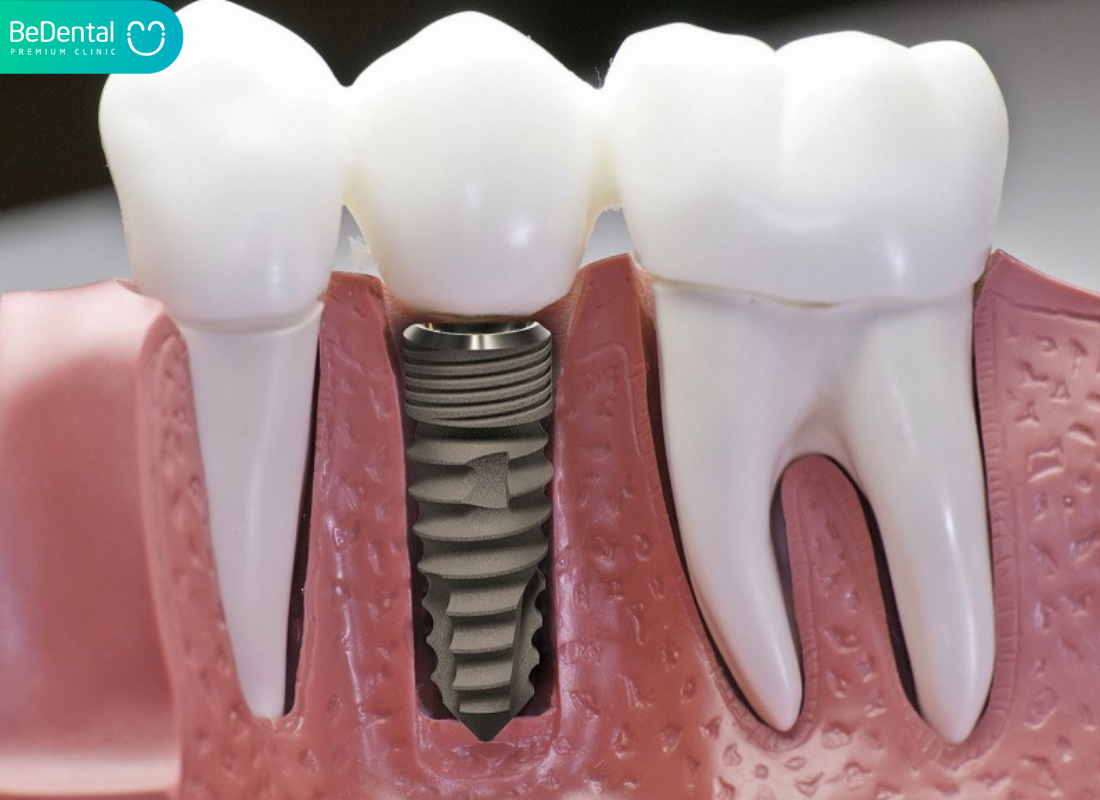
Common Orthodontic Cases Requiring Orthodontic Mini-Screws (TADs) in Vietnam
Mini-screws provide anchorage in situations where tooth movement is otherwise limited or unpredictable. Typical scenarios include:
1. Common Orthodontic Cases Requiring Orthodontic Mini-Screws (TADs) in Vietnam: Severe Crowding
When space is limited, TADs can help retract teeth efficiently without compromising surrounding dental structures.
2. Common Orthodontic Cases Requiring Orthodontic Mini-Screws (TADs) in Vietnam: Deep Bite Correction
Intruding upper front teeth or molars is more controlled with skeletal anchorage.
3. Common Orthodontic Cases Requiring Orthodontic Mini-Screws (TADs) in Vietnam: Open Bite Management
Correcting anterior open bites requires precise vertical control, often aided by mini-screws.
4. Common Orthodontic Cases Requiring Orthodontic Mini-Screws (TADs) in Vietnam: Distalization of Teeth
Moving upper molars backwards (distalization) for bite correction can be accomplished without external headgear.
5. Common Orthodontic Cases Requiring Orthodontic Mini-Screws (TADs) in Vietnam: Intrusion or Extrusion of Specific Teeth
TADs can help raise or lower individual teeth without affecting others.
6. Common Orthodontic Cases Requiring Orthodontic Mini-Screws (TADs) in Vietnam: Space Closure After Extractions
TADs help manage space closure after extractions in a targeted, controlled manner.
7. Common Orthodontic Cases Requiring Orthodontic Mini-Screws (TADs) in Vietnam: Asymmetric Movements
When one side of the bite needs correction independently, TADs provide focused anchorage.
By providing stable anchorage, mini-screws permit movements that are difficult or impossible with traditional braces alone. This expands treatment possibilities, particularly for patients with complex malocclusions.
To be clear, let’s take a look at the specific conditions where this technology is most frequently applied. The following table identifies the orthodontic challenges that most often benefit from the stability of mini-screws:
| Orthodontic Condition | Percentage of Cases Using Orthodontic Mini-Screws (TADs) in Vietnam (%) | Clinical Priority |
| Severe crowding | 25% | Creating space without shifting back teeth. |
| Deep bite correction | 20% | Intruding front teeth to improve jaw alignment. |
| Open bite cases | 15% | Closing the vertical gap between arches. |
| Molar distalization | 15% | Pushing molars back to resolve crowding. |
| Space closure after extraction | 10% | Pulling teeth together efficiently. |
| Asymmetrical bite correction | 10% | Correcting midline shifts or lopsided bites. |
| Other complex movements | 5% | Specialized adjustments for unique anatomy. |
As the data illustrates, mini-screws are most commonly used in severe crowding and deep bite cases, which together account for nearly half of all TAD-assisted treatments. These are precisely the situations where traditional anchorage—relying solely on other teeth—is often insufficient to provide the necessary force without causing unwanted side effects.
At BeDental, our clinicians prioritize a “benefit-first” approach. We carefully evaluate each case using advanced diagnostic imaging to determine if TADs will truly enhance efficiency or reduce your overall treatment time. By ensuring that these advanced techniques are only applied when they provide clear clinical advantages, we maintain a focus on patient comfort while delivering the highest level of orthodontic precision.
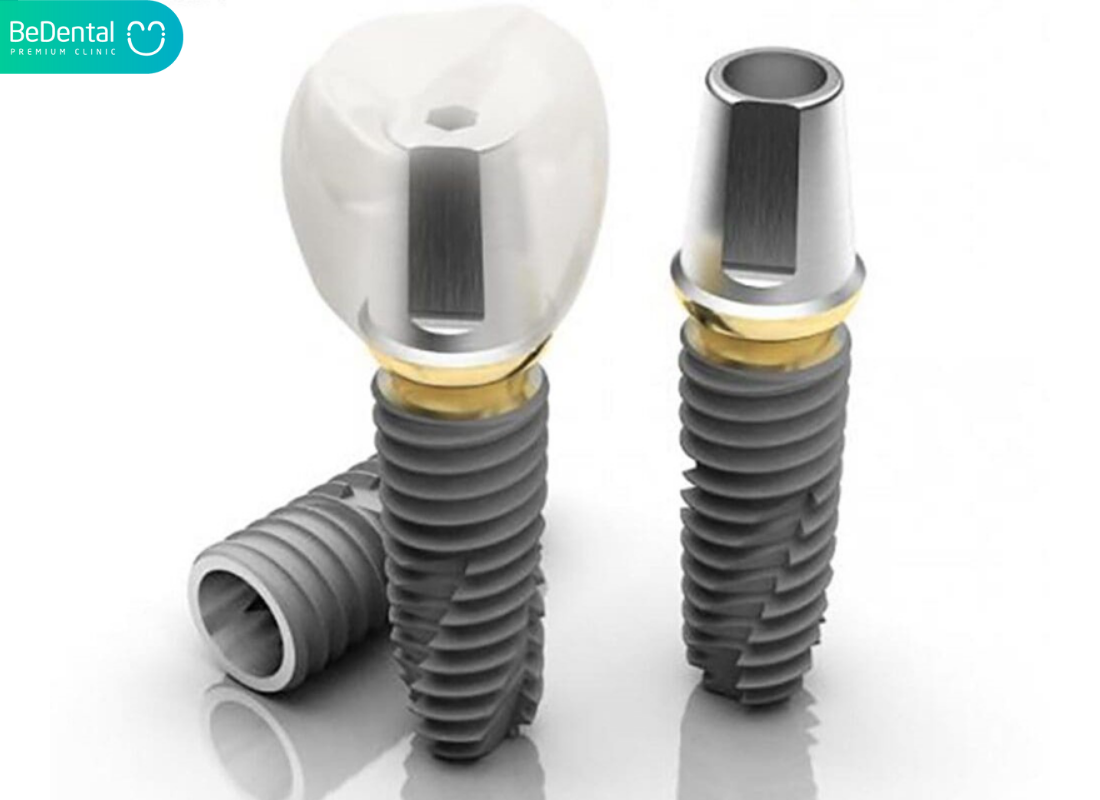
Benefits of Orthodontic Mini-Screws
Mini-screws offer multiple advantages in modern orthodontics:
1. Improved Treatment Efficiency
TADs permit controlled force application, which can reduce overall treatment duration.
2. Greater Control Over Tooth Movement
Anchorage is fixed directly in bone, minimizing unwanted shifts in other teeth.
3. Reduced Reliance on Patient Compliance
Unlike elastics or removable appliances, TADs are fixed, making success less dependent on patient behavior.
4. Expanded Treatment Possibilities
TADs make certain tooth movements possible without surgical intervention or bulky extraoral appliances.
5. Enhanced Predictability
Because forces can be precisely directed, outcomes are more predictable.
6. Minimally Invasive and Temporary
TAD placement is minimally invasive and the devices are removed once they are no longer needed.
The American Association of Orthodontists and other professional bodies support the use of TADs when they align with evidence-based treatment planning and appropriate case selection.
Orthodontic Mini-Screws (TADs) in Vietnam Placement Procedure
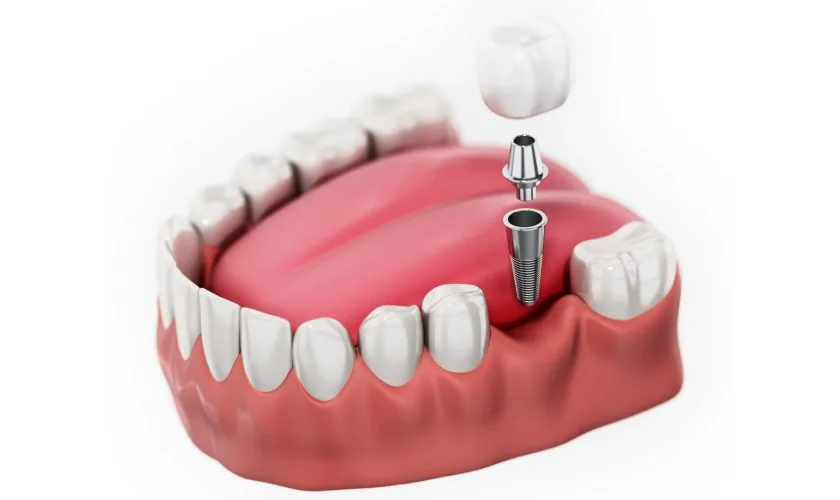
Orthodontic mini-screw placement is a carefully controlled and relatively quick procedure. It involves several key steps:
1. Pre-Treatment Evaluation
A comprehensive examination, including digital imaging and bite analysis, determines the best placement sites based on bone quality and root proximity.
2. Site Selection
Placement sites vary depending on treatment goals. Common areas include between tooth roots in the upper or lower jaw where bone density supports anchorage.
3. Local Anesthesia
Placement is performed under local anesthesia to ensure patient comfort.
4. Screw Insertion
The mini-screw is gently inserted into the bone using precise instruments. The process is usually quick and well tolerated.
5. Orthodontic Force Application
Once in place, TADs serve as anchorage points for elastics, springs, or other orthodontic mechanics to move teeth as planned.
6. Healing and Monitoring
Initial healing takes a short period, typically a few days to a week. Follow-up visits ensure stable integration and monitor ongoing orthodontic movement.
7. Removal
Once anchorage is no longer needed, TADs are removed easily in an outpatient visit.
Pain and Recovery After Mini-Screw Placement
Most patients tolerate mini-screw placement well. Because the procedure is performed under local anesthesia, discomfort during placement is minimal.
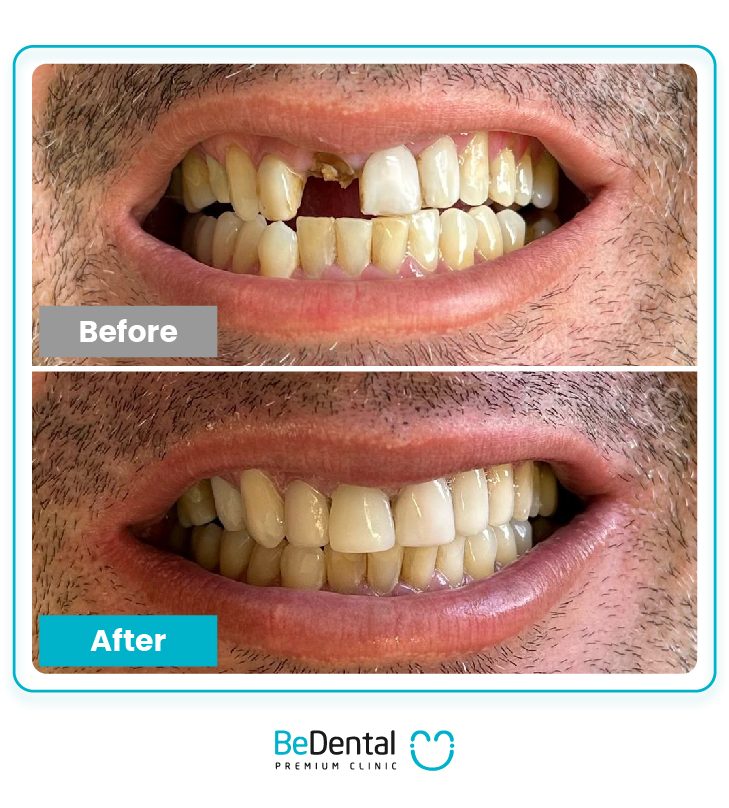
After Placement
After the anesthesia wears off:
- Mild discomfort or pressure may be experienced
- Over-the-counter pain relievers are often sufficient
- Soft foods and gentle oral hygiene help during the first 24–48 hours
Healing Timeline
Soft tissues typically adapt quickly, and most patients return to normal activities within a day or two. Full healing at the placement site may take a week or more, but active orthodontic use can continue once the screw feels stable.
BeDental ensures patients receive post-placement care instructions tailored to comfort and recovery.
The table below shows that pain associated with mini-screw placement is generally low and short-lived, with most discomfort occurring within the first 24–48 hours and rarely exceeding a mild level (4/10). Compared to other dental procedures, TAD placement is considered minimally invasive and well tolerated.
| Stage / Condition | Pain Level (Scale 1–10) | Duration | Common Symptoms | Management |
| During placement (with local anesthesia) | 0 – 1 | Immediate | No pain, slight pressure | Local anesthesia ensures comfort |
| First 24 hours after placement | 2 – 4 | 1 day | Mild soreness, pressure, slight gum sensitivity | OTC pain relievers, soft diet |
| 24–72 hours after placement | 1 – 3 | 2–3 days | Decreasing discomfort, mild irritation | Normal eating (soft foods), oral hygiene |
| 3–7 days (healing phase) | 0 – 2 | Up to 1 week | Minimal discomfort, tissue adaptation | Routine care, monitoring |
| After stabilization (active use phase) | 0 – 1 | Ongoing | No pain, normal function | Regular orthodontic follow-up |
At BeDental, patient comfort is a top priority. The clinic applies precise placement techniques, clear post-care instructions, and continuous follow-up, helping patients manage discomfort effectively and recover quickly. This structured approach ensures that mini-screws not only improve treatment efficiency but also maintain a positive and comfortable patient experience throughout the orthodontic journey.
Orthodontic Mini-Screws (TADs) in Vietnam for Adults vs. Adolescents
Orthodontic Mini-Screws (TADs) in Vietnam for Adults
Adults increasingly seek orthodontic treatment, often for complex bite issues or aesthetic improvements. TADs are particularly useful in adults because:
- Skeletal discrepancies may be more pronounced
- Bone density supports stable anchorage
- TADs reduce the need for more invasive procedures
Orthodontic Mini-Screws (TADs) in Vietnam for Adolescents
While adolescents benefit from growing bone and often respond quickly to tooth movement, TADs can still provide precision anchorage when needed. Growth patterns are considered carefully, and TAD placement may be timed for optimal results.
The Vietnam Dental Association emphasizes that age alone is not a barrier — suitability depends on clinical evaluation, bone quality, and treatment goals.
TADs are particularly suitable for adult patients (up to 70%), where complex tooth movement and reduced biological flexibility require stronger anchorage. BeDental frequently recommends mini-screws for adult orthodontics, helping achieve more precise and efficient outcomes without invasive surgery. This table below show detail suitability rate:
| Patient Group | Suitability Rate (%) |
| Teenagers (13–18) | 35% |
| Young adults (19–30) | 60% |
| Adults (31–45) | 70% |
| Adults (45+) | 50% |
Treatment Duration With Orthodontic Mini-Screws (TADs) in Vietnam
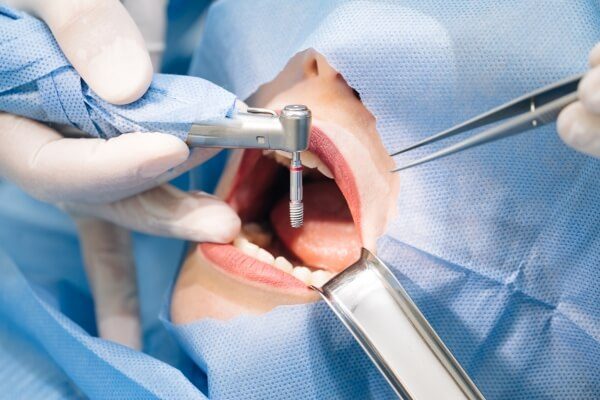
Orthodontic mini-screws often help shorten treatment duration by providing stable anchorage that speeds up difficult movements. Examples include:
- Intrusion of molars to correct deep bite
- Distalization of teeth without external appliances
- Space closure after extraction
By eliminating the “tug-of-war” that often occurs between teeth when using traditional anchorage, mini-screws ensure that every ounce of force is directed toward correction rather than stabilization.
This increased mechanical efficiency doesn’t just improve precision—it also has a measurable impact on your lifestyle by reducing the total number of months spent in braces. To understand how this technology can accelerate your journey, let’s compare the average treatment timelines for various conditions with and without the assistance of TADs:
| Treatment Type | Average Duration Without TADs | With TADs | Time Reduction (%) |
| Severe crowding | 24 – 30 months | 18 – 24 months | 20% – 25% |
| Deep bite correction | 18 – 24 months | 14 – 18 months | 20% |
| Molar distalization | 20 – 28 months | 16 – 22 months | 15% – 20% |
| Space closure | 18 – 26 months | 14 – 20 months | 20% |
TADs can reduce treatment time by 15–25%, especially in complex cases requiring controlled tooth movement. BeDental leverages this advantage by integrating mini-screws into strategic treatment planning, allowing patients to achieve faster yet stable orthodontic outcomes.
Cost of Orthodontic Mini-Screws (TADs) in Vietnam
The cost of TADs in Vietnam varies based on factors including:
- Clinic reputation and technology
- Number of mini-screws required
- Overall orthodontic treatment complexity
- Diagnostic imaging and follow-up care
In many parts of the world, the addition of mini-screws can make orthodontic care prohibitively expensive. However, Vietnam has emerged as a premier destination for specialized dentistry by offering these high-tech solutions at a fraction of the global cost.
To help you plan your treatment journey, the following table provides a comprehensive look at how the cost of mini-screws in Vietnam compares to regional neighbors and Western countries. This comparison highlights why Vietnam is becoming a top choice for both local and international patients seeking value without sacrificing clinical excellence:
| Location | Cost per Mini-Screw (USD) | Total TAD Treatment Add-on (USD) |
| Hanoi | 80 – 150 | 300 – 800 |
| Ho Chi Minh City | 100 – 180 | 400 – 1,000 |
| Vietnam Average | 90 – 160 | 350 – 900 |
| Thailand | 150 – 300 | 600 – 1,200 |
| Malaysia | 200 – 350 | 800 – 1,500 |
| Singapore | 300 – 500 | 1,200 – 2,500 |
| USA | 400 – 800 | 1,500 – 3,500 |
| UK | 350 – 700 | 1,200 – 3,000 |
The cost of TADs in Vietnam remains relatively affordable compared to global standards, with slight variations between Hanoi and Ho Chi Minh City. BeDental provides transparent pricing and clear treatment plans, ensuring patients understand both the cost and the value of improved efficiency and outcomes when using mini-screws.
Vietnam offers significantly lower costs (up to 60–70% savings) for TAD-assisted orthodontics compared to Western countries. BeDental combines this cost advantage with international-standard protocols and modern technology, making advanced treatments accessible without compromising quality.
Here is our dental price list for reference:
| List | Unit | Price |
|---|---|---|
| Dentium Implant from USA (More detail...) | 1 Unit | 21.000.000 ~ 825$ |
| Dentium Implant from Korea (More detail...) | 1 Unit | 18.000.000 ~ 707$ |
| Osstem Implant from Korea (More detail...) | 1 Unit | 18.000.000 ~ 707$ |
| Tekka Implant from France (More detail...) | 1 Unit | 25.000.000 ~ 982$ |
| Implant SIC from Sweden (More detail...) | 1 Unit | 28.000.000 ~ 1100$ |
| Implant Nobel from Sweden Implant SIC from Sweden (More detail...) | 1 Unit | 32.000.000 ~ 1257$ |
| Implant Neodent Straumann BLT SLA from Sweden (More detail...) | 1 Unit | 35.000.000 ~ 1375$ |
| Implant Neodent Straumann BLT SLAactive from Sweden (More detail...) | 1 Unit | 39.000.000 ~ 1500$ |
| Implant Neodent Straumann BLX from Sweden (More detail...) | 1 Unit | 45.000.000 ~ 1700$ |
| Bone Grafting (More detail...) | 1 Unit | 5.000.000 ~ 196$ |
| Closed Sinus Lift | 1 Unit | 6.000.000 ~ 236$ |
| Open sinus lift | 1 Unit | 10.000.000 ~ 394$ |
| Oeriosteum Grafting | 1 Unit | 8.000.000 ~ 315$ |
| PRF membrane | 1 Unit | 2.000.000 ~ 79$ |
| For the All-On-4 and All-On-6 full-mouth dental implant service, the cost of implant placement will be calculated as follows: Full-mouth dental implant price = (Number of Implant pillars x price) + Upper denture | ||
| Function Structure Explanation | Unit | Price |
| Cobalt-Chrome dental frame: - Chrome-Cobalt cast frame, direct ceramic coating - Handcrafted. - Paramagnetic: must be removed when taking MRI | 1 unit | 2.500.000 ~ 100usd |
| IBar dental frame : - Pure Titanium support frame - Base, dentures and porcelain teeth made of 3D Pro ML metal-free porcelain teeth - 100% manufactured with CAD/CAM technology - Can take MRI without removing the jaw | 1 unit | 3.000.000 ~ 120usd |
| G Cam dental frame : Priority is given to replacing Ivobase dentures with new materials that have better chewing ability and are more durable. | 1 unit | 3.000.000 ~ 120usd |
| Thimble dental frame: - Support frame made of pure Titanium - Porcein base and false gums - 3D Pro ML metal-free porcelain teeth are made separately and attached to the frame - 100% manufactured using CAD/CAM technology - Can take MRI without removing the jaw. | 1 unit | 4.500.000 ~180usd |
| HyberDent dental frame : - Support frame made of pure Titanium - Base made of Pekk micro-elastic material - False gums made of Sofu composite - Separate 3D Multilayer Ziconia porcelain teeth attached to the frame | 1 unit | 8.000.000 ~ 320usd |
| full Zirconia dental frame: Made entirely of Zirconia, limited indications, risk of jaw fracture. | 1 unit | 5.000.000 ~200usd |
| Ivobase dental frame - Pure Titanium support frame - Sofu bioceramic base + teeth. | 1 unit | 2.500.000 ~ 100usd |
| Removable dental frame on bar: - Support bar made of pure Titanium, produced in one piece CAD/CAM - Jaw clamp and jaw connection made of Titanium CAD/CAM - Jaw base and porcelain teeth are the same as the fixed jaw above | 1 jaws | removeable restoration + 10.000.000 |
| Removable dental frame on ball - Use the available connection of the Implant company - Can only make the jaw with Acrylics plastic. (teeth and jaw base are made of Acrylics plastic) | 1 unit | 2.500.000 ~ 100usd |
| Fixed temporary denture without frame | Free | |
| Fixed temporary denture with supporting frame | Free | |
| Removable temporary denture | Free | |
| Temporary foundation and cosmetic wax pillow | Free | |
| Aesthetic test print function | Free | |
Orthodontic Mini-Screws (TADs) in Vietnam at BeDental
BeDental is a trusted dental clinic in Vietnam offering advanced orthodontic solutions, including mini-screw-assisted treatment.
BeDental conducts a thorough pre-treatment assessment that includes:
- Digital imaging using CAD/CAM
- Bite analysis
- Bone quality evaluation
- Personalized treatment planning
The clinic uses modern diagnostic tools and precision placement techniques to ensure optimal mini-screw integration and controlled force application. BeDental emphasizes patient education, clear communication about expectations, and tailored aftercare instructions.
Whether treating complex adult cases or enhancing adolescent orthodontics, BeDental’s approach integrates clinical excellence with patient comfort and long-term stability.
Frequently Asked Questions About Orthodontic Mini-Screws
Are mini-screws permanent?
No. They are temporary anchorage devices placed during active orthodontic treatment and removed when no longer needed.
Do mini-screws leave scars?
When removed, mini-screws typically leave minimal or no scarring. Soft tissue heals quickly.
Are mini-screws painful?
Placement is performed under local anesthesia. Discomfort after placement is usually mild and temporary.
Can mini-screws fail?
Rarely, mini-screws may loosen or be repositioned. Experienced clinicians monitor devices to ensure stability.
Will mini-screws be visible?
Mini-screws are small and often placed where they are not easily seen. The focus is on function rather than visibility.
If you are seeking faster, more accurate orthodontic outcomes — especially for complex cases — orthodontic mini-screws may be a suitable option. A professional consultation with an experienced orthodontic team like BeDental will help determine the most appropriate approach for your individual needs and goals.
Orthodontic care is an investment in both function and confidence, and with the right expertise and planning, it can be both efficient and lasting
See more: Cosmetic Porcelain Crown in Vietnam: The Ultimate Smile Transformation


Tư vấn chuyên môn bài viết:
BÁC SĨ DƯƠNG THỊ THÙY NGA
Tại BeDental, khách hàng có thể an tâm điều trị với dịch vụ bảo lãnh viện phí nha khoa nhanh chóng và tiện lợi. BeDental hiện liên kết với nhiều công ty bảo hiểm uy tín, hỗ trợ thanh toán trực tiếp chi phí các dịch vụ nha khoa như nhổ răng, trám răng, điều trị tủy, phục hình răng sứ... Quy trình linh hoạt, minh bạch giúp tiết kiệm thời gian và tối ưu chi phí. Hãy liên hệ BeDental để được tư vấn chi tiết và tận hưởng trải nghiệm chăm sóc răng miệng chuyên nghiệp, không lo gánh nặng tài chính.
? Các đơn vị nha khoa chấp nhận bảo lãnh bao gồm : Hùng Vương Insurance, Bảo Long Insurance, BSH (Bảo hiểm BSH), FWD Insurance Cathay Life Fubon Insurance, Tokio Marine Insurance Group VNI (Bảo hiểm Hàng không), HD Insurance MSIG AAA Insurance PTI (Bảo hiểm Bưu điện), BIDV MetLife, PJICO, Techcom, Insurance, AIA, Dai-ichi Life MIC GIC DBV Insurance VBI (Bảo hiểm VietinBank)
? Các công ty bảo hiểm BeDental có thể xuất hóa đơn: Manulife Dai-ichi Life Prudential AIA Hanwha Life PVI VCLI (Bảo hiểm nhân thọ Vietcombank - Cardif) BIC (Bảo hiểm BIDV), Bảo Việt Insurance và PVI