

 English
 한국어
한국어 日本語
日本語 中文 (中国)


What to Avoid When Wearing Braces in Vietnam — Complete Guide for a Successful Treatment Braces are one of the most common solutions for correcting dental misalignment, bite problems, and improving overall oral health. In Vietnam, braces treatment has become increasingly accessible, with options ranging from traditional metal braces to ceramic and clear aligner systems. While braces are highly effective, their success depends not only on the orthodontist’s skill but also on how well patients follow care instructions.
This comprehensive guide explains what to avoid when wearing braces in Vietnam, practical tips for daily care, and how reputable clinics like BeDental support patients throughout their orthodontic journey.
Why Knowing What to Avoid When Wearing Braces in Vietnam Matter?
Braces work by applying gentle, controlled force to move teeth into their ideal positions over time. The process involves adjustments to bone and periodontal structures, and teeth become more vulnerable during certain phases of treatment. Anything that interferes with this delicate balance — from improper brushing to eating hard foods — can negatively affect outcomes.
Dental associations emphasize that successful orthodontic treatment requires a combination of professional care and patient responsibility. When patients understand what to avoid, they can reduce the risk of:
- Broken brackets or bent wires
- Tooth decay and gum inflammation
- Prolonged treatment time
- Relapse after appliance removal
- Discomfort and complications
In Vietnam, where dietary habits and food culture include many traditional staples, being mindful of braces restrictions is especially important for preventing damage and maintaining oral health.
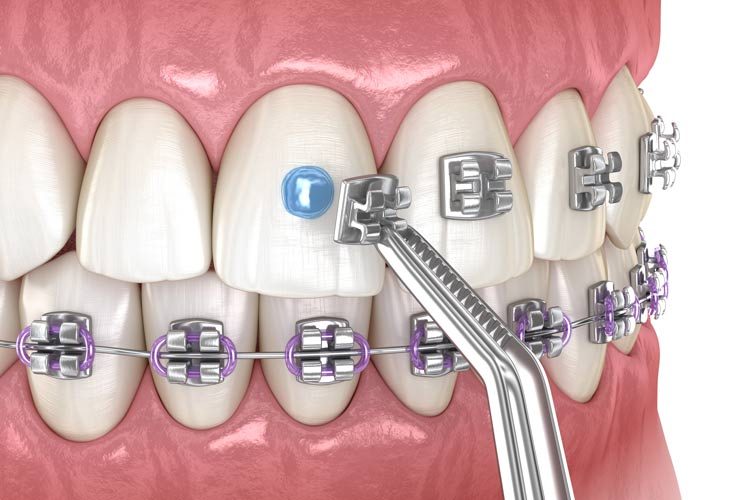
Orthodontic Relapse Rate After Braces Treatment
Achieving a perfectly aligned smile is a sophisticated biological journey that relies on a partnership between the orthodontist’s skill and the patient’s daily habits. While the braces do the heavy lifting of reshaping bone and moving teeth, their success is incredibly fragile. During treatment, your teeth are in a state of transition, making them more susceptible to external pressures, dietary choices, and hygiene lapses.
Understanding the risks of non-compliance is essential to protecting your investment. To illustrate why professional guidance—and especially the “retention phase”—is so critical, the following data examines the likelihood of teeth shifting back to their original positions under various conditions. These figures underscore the reality that the most beautiful results are preserved through discipline, not just luck:
| Scenario After Braces Removal | Relapse Rate (%) |
| Proper retainer use (full compliance) | 5% – 10% |
| Irregular retainer use | 20% – 30% |
| No retainer use | 50% – 70% |
| Poor oral habits (tongue thrust, mouth breathing) | 25% – 40% |
| Untreated wisdom teeth impact | 15% – 25% |
| Long-term (>5 years) without follow-up | 30% – 50% |
Relapse remains one of the most significant long-term challenges in orthodontics, with rates reaching a staggering 70% in patients who completely abandon their retainers. This data highlights a fundamental truth: teeth have a “biological memory” and will naturally attempt to drift back without proper retention and habit control.
At BeDental, we bridge this gap through a comprehensive retention protocol. By providing custom-made retainers, detailed post-treatment education, and scheduled long-term follow-ups, we ensure our patients are never left to navigate the post-braces phase alone. We focus on teaching you not just how to reach the finish line, but how to stay there—protecting your confident new smile for a lifetime.
See more: Braces Treatment Duration in Vietnam — What to Expect and How to Plan
What to Avoid When Wearing Braces in Vietnam: What Kind of Foods?
What to Avoid When Wearing Braces in Vietnam? Food choices play a major role in how comfortable and efficient your braces treatment will be. Certain foods are more likely to damage orthodontic appliances or increase the risk of dental problems.
1. What to Avoid When Wearing Braces in Vietnam: Hard Foods
Hard foods can easily damage brackets and wires. These include:
- Ice cubes
- Hard candies
- Nuts and seeds
- Large, hard fruits or vegetables without cutting
Biting directly into hard food can break brackets or bend wires, requiring emergency orthodontic visits and potentially delaying progress.
2. What to Avoid When Wearing Braces in Vietnam: Sticky and Chewy Foods
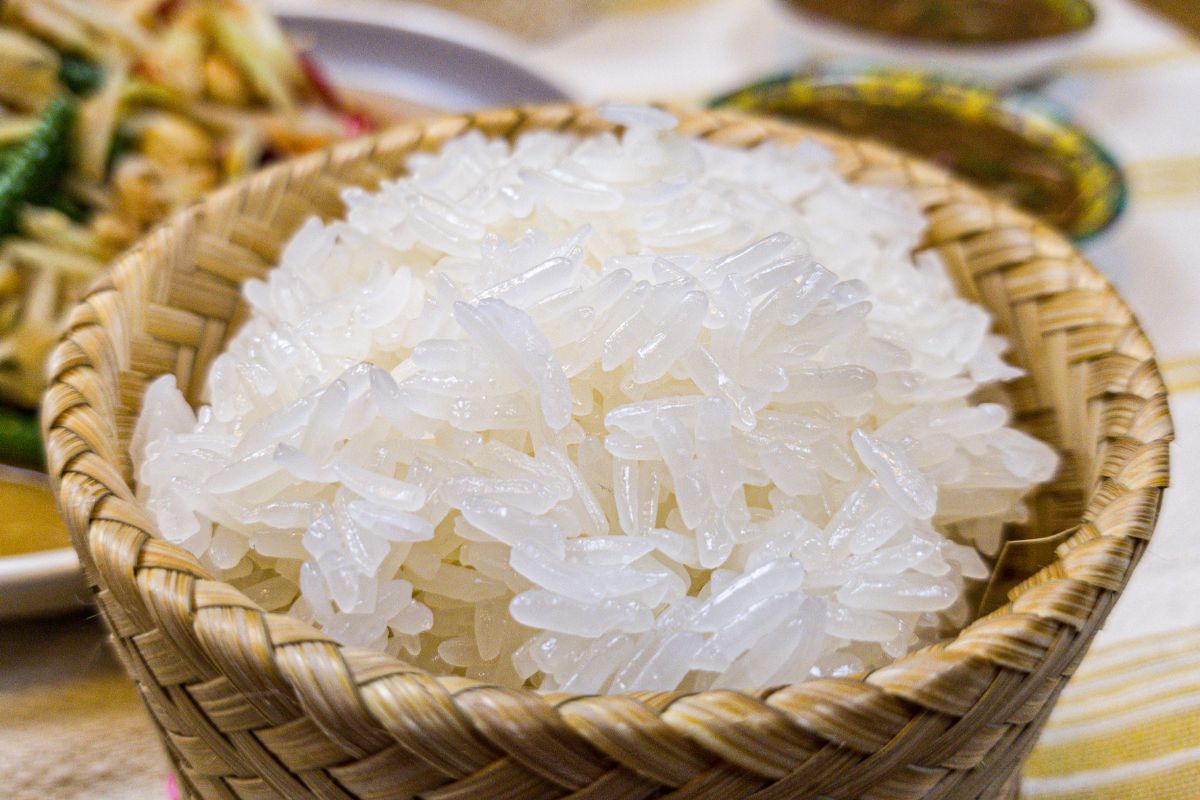
Sticky foods are difficult to remove from around brackets and wires, increasing the risk of plaque buildup, cavities, and gum issues. Common sticky foods to avoid include:
- Chewing gum
- Caramel treats
- Taffy
- Sticky rice cakes
These foods cling to both braces and tooth enamel, making effective cleaning difficult.
3. What to Avoid When Wearing Braces in Vietnam: Crunchy Foods
Crunchy items can place excessive pressure on orthodontic appliances:
- Popcorn
- Chips
- Hard crackers
- Toast with a thick, hard crust
When eating crunchy foods, it’s better to break them into smaller pieces and chew with the back teeth or avoid them altogether.
4. What to Avoid When Wearing Braces in Vietnam: Sugary and Acidic Foods
Sugars and acids can undermine braces treatment by promoting decay around brackets:
- Soft drinks and sweetened teas
- Candies and lollipops
- Citrus fruits in excess
- Energy drinks
According to the American Dental Association, high sugar and acid intake significantly increases the risk of enamel demineralization and cavity formation — especially when braces create additional plaque-trapping surfaces.
What to Avoid When Wearing Braces in Vietnam? Oral Hygiene Mistakes to Avoid
Braces create new surfaces and spaces where food debris and plaque can accumulate. Proper oral hygiene is more important than ever during treatment.
1. Skipping Proper Brushing Techniques
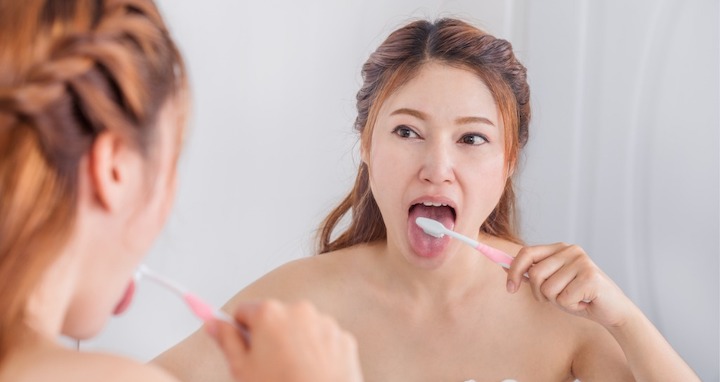
Many patients make the mistake of brushing too quickly or only superficially. Brushing must be thorough and targeted around each bracket and wire:
- Brush at least twice daily
- Use a soft-bristle toothbrush or orthodontic brush
- Angle the brush to reach above and below brackets
- Brush gum lines gently but thoroughly
Skipping proper brushing allows plaque to build up, potentially leading to gum inflammation (gingivitis) and enamel damage.
2. Ignoring Interdental Cleaning
Flossing with braces can be challenging, but avoiding it is a common mistake. Food particles between teeth and wires increase the risk of cavities and gum disease.
Patients should use:
- Orthodontic floss threaders
- Interdental brushes
- Water flossers
These tools help clean where regular toothbrushes can’t reach.
3. Not Attending Professional Cleanings
Regular professional dental cleanings are crucial during braces. Dental hygienists can remove hardened calculus (tartar) and provide education on proper technique. Routine visits help maintain gum health and prevent periodontal issues that can compromise treatment.
What to Avoid When Wearing Braces in Vietnam: Orthodontic Care Mistakes to Avoid
See more: Should I Get Braces in Vietnam? Benefits, Costs, and What to Expect
Maintaining good habits around treatment and appointments is just as important as avoiding certain foods and behaviors.
1. What to Avoid When Wearing Braces in Vietnam: Missing Scheduled Appointments
Orthodontic treatment is incremental — adjustments depend on scheduled visits. Missing appointments delays progress and may require rescheduling of future adjustments, extending the overall timeline.
2. What to Avoid When Wearing Braces in Vietnam: Ignoring Orthodontist Instructions
Orthodontists may prescribe elastics (rubber bands) or other auxiliary devices to fix specific alignment issues. Failing to wear them as instructed undermines the treatment plan and may reduce effectiveness.
3. What to Avoid When Wearing Braces in Vietnam: Attempting DIY Adjustments
Some patients may be tempted to bend wires or reposition brackets at home out of frustration or curiosity. This is dangerous — DIY adjustments can damage both the appliance and the underlying tooth.
Orthodontic care must always be performed by trained professionals.
Reasons Causing Braces Treatment Failure
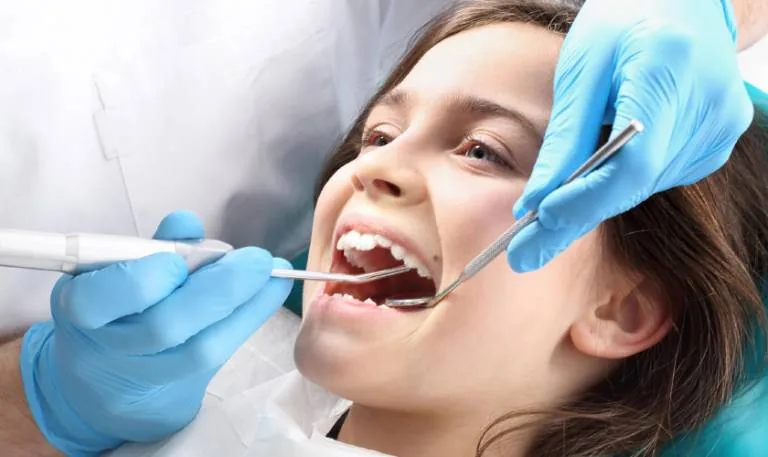
While the expertise of an orthodontist is crucial for a successful transformation, the ultimate outcome of braces treatment is largely determined by what happens outside the clinic walls. Braces provide the necessary mechanical framework, but for that framework to be effective, the biological environment of the mouth must remain healthy and the patient must follow specific protocols.
Understanding the common pitfalls that lead to complications or “treatment failure” is essential for anyone starting their orthodontic journey. The following data identifies the primary reasons why results may fall short of expectations, highlighting the critical role that patient behavior plays in achieving a perfect smile:
| Cause of Treatment Failure | Percentage (%) |
| Poor oral hygiene (plaque, cavities, gum disease) | 30% |
| Non-compliance with orthodontist instructions (elastics, appliances) | 25% |
| Broken brackets / damaged appliances due to diet or habits | 15% |
| Missed appointments / irregular follow-ups | 10% |
| Smoking / unhealthy lifestyle factors | 8% |
| Inadequate treatment planning or technique | 7% |
| Underlying medical or periodontal conditions | 5% |
The data clearly shows that over 70% of braces treatment failures are patient-related, particularly due to poor oral hygiene and non-compliance with orthodontic instructions. This reinforces the importance of education and daily discipline during treatment. BeDental actively reduces these risks by providing structured patient guidance, regular monitoring, and personalized follow-up protocols, ensuring that patients understand exactly what to avoid when wearing braces. By combining professional expertise with strong patient support systems, BeDental significantly improves treatment success rates and minimizes avoidable complications.
What to Avoid When Wearing Braces in Vietnam: Lifestyle Factors That Can Affect Braces Treatment
Beyond food and habit restrictions, other lifestyle choices can influence treatment success.
1. Smoking and Tobacco Use
Smoking negatively affects gum health and slows healing. It also increases the risk of periodontal disease, which can compromise tooth stability and orthodontic outcomes.
Dental associations internationally recognize smoking as a risk factor for gum inflammation and delayed tissue healing.
2. Poor Diet and Nutrition
Balanced nutrition supports bone remodeling and overall dental health — both important during orthodontic treatment. Nutrients such as calcium, vitamin D, and protein aid bone strength and tooth movement capacity.
A diet lacking essential nutrients may slow tooth movement and extend treatment.
What to Avoid When Wearing Braces in Vietnam: Orthodontists’ guide in Vietnam
Orthodontists in Vietnam are trained to provide both clinical treatment and patient education. Steps they take include:
- Thorough initial evaluations to identify risk factors
- Clear instructions on food and care restrictions
- Demonstrations of brushing and flossing techniques with braces
- Follow-up reminders and support throughout treatment
- Customized guidance tailored to individual cases
Professional orthodontic associations emphasize the importance of patient education to reduce errors and increase treatment efficiency.
International Price Comparison (Vietnam vs Southeast Asia & Global)
| Country | Metal Braces (USD) | Clear Aligners (USD) |
| Vietnam | 1,100 – 1,900 | 2,800 – 5,500 |
| Thailand | 1,800 – 3,000 | 4,000 – 7,000 |
| Malaysia | 2,000 – 3,500 | 4,500 – 8,000 |
| Singapore | 3,500 – 6,000 | 6,000 – 10,000 |
| USA | 5,000 – 8,000 | 6,000 – 10,000 |
| UK | 4,500 – 7,500 | 5,500 – 9,500 |
Vietnam is among the most cost-effective countries for orthodontic treatment globally, offering savings of up to 60–70% compared to the US and UK. This makes clinics like BeDental highly attractive not only for local patients but also for dental tourism, as they combine affordability with internationally aligned treatment standards.
Here is our price for your preference:
| DANH MỤC | GIÁ THÀNH | |
|---|---|---|
| 1.Orthodontic Trainer | 10.000.000 ~ 393$ |
|
| 2.Orthodontic Brace | ||
| Japanese traditional metal brace (Tìm hiểu thêm...) | 2 jaws | 30.000.000 ~ 1.179$ |
| USD traditional metal brace (Tìm hiểu thêm...) | 2 jaws | 35.000.000 ~ 1.375$ |
| Self-ligating metal brace (More detail...) | 2 jaws | 39.000.000 ~ 1.532$ |
| Traditional ceramic brace (More detail...) | 2 jaws | 38.000.000 ~ 1.493$ |
| Self-ligating ceramic brace | 2 jaws | 55.000.000 ~ 2.161$ |
| Traditional Sapphire brace | 2 jaws | 45.000.000 ~ 1.768$ |
| Miniscrew: (More detail...) | 2.500.000 ~ 98$ |
|
| 3. INVISALIGN (More detail...) | ||
| Clincheck | 10.000.000 ~ 393$ |
|
| Invisalign Express Package (Simple case) | 1 jaw 2 jaws | 35.000.000 ~ 1.375$ 45.000.000 ~ 1.375$ |
| Invisalign Lite Package (Mild Case) | 1 jaw 2 jaws | 60.000.000 ~ 2.358$ 75.000.000 ~ 2.947$ |
| Invisalign Moderate Package (Hard case) | 1 jaw 2 jaws | 100.000.000 ~ 4.000$ 110.000.000 ~ 4.322$ |
| Invisalign Comprehensive - level 1 (Unlimited) | Full Package | 130.000.000 ~ 5.108$ |
| Invisalign Comprehensive - Level 2 (Unlimited) | Full Package | 150.000.000 ~ 5.894$ |
| 4.Mouth Guard | 1 jaw | 2.500.000 ~ 100usd |
| 5.Retainer | 1 jaw | 1.500.000 ~ 40usd |
BeDental’s Approach to Braces Care in Vietnam
BeDental is a reputable dental clinic system in Vietnam that provides orthodontic treatment with an emphasis on education, professional support, and long-term care.
What Makes BeDental Different
- Comprehensive Consultations: Patients receive detailed explanations of what to expect, how to care for braces, and what to avoid.
- Expert Orthodontic Team: BeDental’s clinicians follow treatment protocols aligned with international and local dental association guidelines, ensuring consistent and effective results.
- Personalized Care Plans: Treatment plans are tailored based on individual oral conditions, lifestyle, and goals.
- Ongoing Support: BeDental places strong emphasis on continuous follow-up, helping patients navigate challenges such as food restrictions, oral hygiene, and managing discomfort.
- Modern Technology: Use of CAD/CAM and precise orthodontic tools improves diagnosis, treatment accuracy, and comfort.
At BeDental, preventing common mistakes is part of the treatment philosophy — not an afterthought. Patients are equipped with the knowledge and tools they need to avoid setbacks and achieve optimal outcomes.
Treatment Completion & Complication Rates (Compliance-Based)
| Patient Compliance Level | Successful Completion (%) | Complication Rate (%) |
| High compliance | 95% | 5% |
| Middle compliance | 80% | 15% |
| Low compliance | 60% | 30% |
Patient behavior significantly impacts treatment success. High compliance leads to 95% success rates, while poor adherence dramatically increases complications. BeDental addresses this by implementing continuous patient education, reminders, and follow-up systems, helping patients stay on track and avoid common mistakes such as those outlined in this guide.
See more: Durability of Porcelain Crowns in Vietnam: How Long Do Permanent Crowns Really Last?
Frequently Asked Questions (FAQ)
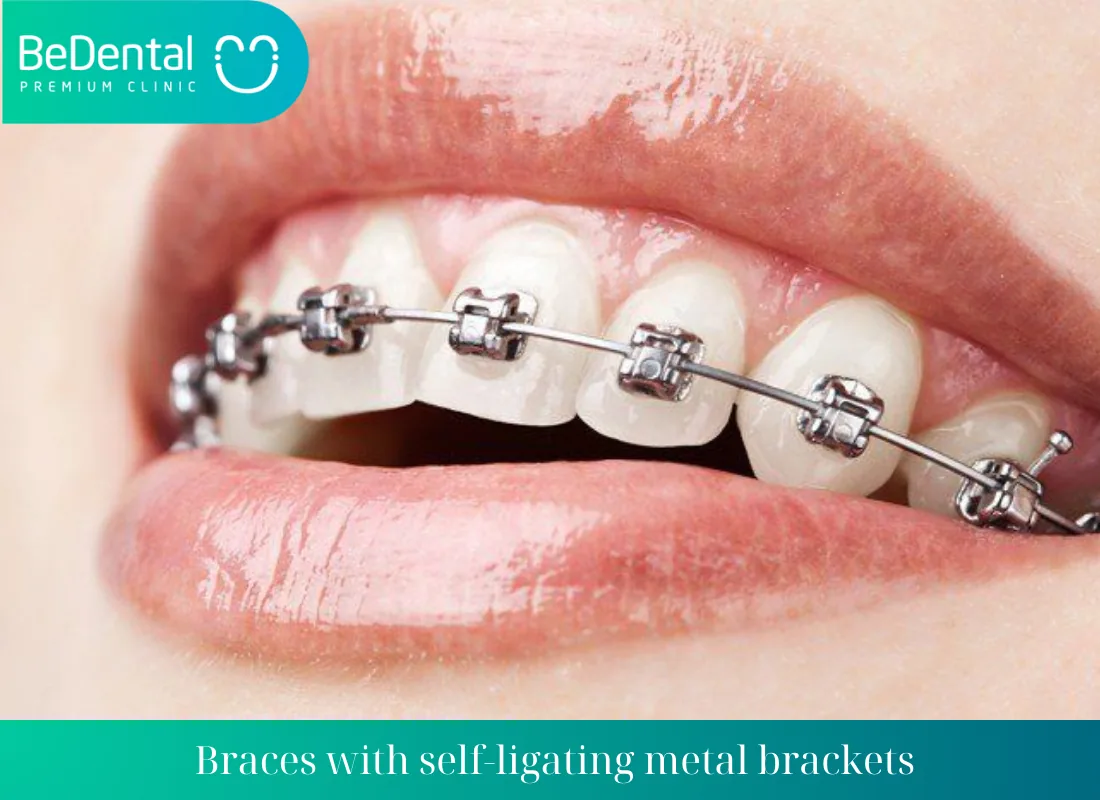
Can I eat rice or Vietnamese traditional foods with braces?
Yes, but be mindful of texture. Sticky varieties and tough meats should be cut into small pieces or avoided to protect braces.
What happens if a bracket breaks?
Contact your orthodontic clinic promptly. Broken brackets can lead to discomfort and slow treatment progress if left unaddressed.
Is it okay to play sports with braces?
Yes, but wearing a protective mouth guard is strongly recommended to prevent damage during contact activities.
How do I cope with sore teeth after adjustments?
Discomfort is common after tightening appointments. Soft foods and warm salt rinses can help until sensitivity subsides.
Braces treatment is a journey that requires professional care, patient cooperation, and informed decision-making. Knowing what to avoid when wearing braces in Vietnam — from certain foods to harmful habits — is essential for a smooth, successful outcome. Complications like broken wires, gum problems, and prolonged timelines often stem from preventable behaviors.
Clinics like BeDental offer structured, supportive care that equips patients with the knowledge and resources to avoid common mistakes. By following professional recommendations from dental associations like the American Association of Orthodontists and the Vietnam Dental Association, patients can achieve lasting alignment, optimal oral health, and confidence in their smile.
If you or a loved one is undergoing braces treatment, taking care of your braces today will pay off with a beautiful, functional smile tomorrow. Schedule a consultation with a qualified orthodontic team to get personalized guidance and ensure your treatment stays on track.

Tư vấn chuyên môn bài viết:
BÁC SĨ DƯƠNG THỊ THÙY NGA
Tại BeDental, khách hàng có thể an tâm điều trị với dịch vụ bảo lãnh viện phí nha khoa nhanh chóng và tiện lợi. BeDental hiện liên kết với nhiều công ty bảo hiểm uy tín, hỗ trợ thanh toán trực tiếp chi phí các dịch vụ nha khoa như nhổ răng, trám răng, điều trị tủy, phục hình răng sứ... Quy trình linh hoạt, minh bạch giúp tiết kiệm thời gian và tối ưu chi phí. Hãy liên hệ BeDental để được tư vấn chi tiết và tận hưởng trải nghiệm chăm sóc răng miệng chuyên nghiệp, không lo gánh nặng tài chính.
? Các đơn vị nha khoa chấp nhận bảo lãnh bao gồm : Hùng Vương Insurance, Bảo Long Insurance, BSH (Bảo hiểm BSH), FWD Insurance Cathay Life Fubon Insurance, Tokio Marine Insurance Group VNI (Bảo hiểm Hàng không), HD Insurance MSIG AAA Insurance PTI (Bảo hiểm Bưu điện), BIDV MetLife, PJICO, Techcom, Insurance, AIA, Dai-ichi Life MIC GIC DBV Insurance VBI (Bảo hiểm VietinBank)
? Các công ty bảo hiểm BeDental có thể xuất hóa đơn: Manulife Dai-ichi Life Prudential AIA Hanwha Life PVI VCLI (Bảo hiểm nhân thọ Vietcombank - Cardif) BIC (Bảo hiểm BIDV), Bảo Việt Insurance và PVI