

 English
 한국어
한국어 日本語
日本語 中文 (中国)


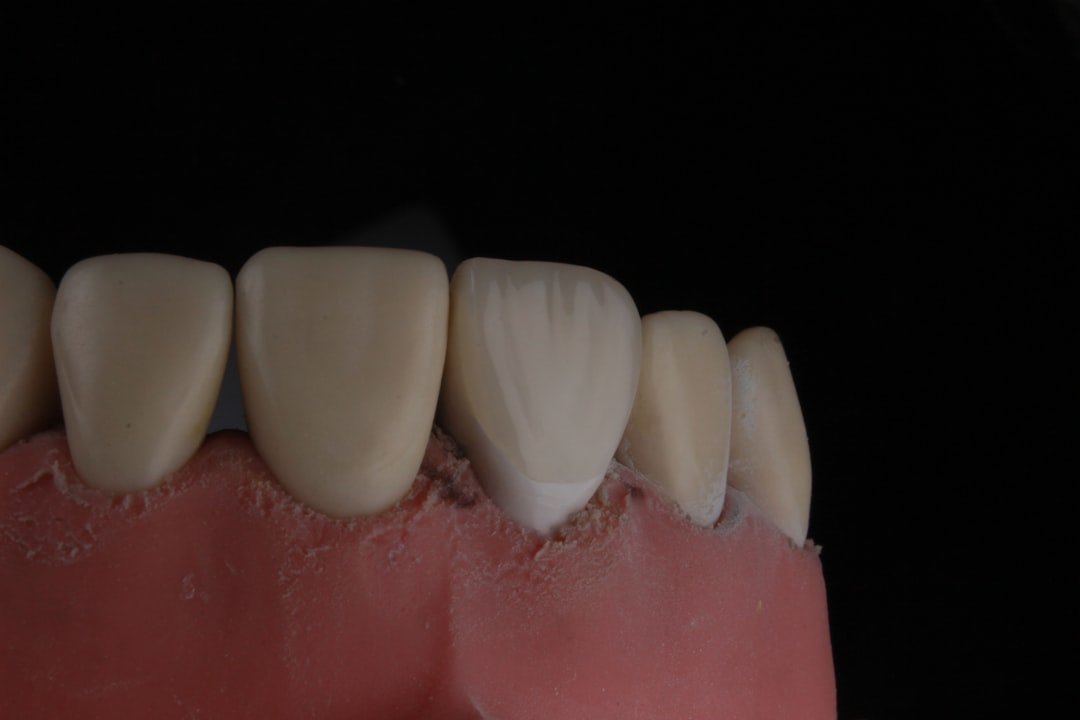
Porcelain crowns are widely used in modern dentistry to restore damaged or weakened teeth while improving appearance and chewing function. Although the procedure is generally safe and effective, some patients may experience temporary discomfort after treatment. Concerns such as crown pain, pain while chewing after crown, gum pain after crown, or even toothache after crown are relatively common during the early adjustment period. Understanding why sensitivity after porcelain crown in Vietnam occurs and how dentists manage these symptoms can help patients feel more confident about the treatment process and know when professional evaluation is necessary.
Understanding sensitivity after porcelain crown in Vietnam
Experiencing sensitivity after porcelain crown in Vietnam is a situation that many patients encounter during the first days or weeks following crown placement. This sensitivity is usually temporary and is often part of the natural healing and adjustment process.
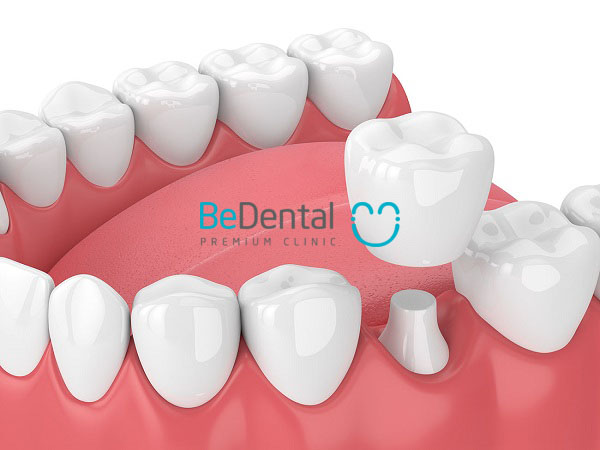
When a crown is placed, the dentist must reshape a small amount of the tooth enamel so that the crown fits securely. Although this procedure is carefully performed, the tooth structure may become slightly more responsive to temperature changes or pressure. As a result, patients may notice mild crown pain or discomfort when consuming hot or cold foods.
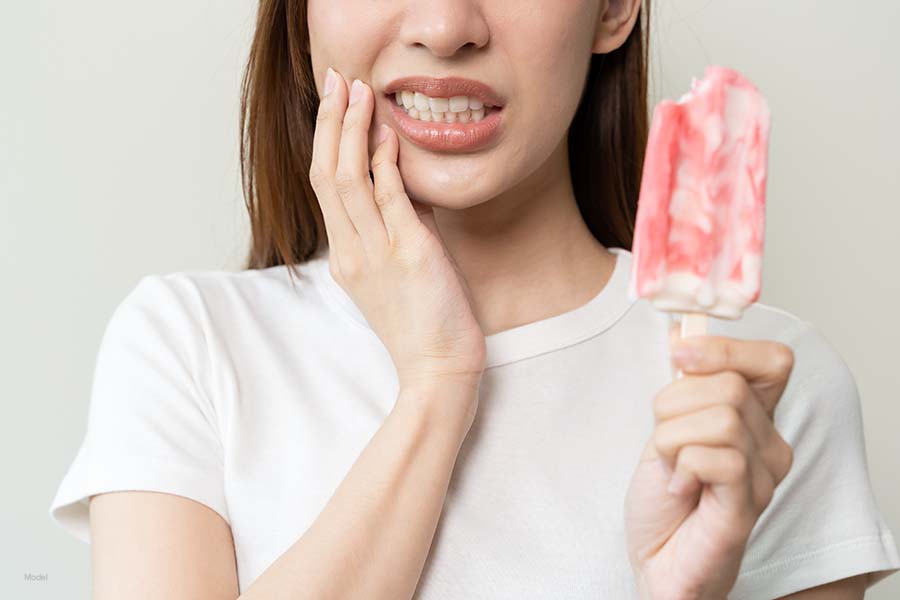
According to clinical studies published in the Journal of Prosthetic Dentistry, temporary tooth sensitivity is one of the most common reactions following crown placement and usually resolves within a few weeks. The tooth gradually adapts to the crown, and the surrounding tissues stabilize.
A dentist once shared the case of a patient named Linh who experienced mild sensitivity after porcelain crown in Vietnam for several days after her treatment. Initially she was worried that something was wrong with the crown. However, after following her dentist’s advice and using toothpaste for sensitive teeth, the discomfort disappeared naturally.
This example illustrates that short-term sensitivity does not necessarily indicate a problem with the crown itself.
Crown pain after porcelain crown placement
Another symptom some patients report is mild crown pain after the procedure. This discomfort usually occurs during the first few days while the tooth and surrounding tissues adapt to the new restoration.
One reason for crown pain is minor inflammation of the gum tissue around the crown. During the procedure, the dentist must work near the gum line to shape the tooth and place the crown. This process may temporarily irritate the gums.
Another possible cause is bite adjustment. If the crown is slightly higher than surrounding teeth, chewing pressure may create discomfort. In such cases, dentists can quickly resolve the issue by adjusting the crown’s bite surface.
For example, a patient named Minh once returned to the clinic after experiencing mild crown pain while chewing. The dentist found that the crown was slightly high and performed a small adjustment. After the correction, the discomfort disappeared immediately.
Situations like this are common and usually easy to fix.
>> See more: Safe porcelain crowns in Vietnam: Pain & sensitivity
Pain while chewing after crown: What causes it?
Experiencing pain while chewing after crown can be concerning for patients, especially if the discomfort appears when biting down on food. However, this symptom often has identifiable and treatable causes.
One common reason for pain while chewing after crown is uneven bite alignment. If the crown receives too much chewing pressure compared with other teeth, the tooth may become sensitive.
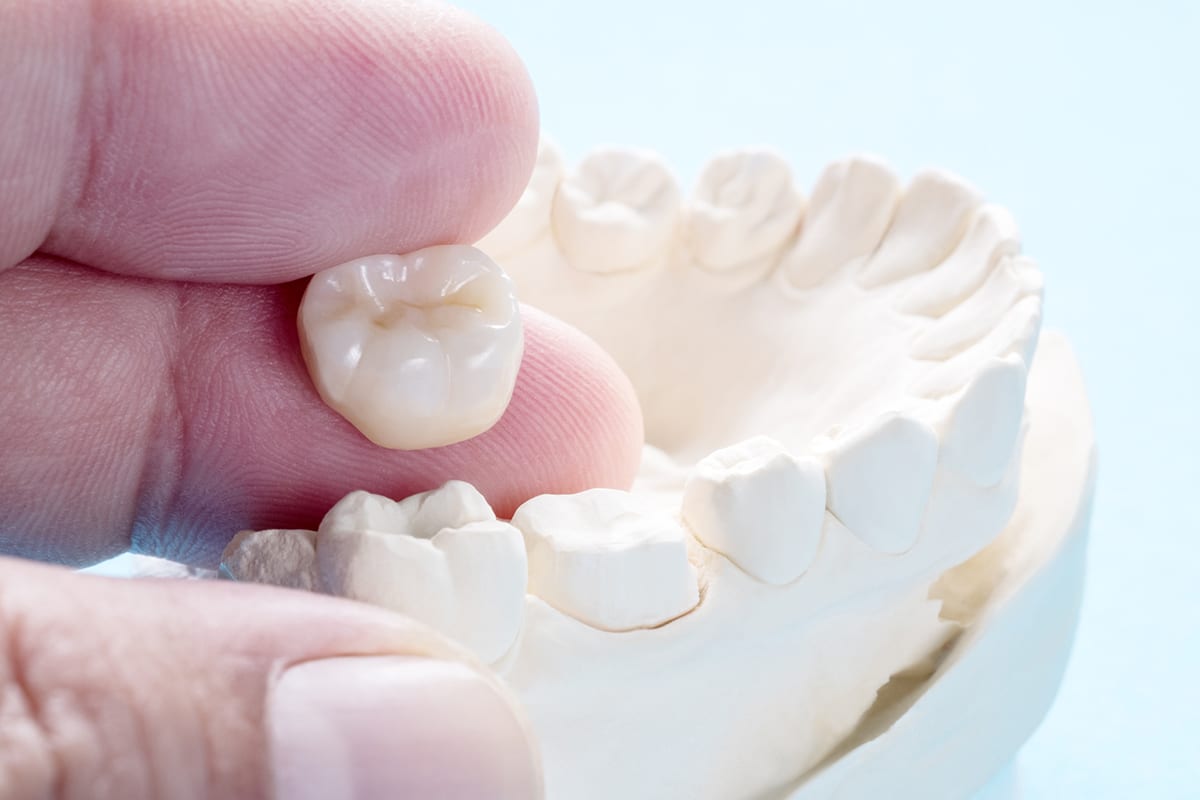
Another possible cause is temporary inflammation around the tooth root. After the crown is placed, the ligament supporting the tooth may take time to adjust to the new restoration.
Dentists typically check bite alignment carefully before finalizing the crown placement. However, slight adjustments may still be necessary after the patient begins chewing normally.
A patient named Hoang once experienced pain while chewing after crown during the first two days after his treatment. After returning to the clinic for evaluation, the dentist adjusted the crown slightly. Once the bite was balanced, he was able to chew comfortably again.
This example highlights how bite adjustment can quickly resolve many cases of chewing discomfort.
Gum pain after crown: Is it normal?
Some patients may also notice gum pain after crown, particularly during the first few days following the procedure. This symptom is usually related to temporary irritation of the gum tissue during crown placement.
The gum area around the tooth must be carefully cleaned and prepared before the crown is installed. As a result, the tissue may become slightly sensitive or swollen for a short period.
In most cases, gum pain after crown improves within a few days as the tissue heals. Dentists often recommend gentle brushing and rinsing with antibacterial mouthwash to reduce inflammation.
Maintaining good oral hygiene is essential during this time. Plaque accumulation around the crown margin can prolong irritation and contribute to further discomfort.
A patient named Mai once experienced mild gum pain after crown after replacing an old dental crown. Her dentist advised using a soft toothbrush and avoiding very hard foods for several days. Within a week, the gum tissue had healed completely.
>> See more: Porcelain crown after filling in Vietnam: Safety & clinics
Toothache after crown: When to see a dentist
Although most post-treatment discomfort is temporary, persistent toothache after crown may require professional evaluation.
A toothache after crown can occur if the underlying tooth has an untreated infection or nerve inflammation. In some cases, the tooth may require additional treatment such as root canal therapy.
Another possible cause of toothache after crown is a poorly fitted crown or excessive pressure on the tooth during chewing.
Dentists often use diagnostic tools such as X-rays and bite analysis to determine the source of the discomfort. Early evaluation helps prevent more serious complications.
It is important for patients to monitor their symptoms carefully. If a toothache after crown persists for more than one week or becomes severe, a dental checkup is recommended.
Factors that influence sensitivity after porcelain crown
Several factors can affect the likelihood of experiencing sensitivity after porcelain crown in Vietnam.
One important factor is the condition of the tooth before treatment. Teeth that were already sensitive due to decay or nerve irritation may be more likely to experience temporary discomfort after crown placement.
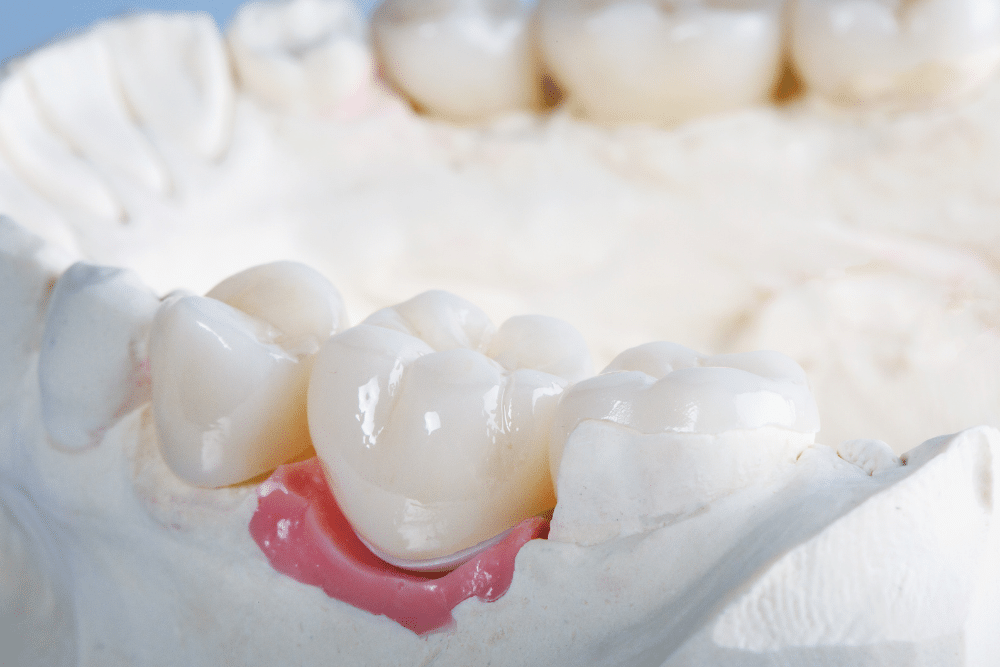
Another factor is bite alignment. If the crown is slightly higher than surrounding teeth, it may receive excessive chewing pressure and cause pain while chewing after crown.
Oral habits such as teeth grinding can also contribute to crown pain and discomfort. Patients who grind their teeth at night may benefit from wearing a night guard to protect both the crown and surrounding teeth.
Finally, oral hygiene plays a major role. Poor hygiene can lead to gum inflammation, which may result in gum pain after crown or other complications.
How to reduce sensitivity after porcelain crown
There are several simple steps patients can take to reduce sensitivity after porcelain crown in Vietnam and prevent prolonged discomfort.
Dentists usually recommend avoiding extremely hot or cold foods during the first few days after crown placement. This helps minimize crown pain caused by temperature sensitivity.
Other helpful habits include:
- Using toothpaste designed for sensitive teeth
- Avoiding very hard foods during the first week
- Maintaining good oral hygiene
Returning to the dentist if pain while chewing after crown occurs
These precautions allow the tooth and surrounding tissues to adapt to the crown more comfortably.
Why choosing a professional dental clinic matters
The success of crown treatment depends heavily on the expertise of the dentist and the quality of the dental clinic. When crowns are designed and placed correctly, the risk of complications such as toothache after crown or gum pain after crown is significantly reduced.
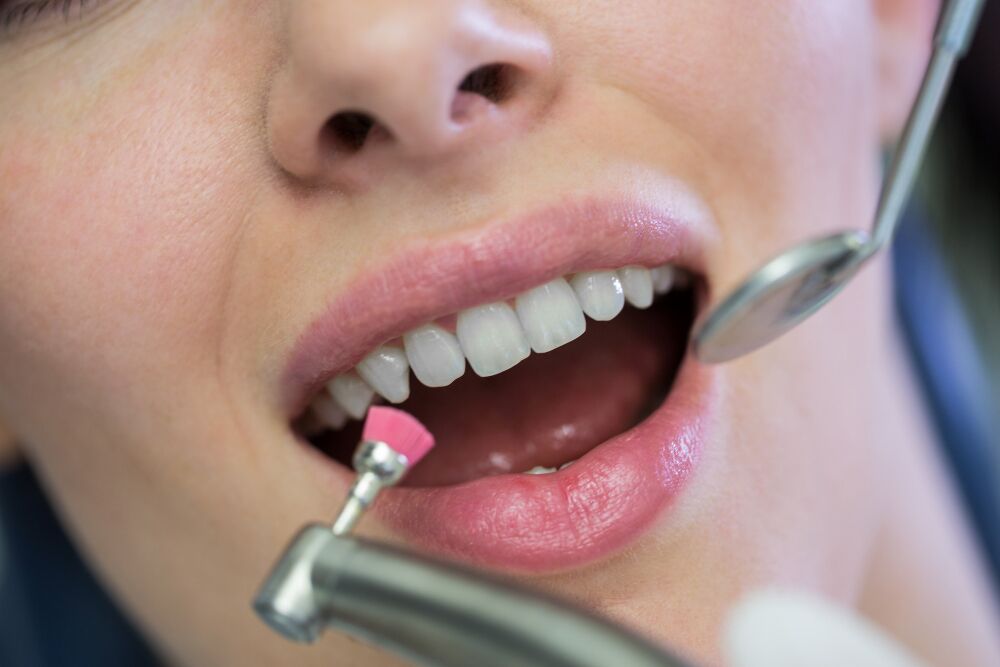
Modern dental clinics in Vietnam often use advanced technologies such as digital scanning and CAD/CAM crown fabrication. These systems allow dentists to create crowns with extremely precise measurements, reducing the likelihood of bite misalignment or pain while chewing after crown.
Choosing a reputable dental clinic ensures that the treatment is performed safely and professionally.
So, should you get a porcelain crown in Vietnam?
After understanding issues such as sensitivity after porcelain crown in Vietnam, many patients naturally ask a final question: is it a good idea to get porcelain crowns in Vietnam? In general, the answer depends on choosing the right dental clinic and receiving proper consultation from experienced dentists. Today, many modern dental centers in Vietnam use advanced technologies such as digital intraoral scanning and CAD/CAM crown fabrication, which significantly improve crown accuracy and reduce risks like crown pain or pain while chewing after crown.
Another important factor is cost efficiency. Compared with many Western countries where crown treatments can cost hundreds or even thousands of dollars per tooth, dental restorations in Vietnam are often significantly more affordable while still maintaining professional standards. This balance between quality and cost has made Vietnam an increasingly popular destination for restorative dental treatments, including porcelain crowns.
Of course, patients should still carefully evaluate their options before making a decision. Choosing a reputable clinic, discussing treatment plans thoroughly with a dentist, and understanding possible temporary symptoms such as gum pain after crown or mild toothache after crown will help ensure a smoother treatment experience. When performed correctly at a professional clinic, porcelain crowns can restore both chewing function and appearance while providing long-term protection for damaged teeth.
Porcelain crown treatment at BeDental
For patients concerned about sensitivity after porcelain crown in Vietnam, selecting an experienced dental clinic can make a significant difference in treatment outcomes.
BeDental is a professional dental system with clinics in Hanoi and Ho Chi Minh City that specializes in restorative and cosmetic dentistry. The clinic uses modern digital scanning and high-quality ceramic materials to ensure accurate crown fabrication.
Before placing a crown, dentists at BeDental carefully evaluate each patient’s dental condition to minimize potential issues such as crown pain, pain while chewing after crown, or toothache after crown. Patients also receive clear guidance on how to manage temporary symptoms such as gum pain after crown during the recovery period.
With experienced specialists and advanced dental technology, BeDental focuses on providing high-quality porcelain crown treatments that restore dental function while ensuring patient comfort and long-term oral health.

Tư vấn chuyên môn bài viết:
BÁC SĨ DƯƠNG THỊ THÙY NGA
BEDENTAL - TOP STANDARD DENTISTRY SYSTEM
In HANOI
Address 1: 7B Thi Sach St, Ngo Thi Nham, Hai Ba Trung Dist, Ha Noi. - 0934.61.9090
Address 2: No 129 Hoang Ngan, Yen Hoa, Cau Giay Dist, Ha Noi. - 0934.61.9090
In HO CHI MINH
Address 1: 53 -55 -57 Pho Duc Chinh St, Nguyen Thai Binh, Dist. 1, Ho Chi Minh. - 0766.00.8080
Working: 9am - 8pm everyday
Website: https://bedental.vn/en/