


 English
 한국어
한국어 日本語
日本語 中文 (中国)


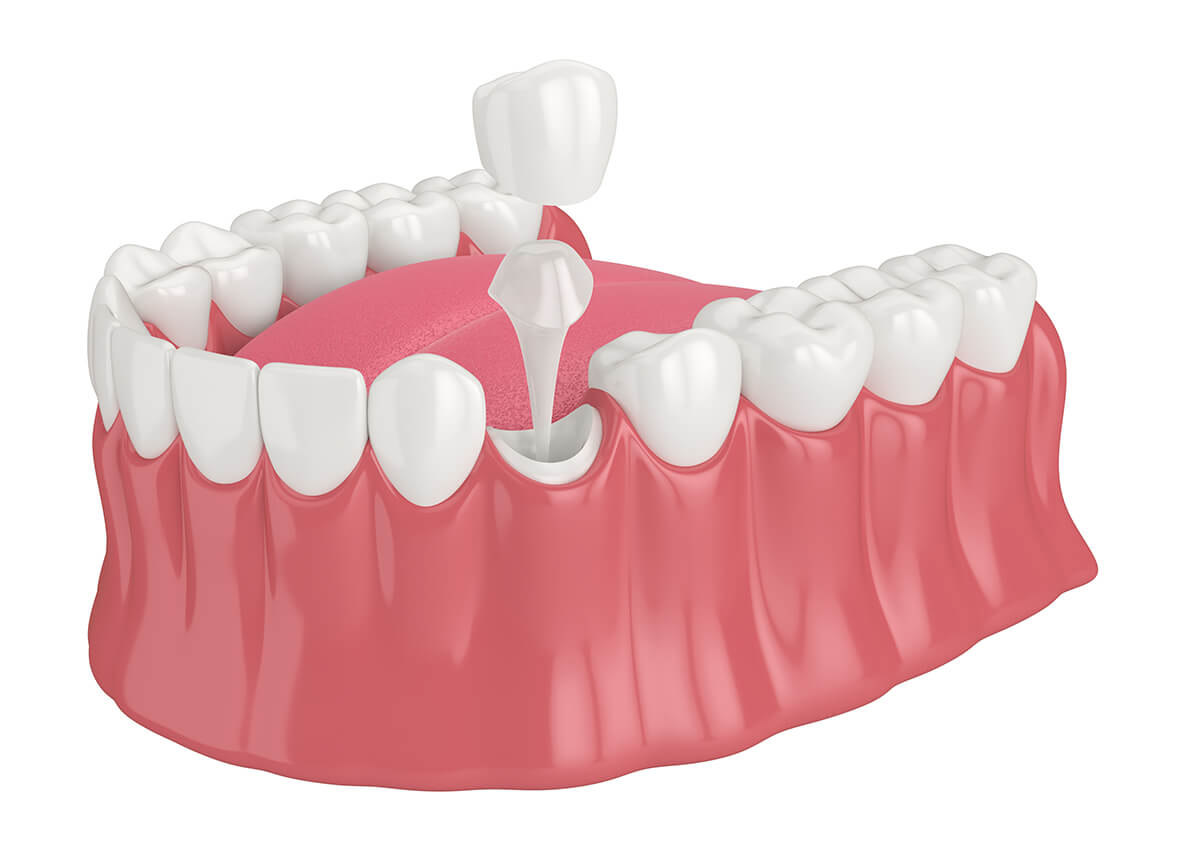
Many patients considering porcelain crowns in Vietnam are concerned about post-treatment pain and discomfort. This is a normal concern, especially for first-time crown patients. Porcelain crowns are a common restorative solution used to protect damaged teeth, restore chewing function, and improve aesthetics. While the procedure is generally well tolerated, some level of temporary discomfort may occur after crown placement.
According to clinical guidance recognized by the American Dental Association and the World Dental Federation, mild pain or sensitivity after porcelain crown treatment is common and usually temporary. When crowns are properly planned and placed following international standards, discomfort should resolve within a short and predictable timeframe.
At BeDental, porcelain crown treatment is performed with a strong focus on comfort, precision, and long-term oral health, helping minimize post-procedure pain and ensure smooth recovery.
About BeDental – International-Standard Dental Care in Vietnam
BeDental is a modern dental system in Vietnam specializing in restorative, cosmetic, and preventive dentistry based on internationally recognized clinical standards. The clinic emphasizes conservative tooth preparation, accurate diagnosis, and patient comfort throughout every stage of treatment.
BeDental’s restorative dentists have extensive experience placing porcelain crowns for both local and international patients. Using advanced digital diagnostics, bite analysis, and precise crown fabrication, BeDental significantly reduces the risk of prolonged pain, bite discomfort, or crown-related complications.
With strict sterilization protocols, transparent consultations, and structured aftercare, BeDental is a trusted choice for porcelain crown treatment and recovery in Vietnam.
Is Pain Normal After Porcelain Crown Placement?
Yes. Mild pain or sensitivity after porcelain crown placement is considered normal. Dental associations explain that discomfort usually occurs because:
1. The tooth has been reshaped during preparation
To ensure a seamless fit, a precise layer of your natural enamel must be reduced. This process brings the dental procedure closer to the dentin—the sensitive layer containing microscopic tubules that lead directly to the tooth’s nerve. Even with the best care, this mechanical preparation can cause temporary “pulpal inflammation,” leading to a dull ache or sensitivity to temperature.

2. The nerve may be temporarily irritated
The nerve inside your tooth (the pulp) is highly sensitive to changes. The combination of vibration from dental tools, the cooling water used during drilling, and the chemical composition of the bonding cement can leave the nerve in a state of “hyper-sensitivity.” This is particularly common if the original decay was deep or if the tooth had previous large fillings.
3. The gums may be slightly inflamed
During the preparation and final cementation, the gum tissue around the base of the tooth is often manipulated to ensure the crown fits perfectly at the gumline. This can lead to:
- Localized tenderness: Similar to a small bruise on the gums.
- Minor swelling: Which usually subsides within 48 to 72 hours as the soft tissue re-attaches to the tooth surface.
4. The bite may need minor adjustment
Precision is key in dentistry, but even a difference of a few microns can affect your bite. If the new crown is slightly “high,” it will hit the opposing tooth before the rest of your teeth do. This puts excessive pressure on the periodontal ligaments (the fibers holding the tooth in place), causing sharp pain when chewing or a constant “sore” feeling.
This discomfort is typically temporary and manageable.
>> See more: Tooth Preparation Pain for Crowns in Vietnam: What to Expect and How to Stay Comfortable
How Long Does Pain Last After Porcelain Crowns?
1. First 24–48 Hours: The Initial Adjustment
This is the period of highest reactivity as the local anesthesia wears off and the soft tissues begin to respond to the clinical work.
Mild soreness or pressure is common: You may feel a dull ache or a sensation of “tightness” around the treated tooth. This is a natural response to the mechanical preparation and the chemical bonding of the cement.
Sensitivity to hot or cold may occur: Since the tooth’s enamel was reshaped, the internal nerve (pulp) is temporarily more exposed to thermal changes. “Zinging” sensations when drinking cold water are standard during these two days.
Gum tenderness around the crown is normal: The gingival tissue may appear slightly red or feel bruised where the crown meets the gumline. This is caused by the minor manipulation required to ensure a perfect, bacteria-resistant fit.
2. 3–7 Days After Treatment: The Healing Phase
During the first week, your body begins to integrate the new crown, and inflammatory responses start to subside.
Sensitivity gradually decreases: While you might still feel a “pulse” of sensitivity with very hot coffee or ice water, the frequency and intensity should steadily decline.
Chewing comfort improves: As the periodontal ligaments (the fibers anchoring your tooth) adjust to the new crown’s contours, you will find it easier to resume a normal diet.
Gum tissue begins to heal: Any initial redness or swelling should disappear, and the gums will return to a healthy pink color, hugging the crown securely.
3. 1–2 Weeks After Treatment: The Stabilization Phase
By the end of the second week, the restoration should feel like a natural part of your mouth.
Most patients experience little to no pain: For the vast majority of patients at BeDental, all residual discomfort disappears completely by day 10.
Bite feels more natural: Your brain begins to “forget” the presence of the crown, and your chewing pattern returns to its automatic, comfortable state.
Sensitivity should be minimal or gone: The nerve inside the tooth should have “calmed down,” and you should be able to eat and drink normally without hesitation.
According to dental associations, pain lasting longer than two weeks is not typical and should be evaluated by a dentist.
Factors That Affect Pain Duration
Several factors influence how long discomfort may last after porcelain crowns:
1. Tooth Vitality (Living Nerves vs. Root Canals)
The health of the nerve inside your tooth is the most significant factor in sensitivity:
Vital Teeth: If the tooth still has a living nerve, it is highly reactive to the heat generated during reshaping and the chemistry of the bonding agents. These teeth may experience “zinging” or thermal sensitivity for 1–3 weeks.
Non-Vital (Root Canal) Teeth: Patients who have already had a root canal usually experience zero nerve pain. Any discomfort in these cases is typically related to the surrounding gum tissue or the pressure on the periodontal ligaments during the procedure.

2. Depth of Tooth Preparation
The more tooth structure that must be removed, the closer the procedure gets to the pulp (the nerve center).
Deep Preparation: If a tooth was severely decayed or fractured, the dentist must prep deeper. This creates more “pulpal stress,” which can lead to prolonged sensitivity.
Minimal Prep: At BeDental, we prioritize conservative dentistry. By preserving as much natural enamel as possible, we minimize nerve exposure and significantly shorten the recovery window.
3. Bite Alignment (Occlusion)
Your teeth are designed to fit together like gears. If the new crown is even 20 microns too high, it will receive a disproportionate amount of force every time you bite down.
The “High Spot” Effect: This constant trauma prevents the ligaments from healing and can lead to sharp, localized pain that does not go away until a dentist performs a minor bite adjustment.
Bruxism: If you grind your teeth at night, the new crown may feel “sore” in the morning. This isn’t a failure of the crown but a result of excessive pressure during the healing phase.
4. Existing Gum Health
The condition of your soft tissue before the procedure dictates how fast it recovers after:
Healthy Gums: Usually heal from minor irritation within 3–5 days.
Inflamed Gums (Gingivitis): If the gums were already swollen or prone to bleeding, the manipulation during crown placement may cause them to stay tender or recede slightly, extending the healing time to 10–14 days.
5. Individual Pain Tolerance and Sensitivity
Every patient’s nervous system responds differently to dental stimuli.
Central Sensitization: Some individuals have more sensitive “pain receptors” or a lower threshold for thermal changes.
Age Factor: Younger teeth often have larger pulp chambers, making them more sensitive than the teeth of older adults, which have naturally receded nerves.
At BeDental, these factors are carefully assessed to reduce recovery time.
How BeDental Minimizes Pain After Porcelain Crowns
BeDental applies several strategies to ensure comfortable recovery:
1. Conservative Tooth Preparation
We follow a “Preservation First” philosophy. By using high-magnification loupes and precision instruments, our dentists remove the absolute minimum amount of tooth structure required.
- Nerve Protection: Minimizing enamel reduction keeps the procedure further away from the dental pulp (the nerve), significantly reducing the risk of “pulpitis” or long-term thermal sensitivity.
- Heat Management: We use advanced cooling systems during preparation to prevent thermal trauma to the tooth’s internal tissues.
2. Digital Bite Analysis (T-Scan Technology)
Traditional “articulating paper” (the blue paper you bite on) can sometimes be inaccurate. At BeDental, we utilize Digital Bite Analysis to ensure perfect occlusion.
- Instant Calibration: Our sensors identify exactly where your teeth are hitting with too much force—down to the micron.
- Preventing Trauma: By eliminating “high spots” immediately, we prevent the periodontal ligament from becoming bruised, which is the #1 cause of sharp pain when chewing after a crown is placed.
3. High-Precision Crown Fabrication
A poorly fitted crown leaves gaps (micro-leakage) where bacteria and temperature can irritate the nerve.
- CAD/CAM Accuracy: Our crowns are milled using computer-aided design, ensuring a “vacuum-seal” fit over your natural tooth.
- Perfect Margins: A smooth transition between the crown and your tooth prevents food traps and bacterial buildup, which are common causes of gum ache and secondary decay.
4. Gentle Gum Management Techniques
The “black line” and gum pain of the past were often caused by aggressive tissue retraction.
- Laser Contouring: When necessary, we use soft-tissue lasers instead of traditional scalpels to shape the gums. This results in less bleeding, minimal swelling, and almost zero post-operative pain.
- Biocompatible Cements: we use high-grade, resin-based cements that are less acidic, reducing the “chemical sting” often felt during the bonding process.
5. Clear Post-Treatment Care Instructions
Recovery is a partnership between the dentist and the patient. We provide every patient with a Digital Aftercare Kit, which includes:
- Customized Hygiene Plans: Guidance on how to clean around your new crown without irritating the healing tissue.
- Dietary Roadmap: A list of foods to enjoy and avoid during the first 48 hours to prevent accidental trauma.
- 24/7 Support: Access to our clinical team via messaging apps for immediate peace of mind if you have questions about your recovery.
These measures significantly reduce the risk of prolonged pain.
When Should You Be Concerned About Pain?
You should contact your dentist if:
Pain Lasts Longer Than Two Weeks
The vast majority of post-crown sensitivity should resolve naturally within seven to ten days. If you find yourself still relying on pain medication or constantly avoiding specific foods after fourteen days, it indicates that the tooth is struggling to settle. This could be a sign of chronic pulpitis—a lingering inflammation of the nerve—or a microscopic gap in the cement seal that allows bacteria or temperature changes to irritate the internal structure of the tooth.
Pain Worsens Instead of Improving
An ideal recovery should follow a downward trajectory, meaning each day should feel slightly more comfortable than the last. A significant red flag is when discomfort that was manageable on the third day becomes intensely worse by the seventh day. This suggests that your body is signaling an active, progressive problem, often indicating that the nerve is undergoing irreversible stress or that a bacterial infection is beginning to develop beneath the restoration.
>> See more: Reducing Protruding Front Teeth in Vietnam: Safe, Natural, and Beautiful Results
Sharp Pain Occurs Specifically When Biting
If your tooth feels perfectly fine while resting but produces a sharp, electric-like shock every time you chew, the issue is almost always mechanical rather than biological. This is the classic symptom of a “high spot” or improper bite alignment. If the crown is even a fraction of a millimeter taller than the neighboring teeth, it absorbs the full force of your jaw’s pressure, bruising the periodontal ligaments underneath and causing immediate sharp pain upon contact.
Swelling Throbbing or Signs of Infection
These symptoms are considered dental emergencies and should never be ignored. A throbbing sensation that mimics a heartbeat inside the tooth or intense pain that wakes you up in the middle of the night is a clear indicator that the dental pulp is severely distressed. Furthermore, any visible swelling in the gums, the appearance of a small bump or abscess, or an accompanying fever confirms the presence of an infection. In some instances, a persistent foul taste or odor around the crown may suggest that the “micro-seal” has failed, leaving the natural tooth vulnerable to decay.
Who May Experience Longer Recovery?
Patients who may experience extended sensitivity include:
Those with Deep Cavities Before Treatment
When a tooth has suffered from extensive decay or a deep fracture, the restoration process must naturally reach closer to the pulp chamber. Even after the decay is removed, the nerve inside the tooth remains in a state of high alert due to the previous bacterial invasion and the heat generated during reshaping. These patients often experience lingering thermal sensitivity for several weeks as the secondary dentin forms a natural protective barrier inside the tooth.
Patients with Teeth Grinding Habits
Individuals who suffer from bruxism or chronic teeth clenching often put immense stress on a new crown during the first few nights. Because the periodontal ligaments—the fibers that act as shock absorbers for your teeth—are already sensitized from the procedure, the added pressure of grinding prevents them from healing quickly. This frequently results in a dull, aching sensation in the jaw and teeth that is most noticeable immediately upon waking up in the morning.
Individuals with Gum Disease
Healthy gum tissue typically re-attaches to the margin of a new crown within forty-eight hours. However, for patients with a history of gingivitis or periodontitis, the soft tissue is often thinner and more prone to inflammation. The manipulation required to ensure a precise fit at the gumline can cause these sensitive tissues to remain tender or slightly swollen for up to two weeks, requiring extra care during daily brushing and flossing.
Patients with High Bite Pressure
Some individuals naturally possess very strong jaw muscles that exert significant force during chewing. If the new crown is positioned in a way that absorbs even a slightly higher percentage of this force than the original tooth did, the underlying ligaments can become “bruised.” This mechanical trauma leads to prolonged discomfort whenever the teeth meet, often requiring a professional digital bite adjustment to redistribute the pressure evenly across the dental arch.
BeDental dentists tailor treatment plans to reduce these risks.
FAQ – How Long Does Pain Last After Porcelain Crowns in Vietnam?
1. Is pain after porcelain crowns normal?
Yes. Mild pain or sensitivity is common and usually temporary.
2. How long does pain typically last?
Most discomfort resolves within a few days to two weeks.
3. Is severe pain normal after crown placement?
No. Severe or worsening pain should be evaluated by a dentist.
4. Can pain occur months after getting a crown?
Pain appearing months later may indicate bite issues, decay, or nerve problems and requires examination.
5. Will a root canal be needed if pain persists?
In rare cases, prolonged nerve irritation may require further treatment, but this is not common.
6. How can I reduce pain after porcelain crowns?
Avoid hard foods initially, maintain good oral hygiene, and follow your dentist’s instructions.
7. Does crown material affect pain?
Pain is usually related to tooth condition and bite alignment rather than crown material.
8. Why choose BeDental for porcelain crowns in Vietnam?
BeDental combines experienced dentists, advanced technology, conservative treatment, and adherence to international dental standards—ensuring minimal discomfort and predictable recovery.

Tư vấn chuyên môn bài viết:
BÁC SĨ DƯƠNG THỊ THÙY NGA