

 English
 한국어
한국어 日本語
日本語 中文 (中国)


Porcelain crowns are widely used to restore damaged or weakened teeth, helping patients regain both function and aesthetics. However, one of the most common concerns people have before treatment is whether they can return to their normal eating habits afterward. Many patients wonder if they can eat normally with crown restorations and how daily activities such as chewing may change. This article explains the reality of eating normally with porcelain crowns in Vietnam, how crowns function after treatment, and what patients should know when placing a crown after filling or other restorative procedures.
Understanding porcelain crowns and their role in dental restoration
A porcelain crown is a custom-made cap placed over a damaged tooth to restore its structure and function. Dentists typically recommend crowns when a tooth has lost a large portion of its natural structure due to decay, trauma, or after root canal therapy.
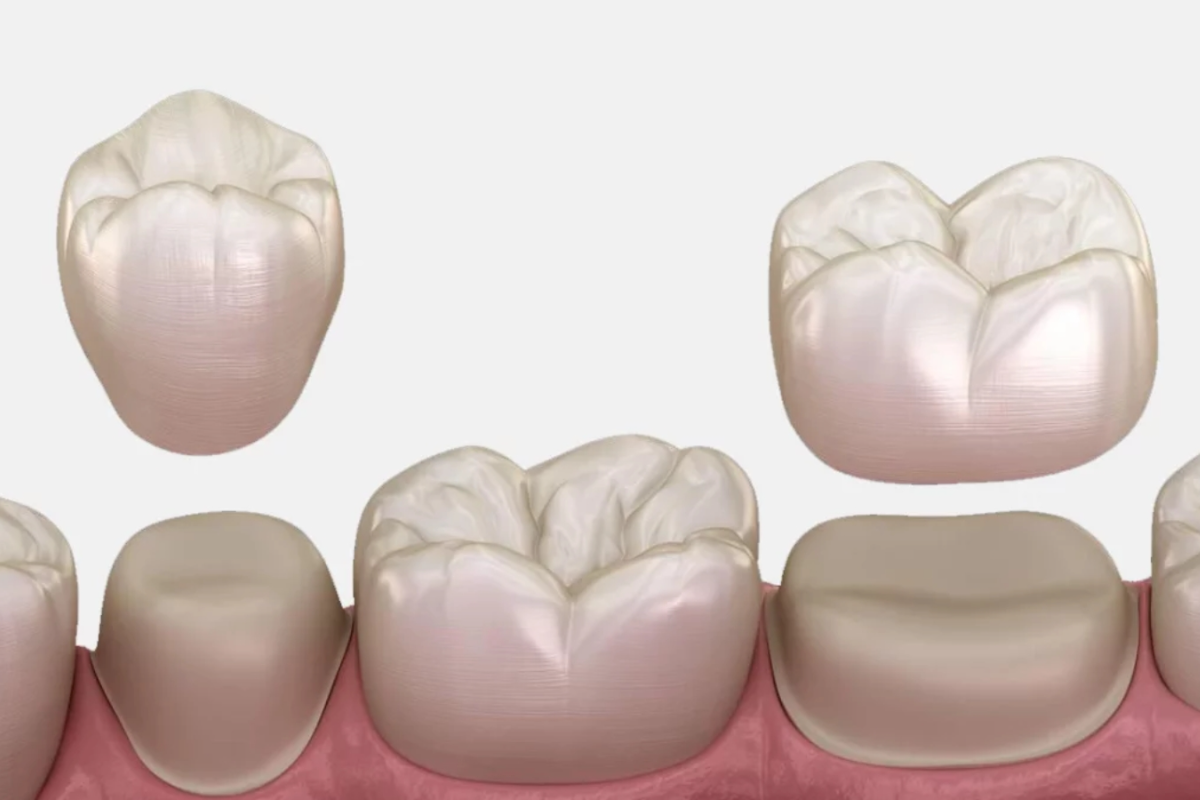
Modern crowns are designed to withstand normal chewing forces while maintaining a natural appearance. Because of this, many patients who receive crowns are able to return to eating normally with porcelain crowns in Vietnam shortly after treatment.
According to the American College of Prosthodontists, dental crowns are one of the most commonly performed restorative procedures worldwide. Their primary goal is to restore chewing ability and protect the remaining tooth structure.
A dentist once shared the story of a patient named Minh who had difficulty chewing on one side of his mouth because of a severely damaged molar. After receiving a crown, he was relieved to find that he could once again eat normally with crown restorations without discomfort. Experiences like this demonstrate how crowns help restore everyday oral function.
Can you eat normally with crown restorations?
One of the most frequent questions patients ask is whether they can eat normally with crown restorations after treatment. In most cases, the answer is yes.
Porcelain crowns are designed to replicate the shape and strength of natural teeth. Once the crown is securely bonded and the bite is properly adjusted, patients are typically able to chew food in the same way they did before their tooth was damaged.
Most patients can return to eating normally with porcelain crowns in Vietnam after a short adjustment period. During the first few days, the surrounding gums and bite alignment may take time to adapt to the new restoration.
Dentists often recommend starting with softer foods during the first 24 to 48 hours after the crown is placed. Once the tooth and gums feel comfortable, patients can gradually resume their regular diet.
Clinical studies show that porcelain crowns restore a large percentage of the original chewing strength of natural teeth. This is why they are frequently used to repair molars that handle heavy chewing forces.
Eating normally with porcelain crowns in Vietnam after filling treatment
In some cases, dentists recommend placing a crown after filling when a tooth has undergone extensive decay treatment. When a cavity is too large, a filling alone may not provide enough strength to support the tooth structure.
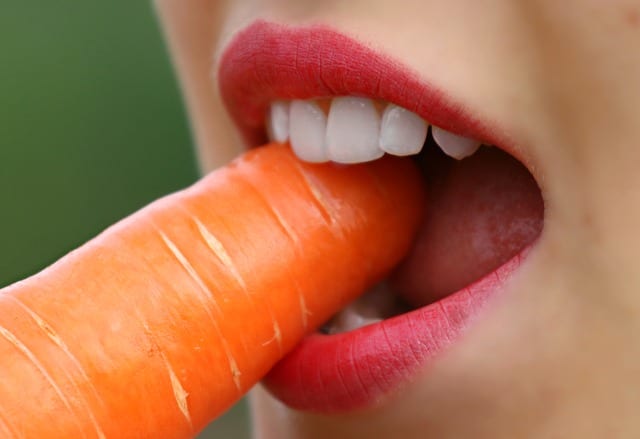
A crown after filling helps reinforce the weakened tooth and prevents fractures during chewing. Once the crown is placed, patients usually regain full chewing ability.
A patient named Lan once experienced this situation. She had a large filling on a molar that gradually weakened the tooth. Her dentist recommended placing a crown after filling to protect it from breaking. After the procedure, she found that she could comfortably chew again and eventually return to eating normally with porcelain crowns in Vietnam without worrying about damaging the tooth.
This example highlights why dentists often recommend crowns for teeth that have large restorations.
>> See more: Types of porcelain crowns in Vietnam: Materials & options
What foods can you eat with porcelain crowns?
After the initial adjustment period, most patients can eat normally with crown restorations and enjoy a wide variety of foods. Porcelain crowns are strong enough to handle normal chewing forces, including foods such as vegetables, meat, and grains.
However, dentists usually advise patients to avoid certain habits that may damage crowns over time. Although modern crowns are durable, extremely hard foods may increase the risk of chipping.
Examples of foods that should be consumed carefully include:
- Hard candies
- Ice cubes
- Very hard nuts or bones
Patients who follow these precautions can comfortably continue eating normally with porcelain crowns in Vietnam for many years.
Adjusting to eating with a new crown
Even though patients can usually eat normally with crown restorations, it is common to experience a short adjustment period after the crown is first placed.
During this time, patients may notice slight differences in the way the crown feels compared with natural teeth. This sensation typically disappears within a few days as the mouth adapts.
If the crown feels too high when biting down, a dentist can quickly adjust the bite. These adjustments help ensure that patients can return to eating normally with porcelain crowns in Vietnam without discomfort.
A dentist once described a patient named Hoang who returned to the clinic after two days because chewing felt slightly unusual. After a minor bite adjustment, the crown felt completely natural and Hoang could comfortably eat normally with crown restorations again.
Factors that affect chewing ability with crowns
Although most patients can easily return to eating normally with porcelain crowns in Vietnam, several factors can influence how comfortable the crown feels during chewing.
One important factor is the quality of crown placement. Accurate bite alignment ensures that chewing forces are distributed evenly across the teeth.
Another factor is oral habits. Patients who grind their teeth may place excessive pressure on crowns, which can affect long-term comfort.
Additionally, the location of the crown plays a role. Molars that handle stronger chewing forces require highly durable crown materials such as zirconia or reinforced ceramic.
When dentists carefully evaluate these factors, patients are more likely to enjoy a smooth transition to eating normally with crown restorations.
Long-term care for crowns while eating
Maintaining proper oral hygiene and healthy eating habits helps ensure that crowns last as long as possible.
Patients should brush their teeth twice daily and floss regularly to prevent plaque buildup around the crown margins. Regular dental checkups also allow dentists to monitor the crown and surrounding gums.
With proper care, many patients continue eating normally with porcelain crowns in Vietnam for more than a decade. Studies suggest that well-maintained crowns can last between 10 and 15 years, and sometimes even longer.
Avoiding harmful habits such as chewing ice or opening packages with teeth also helps protect crowns from damage.
>> See more: HT Smile porcelain teeth in Vietnam: Price & quality guide
Is getting porcelain crowns in Vietnam reliable?
Many patients wonder whether getting porcelain crowns in Vietnam is safe and reliable. In recent years, Vietnam has become an increasingly recognized destination for dental care thanks to modern equipment, skilled dentists, and competitive pricing. Many reputable clinics now apply advanced technologies such as digital intraoral scanning, CAD/CAM crown fabrication, and high-quality ceramic materials. These technologies allow dentists to design precise restorations that fit well and function comfortably, helping patients return to eating normally with porcelain crowns in Vietnam after treatment.
A dentist in Ho Chi Minh City once shared the experience of a patient named Emma from the United Kingdom who visited Vietnam during a long trip in Southeast Asia. She needed to replace an old filling that had weakened her molar, and the dentist recommended placing a crown after filling to protect the tooth. After completing the procedure, Emma mentioned that she was impressed by the professionalism of the dental team and the modern facilities. Within a few days, she could comfortably eat normally with crown restorations again without worrying about damaging the tooth.
Cost advantages of porcelain crowns in Vietnam
Another important reason many patients consider dental treatment in Vietnam is affordability. The cost of porcelain crowns here is significantly lower than in many Western countries while still maintaining good quality standards.
In countries such as the United States, Australia, or the United Kingdom, a single porcelain crown can cost 800–1500 USD per tooth. In comparison, similar restorations in Vietnam often range between 3,000,000 and 10,000,000 VND, depending on the crown material and the dental clinic. This cost difference allows patients to receive high-quality restorative treatment while still saving a considerable amount of money.
Because of this balance between cost and quality, many patients—both local and international—choose to place crowns in Vietnam. When treatment is performed at a reputable clinic with experienced dentists, patients can safely restore damaged teeth and quickly return to eating normally with porcelain crowns in Vietnam without compromising comfort or function.
| Category | Price | ||
|---|---|---|---|
| 1. Phục hình tháo lắp - (Tìm hiểu thêm...) Removable Denture (More detail...) | |||
| Giá Hàm nền nhựa thường Conventional Denture (More detail...) | (1teeth) | 4.000.000 | |
| Giá Hàm nền nhựa dẻo Flexible acrylic partial denture | (1teeth) | 5.500.000 | |
| Giá Hàm khung kim loại thường Cast metal partial denture | (1teeth) | 4.500.000 | |
| Giá Hàm khung Titan Titanium partial denture | (1teeth) | 6.000.000 | |
| 2. Răng giả (Tìm hiểu thêm...) False teeth | |||
| Giá Răng giả hàm tháo lắp nhựa nội Acrylic resin teeth -made in Vietnam | (1teeth) | 350.000 | |
| Giá Răng giả hàm tháo lắp nhựa Mỹ Acrylic resin teeth -made in USA | (1teeth) | 600.000 | |
| Giá Răng giả hàm tháo lắp sứ Porcelain teeth backed with metal | (1teeth) | 1.800.000 | |
| Máng nâng khớp Denture occlúion | 1.000.000 | ||
| 3. Phục hình cố định : Non-removable denture | |||
| Giá Sứ kim loại (Tìm hiểu thêm...) Porcelain teeth backed with metal | |||
| Giá Răng sứ kim loại thường (Ni,Cr) Porcelain teeth backed with metal (Ni,Cr) | 1.800.000 | ||
| Giá Răng sứ kim loại Vivadent france (Cr,Co) Porcelain teeth backed with metal Vivadent France (Cr,Co) | 1.800.000 | ||
| Giá Răng sứ kim loại Jelenko USA ( Cr, Co) Porcelain teeth backed with metal Jelenko USD (Cr,Co) | 2.000.000 | ||
| Giá Răng sứ kim loại titan Porcelain teeth backed with titanium | 3.500.000 | ||
| Giá Sứ không kim loại : (Tìm hiểu thêm) Non-metal Teeth | |||
| Giá Răng sứ Katana (bảo hành 7 năm) Porcelain Veneer Katana from Japan | 3.500.000 | ||
| Giá Răng sứ Venus ( bảo hành 7 năm) (Tìm hiểu thêm...) Porcelain Veneer Venus from Germany (More detail...) | 4.000.000 | ||
| Giá Răng sứ Roland ( bảo hành 10 năm) (Tìm hiểu thêm...) Porcelain Veneer Roland from Germany (More detail...) | 4.800.000 | ||
| Giá Răng sứ Roland HD (bảo hành 10 năm) (Tìm hiểu thêm...) Porcelain Veneer Roland HD from Germany | 5.900.000 | ||
| Giá Răng sứ Ceramill (bảo hành 10 năm)(Tìm hiểu thêm...) Porcelain Veneer Ceramil from Germany | 6.000.000 | ||
| Giá Răng sứ Emax Nanoceramics ( bảo hành 15 năm) Porcelain Veneer Emax from Germany | 7.000.000 | ||
| Giá Răng sứ HTsmile (Bảo hành 15 năm) (Tìm hiểu thêm...) Porcelain Veneer Htsmile from Germany (More detail...) | 7.000.000 | ||
| Giá Răng sứ Emax* Press Lithium Disilicate (Bảo hành 15 năm) (Tìm hiểu thêm...) Porcelain Veneer Emax press from Germany (More detail...) | 8.000.000 | ||
| Giá Răng sứ Cercon (Bảo hành 15 năm) (Tìm hiểu thêm...) Porcelain Veneer Cercon from Germany (More detail...) | 7.000.000 | ||
| Giá Răng sứ Nacera Pearl Shade ( bảo hành 10 năm) Porcelain Veneer Nacera from Germany | 10.000.000 | ||
| Giá Răng sứ Lava 3M Premium Plus ( bảo hành 15 năm) (Tìm hiểu thêm...) Porcelain Veneer Lava 3M Plus from USA (More detail...) | 9.000.000 | ||
| Giá Răng sứ Lava Esthentics ( bảo hành 15 năm) Porcelain Veneer 3M Lava Esthetic from USA | 12.000.000 | ||
| Giá Răng sứ Lisi Press (bảo hành 15 năm) (Tìm hiểu thêm...) Porcelain Veneer Lisi from Japan (More detail...) | 12.000.000 | ||
| Giá Răng sứ kim cương (Bảo hành trọn đời) Porcelain Veneer Diamond from USA | 16.000.000 |
Porcelain crown treatment at BeDental
Choosing a reputable dental clinic is essential for ensuring that patients can safely return to eating normally with porcelain crowns in Vietnam after treatment.
BeDental is a professional dental system with clinics in Hanoi and Ho Chi Minh City that provides modern restorative dentistry solutions. The clinic uses digital scanning and advanced ceramic fabrication technologies to ensure precise crown placement and comfortable bite alignment.
Before recommending treatment, dentists at BeDental carefully evaluate the patient’s dental condition and determine whether a crown after filling or other restorative procedure is necessary. This personalized approach helps ensure that each crown functions properly and allows patients to eat normally with crown restorations without discomfort.
With experienced specialists and modern dental technology, BeDental aims to help patients restore damaged teeth safely while maintaining long-term chewing ability and overall oral health.

Tư vấn chuyên môn bài viết:
BÁC SĨ DƯƠNG THỊ THÙY NGA
BEDENTAL - TOP STANDARD DENTISTRY SYSTEM
In HANOI
Address 1: 7B Thi Sach St, Ngo Thi Nham, Hai Ba Trung Dist, Ha Noi. - 0934.61.9090
Address 2: No 129 Hoang Ngan, Yen Hoa, Cau Giay Dist, Ha Noi. - 0934.61.9090
In HO CHI MINH
Address 1: 53 -55 -57 Pho Duc Chinh St, Nguyen Thai Binh, Dist. 1, Ho Chi Minh. - 0766.00.8080
Working: 9am - 8pm everyday
Website: https://bedental.vn/en/