

 English
 한국어
한국어 日本語
日本語 中文 (中国)


Can You Clean Teeth With Porcelain Crowns in Vietnam? Porcelain crowns are widely used in Vietnam to restore damaged, weakened, or aesthetically compromised teeth. However, many patients who already have porcelain crowns often ask an important question: Can teeth with porcelain crowns be cleaned the same way as natural teeth, and is professional dental cleaning still necessary?
This comprehensive guide explains everything you need to know about cleaning teeth with porcelain crowns in Vietnam, including daily oral hygiene, professional scaling, safety considerations, and how reputable clinics such as BeDental provide crown-safe dental cleaning based on professional dental association guidelines.
What Are Porcelain Crowns and How Do They Function?
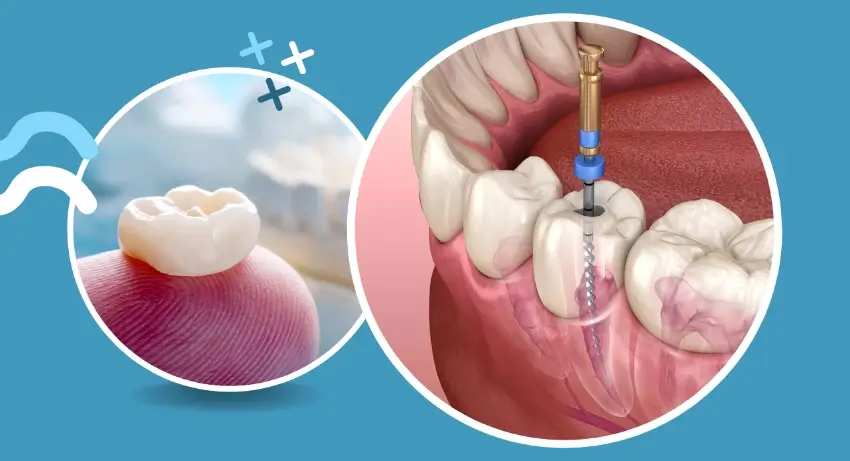
A porcelain crown is a full-coverage dental restoration that completely caps a prepared tooth. It restores both function and appearance while protecting the remaining natural tooth structure underneath.
Porcelain crowns are commonly used for:
- Teeth with extensive decay
- Teeth that have undergone root canal treatment
- Cracked or fractured teeth
- Severely worn teeth
- Aesthetic restoration of discolored or misshapen teeth
According to the American Dental Association, crowns are designed to restore strength and function while preventing further damage to compromised teeth.
Although porcelain itself does not decay, the natural tooth structure beneath the crown still remains vulnerable to plaque accumulation, gum disease, and bacterial infection if oral hygiene is not properly maintained.
Can You Clean Teeth With Porcelain Crowns in Vietnam?
Yes, teeth with porcelain crowns can be cleaned safely and effectively. In fact, regular cleaning is essential to maintain both the crown and the surrounding oral tissues.
Dental cleaning for crowned teeth includes:
- Daily brushing and flossing at home
- Professional scaling to remove plaque and tartar
- Polishing to reduce surface plaque adhesion
- Gum care around the crown margins
The Vietnam Dental Association emphasizes that poor oral hygiene around crowns is one of the leading causes of crown failure and secondary decay.

Why Cleaning Teeth With Porcelain Crowns Is Essential
Many patients mistakenly believe that porcelain crowns do not require the same level of care as natural teeth. This misconception can lead to serious oral health issues.
Regular cleaning is necessary because:
- Plaque can accumulate around the crown margins
- Bacteria can enter the space between the crown and gum line
- Gum inflammation can develop around crowned teeth
- Secondary decay can occur under the crown edge
According to data referenced by the American Dental Association, gum disease and recurrent decay are among the most common reasons crowns need replacement earlier than expected.
Daily Oral Hygiene to Clean Teeth With Porcelain Crowns
Proper daily care is the foundation of maintaining porcelain crowns.
Clean Teeth With Porcelain Crowns: Brushing
Patients should brush their teeth at least twice daily using a soft-bristled toothbrush.
Key brushing recommendations include:
Prioritize Soft Bristles: Always use a soft-bristled toothbrush. Hard bristles can act like sandpaper, gradually pushing back the gum tissue (gum recession) and exposing the edge of the crown, which can lead to sensitivity and aesthetic issues.
Target the Margin: Pay special attention to the gum line—the “seam” where the porcelain meets your natural tooth. This is where plaque is most likely to hide. Tilt your brush at a 45-degree angle to gently sweep bacteria away from this critical junction.
Select the Right Toothpaste: Avoid “whitening” toothpastes that contain heavy abrasives (like silica or baking soda). While porcelain is highly stain-resistant, these abrasives can microscopic scratches into the surface glaze over time. This loss of smoothness makes the crown appear dull and, more importantly, creates a “sticky” surface where plaque can more easily adhere.
Although porcelain is highly resistant, excessive abrasion can affect surface smoothness and increase plaque retention.
Clean Teeth With Porcelain Crowns: Flossing
Flossing is especially important for teeth with porcelain crowns because plaque often accumulates at the contact points and gum margins.
Recommended flossing practices:
A Gentle Touch: When flossing around a crown, avoid using a “sawing” motion. Instead, wrap the floss in a “C” shape around the tooth and slide it gently into the pocket between the tooth and gum.
The “Slide-Out” Technique: Rather than “snapping” the floss upward—which could theoretically snag or exert pressure on the crown margin—try releasing one end of the floss and pulling it through horizontally.
Specialized Tools: If you have multiple crowns or a bridge, our team may recommend interdental brushes or water flossers, which can navigate tight spaces more effectively than traditional string floss.
According to the American Dental Association, flossing reduces gum inflammation and significantly lowers the risk of periodontal disease around dental restorations.

Clean Teeth With Porcelain Crowns: Mouthwash and Additional Care
Alcohol-free mouthwash may be recommended to help reduce bacteria without irritating gums.
Patients with porcelain crowns should also avoid:
Avoiding “Ice Crushing”: Never chew on ice, hard candies, or unpopped popcorn kernels.
Tools, Not Teeth: Do not use your teeth to tear open plastic packaging or bite your fingernails.
Nighttime Protection: If you have a habit of grinding or clenching your teeth (bruxism), a custom-fitted night guard is essential. Without it, the immense pressure of clenching can cause the porcelain to chip or the supporting natural tooth to fracture.
These habits can compromise both the crown and supporting tooth structure.
Professional Dental Cleaning for Clean Teeth With Porcelain Crowns
Is Professional Cleaning Safe for Porcelain Crowns?
Yes, professional dental cleaning is safe for porcelain crowns when performed correctly. Dental hygienists are trained to use appropriate tools and techniques that protect crown surfaces while effectively removing plaque and tartar.
The Vietnam Dental Association confirms that routine dental scaling does not damage porcelain crowns when proper instruments are used.
What Happens During Professional Cleaning?
A typical professional cleaning for patients with porcelain crowns includes:
- Examination of crown margins and gum health
- Removal of plaque and tartar using appropriate scaling instruments
- Gentle polishing to reduce plaque retention
- Evaluation of crown stability and bite alignment
Dentists pay special attention to the junction between the crown and the natural tooth, as this area is most susceptible to bacterial buildup.
Are Ultrasonic Scalers Safe for Clean Teeth With Porcelain Crowns?
Ultrasonic scalers are commonly used in Vietnam and are generally safe for porcelain crowns when applied correctly.
Dental professionals adjust:
- Power levels
- Tip angles
- Contact pressure
to ensure that the crown surface and margins are not damaged.
According to professional dental hygiene guidelines, improper use of ultrasonic devices may increase surface roughness, which is why experience and technique are critical.
Common Mistakes When Clean Teeth With Porcelain Crowns
Some habits can unintentionally shorten the lifespan of porcelain crowns.
Common mistakes include:
- Skipping flossing around crowned teeth
- Using hard-bristle toothbrushes
- Using abrasive whitening toothpaste
- Delaying professional dental cleanings
- Ignoring gum bleeding or discomfort
The American Dental Association reports that neglected oral hygiene significantly increases the risk of crown-related complications.
How Often You Should Clean Teeth With Porcelain Crowns?
Most dental associations recommend professional cleaning every six months. However, patients with porcelain crowns may require more frequent visits depending on their oral health condition.
Factors influencing cleaning frequency include:
- History of gum disease
- Smoking habits
- Crowded teeth or complex restorations
- Oral hygiene effectiveness
Your dentist will determine the appropriate schedule based on individual risk factors.
Clean Teeth With Porcelain Crowns in Vietnam
In Vietnam, dental cleaning standards vary depending on the clinic. While basic scaling services are widely available, specialized crown-safe cleaning techniques are typically offered at reputable private clinics.
Patients are encouraged to choose dental centers that:
- Have trained hygienists
- Use modern equipment
- Provide thorough examinations
- Explain post-cleaning care
Can Dental Cleaning Damage Porcelain Crowns?
When dental cleaning is performed correctly by trained professionals, it does not damage porcelain crowns. Professional dental cleaning is designed to remove plaque and tartar while preserving the integrity of both natural teeth and dental restorations. Problems typically arise only when proper techniques or materials are not used during the cleaning process.
Potential damage to porcelain crowns may occur in situations such as:
- The use of incorrect or non-crown-safe dental instruments
- Application of excessive force or pressure during scaling
- Selection of polishing pastes or materials that are too abrasive for porcelain surfaces
According to the American Dental Association, comprehensive professional training and strict adherence to clinical protocols significantly reduce the risk of damaging dental restorations during routine cleaning. When performed according to these standards, dental cleaning is both safe and beneficial for patients with porcelain crowns.
Signs That Your Porcelain Crown Needs Professional Attention
Even with good oral hygiene, certain warning signs may indicate that a porcelain crown or the surrounding gum tissue requires professional evaluation. Recognizing these signs early allows dentists to address potential issues before they develop into more serious conditions.
Patients are advised to seek dental care if they experience:
- Bleeding or inflamed gums around a crowned tooth
- Persistent bad breath that does not improve with regular brushing and flossing
- Ongoing sensitivity or discomfort near the crown
- A feeling that the crown is loose or changes in bite alignment
- Visible plaque or tartar buildup along the edges of the crown
Early professional intervention helps prevent complications such as gum disease, secondary decay, or crown failure, reducing the need for more complex and costly treatments in the future.
Dental Cleaning and Porcelain Crowns at BeDental
BeDental is a trusted dental system in Vietnam that provides professional care for patients with porcelain crowns. The clinic follows strict hygiene and clinical protocols aligned with recommendations from the Vietnam Dental Association and international dental organizations.
At BeDental, patients receive:
- Comprehensive oral examinations before cleaning
- Crown-safe scaling and polishing techniques
- Careful evaluation of crown margins and gum health
- Personalized hygiene guidance after treatment
BeDental uses modern equipment and conservative techniques to ensure that porcelain crowns are protected while plaque and tartar are effectively removed.
Here is our prcie list for your reference:
| List | Time | Unit | Price |
|---|---|---|---|
| Dental Check up | 250.000 ~ 10$ |
||
| Tartar Cleaning and polishing (More detail...) | |||
| Tartar Cleaning and polishing - mild | ~15 mins | 2 jaws | 350.000 ~ 14$ |
| Tartar Cleaning and polishing - moderate | ~20 mins | 2 jaws | 450.000 ~ 18$ |
| Tartar Cleaning and polishing - heavy | ~30 mins | 2 jaws | 600.000 ~ 24$ |
| Other dental Service | |||
| Cleaning with Cacbonat sand | 15 mins | 2 jaws | 1.000.000 ~ 39$ |
| Operculectomy - Gumgivitis (Tìm hiểu thêm...) | 30 mins | 2 jaws | 2.000.000 ~ 75$ |
Frequently Asked Questions
Can porcelain crowns get cavities?
The porcelain itself cannot decay, but the natural tooth underneath can develop cavities if plaque accumulates at the margins.
Can I whiten teeth with porcelain crowns?
Porcelain crowns do not respond to whitening treatments. Professional cleaning helps remove stains but does not change crown color.
Is gum bleeding normal around crowns?
Occasional bleeding may indicate plaque buildup or gum inflammation and should be evaluated by a dentist.
Do porcelain crowns require special toothpaste?
Non-abrasive toothpaste is recommended to protect both the crown and natural teeth.
Yes, teeth with porcelain crowns can and must be cleaned regularly. Proper daily hygiene combined with professional dental cleaning is essential to maintain crown longevity and overall oral health.
In Vietnam, choosing a reputable clinic such as BeDental ensures that dental cleaning is performed safely, conservatively, and in line with professional dental standards. With correct care, porcelain crowns can remain functional, comfortable, and aesthetically pleasing for many years.

Tư vấn chuyên môn bài viết:
BÁC SĨ DƯƠNG THỊ THÙY NGA
Tại BeDental, khách hàng có thể an tâm điều trị với dịch vụ bảo lãnh viện phí nha khoa nhanh chóng và tiện lợi. BeDental hiện liên kết với nhiều công ty bảo hiểm uy tín, hỗ trợ thanh toán trực tiếp chi phí các dịch vụ nha khoa như nhổ răng, trám răng, điều trị tủy, phục hình răng sứ... Quy trình linh hoạt, minh bạch giúp tiết kiệm thời gian và tối ưu chi phí. Hãy liên hệ BeDental để được tư vấn chi tiết và tận hưởng trải nghiệm chăm sóc răng miệng chuyên nghiệp, không lo gánh nặng tài chính.
🔹 Các đơn vị nha khoa chấp nhận bảo lãnh bao gồm : Hùng Vương Insurance, Bảo Long Insurance, BSH (Bảo hiểm BSH), FWD Insurance Cathay Life Fubon Insurance, Tokio Marine Insurance Group VNI (Bảo hiểm Hàng không), HD Insurance MSIG AAA Insurance PTI (Bảo hiểm Bưu điện), BIDV MetLife, PJICO, Techcom, Insurance, AIA, Dai-ichi Life MIC GIC DBV Insurance VBI (Bảo hiểm VietinBank)
🔹 Các công ty bảo hiểm BeDental có thể xuất hóa đơn: Manulife Dai-ichi Life Prudential AIA Hanwha Life PVI VCLI (Bảo hiểm nhân thọ Vietcombank - Cardif) BIC (Bảo hiểm BIDV), Bảo Việt Insurance và PVI