

 English
 한국어
한국어 日本語
日本語 中文 (中国)


Braces Tightening in Vietnam: Orthodontic treatment requires regular adjustments to ensure teeth move safely and efficiently into their correct positions. One of the most essential steps in this process is brace tightening, a procedure performed periodically to maintain optimal orthodontic force.
Around the world, orthodontic treatment follows similar biological principles. In countries such as the United States, Japan, South Korea, and many European nations, braces are typically adjusted every 4–6 weeks to maintain controlled tooth movement and prevent complications.
Vietnam follows the same clinical principles. Modern orthodontic clinics in major Vietnamese cities now apply internationally recognized orthodontic protocols, including controlled force application, digital diagnostics, and regular adjustment schedules. However, differences may still exist in terms of technology availability, standardization, and patient monitoring systems when compared with more regulated healthcare systems.
Understanding how braces tightening works in Vietnam—and how it compares with international practice—helps patients better evaluate treatment quality and safety before starting orthodontic care.
What Is Braces Tightening?
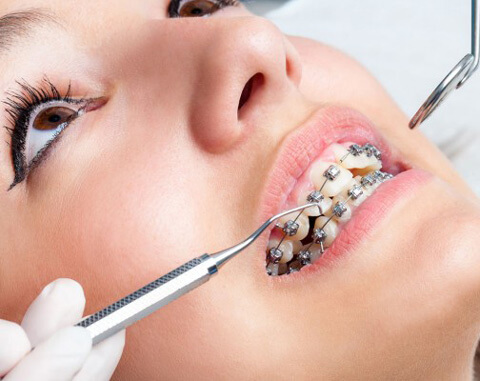
Braces tightening refers to a scheduled orthodontic adjustment during which your orthodontist modifies your braces to maintain optimal pressure on your teeth. This adjustment typically occurs every 4 to 6 weeks, depending on the type of braces and your individual treatment response.
During a tightening appointment, the orthodontist may:
- Replace or upgrade the archwire
- Adjust bracket positioning
- Change elastic ligatures or activate self-ligating brackets
- Add or modify orthodontic elastics
These changes apply fresh, controlled force to continue guiding your teeth into their planned positions. Mild soreness afterward is common and indicates that the braces are actively working.
See more: Braces near me in Vietnam
Why Do Braces Need to Be Tightened?
Teeth do not move permanently without continuous, well-controlled orthodontic force. Braces work by stimulating a biological process in which bone is gradually broken down and rebuilt around the moving teeth. As alignment improves, the force generated by wires and elastics naturally weakens. This is why regular adjustments are essential to maintain safe, predictable progress.
Maintains Consistent Orthodontic Pressure
When braces are first activated, wires and elastics apply an optimal level of force to initiate tooth movement. As teeth begin to shift, this force diminishes. If not renewed:
- The pressure becomes too weak to stimulate further bone remodeling
- Tooth movement slows significantly
Tightening restores the appropriate level of force needed to continue movement without overloading the teeth or surrounding tissues.
Adapts to Ongoing Tooth Movement
No two teeth move at the same rate. During each adjustment:
- The orthodontist evaluates how individual teeth have responded
- Forces are increased, reduced, or redirected based on progress
This customization allows treatment to remain precise and biologically safe, preventing excessive pressure that could cause pain, root resorption, or gum damage.
Targets New Alignment Challenges
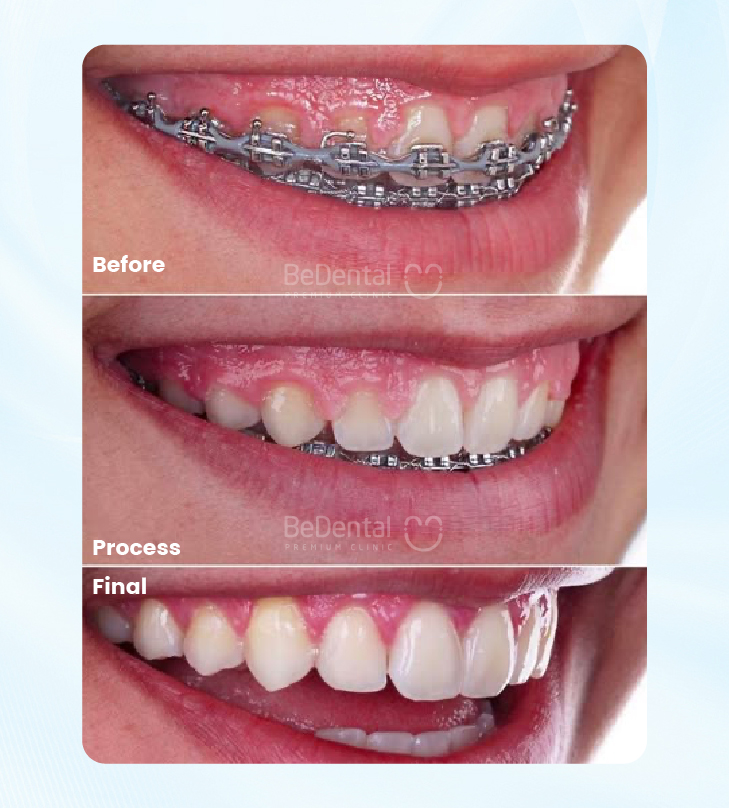
Orthodontic treatment is dynamic. As some teeth reach their intended positions:
- Adjacent teeth may shift or require refinement
- Bite relationships may change
Tightening appointments allow orthodontists to introduce targeted corrections—such as rotations, torque adjustments, or space closure—ensuring that alignment progresses in harmony across the entire arch.
Improves Treatment Efficiency
Regular adjustments keep treatment aligned with the original plan. When appointments are missed or delayed:
- Tooth movement becomes inconsistent
- Additional corrective steps may be required later
Consistent tightening helps avoid setbacks, reducing the likelihood of extended treatment time or unnecessary complications.
See more: Orthodontic Treatment in Vietnam
How Often Are Braces Tightened?
In most orthodontic clinics in Vietnam, braces are tightened every 4–6 weeks. This interval is based on biological tooth movement principles, as bone remodeling typically requires about 21–28 days to respond to orthodontic force before the next adjustment can be safely made.
On average, comprehensive orthodontic treatment lasts 18–24 months, meaning patients may attend approximately 12–20 adjustment visits throughout the entire treatment process.
However, the exact timing depends on several factors:
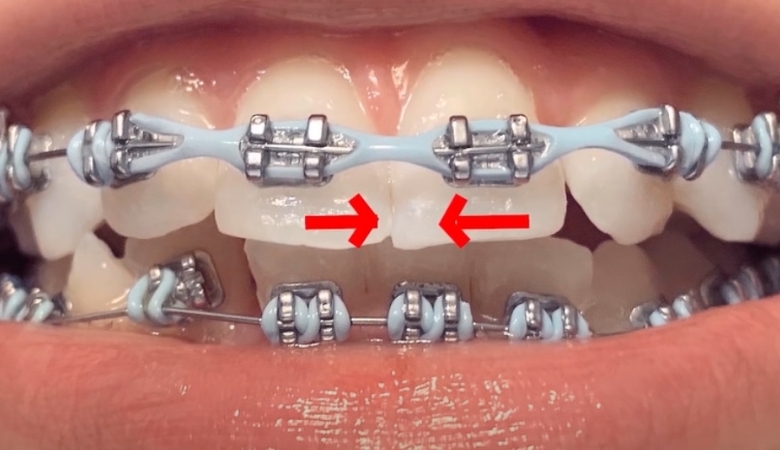
- Type of braces
- Traditional metal or ceramic braces often require adjustments every 4 weeks.
- Self-ligating systems may extend intervals to 6–8 weeks due to lower friction mechanics.
- Bone response and tooth movement rate
- Teeth typically move about 0.5–1 mm per month under controlled forces.
- Orthodontic force per tooth usually ranges from 20–150 grams, depending on the movement type (tipping, bodily movement, rotation).
- Patient comfort and biological response
- Mild soreness commonly lasts 3–5 days after tightening.
- Excessive or prolonged pain may indicate the need for force adjustment.
If you feel that your braces have lost pressure earlier than expected, or you no longer feel resistance when chewing, you should contact your orthodontist for evaluation. In some cases, broken brackets or loose archwires can reduce effective force, potentially delaying progress by several weeks if not corrected promptly.
Regular monitoring ensures steady, safe tooth movement while minimizing risks such as root resorption, which occurs at mild levels in approximately 80–90% of orthodontic patients but is clinically significant in only 1–5% of cases when properly managed.
Does Getting Braces Tightening in Vietnam Hurt?
Yes—some discomfort is normal. After tightening, you may experience:
Soreness and Tooth Sensitivity
When braces are tightened, pressure is applied to move teeth through the bone. This triggers a mild inflammatory response in the periodontal ligament (PDL), the soft tissue connecting the tooth root to the jawbone.
- Sensitivity typically peaks within 24–48 hours
- Most discomfort lasts 2–3 days
- In some patients, sensitivity may persist up to 5–7 days
- Teeth generally move about 0.5–1 mm per month
As bone remodeling begins (usually within 3–5 days), tissues adapt and discomfort gradually subsides. This sensation is a biological response — not a sign that something is wrong.
Difficulty Chewing

After tightening, teeth may feel slightly loose or unstable. This temporary sensation occurs because:
- The periodontal ligament is under pressure
- Teeth are in an active transitional movement phaseResearch shows bite force can temporarily decrease by 20–40% in the first few days after adjustment. Chewing hard or crunchy foods can amplify discomfort during this time.
For most patients, chewing ability improves within 3–5 days as tissues stabilize.
Soft Tissue Irritation
Newly adjusted wires or brackets may rub against the inner cheeks, lips, or tongue. This can lead to:
- Mild redness or soreness
- Small ulcers (affecting approximately 25–40% of brace patients at some point during treatment)
These irritations are mechanical rather than infectious and usually resolve within 7–14 days as:
- Oral tissues adapt and thicken
- Orthodontic wax reduces friction
Persistent irritation may indicate a protruding wire and should be evaluated by the orthodontist.
| Symptom | Why It Happens | Peak Time | Duration | How Common |
| Tooth Soreness | Inflammatory response in PDL | 24–48 hours | 2–3 days (up to 7 days) | 70–95% |
| Chewing Difficulty | Temporary bite force reduction | First 1–3 days | 3–5 days | Very common |
| Soft Tissue Irritation | Friction from brackets/wires | First few days | 7–14 days (if untreated) | 25–40% |
Tips to Reduce Pain After Braces Tightening
Discomfort after braces tightening is a normal biological response to renewed orthodontic force. The goal is not to eliminate sensation entirely, but to support the teeth, gums, and surrounding tissues as they adapt. Dentists typically recommend the following evidence-based measures:
Use a Topical Oral Anesthetic
Apply a small amount of an oral numbing gel (such as benzocaine-based products) directly to sore gums or pressure points using a clean finger or cotton swab. This helps reduce localized gum irritation caused by bracket pressure or wire contact. Use only as directed and avoid excessive application.
Eat Soft or Semi-Liquid Foods
For the first 24–48 hours, choose foods that require minimal chewing to prevent additional stress on sensitive teeth. Soft foods reduce mechanical pressure on the periodontal ligament, allowing inflammation to settle more quickly.
Take Over-the-Counter Pain Relievers (If Necessary)
Non-prescription pain relievers can be used for short-term relief when discomfort interferes with eating or sleeping. Dentists generally advise limited, short-term use only, as pain medication should not replace proper orthodontic force control.
Apply a Cold Compress Externally

Place a cold pack or ice wrapped in a cloth against the cheek near the sore area for 10–15 minutes at a time. Cold therapy helps constrict blood vessels, reduce inflammation, and dull nerve sensitivity during the initial adjustment phase.
Drink Cold Water or Cold Beverages
Cold liquids can temporarily numb oral tissues and soothe inflammation around teeth and gums. Small, frequent sips throughout the day are often more effective than a single cold application.
Maintain Gentle but Thorough Oral Hygiene
Continue brushing and flossing, but use gentle pressure and a soft-bristled toothbrush. Aggressive brushing can worsen soreness and irritate already-sensitive gums after tightening.
Encourage Blood Flow With Gentle Chewing and Massage
Light chewing (such as soft foods) and gentle gum or jaw massage can improve circulation, helping inflammatory byproducts clear more quickly and reducing stiffness.
Use Orthodontic Wax for Mechanical Irritation
Apply orthodontic wax to brackets or wire ends that rub against the lips, cheeks, or tongue. This creates a protective barrier and prevents small abrasions from becoming painful ulcers.
Rinse With Warm Salt Water
Mix one teaspoon of salt into a glass of warm water and rinse gently for 30 seconds. Saltwater helps reduce inflammation, promotes healing, and lowers bacterial load in irritated areas.
Allow Time for Natural Adaptation
The most important factor is time. As the periodontal tissues adapt to new forces, discomfort typically diminishes on its own within a few days. Avoid unnecessary stress on your teeth during this period.
See more: Does getting braces hurt? Which stage is the most painful?
What Happens If You Skip Braces Tightening?
Skipping or delaying orthodontic adjustments does not directly harm your teeth or gums, but it disrupts the biological process required for effective orthodontic treatment.
Loss of Effective Orthodontic Force
Braces work by applying continuous, controlled pressure—usually between 20–150 grams per tooth, depending on the type of movement. As teeth shift (about 0.5–1 mm per month), the force from the archwire gradually decreases.
Without tightening:
- The applied force may drop below the optimal biological threshold
- Tooth movement slows or temporarily stops
- Archwire elasticity weakens over time
Research shows that orthodontic force effectiveness significantly declines after approximately 4–8 weeks without reactivation, reducing treatment efficiency.
Slowed or Stalled Tooth Movement
Orthodontic treatment depends on a continuous cycle of:
- Force application
- Bone resorption (on the pressure side)
- Bone formation (on the tension side)
- Reapplication of optimal force
Bone remodeling typically takes about 21–28 days per activation cycle. Skipping tightening interrupts this process, which can cause movement to stall. If appointments are delayed by 8–12 weeks or longer, progress may pause entirely.
Extended Treatment Duration
When adjustments are missed:
- Planned tooth movements are delayed
- Additional refinement appointments may be required
- Overall treatment time increases
On average, comprehensive braces treatment lasts 18–24 months. Missing multiple visits can extend treatment by 2–6 additional months, depending on the length of delay and case complexity.
In more severe cases, prolonged stagnation may require:
- Stronger archwire progression
- Repositioning of brackets
- Additional elastics
This increases clinical complexity and patient discomfort.
Reduced Treatment Predictability
Orthodontic plans are designed around regular 4–6 week monitoring intervals. Skipping visits reduces the orthodontist’s ability to:
- Detect unwanted tooth movement early
- Identify broken brackets or loose wires (which occur in approximately 10–15% of patients during treatment)
- Maintain precise control over bite alignment
Even minor uncontrolled movement can alter midlines or bite contact points, requiring corrective steps later.
Why Choose BeDental for Tightening Braces in Vietnam?

BeDental is recognized for its precision-based orthodontic care, particularly for adult and aesthetic cases.
Specialized Orthodontic Expertise
At BeDental, treatment is managed by:
- 100% cases supervised by certified orthodontic specialists
- Dentists trained in digital orthodontics and biomechanical planning
- Multidisciplinary collaboration (orthodontics – prosthodontics – oral surgery when needed)
Clinical Performance Indicators:
- Over 1,000+ orthodontic cases completed
- More than 70% adult patients
- Complex malocclusion cases (overbite, underbite, crossbite) account for 40–50% of treated cases
- Treatment success rate above 95% (stable occlusion after retention phase)
Each case begins with full bite analysis, including skeletal assessment and occlusal evaluation — not just cosmetic alignment.
Advanced Digital Planning
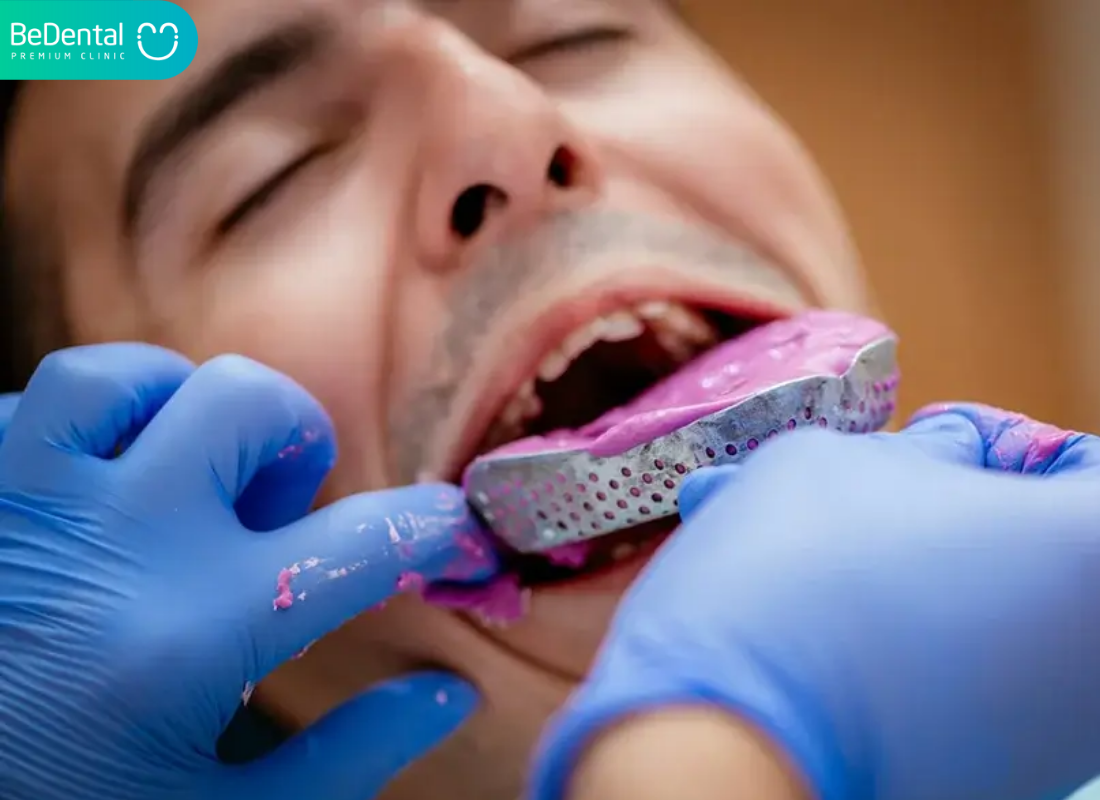
BeDental uses:
- 3D scans instead of traditional molds
- Predictive simulations
- Custom bracket positioning
This shortens treatment time and improves results.
Transparent Pricing and Long-Term Support
BeDental prioritizes financial clarity and long-term outcomes.
Patients receive:
- A clear treatment roadmap from consultation to retention
- Written quotation with 0 hidden fees
Flexible installment plans (0% interest options available) - Customized retention plan (fixed or removable retainers)
- Warranty policies up to 3–5 years depending on treatment type
Retention Monitoring:
- Follow-up compliance rate above 90%
- Remote monitoring options for international or out-of-province patients
International Patient Care
BeDental serves both local and overseas patients.
Services include:
- Online consultation before arrival
- English-speaking clinical coordinators
- Flexible appointment scheduling (weekend support)
- Post-treatment remote guidance
International Service Metrics:
- Patients from 10+ countries
- Average response time for online consultation: within 24 hours
- Over 80% patient satisfaction rate in aesthetic orthodontic cases.
Tightening braces is not about applying more force—it is about applying the right force at the right time. When performed correctly, brace adjustments ensure safe tooth movement, stable results, and a healthier smile.