

 English
 한국어
한국어 日本語
日本語 中文 (中国)


In recent years, Mewing exercises in Vietnam have gained widespread attention, especially among young adults interested in facial aesthetics, jawline definition, and non-surgical methods to improve appearance. Originating from orthodontic concepts developed in the UK, Mewing is often promoted as a simple habit that may influence facial development over time.
But how effective is Mewing really? Can it truly change facial structure, or is it just another online trend? This article provides a scientifically grounded, balanced analysis of the Mewing method, how it is practiced, its potential benefits, limitations, and risks—particularly relevant for people practicing Mewing exercises in Vietnam.
1. What Is the Mewing Method?
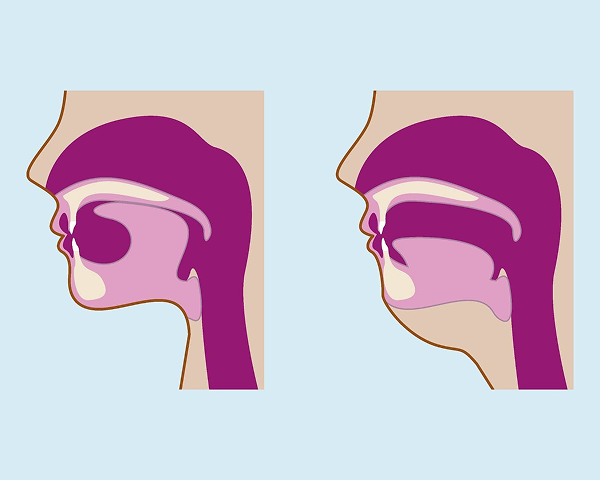
The Mewing method is based on the concept of correct tongue posture. It was introduced by Professor Mike Mew, an orthodontist and co-founder of the Orthotropics philosophy, which emphasizes guiding facial growth through posture and function rather than surgery alone.
Mewing focuses on:
- Keeping the tongue flat against the roof of the mouth (palate)
- Maintaining nasal breathing
- Encouraging proper head, neck, and jaw posture
The core idea is that consistent muscular forces, especially from the tongue, may influence facial bone positioning over time, particularly during growth years.
In Vietnam, Mewing exercises are increasingly discussed on social media, fitness forums, and aesthetic communities as a non-invasive, low-cost approach to facial improvement.
See more: Does getting braces hurt? Which stage is the most painful?
2. How to Practice Mewing Exercises Correctly
Practicing the Mewing method requires consistency, proper posture, and awareness of tongue and jaw positioning. The goal is to maintain correct tongue posture at rest, not to apply excessive force. Below is a more detailed and accurate guide to practicing Mewing safely:
First, gently close your lips and keep them relaxed. Your teeth should be lightly touching or separated by a very small space—there should be no clenching or grinding. Proper lip seal helps encourage nasal breathing, which is a key component of correct oral posture.
Next, allow your lower jaw to rest naturally, slightly behind the upper jaw. Avoid pushing the jaw forward or forcing it backward, as this can strain the temporomandibular joint (TMJ). The jaw position should feel comfortable and neutral.
Then, raise your entire tongue to the roof of your mouth (the palate). This is the most important step. The tongue should lie flat against the palate from the tip to the back, not just the front portion. The pressure should be gentle and even—do not press hard, as excessive force does not speed up results and may cause discomfort.
Position the tip of your tongue lightly against the gum ridge just behind your upper front teeth, without touching the teeth themselves. This placement helps guide proper tongue posture while preventing unwanted pressure on the incisors, which could otherwise contribute to tooth movement over time.
Throughout the practice, breathe slowly and evenly through your nose, not your mouth. Nasal breathing supports correct tongue posture and facial muscle balance. If nasal breathing feels difficult, this may indicate underlying airway or nasal issues that should be evaluated by a dental or medical professional.
Finally, maintain good head, neck, and body posture. Keep your head upright, your neck straight, and your shoulders relaxed. Poor posture can negatively affect jaw position and reduce the effectiveness of Mewing. Over time, correct tongue posture and proper body alignment should become a natural resting habit rather than a conscious effort.
3. How Can Mewing Exercises Change the Face?
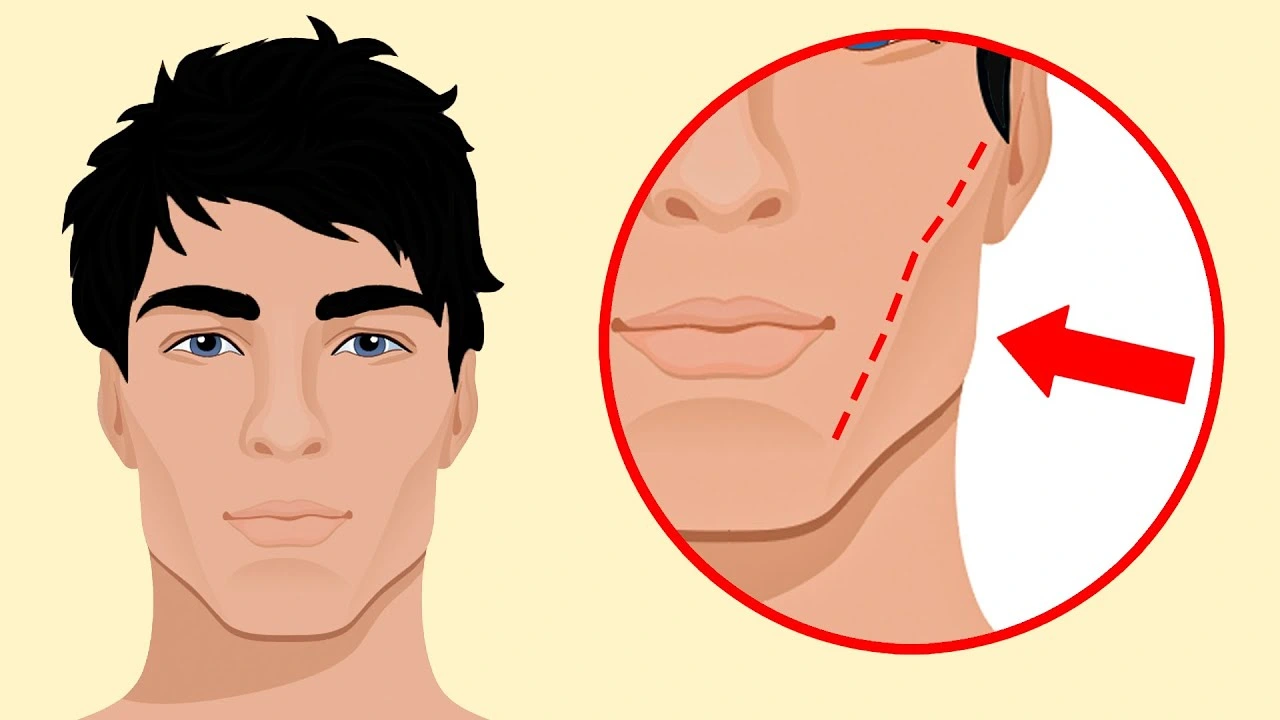
According to Professor Mike Mew, long-term correct tongue posture may influence facial muscles and skeletal positioning. However, outcomes vary widely depending on age, genetics, and consistency.
| Claimed Effect | Explanation | Likelihood of Noticeable Change |
| Improved Facial Projection | Long-term correct tongue posture may apply gentle upward pressure on the palate, theoretically influencing maxillary development in growing individuals. | ⚠️ Moderate in children / Low in adults. Craniofacial growth is most responsive before puberty. After ~16–18 years old, skeletal change without orthodontic or surgical intervention is minimal. |
| Enhanced Jawline Definition | Improved tongue posture and head-neck alignment may reduce submental soft tissue laxity and improve muscular tone. | ⚠️ Mild soft tissue change possible. Studies show posture correction can improve neck angle by 5–10 degrees, but no strong evidence of significant skeletal jawline reshaping in adults. |
| Facial “Lifting” Effect | Proper tongue posture may support midface musculature and reduce downward facial pattern tendencies. | ⚠️ Low skeletal impact in adults. Muscle tone improvement may slightly enhance contour, but it does not replace cosmetic procedures. |
| Chin and Lip Balance (E-line Relationship) | Orthodontic theory references the E-line (esthetic line) for lip-chin balance. Tongue posture may influence dental positioning over time in growing patients. | ⚠️ Possible in adolescents with active growth. Lip prominence can change with orthodontic treatment, but Mewing alone has limited documented effect. |
| Perception of a Shorter, More Balanced Face | Forward tongue posture may reduce open-mouth posture and vertical facial elongation pattern. | ⚠️ More relevant in children (10–14 years) during growth phase. Vertical facial growth patterns are largely genetic and established early. |
| Forehead and Head Posture Improvement | Correct tongue placement often coincides with improved cervical posture and reduced forward head posture. | ✅ More plausible effect. Posture therapy studies show forward head posture can improve within 4–8 weeks with consistent training. |
4. Scientific Perspective: What Does Evidence Say?
Currently, there is limited high-quality clinical evidence proving that Mewing alone can significantly alter adult facial bone structure. Most orthodontists agree that:
- Tongue posture does influence oral function. Proper tongue position supports nasal breathing and swallowing patterns. Abnormal tongue posture (tongue thrust) is observed in approximately 5–15% of children, and it can contribute to malocclusion.
- Mewing may help maintain results after orthodontic treatment. Relapse after orthodontic treatment occurs in up to 20–50% of cases over time if retention and functional habits are not properly maintained. Correct tongue posture may support stability, but it does not replace retainers.
- It is not a substitute for braces, aligners, or jaw correction when structural problems exist. Moderate to severe malocclusion affects roughly 30–40% of adolescents globally, and these cases typically require orthodontic appliances or, in severe skeletal discrepancies, orthognathic surgery.
Moreover, the jaw muscle system is complex. The masticatory muscles can generate bite forces of 500–700 Newtons in molar regions, and improper or excessive tongue pressure may disrupt occlusal balance. Incorrectly performing Mewing may contribute to:
- Misaligned teeth (especially if uneven pressure is applied)
- Skeletal imbalance between upper and lower jaw
- Temporomandibular joint (TMJ) discomfort, which affects approximately 5–12% of the adult population
- Tooth mobility, particularly in individuals with pre-existing periodontal issues (periodontitis affects 10–15% of adults in severe forms)
Mewing may be a beneficial supportive habit for improving posture awareness, nasal breathing, and muscle tone. However, for individuals experiencing dental crowding, jaw pain, bite problems, or facial asymmetry, professional evaluation is essential. Structural dental or skeletal issues typically require evidence-based orthodontic or surgical intervention rather than posture exercises alone.
If symptoms such as jaw pain, clicking sounds, or tooth shifting persist for more than 2–3 weeks, consultation with a dental or orthodontic specialist is strongly recommended.
See more: Orthodontic Treatment in Vietnam
5. Alternative Methods for Facial Aesthetic Improvement
Cosmetic Surgery
Cosmetic surgery offers the most direct and dramatic way to change facial structure, including the jawline, chin, nose, or facial proportions. Surgical procedures can deliver visible and permanent results when performed correctly. However, this option is high-cost, invasive, and irreversible.
Patients must also consider potential risks such as post-operative pain, scarring, infection, prolonged swelling, nerve damage, asymmetry, and, in rare cases, tissue necrosis. Recovery time can range from several weeks to months, and outcomes depend heavily on surgical expertise and individual healing response.
Because of these factors, cosmetic surgery is generally recommended only for severe skeletal discrepancies or when non-surgical options are no longer effective.
Braces (Orthodontic Treatment)
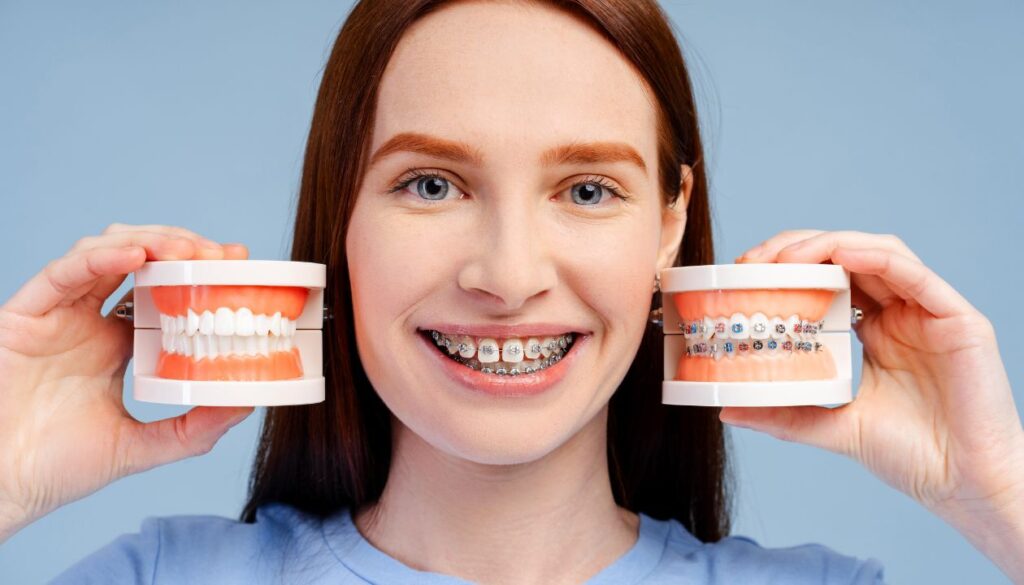
Braces are a safe, medically proven, and non-invasive method for correcting bite alignment and tooth positioning. By restoring proper occlusion, orthodontic treatment can significantly influence facial balance over time. Improvements may be observed in the jawline definition, chin projection, lip support, and overall facial profile, particularly in side-view aesthetics.
Unlike cosmetic procedures that focus only on appearance, braces improve both function and aesthetics, helping to enhance chewing efficiency, speech, and long-term oral health. While results require patience, orthodontic treatment delivers stable and natural-looking changes that evolve gradually with minimal risk when supervised by qualified specialists.
Cosmetic Injections (Fillers and Botox)
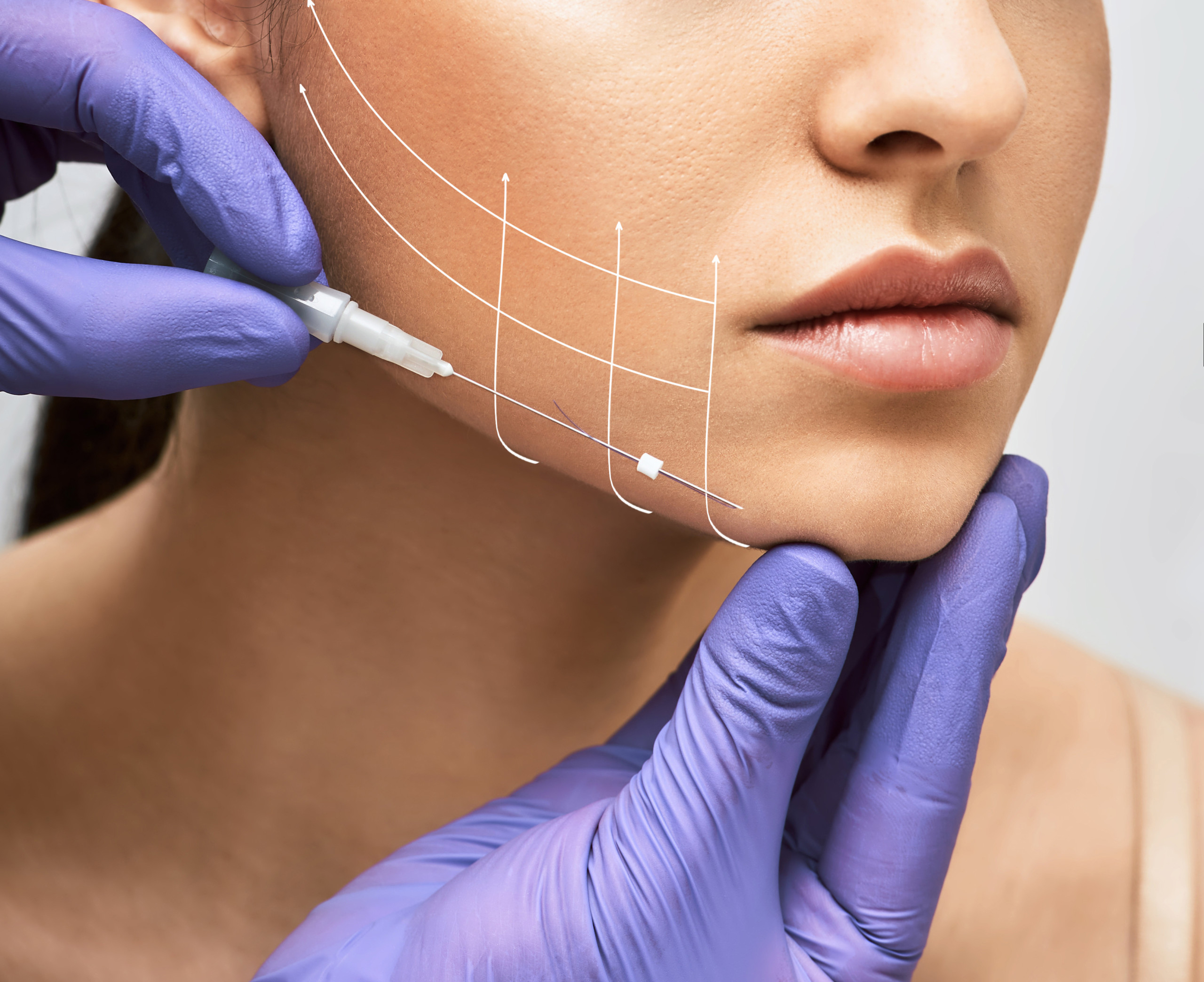
Cosmetic injections are a popular option for individuals seeking quick, minimally invasive facial enhancements. Fillers and neuromodulators can be used to reshape the lips, cheeks, chin, or jawline, creating a slimmer or more defined facial contour. The procedure is relatively fast and requires little to no downtime.
However, results are temporary, typically lasting 4–6 months, and repeated treatments are necessary to maintain the effect. Overuse or improper injection techniques may lead to facial stiffness, asymmetry, or unnatural results. Cosmetic injections are best suited for soft-tissue enhancement rather than structural correction.
6. When to Seek Professional Advice Instead of Self-Practice
If you want to improve concerns related to jaw structure, facial bone alignment, or dental issues, it is strongly recommended to consult a professional dental clinic before attempting any self-guided exercises such as Mewing.
Jaw position, bite alignment, and tooth structure are medically complex. Practicing exercises without an accurate diagnosis may not only limit results but also increase the risk of jaw joint problems, tooth movement, or bite imbalance.
At BeDental, patients receive a comprehensive orthodontic and facial assessment, including digital X-rays and 3D analysis, to determine whether facial concerns are related to bone structure, dental alignment, muscle function, or posture. Digital radiography reduces radiation exposure by up to 70–80% compared to traditional X-rays, while 3D CBCT imaging provides sub-millimeter accuracy (as precise as 0.1–0.2 mm), allowing clinicians to evaluate jaw position, airway space, and skeletal relationships with high precision.
Clinical data show that nearly 60–75% of malocclusion cases involve a skeletal component rather than just tooth misalignment, making detailed structural assessment essential before recommending any intervention. Additionally, airway evaluation through 3D imaging can help identify narrowing that may be associated with mouth breathing or sleep-related issues in up to 30–40% of orthodontic patients.
By seeking professional guidance first, you ensure that any effort to improve jaw or facial appearance is medically sound, personalized, and effective, helping you avoid unnecessary risks while achieving the best long-term outcome.
See more: Braces near me in Vietnam

Tư vấn chuyên môn bài viết:
BÁC SĨ DƯƠNG THỊ THÙY NGA
Tại BeDental, khách hàng có thể an tâm điều trị với dịch vụ bảo lãnh viện phí nha khoa nhanh chóng và tiện lợi. BeDental hiện liên kết với nhiều công ty bảo hiểm uy tín, hỗ trợ thanh toán trực tiếp chi phí các dịch vụ nha khoa như nhổ răng, trám răng, điều trị tủy, phục hình răng sứ... Quy trình linh hoạt, minh bạch giúp tiết kiệm thời gian và tối ưu chi phí. Hãy liên hệ BeDental để được tư vấn chi tiết và tận hưởng trải nghiệm chăm sóc răng miệng chuyên nghiệp, không lo gánh nặng tài chính.
? Các đơn vị nha khoa chấp nhận bảo lãnh bao gồm : Hùng Vương Insurance, Bảo Long Insurance, BSH (Bảo hiểm BSH), FWD Insurance Cathay Life Fubon Insurance, Tokio Marine Insurance Group VNI (Bảo hiểm Hàng không), HD Insurance MSIG AAA Insurance PTI (Bảo hiểm Bưu điện), BIDV MetLife, PJICO, Techcom, Insurance, AIA, Dai-ichi Life MIC GIC DBV Insurance VBI (Bảo hiểm VietinBank)
? Các công ty bảo hiểm BeDental có thể xuất hóa đơn: Manulife Dai-ichi Life Prudential AIA Hanwha Life PVI VCLI (Bảo hiểm nhân thọ Vietcombank - Cardif) BIC (Bảo hiểm BIDV), Bảo Việt Insurance và PVI