

 English
 한국어
한국어 日本語
日本語 中文 (中国)


Can Patients with a Crossbite Practice Mewing in Vietnam? Mewing has gained significant attention in recent years as a non-surgical method claimed to improve jaw position and facial aesthetics through proper tongue posture. As awareness of facial aesthetics and orthodontic health increases in Vietnam, many patients—especially those with bite problems such as crossbite—are asking an important question: Can patients with a crossbite safely practice mewing in Vietnam, and will it actually help?
To answer this accurately, it is essential to understand both crossbite conditions and the limitations of mewing, particularly from a clinical orthodontic perspective.
What Is a Crossbite?
A crossbite is a type of malocclusion in which one or more teeth sit in an abnormal position relative to the opposing teeth. Instead of the upper teeth slightly overlapping the lower teeth (a normal bite), the relationship is reversed in certain areas.
Crossbites can be classified into several types:
- Anterior crossbite: One or more upper front teeth bite behind the lower front teeth
- Posterior crossbite: Upper back teeth bite inside the lower back teeth
- Unilateral or bilateral crossbite: Affecting one side or both sides of the jaw
In Vietnam, crossbite is commonly diagnosed in both adolescents and adults, often caused by genetics, jaw size discrepancies, prolonged mouth breathing, early tooth loss, or untreated childhood habits.
If left untreated, crossbite can lead to uneven tooth wear, gum recession, jaw joint problems (TMJ), facial asymmetry, and chewing difficulties.
What Is Mewing and What Does It Aim to Do?
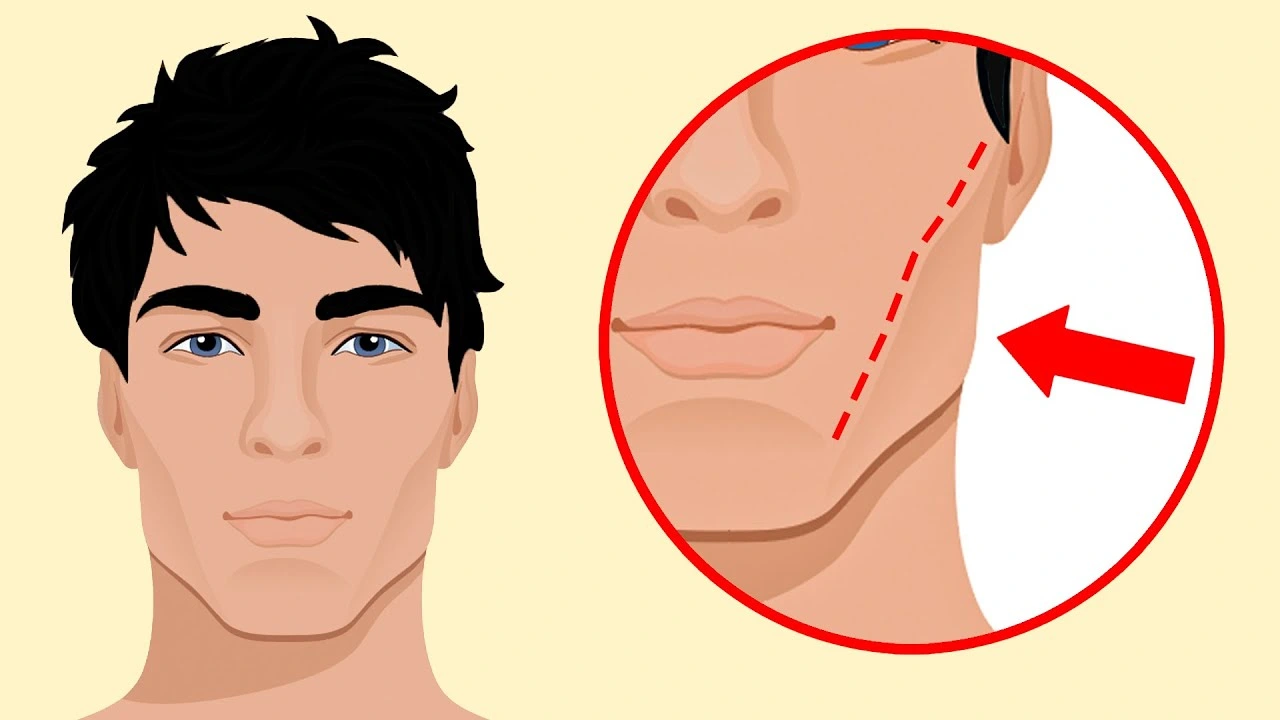
Mewing refers to maintaining correct tongue posture, where the tongue rests fully against the roof of the mouth while breathing through the nose and maintaining proper head and neck posture. The method was popularized by Dr. Mike Mew under the concept of orthotropics.
The theoretical goals of mewing include:
- Supporting proper oral posture
- Encouraging balanced facial muscle function
- Potentially guiding jaw development in growing children
- Improving breathing habits
However, it is crucial to note that mewing is not a medical treatment and is not recognized as a standalone solution for correcting skeletal malocclusions such as crossbite—especially in adults.
See more: Braces near me in Vietnam
Can Patients with a Crossbite Practice Mewing?
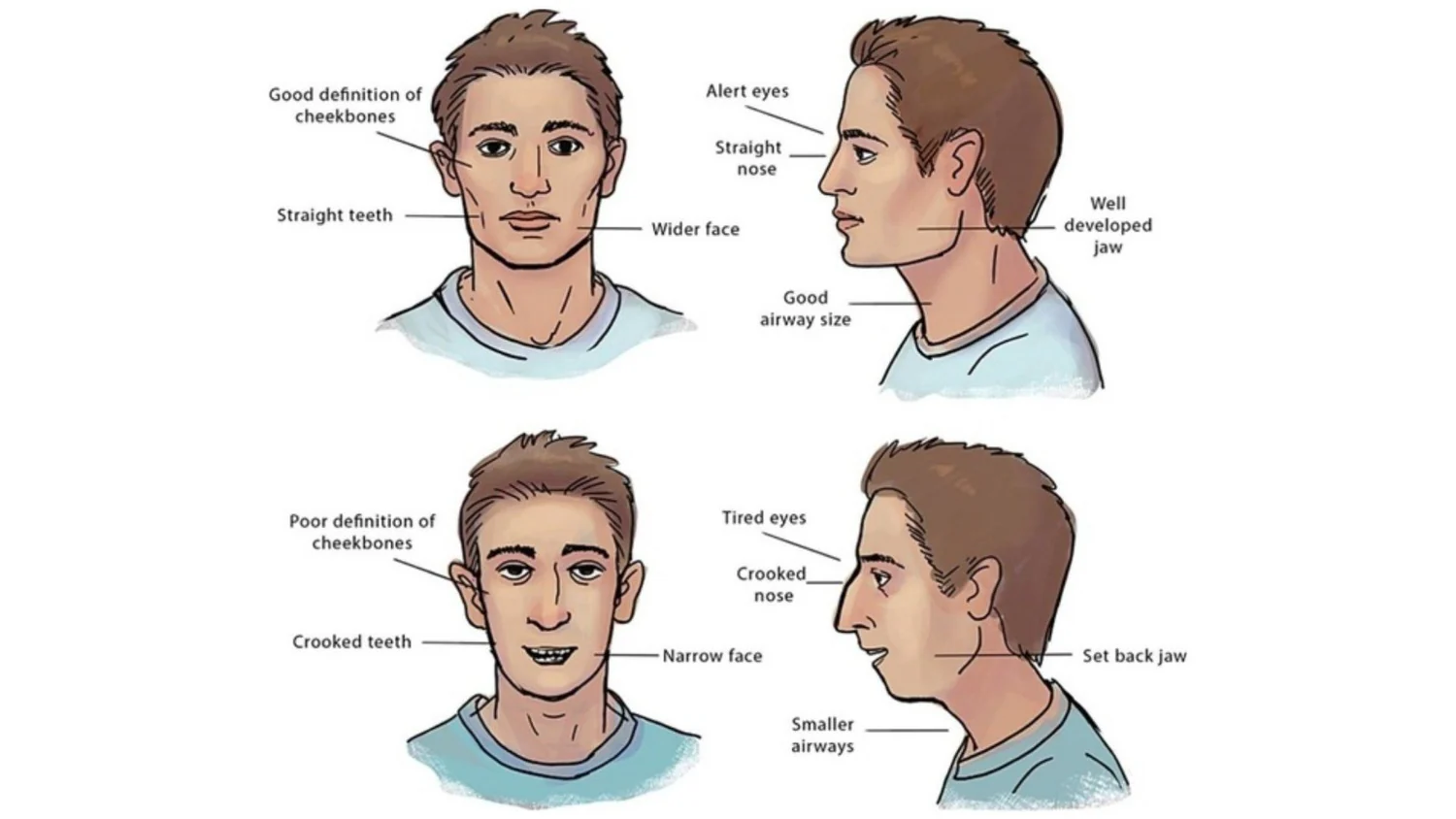
Why Mewing cannot fix Crossbite on its own? A crossbite is primarily a structural and orthodontic issue, often involving:
- Jaw width discrepancies
- Asymmetrical jaw growth
- Incorrect tooth positioning
- Skeletal imbalance between upper and lower jaws
A crossbite is primarily a structural and orthodontic issue, often involving jaw width discrepancies, asymmetrical jaw growth, incorrect tooth positioning, and skeletal imbalance between the upper and lower jaws. Epidemiological studies show that crossbite affects approximately 8–23% of children and adolescents, and posterior crossbite accounts for 70–90% of pediatric cases, highlighting that this is a common structural condition rather than a minor muscle habit issue.
Mewing focuses on muscle posture and tongue positioning. While this may support oral awareness and breathing habits, it cannot move bones or teeth into proper alignment in a predictable or controlled way. Orthodontic tooth movement typically requires continuous forces of 20–150 grams per tooth, whereas resting tongue pressure averages only 1–5 grams, which is insufficient to reposition teeth or expand the jaw in a clinically measurable way.
In growing patients, orthopedic appliances such as rapid palatal expanders can widen the upper jaw by approximately 3–8 mm within 3–6 months, significantly correcting transverse discrepancies. In contrast, there is currently no high-quality clinical evidence demonstrating that mewing alone can produce comparable skeletal expansion.
See more: Does getting braces hurt? Which stage is the most painful?
Potential Risks of Mewing for Crossbite Patients
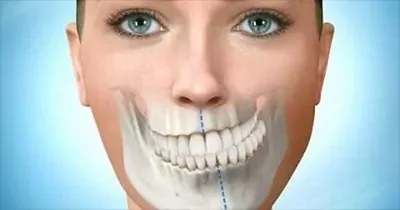
While mewing is often promoted as a natural method to improve facial structure, practicing it incorrectly or without professional supervision can pose certain risks for patients with crossbite—especially when jaw alignment is already compromised. Crossbite affects approximately 8–23% of the population, and studies show that up to 60–70% of untreated unilateral posterior crossbite cases may develop functional jaw shifts, meaning the bite is already biomechanically unstable before any additional pressure is applied.
Common potential risks include:
Worsening bite imbalance
Crossbite is fundamentally an issue of incorrect tooth–jaw relationship. Applying tongue pressure unevenly against the palate may unintentionally reinforce the existing imbalance. Although resting tongue pressure typically ranges from 1–5 grams, repeated or forceful pressing can exceed this baseline and alter dental positioning over time. Even small continuous forces—orthodontics uses as little as 20–60 grams for tipping movements—can gradually influence tooth position. If that pressure is asymmetrical, one side of the bite may become more dominant, potentially worsening occlusal cant or midline deviation rather than improving symmetry.
Increased jaw joint strain (TMJ discomfort)
Patients with crossbite often experience uneven jaw loading during chewing and speaking. Research indicates that individuals with malocclusion have a 1.5–2 times higher prevalence of temporomandibular disorder (TMD) symptoms compared to those with normal occlusion. Improper tongue posture or forced jaw positioning during mewing may increase stress on the temporomandibular joints (TMJ), which normally tolerate chewing forces of 70–150 Newtons. When this load becomes asymmetrical, it may contribute to jaw pain, clicking sounds, headaches, or neck and shoulder tension. TMD symptoms affect approximately 5–12% of adults, and existing bite imbalance may increase susceptibility.
Unintended tooth movement
Continuous tongue pressure can influence tooth position due to the biological principle that teeth respond to sustained light force. Orthodontic movement occurs under controlled forces maintained over 18–24 months. If patients with crossbite apply unbalanced tongue pressure daily for several hours, even low-level force may gradually push certain teeth in an unfavorable direction. This could complicate future orthodontic correction, potentially increasing treatment duration by several months if additional repositioning becomes necessary.
Muscle tension and facial asymmetry
Over-engaging facial and jaw muscles while practicing mewing can create muscular imbalance. Studies on masticatory muscle activity show that patients with unilateral crossbite often demonstrate significantly higher electromyographic (EMG) activity on one side, reflecting asymmetrical muscle function. When combined with an already asymmetrical jaw structure, excessive muscular engagement may contribute to facial tension, discomfort, or visible asymmetry over time.
For example, applying stronger tongue pressure on one side of the palate when the upper jaw is narrower or uneven can further exaggerate asymmetry. Given that posterior crossbite frequently involves transverse discrepancies of 3–6 mm, uneven pressure may reinforce that discrepancy rather than correcting it.
When Mewing May Be Beneficial for Crossbite Patients
Although mewing is not a medical treatment for crossbite, it may still have a supportive role in carefully selected cases, when combined with professional orthodontic care.
Mewing may be considered beneficial in the following situations:
As a complementary habit during orthodontic treatment
When patients are undergoing braces or clear aligner therapy, orthodontists may encourage gentle tongue posture awareness to support oral muscle balance and proper resting posture, without attempting to correct the bite through mewing alone.
Under professional supervision
Practicing tongue posture exercises under the guidance of an orthodontist or dentist helps ensure that tongue pressure is balanced and does not interfere with the treatment plan.
To support nasal breathing and posture
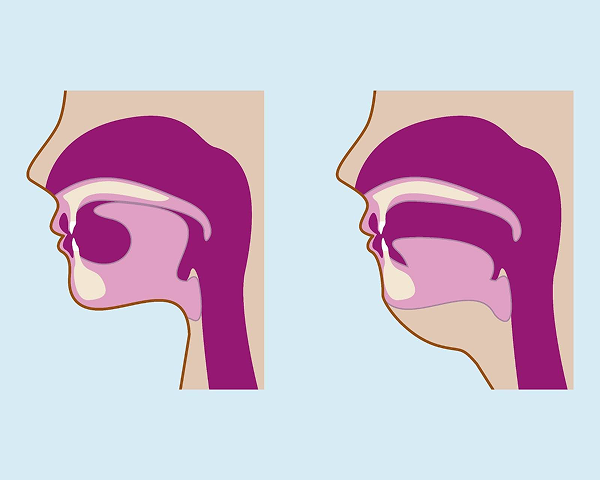
Mewing may help patients become more aware of nasal breathing and head–neck posture, which can indirectly support overall oral function and comfort during treatment.
In growing children and adolescents
In younger patients whose jaw bones are still developing, controlled oral posture training may be incorporated as part of a broader orthodontic or orthopedic treatment plan. Even in these cases, mewing is considered supportive, not corrective.
In Vietnam, some orthodontists allow controlled tongue posture training as a complementary habit, emphasizing that it should never replace braces, aligners, or jaw expansion therapy when these are clinically indicated.
See more: Orthodontic Treatment in Vietnam
Best Treatment Options for Crossbite in Vietnam
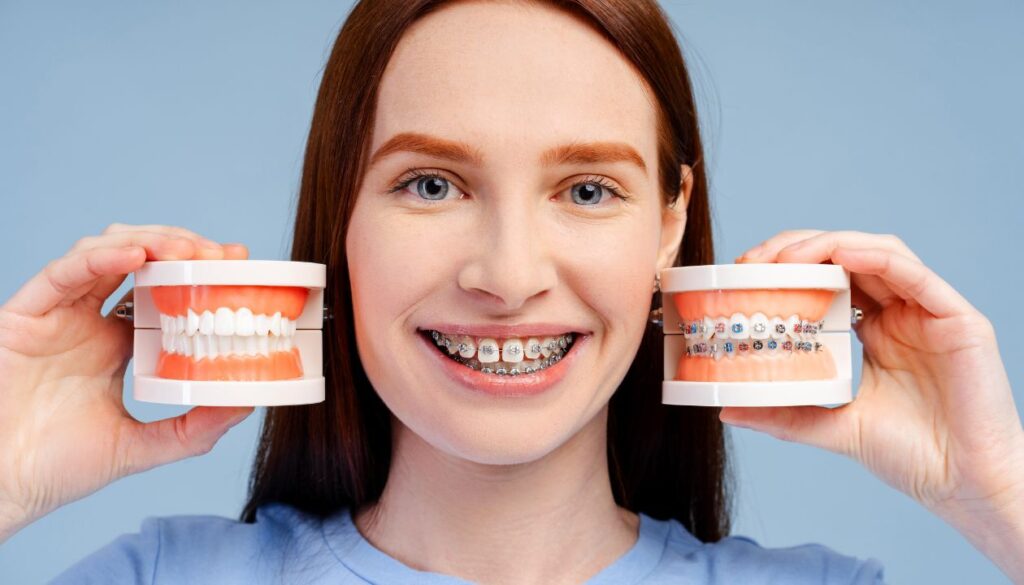
For patients diagnosed with crossbite, Vietnamese dental clinics prioritize evidence-based, clinically proven treatments that address the underlying dental and skeletal causes.
Common treatment options include:
| Treatment Option | Who It’s For | Main Purpose | Level of Correction | Clinical Effectiveness |
| Braces or Clear Aligners | Teenagers & adults with dental crossbite | Gradually reposition teeth, correct bite relationships, improve chewing efficiency and facial harmony | Mild to moderate cases (dental origin) | Success rate of 85–95% when properly planned |
| Palatal Expanders | Children & adolescents (growing patients) | Widen the upper jaw, create space, correct posterior crossbite early | Skeletal correction in growing phase | Most effective before age 15; can improve arch width by 5–10 mm |
| Bite Correction Appliances | Growing children or specific bite imbalances | Guide jaw positioning, reduce abnormal bite forces | Functional correction | Helps stabilize jaw growth during development |
| Orthodontic–Orthopedic Combination Therapy | Moderate to severe skeletal discrepancies | Address both tooth alignment and jaw position | Comprehensive skeletal + dental correction | Provides greater long-term stability than orthodontics alone |
| Jaw Surgery (Orthognathic Surgery) | Adults with severe skeletal crossbite or facial asymmetry | Reposition jaws for optimal function and aesthetics | Severe skeletal correction | High predictability when combined with orthodontics |
Why Patients Choose BeDental For Orthodontic Treatment
Experienced orthodontic specialists
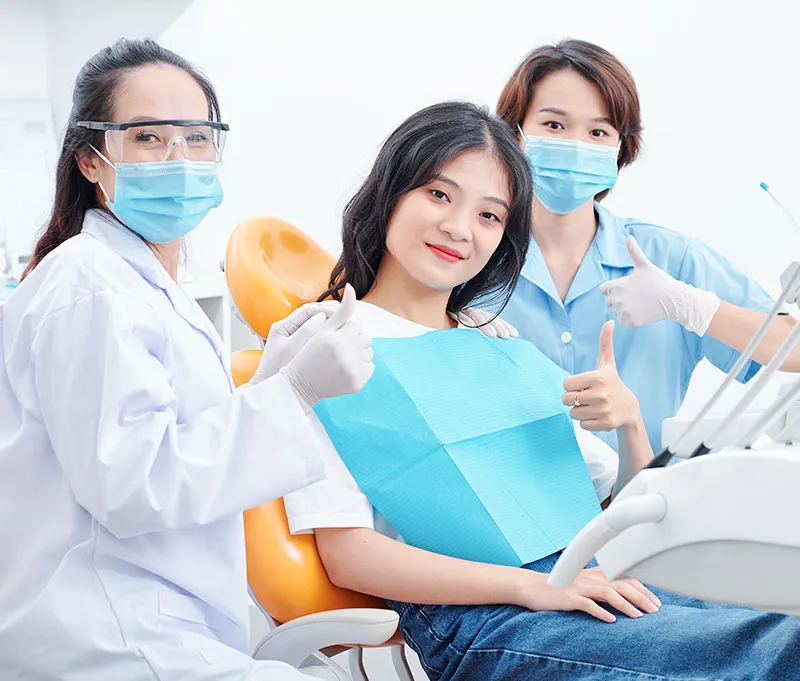
Orthodontic treatment at BeDental is led by certified orthodontists with over 10 years of hands-on clinical experience in managing both simple and complex cases. This includes braces and clear aligners for tooth repositioning, bite correction appliances, and multidisciplinary coordination for skeletal malocclusion. The team prioritizes accurate diagnosis and long-term stability rather than short-term cosmetic alignment.
Comprehensive orthodontic solutions for all age groups
BeDental offers a full range of evidence-based orthodontic treatments, including:
- Braces or clear aligners to reposition teeth accurately
- Palatal expanders for children and adolescents to guide proper jaw development
- Bite correction appliances to improve occlusion and chewing function
- Orthodontic–orthopedic combination therapy for moderate skeletal discrepancies
- Jaw surgery planning and coordination for severe adult skeletal cases
Each treatment plan is customized based on age, jaw structure, facial aesthetics, and functional needs.
High-quality, internationally certified orthodontic materials
All orthodontic appliances and materials used at BeDental are FDA– and ISO-certified and imported from reputable manufacturers in Germany, the United States, and Japan. These materials provide durability, safety, and optimal performance throughout long-term orthodontic treatment.
Multilingual support for international patients
BeDental provides English-speaking orthodontists and dedicated patient coordinators to support overseas patients throughout the treatment process. Clear communication has been shown to improve treatment compliance by up to 30%, contributing to better long-term outcomes. Services include online consultations, treatment planning explanations, and flexible appointment scheduling to accommodate international travel.
Transparent and ethical treatment planning

Patients receive detailed consultations, visual treatment simulations when appropriate, and clear cost breakdowns before treatment begins. There are no hidden fees, and all orthodontic options—including limitations and expected outcomes—are explained thoroughly to support informed decision-making.
Long-term follow-up and retention care
After active orthodontic treatment, BeDental provides structured retention plans to maintain results and prevent relapse. Ongoing follow-up care reflects the clinic’s commitment to long-term oral health, functional stability, and patient satisfaction.
Whether you require braces, clear aligners, jaw expansion, bite correction, or coordinated orthodontic–surgical care, BeDental delivers professional, ethical, and patient-centered orthodontic treatment tailored to lasting results and facial harmony.
Conclusion: Should Crossbite Patients Practice Mewing in Vietnam?
Mewing is not a cure for crossbite and should not be viewed as an alternative to orthodontic treatment. For patients with crossbite in Vietnam—especially adults—braces, aligners, or orthopedic correction remain the gold standard.
That said, mewing may serve as a supportive habit when guided by dental professionals and combined with proper treatment. The key is understanding its limitations and prioritizing medically proven solutions for functional and aesthetic outcomes.
If you suspect you have a crossbite or are unsure whether mewing is appropriate for your condition, consulting a qualified orthodontist in Vietnam is the safest and most effective first step.
Tại BeDental, khách hàng có thể an tâm điều trị với dịch vụ bảo lãnh viện phí nha khoa nhanh chóng và tiện lợi. BeDental hiện liên kết với nhiều công ty bảo hiểm uy tín, hỗ trợ thanh toán trực tiếp chi phí các dịch vụ nha khoa như nhổ răng, trám răng, điều trị tủy, phục hình răng sứ... Quy trình linh hoạt, minh bạch giúp tiết kiệm thời gian và tối ưu chi phí. Hãy liên hệ BeDental để được tư vấn chi tiết và tận hưởng trải nghiệm chăm sóc răng miệng chuyên nghiệp, không lo gánh nặng tài chính.
? Các đơn vị nha khoa chấp nhận bảo lãnh bao gồm : Hùng Vương Insurance, Bảo Long Insurance, BSH (Bảo hiểm BSH), FWD Insurance Cathay Life Fubon Insurance, Tokio Marine Insurance Group VNI (Bảo hiểm Hàng không), HD Insurance MSIG AAA Insurance PTI (Bảo hiểm Bưu điện), BIDV MetLife, PJICO, Techcom, Insurance, AIA, Dai-ichi Life MIC GIC DBV Insurance VBI (Bảo hiểm VietinBank)
? Các công ty bảo hiểm BeDental có thể xuất hóa đơn: Manulife Dai-ichi Life Prudential AIA Hanwha Life PVI VCLI (Bảo hiểm nhân thọ Vietcombank - Cardif) BIC (Bảo hiểm BIDV), Bảo Việt Insurance và PVI