


 English
 한국어
한국어 日本語
日本語 中文 (中国)


Braces for underbite in Vietnam.
An underbite is a common dental and facial alignment condition that affects both appearance and oral function. Many adults and parents of adolescents are now seeking effective solutions not only for cosmetic improvement but also for long-term oral health.
This guide provides a comprehensive overview of underbite treatment with braces in Vietnam. It covers what underbite is, causes, why early treatment matters, types of braces available, how treatment works, costs, pros and cons, and how clinics like BeDental help patients achieve stable, long-lasting results.
What Is an Underbite?
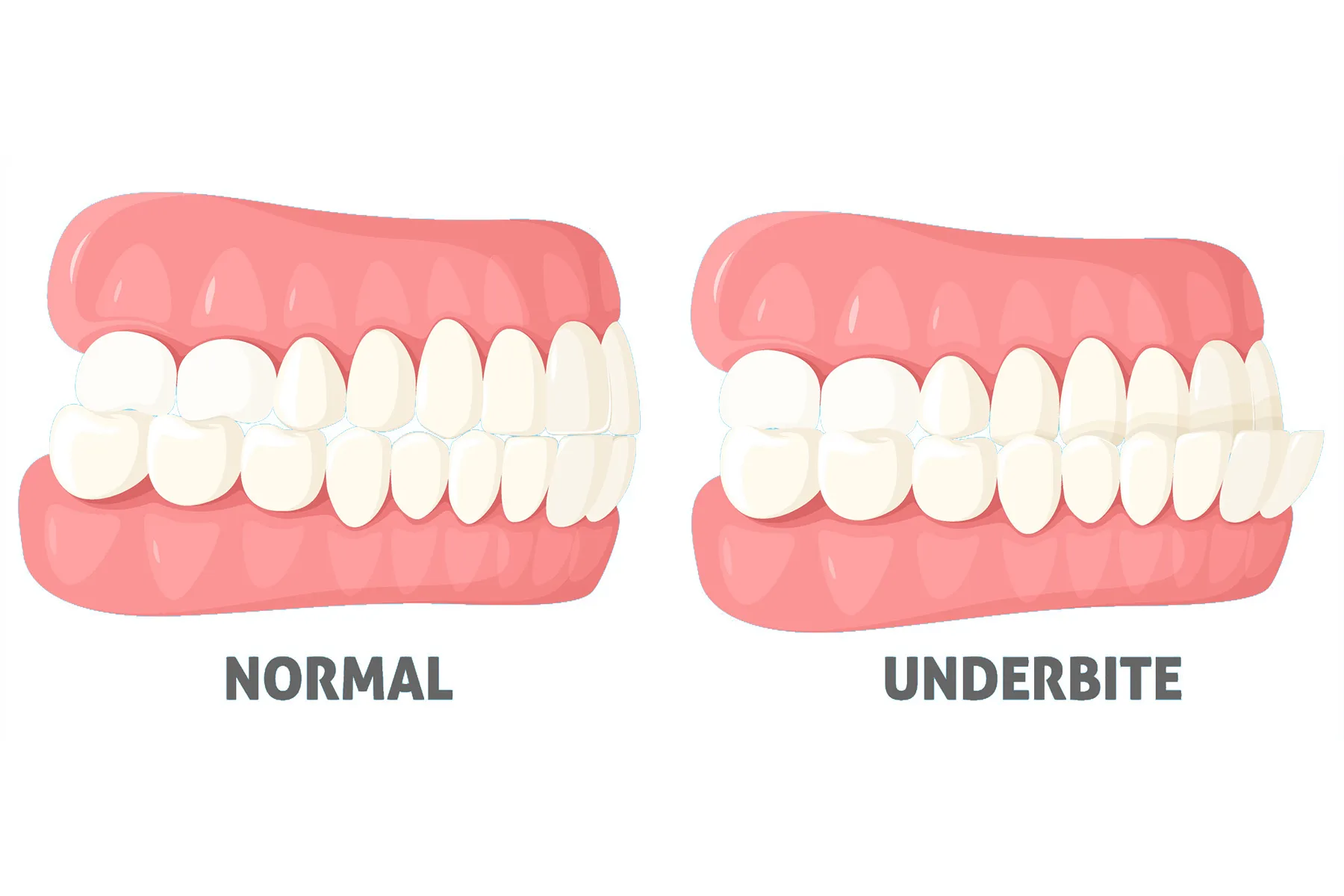
An underbite, also known as Class III malocclusion, is a dental condition where the lower jaw and teeth sit forward of the upper jaw when the mouth is closed. This misalignment can vary from mild to severe and may cause:
- Biting and chewing difficulties
- Speech issues
- Uneven tooth wear
- Facial imbalance
- Temporomandibular joint (TMJ) discomfort
Underbite is not only a cosmetic concern; it can impact functional health. According to the American Association of Orthodontists, malocclusions like underbite should be diagnosed and treated early when possible to minimize complications and maximize orthodontic outcomes.
Common Causes of Underbite
Underbite develops for various reasons, including:
1. Genetic Factors

Genetics play a major role in jaw growth and tooth alignment. If one or both parents have jaw discrepancies, children may inherit traits that contribute to underbite.
2. Growth Patterns
Disproportionate growth rates between the upper and lower jaws during childhood and adolescence are common causes. In some cases, the lower jaw grows more than the upper jaw.
3. Childhood Habits
Prolonged thumb sucking, pacifier use, or tongue thrusting can influence jaw development and contribute to underbite.
4. Early Loss of Primary Teeth
Losing baby teeth too early can disrupt the natural guidance of permanent teeth, potentially leading to malocclusion.
5. Trauma or Injury
Facial injuries, especially those involving the jaw, can lead to misalignment and underbite.

Why Underbite Should Be Treated?
Although some underbites are mild, many require treatment to prevent long-term dental and health problems.
Functional Issues
Underbite can:
- Impaired Chewing and Digestion: Digestion begins in the mouth. When teeth don’t meet properly, it becomes difficult to grind food into small, manageable pieces. This forces your stomach to work overtime, which can lead to gastrointestinal discomfort or poor nutrient absorption.
- Speech Difficulties: Certain sounds—particularly “f,” “v,” and sibilants like “s”—require precise contact between the tongue, teeth, and lips. An underbite creates “air leaks” or physical barriers that can cause a lisp or muffled speech, affecting communication and confidence.
- Increased Jaw Strain: To compensate for the misalignment, your jaw muscles must work in unnatural patterns. This constant overcompensation leads to chronic muscle fatigue.
- Muscle Tension and Headaches: The strain doesn’t stop at the jawline. It often radiates into the neck and face, leading to tension-type headaches that can become a daily struggle for those with severe malocclusions.
Dental Health Risks
Uneven bite forces can accelerate:
- Accelerated Enamel Wear: Because the teeth are hitting each other at incorrect angles (often called “attrition”), the protective enamel layer is stripped away much faster than normal. Once the enamel is gone, the sensitive dentin underneath is exposed.
- Tooth Fractures and Chipping: Misaligned bite forces place “point-loading” pressure on specific teeth. Instead of the force being distributed evenly across the whole arch, it hits a few unlucky spots, frequently leading to cracks, chips, or even total fractures.
- Gum Recession: When teeth are pushed in the wrong direction by an uneven bite, it puts physical trauma on the surrounding gum tissue. Over time, the gums may “retreat” or recede from the tooth, exposing the root and increasing the risk of decay and tooth loss.
- TMJ Disorders: The Temporomandibular Joint (TMJ) acts as the pivot for your jaw. An underbite keeps this joint in a state of constant stress, which can lead to clicking, popping, painful locking of the jaw, and chronic inflammation known as TMJ Disorder.
Aesthetic and Psychological Impact
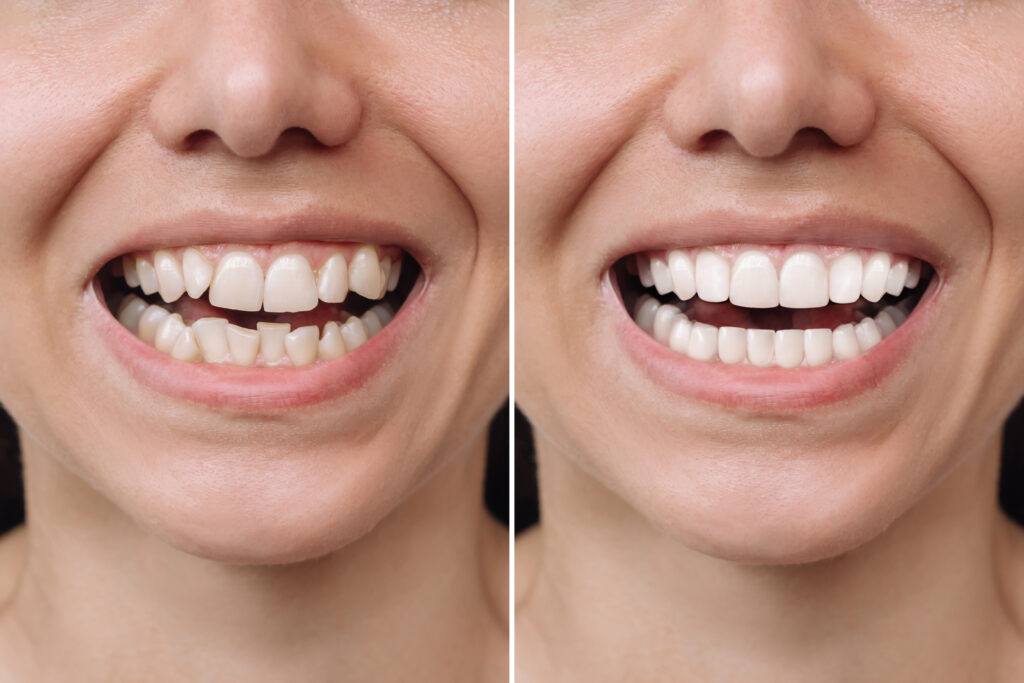
Facial imbalance caused by underbite can affect self-confidence and social interactions. Many patients seek orthodontic correction for both health and aesthetic improvement.
The Vietnam Dental Association advises that malocclusion, when left untreated, may contribute to oral health issues and reduced quality of life, reinforcing the importance of early evaluation and appropriate intervention.
Can Braces Correct an Underbite?
Braces are often effective in cases where the underbite is primarily dental (teeth position) rather than skeletal (jaw position). In such situations, braces can:
- Shift teeth into proper alignment
Correct bite discrepancies - Improve occlusion (how teeth meet)
For more severe underbites caused by jaw discrepancies, braces may be used in combination with other treatments such as:
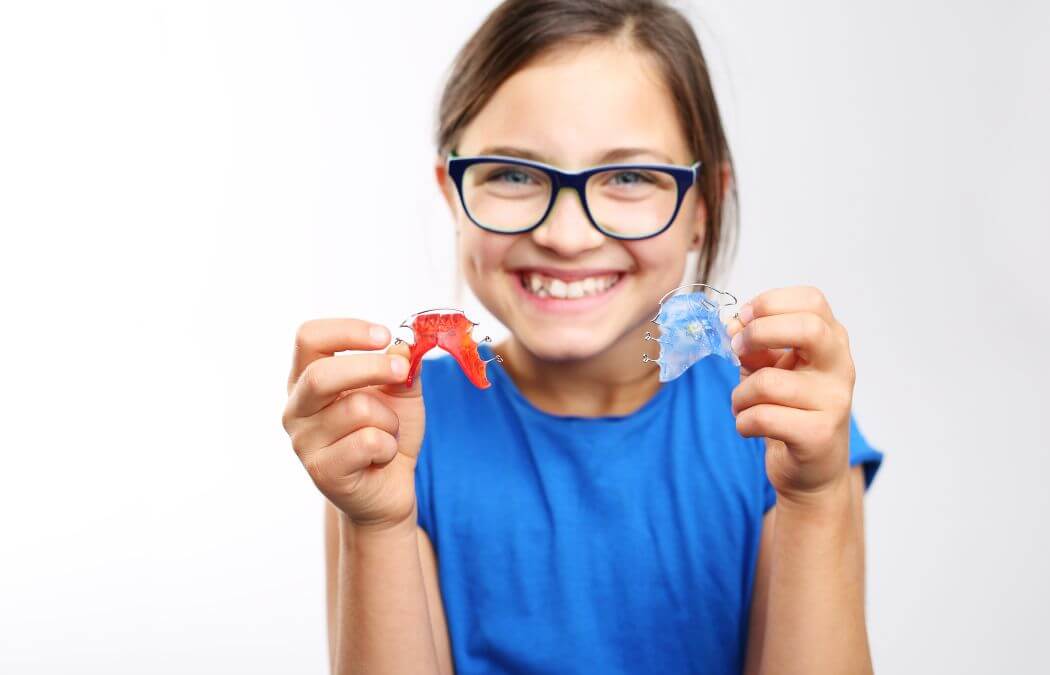
- Functional appliances to influence jaw growth in children
- Orthognathic (jaw) surgery for adults with skeletal malocclusion
- Elastics or auxiliary devices to assist bite correction
The decision is made based on a thorough clinical evaluation.
See more: How Much Do Braces Cost in Hanoi?
Types of Braces for underbite in Vietnam
Vietnam has access to a wide range of orthodontic options. Clinicians tailor treatment according to individual needs:
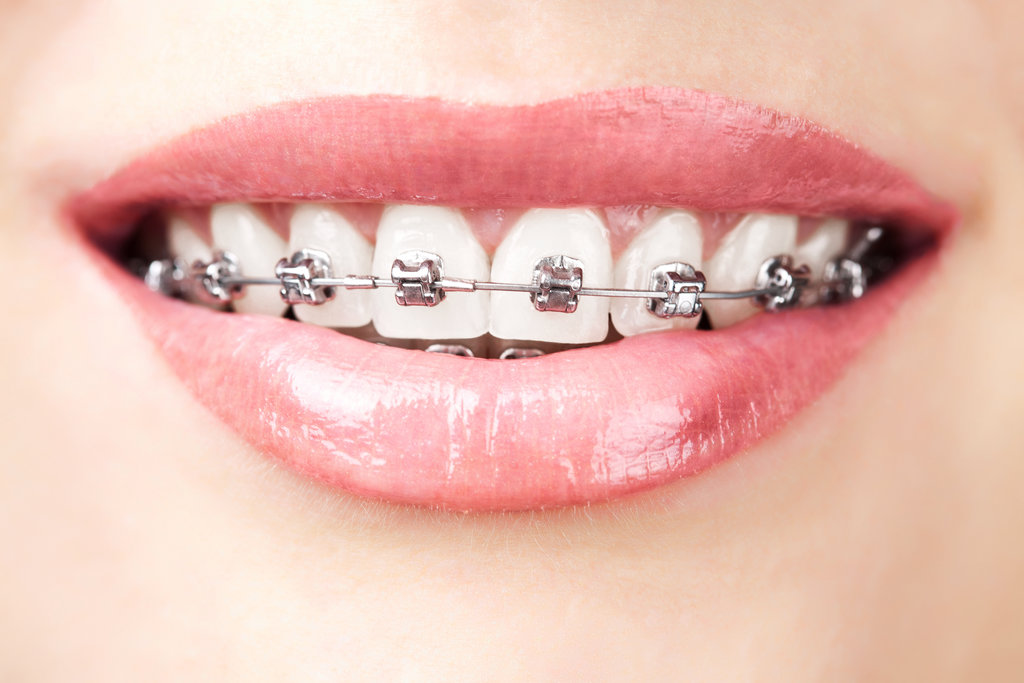
1. Traditional Metal Braces
- Durable and effective for complex bite problems
- Stainless steel brackets and wires
- Often most cost-effective option
2. Ceramic Braces
- Tooth-colored brackets blend with natural teeth
- More aesthetic for adult patients
- Slightly higher cost than metal braces

3. Self-Ligating Braces
- Use a clip instead of elastic bands
- Can reduce friction and treatment time
- May offer more comfort
4. Clear Aligners
- Transparent plastic trays worn over teeth
- Most aesthetic option
- Effective for mild to moderate underbite cases
- Requires high patient compliance
5. Elastics and Auxiliary Appliances
With braces, small rubber bands (elastics) or specialized appliances (e.g., reverse pull headgear, mandibular advancement devices) may be used to influence jaw movement or bite correction.
Braces vs. Jaw Surgery for Severe Underbite
Underbite treatment varies by severity. It’s important to understand the difference between Braces and Jaw Surgery for Severe Underbite.
| Criteria | Orthodontic Treatment (Braces) | Orthognathic (Jaw) Surgery |
| Primary purpose | Corrects dental misalignment and bite position | Corrects underlying skeletal jaw discrepancies |
| Suitability by age | Most effective in children and adolescents | Commonly indicated in adults after growth completion |
| Treatment approach | Braces or clear aligners reposition teeth | Surgical repositioning of the jaw, combined with braces |
| Need for surgery | Not required | Required, with orthodontic treatment before and after |
| Functional improvement | Improves chewing and bite alignment | Improves chewing, speech, airway function, and bite stability |
| Long-term stability | Stable for mild cases | More stable for severe skeletal discrepancies |
| Clinical recommendation | Appropriate when jaw structure is largely normal | Recommended when jaw bone discrepancy is significant |
According to the American Association of Orthodontists, severe jaw discrepancies often require a combined orthodontic and surgical approach to achieve optimal function, facial harmony, and long-term treatment stability.
Braces for Underbite in Children vs. Adults
Children and Adolescents
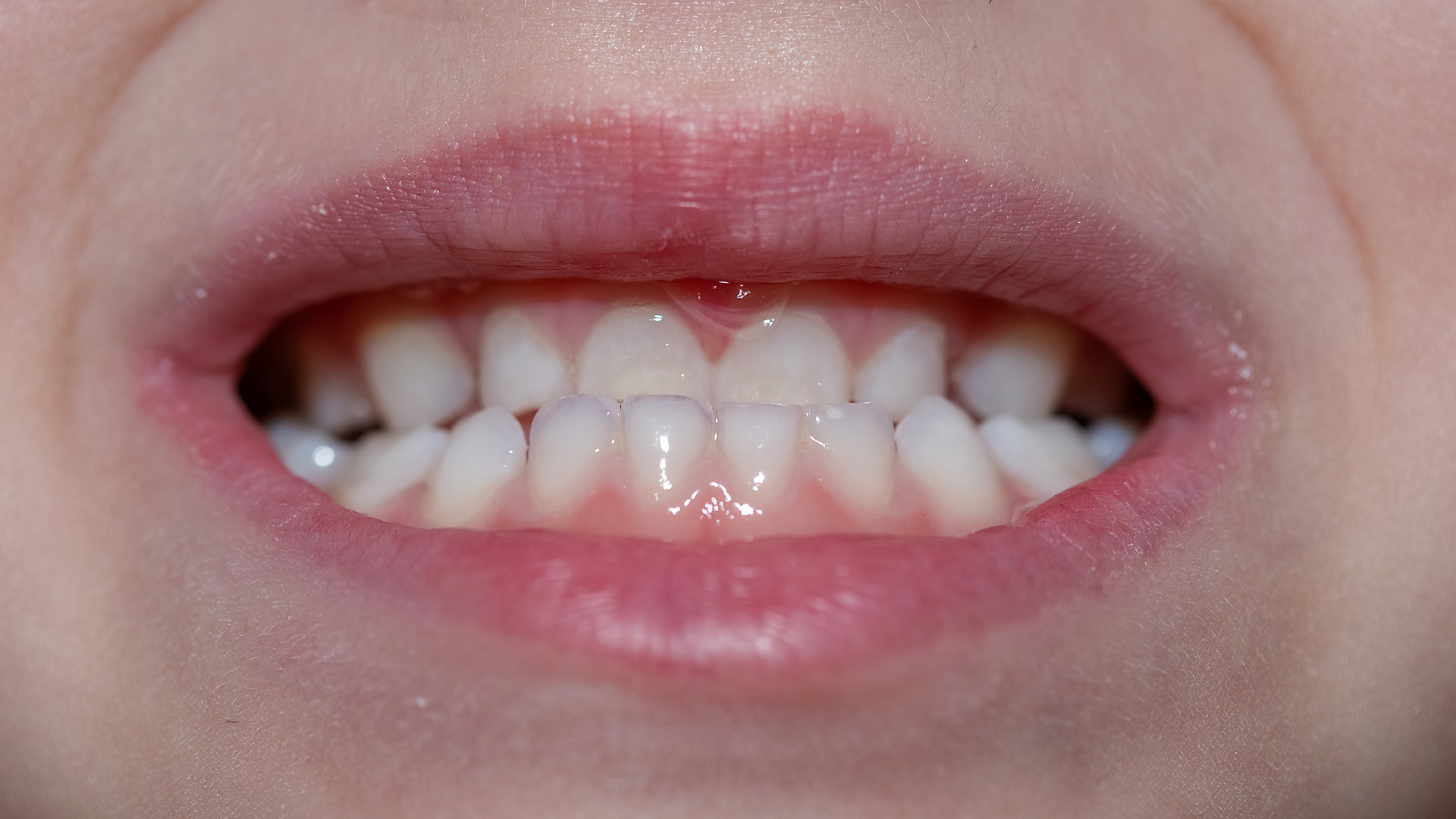
Early intervention can sometimes guide jaw growth and make treatment easier. Around ages 7–10, orthodontists assess jaw development and may recommend:
- Functional appliances
- Growth-modifying braces
- Space maintainers
Dental and orthodontic evaluations during childhood help identify underbite early, allowing for more efficient treatment with fewer complications.
Adults
Adult underbite treatment focuses on:
- Shifting teeth
- Aligning the jaw with braces and possibly surgery
- Achieving stable occlusion
Adult bone growth is complete, so techniques may differ from those used for growing children.
Treatment Duration and Expected Results

The time required to correct an underbite with braces varies based on:
- Severity of misalignment
- Patient age
- Presence of skeletal discrepancies
- Compliance with elastics and maintenance
Typically, underbite braces treatment can take 18–36 months. With proper care and regular monitoring, many patients achieve:
- Straightened teeth
- Improved bite function
- Enhanced facial balance
- Better oral hygiene outcomes
Retention (wearing a retainer after braces) is essential to maintain results.
Oral Care During Underbite Braces Treatment
Proper dental hygiene is critical when wearing braces:
Daily Oral Hygiene
- Brush teeth after every meal with a soft-bristle brush
- Use fluoride toothpaste
- Clean around brackets and wires carefully
Flossing and Interdental Cleaning

Floss daily using floss threaders or interdental brushes to remove trapped debris.
Dietary Considerations
Avoid:
- Hard foods that can bend wires
- Sticky candies that cling to braces
- Sugary snacks without prompt cleaning
BeDental provides detailed instructions to help maintain oral health and prevent cavities during orthodontic treatment.
Risks and Limitations of Underbite Braces
While braces are effective for many underbite cases, challenges and limitations include:
- Discomfort when braces are adjusted
- Longer treatment time for severe cases
- Need for strict compliance with elastics and appointments
- In some severe skeletal underbites, braces alone may not fully correct the condition
Working closely with an experienced orthodontist, however, reduces risks and enhances outcomes.
Braces for Underbite at BeDental
BeDental is a trusted dental clinic in Vietnam specializing in orthodontics, restorative dentistry, and comprehensive dental care. The clinic is known for combining modern technology with personalized treatment planning.
Why Choose BeDental for Underbite Braces

- Thorough initial evaluations using modern imaging and high technology such as CAD/CAM, X-ray,etc.
- Treatment planning aligned with guidelines from the Vietnam Dental Association and international orthodontic principles
- Customized braces solutions based on individual anatomy and lifestyle
- Transparent consultations about timeline, expected outcomes, and costs
- Strong emphasis on patient education and long-term maintenance
This approach helps patients not only achieve functional alignment but also improve facial balance and dental health confidence.
Here is our price list for your reference
| DANH MỤC | GIÁ THÀNH | |
|---|---|---|
| 1.Orthodontic Trainer | 10.000.000 ~ 393$ |
|
| 2.Orthodontic Brace | ||
| Japanese traditional metal brace (Tìm hiểu thêm...) | 2 jaws | 30.000.000 ~ 1.179$ |
| USD traditional metal brace (Tìm hiểu thêm...) | 2 jaws | 35.000.000 ~ 1.375$ |
| Self-ligating metal brace (More detail...) | 2 jaws | 39.000.000 ~ 1.532$ |
| Traditional ceramic brace (More detail...) | 2 jaws | 38.000.000 ~ 1.493$ |
| Self-ligating ceramic brace | 2 jaws | 55.000.000 ~ 2.161$ |
| Traditional Sapphire brace | 2 jaws | 45.000.000 ~ 1.768$ |
| Miniscrew: (More detail...) | 2.500.000 ~ 98$ |
|
| 3. INVISALIGN (More detail...) | ||
| Clincheck | 10.000.000 ~ 393$ |
|
| Invisalign Express Package (Simple case) | 1 jaw 2 jaws | 35.000.000 ~ 1.375$ 45.000.000 ~ 1.375$ |
| Invisalign Lite Package (Mild Case) | 1 jaw 2 jaws | 60.000.000 ~ 2.358$ 75.000.000 ~ 2.947$ |
| Invisalign Moderate Package (Hard case) | 1 jaw 2 jaws | 100.000.000 ~ 4.000$ 110.000.000 ~ 4.322$ |
| Invisalign Comprehensive - level 1 (Unlimited) | Full Package | 130.000.000 ~ 5.108$ |
| Invisalign Comprehensive - Level 2 (Unlimited) | Full Package | 150.000.000 ~ 5.894$ |
| 4.Mouth Guard | 1 jaw | 2.500.000 ~ 100usd |
| 5.Retainer | 1 jaw | 1.500.000 ~ 40usd |
Braces for underbite in Vietnam – Frequently Asked Questions (FAQ)
Can braces fix an underbite without surgery?
In many mild to moderate cases, braces can correct underbite without surgery, especially when treatment starts early.
Are underbite braces painful?
Some discomfort is normal after adjustments, but it typically subsides within a few days.
Are clear aligners effective for underbite?
Clear aligners can help in mild cases, but they may not be suitable for severe underbite compared with traditional braces.
What happens if underbite is left untreated?
Untreated underbite can lead to chewing problems, jaw pain, uneven tooth wear, and cosmetic concerns.
Braces are a highly effective solution for correcting underbite in Vietnam when properly planned and executed. By addressing both the dental and skeletal components of the condition, braces help improve bite function, oral health, and facial aesthetics. Early evaluation and personalized treatment significantly increase the likelihood of successful outcomes.
Clinics like BeDental provide comprehensive assessment, advanced orthodontic options, and clear guidance from start to finish, helping patients navigate the underbite correction journey with confidence. With professional care, commitment to oral hygiene, and regular follow-up, underbite can be corrected reliably—ushering in improved function, comfort, and self-confidence for patients of all ages in Vietnam.

Tư vấn chuyên môn bài viết:
BÁC SĨ DƯƠNG THỊ THÙY NGA
BEDENTAL - TOP STANDARD DENTISTRY SYSTEM
In HANOI
Address 1: 7B Thi Sach St, Ngo Thi Nham, Hai Ba Trung Dist, Ha Noi. - 0934.61.9090
Address 2: No 129 Hoang Ngan, Yen Hoa, Cau Giay Dist, Ha Noi. - 0934.61.9090
In HO CHI MINH
Address 1: 53 -55 -57 Pho Duc Chinh St, Nguyen Thai Binh, Dist. 1, Ho Chi Minh. - 0766.00.8080
Working: 9am - 8pm everyday
Website: https://bedental.vn/en/