

 English
 한국어
한국어 日本語
日本語 中文 (中国)


Decayed molars in Vietnam are one of the most common oral health problems affecting both adults and children. Molars play a critical role in chewing and grinding food, but their deep grooves and position at the back of the mouth make them highly vulnerable to tooth decay.
According to global estimates from the World Health Organization, untreated dental caries affects nearly 2.5 billion people worldwide, with molars being the most frequently involved due to their structure and function. In Vietnam, studies and local dental reports suggest that up to 70–90% of adults have experienced tooth decay, with a significant proportion occurring in molars (teeth number 6, 7, and 8). Because these teeth are responsible for most chewing activity and have deep grooves that trap food, they are particularly vulnerable to bacterial attack and long-term damage.
What Are Decayed Molars?
Decayed molars are teeth affected by bacterial destruction of enamel and dentin, most commonly involving the back teeth—specifically molars numbered 6, 7, and 8. These teeth play a critical role in grinding and chewing food, which makes them more exposed to mechanical wear and food retention.
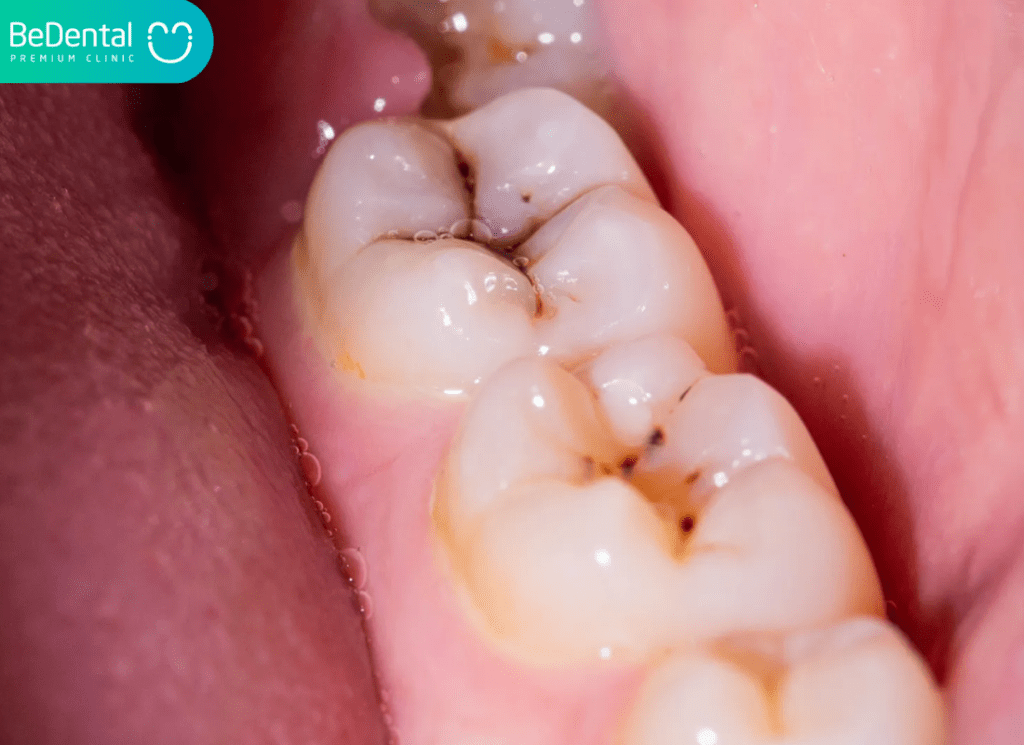
In cases of decayed molars, patients often notice dark spots, brown or black holes, or visible cavities on the chewing surface or between teeth. Dental associations classify this condition as dental caries, caused by acid-producing bacteria that gradually break down tooth structure.
Molars are positioned deep in the dental arch, making them harder to clean thoroughly. Combined with strong chewing forces, this creates ideal conditions for enamel erosion and bacterial invasion.
Why Are Molars More Prone to Decay?
Dental associations emphasize that molars are structurally more complex, with pits and fissures that trap food particles easily. In Vietnam, dietary habits and oral hygiene challenges further increase the prevalence of decayed molars.
- Difficulty cleaning deep molar grooves
- Strong chewing pressure causing enamel wear
- Accumulation of plaque and tartar
- Limited access to early dental care in some cases
As a result, decayed molars in Vietnam often progress silently until pain or infection occurs.
See more: Braces with self ligating metal brackets
Causes of Decayed Molars
Decayed molars typically develop over time due to a combination of local and systemic factors:
- Poor oral hygiene, allowing plaque and tartar to accumulate
- Weak or thin enamel, sometimes influenced by genetics
- Frequent consumption of sugary or acidic foods and drinks
- Reduced saliva flow caused by dehydration or certain medications
- Tooth trauma leading to cracks or exposed dentin
- Existing gum disease or periodontal infections
- Systemic conditions such as diabetes, digestive disorders, or acid reflux
Dental associations recognize bacterial plaque and acid production as the primary drivers of molar decay worldwide, including decayed molars in Vietnam.
Signs and Symptoms of Decayed Molars
Early detection is essential to prevent severe damage. Common warning signs include:
- Visible brown or black spots on molars
- Small pits or holes on the chewing surface
- Tooth sensitivity to heat, cold, or sweetness
- Pain when chewing or biting
- Swollen or bleeding gums around the molar
- Persistent bad breath caused by trapped food and bacteria
If left untreated, decayed molars in Vietnam can progress rapidly to nerve infection and abscess formation.
Stages of Molar Decay
Dental professionals classify decayed molars into four main stages:
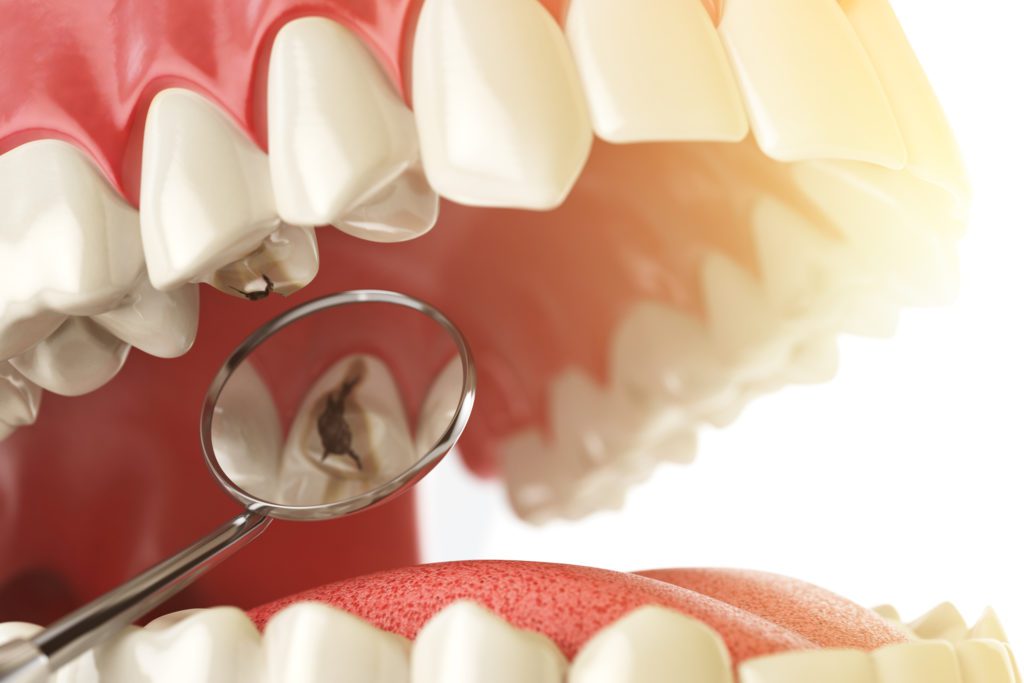
Stage 1: Early Enamel Demineralization
White or chalky spots appear on the enamel. There is usually no pain at this stage.
Stage 2: Enamel and Dentin Decay
Small dark cavities form, and sensitivity becomes noticeable, especially when eating hot or cold foods.
Stage 3: Pulp Involvement
Decay reaches the tooth pulp, causing intense pain that may worsen at night and spread to nearby teeth.
Stage 4: Severe Pulp Damage and Infection
The pulp becomes severely infected or dies, potentially leading to gum infection, abscesses, and bone damage.
According to restorative dentistry guidelines, treatment selection depends on the stage of decay.
Treatment Options for Decayed Molars in Vietnam
Professional Dental Treatments
At dental clinics like BeDental, treatment for decayed molars in Vietnam is customized based on severity:
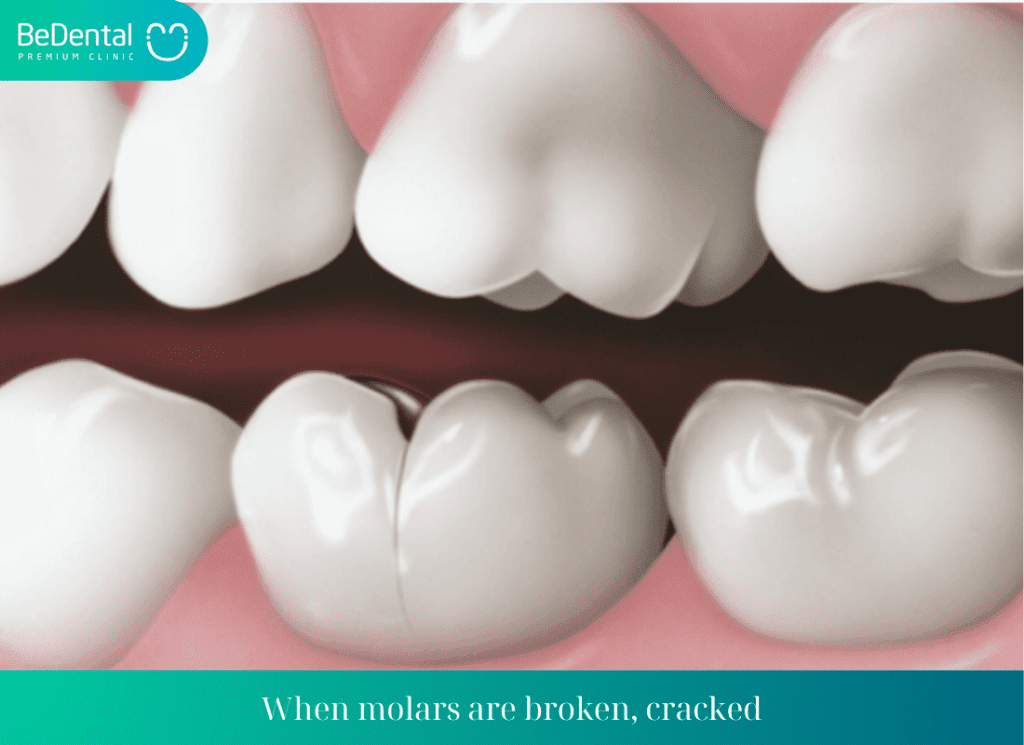
Dental Fillings
Used for early to moderate decay. The decayed tissue is removed, and the tooth is restored with filling material to prevent further bacterial invasion.
Root Canal Treatment
Recommended when decay reaches the pulp. Infected pulp tissue is removed, the canal is cleaned and sealed, and the tooth’s function is preserved.
Tooth Extraction
Applied only when the molar is severely damaged and cannot be saved. After extraction, dentists usually recommend replacement options to prevent tooth shifting and jawbone loss.
Dental associations strongly encourage tooth preservation whenever possible.
Home Care for Early-Stage Decayed Molars
For very early decay, supportive home care may help slow progression:
- Brushing with fluoride toothpaste to strengthen enamel
- Rinsing with saline solution to reduce inflammation
- Maintaining proper hydration to support saliva production
- Avoiding sugary and acidic foods
However, home care alone cannot reverse advanced decayed molars in Vietnam and should never replace professional treatment. Patients who had decayed molars still should go to dental clinics to have proper treatment.
Should Decayed Molars Be Extracted?
Each case has its own characteristics and requires a different treatment approach. In addition, tooth decay develops through multiple stages. To determine whether a decayed molar should be extracted, a thorough dental examination and accurate diagnosis are essential.
Preserving Decayed Molars
Today, instead of immediately extracting decayed molars, many dentists prioritize tooth preservation whenever possible. Decayed molars in Vietnam can be preserved if the condition is mild and does not significantly affect the tooth roots.
If the decay is limited to the enamel layer, the dentist will clean the tooth and perform a dental filling to completely remove the decay.
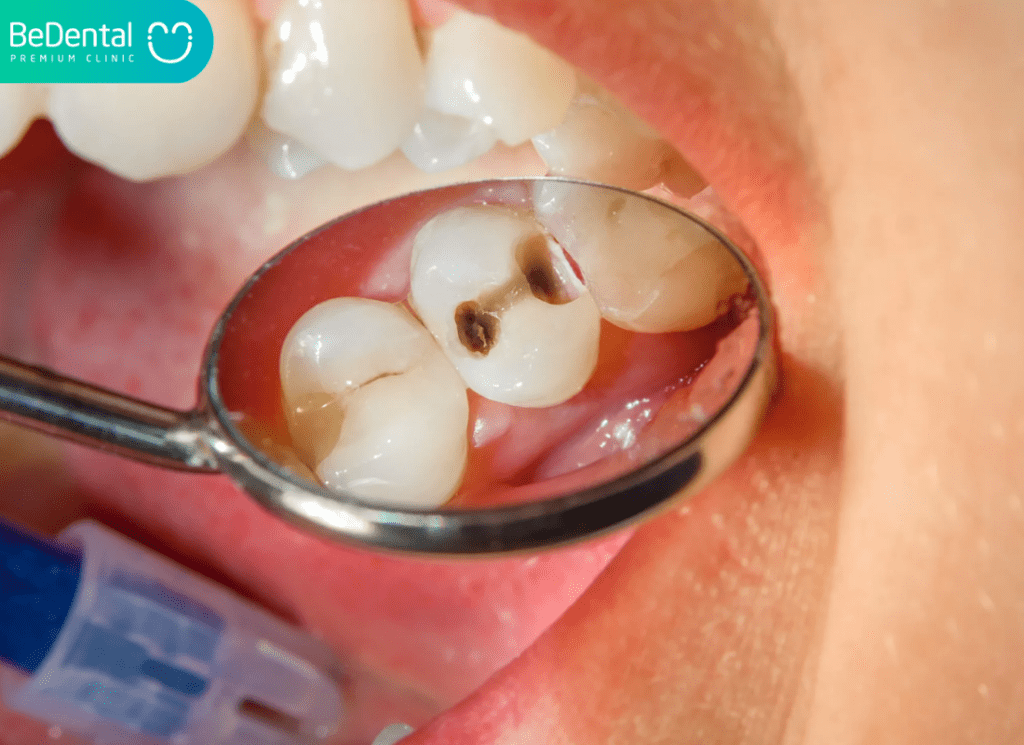
If the decay has reached the pulp but has not damaged the tooth root, and the dentin structure remains intact, the dentist will perform root canal treatment and seal the root canals. In addition, dental crowns are commonly recommended as an effective option to protect and preserve the treated molar.
However, decayed molars may recur, and the tooth may become more sensitive for a short period after treatment. Patients should pay close attention while chewing and avoid hard foods. Choosing soft, easy-to-chew foods that are gentle on digestion is recommended.
Extracting Decayed Molars
If tooth preservation is no longer possible, dentists may recommend extraction, which should be only applied when the decay or infection is too severe to restore. In cases such as severely damaged tooth roots, gum recession caused by decay, periodontal disease, or impacted wisdom teeth that threaten nearby teeth, the entire decayed molar must be removed.
Many patients are afraid of pain and hesitate to extract decayed molars. Trying to keep a severely damaged tooth can lead to plaque and food buildup, bad breath, and difficulty maintaining oral hygiene that may cause a dental abscess—an infection characterized by swelling, redness, fever, and pain.
The most dangerous complication is blood infection (sepsis), which can be life-threatening if not treated promptly.
See more: Periodontal disease
Why Early Treatment Matters
Untreated decayed molars can lead to chronic pain, digestive problems due to impaired chewing, and serious infections affecting overall health. Professional organizations strongly recommend early diagnosis and intervention to reduce treatment complexity and long-term costs.
At BeDental, patients benefit from comprehensive examinations, modern diagnostic tools, and individualized treatment plans designed to preserve natural teeth whenever possible.
Treatments for Decayed Molars in Vietnam
BeDental offers a full range of dental services for decayed molars in Vietnam, including preventive care, restorative treatments for molars and front teeth, orthodontic solutions, cosmetic dentistry, and dental implant rehabilitation. All procedures are planned according to professional dental guidelines, using certified materials and modern diagnostic technology to ensure accuracy and predictable outcomes.

Tooth-Colored Composite Fillings
Composite fillings are one of the most common solutions for decayed molars in Vietnam, especially when the cavity is small to medium in size. These fillings are designed to match the natural tooth color, making them virtually invisible even in back teeth.
Dentists carefully remove the decay and fill the cavity with durable composite resin that bonds directly to the tooth structure. This treatment restores strength while preserving as much natural tooth as possible.
- Estimated cost: 300,000 – 800,000 VND (12 to 30,85 USD) per molar
- Best for: Early to moderate decay
Dental Inlays and Onlays
When decay is too extensive for a filling but does not require a full crown, inlays and onlays are an ideal solution for decayed molars. These restorations are custom-made in dental labs and fit precisely into or over the damaged portion of the molar.
This option preserves more natural tooth structure than crowns and provides superior durability compared to traditional fillings.
- Estimated cost: 2,000,000 – 6,000,000 VND (78 to 230 USD) per molar
- Best for: Medium to large cavities
See more: Is it safe to swallow dentures
Same-Day Crowns with 3D Scanning
For molars with significant structural damage, dental crowns are often necessary. Many clinics now offer same-day crowns using digital 3D scanning and CAD/CAM technology, allowing patients to complete treatment in just one visit.
Crowns fully cover the damaged tooth, restoring chewing strength and preventing further decay. This solution is ideal for advanced decayed molars in Vietnam that cannot be repaired with fillings alone.
- Estimated cost: 3,000,000 – 8,000,000 VND per molar (115 to 310 USD)
- Best for: Advanced decay or weakened molars
Silver Diamine Fluoride (SDF) for Early Decay
Silver diamine fluoride is a non-invasive treatment used to stop early-stage decay without drilling. It is commonly applied to decayed molars especially for children, elderly patients, or those with dental anxiety.
SDF effectively halts decay progression, although it can darken the treated area, making it most suitable for back molars.
- Estimated cost: 200,000 – 500,000 VND per application (7,70 to 20 USD)
- Best for: Early decay, cavity prevention
Pulp Capping and Regenerative Techniques
When decay approaches the dental pulp but has not yet caused infection, pulp capping may be used to save the tooth and avoid root canal treatment. Dentists apply protective materials that encourage healing and preserve nerve vitality.
These advanced techniques help extend the life of decayed molars, particularly when early intervention is possible.
- Estimated cost: 1,000,000 – 2,500,000 VND per molar (40 to 97 USD)
- Best for: Deep cavities near the nerve
| Comparison Factor | Vietnam | Thailand | South Korea | China |
|---|---|---|---|---|
| Average cost for molar fillings | Very affordable; suitable for early treatment without financial pressure | Moderate; higher than Vietnam in private clinics | High; cosmetic and restorative dentistry is premium-priced | Low–moderate, but varies greatly by city |
| Cost of inlays, onlays, and crowns | Significantly lower while still using modern materials and CAD/CAM technology | Higher costs in tourist-focused clinics | Among the highest in Asia due to advanced branding and labor costs | Lower in public hospitals, higher in private international clinics |
| Access to advanced technology at reasonable cost | Same-day crowns, 3D scanning, and modern materials widely available at mid-range prices | Available but often priced higher for international patients | Highly advanced but expensive | Advanced in major cities, less consistent elsewhere |
| Affordability of early decay treatments (SDF, pulp capping) | Very affordable, encouraging preventive care | Available but less commonly promoted | Available but often bundled into higher-cost plans | Available, but access depends on hospital level |
| Overall value for molar restoration | High value: balance of cost, quality, and professional standards | Good quality, moderate value | Excellent quality, but lower cost-efficiency | Variable value depending on clinic and location |
| Suitability for dental travelers | Highly suitable due to cost savings and treatment efficiency | Popular but more expensive than Vietnam | Less suitable for budget-focused patients | Suitable mainly for regional patients |
| Cost transparency for patients | Clear pricing and flexible treatment options in many clinics | Transparent in private clinics, higher tourist pricing | Pricing often standardized but high | Pricing may vary and be less predictable |
Decayed Molars in Vietnam: BeDental’s Approach
At BeDental, treatment for decayed molars in Vietnam is carried out using evidence-based dental protocols that align with commonly referenced standards from restorative and preventive dentistry associations. Each patient undergoes a thorough examination to accurately assess the stage of tooth decay and overall oral health before any treatment is recommended.

BeDental prioritizes tooth preservation whenever possible, applying conservative techniques to restore function while minimizing the removal of healthy tooth structure. Strict sterilization procedures, modern diagnostic tools and careful treatment planning help ensure safe and effective outcomes.
By combining clinical expertise with a patient-centered approach, BeDental aims to manage decayed molars in Vietnam effectively while maintaining comfort, safety, and long-term oral health.