

 English
 한국어
한국어 日本語
日本語 中文 (中国)


Vietnam has become one of the most accessible destinations in Southeast Asia, welcoming millions of international travelers each year thanks to its simplified visa into Vietnam system and expanding digital entry options. With the introduction and continuous improvement of the eVisa system, entering Vietnam has become significantly easier, more transparent, and faster than before. However, understanding the entry requirements, processing procedures, costs, and real immigration experience is still essential to avoid unnecessary delays or issues during travel.
This guide provides a clear and practical overview of Vietnam’s visa system, including preparation before departure, arrival procedures, common challenges, and updated travel rules based on real-world entry conditions.
1. Visa Into Vietnam Overview (Simple Understanding)
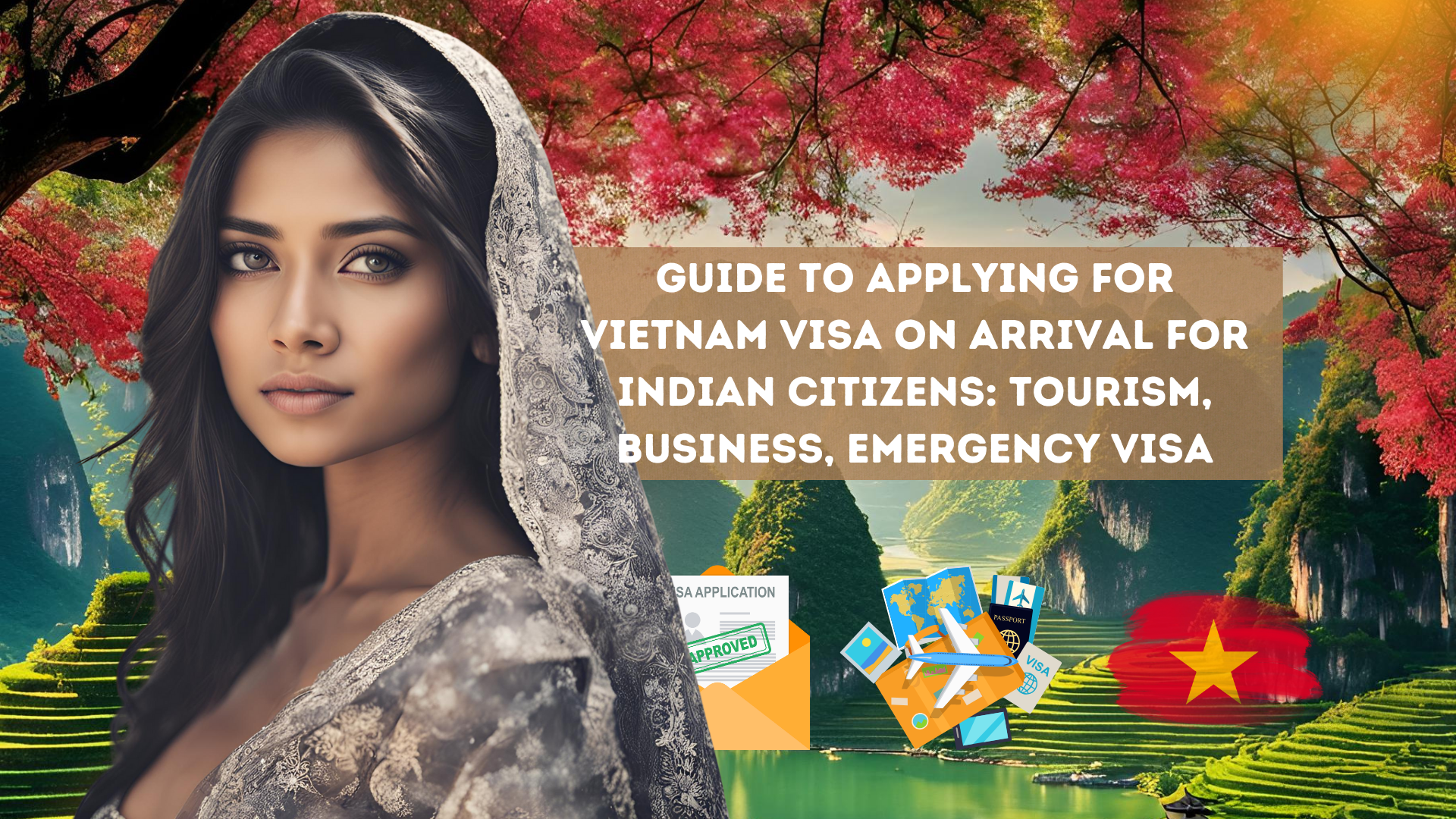
Vietnam operates a three-tier entry system consisting of visa exemption, electronic visa (eVisa), and visa facilitated through authorized services (such as visa on arrival arranged via licensed agencies). This structure allows flexibility depending on nationality, purpose of visit, and length of stay.
Currently, Vietnam has expanded its digital visa framework significantly. The visa into Vietnam is valid for up to 90 days with single or multiple entry options, and it is available to all nationalities under the current immigration policy. This has made it the most accessible visa option for international travelers. From an infrastructure perspective, Vietnam has also expanded its official entry network. As of the latest update, eVisa holders can enter through 83 designated international checkpoints, including:
- 17 international airports (such as Hanoi, Ho Chi Minh City, Da Nang, Cam Ranh, Phu Quoc)
- Over 40 land border gates connecting Laos, Cambodia, and China
- More than 20 seaports used for cruise and maritime entry
In practice, the most commonly used entry points are still the major airports:
- Tan Son Nhat International Airport (Ho Chi Minh City): ~40–45% of international arrivals
- Noi Bai International Airport (Hanoi): ~25–30%
- Da Nang International Airport: ~10–15%
- Other airports and border gates collectively account for the remaining arrivals
This reflects a clear travel pattern: air entry dominates Vietnam tourism flows, especially via Ho Chi Minh City and Hanoi due to international flight connectivity and immigration capacity. Overall, Vietnam’s visa system has shifted toward a digital-first and high-accessibility model, where the eVisa is now the default choice for most tourists due to its simplicity, wide acceptance, and fast processing time.
2. Before You Travel (Essential Preparation)- Visa Into Vietnam
Before flying to Vietnam, the preparation process is relatively simple compared to many other destinations. However, immigration officers still expect basic travel documentation to be clear, consistent, and verifiable.
In most cases, you only need a few essential items:
- A passport valid for at least 6 months from your date of entry, with at least one blank page for the entry stamp.
- A valid Vietnam eVisa or visa approval letter, depending on the type of visa you applied for.
- A return or onward flight ticket, which may be requested by airlines or immigration officers to confirm your departure plan.
- Accommodation details in Vietnam, such as hotel booking confirmation or the address where you will stay.
In real travel situations, these documents are usually not checked in detail for every passenger, but they can be requested randomly at check-in or upon arrival. Airlines, in particular, may verify your visa into Vietnam and return ticket before allowing boarding, especially for one-way travel itineraries.
Once these basic requirements are met and all information is consistent (passport, visa, and travel details matching exactly), most travelers experience a smooth entry process with minimal questioning at immigration. In short, Vietnam does not require heavy documentation — but consistency across all travel documents is the key factor that prevents delays or entry issues.
3. Arrival & Immigration Process (What Actually Happens)- Visa into Vietnam
Upon arrival in Vietnam, the immigration process is generally straightforward and well-organized at all international airports. After disembarking, passengers follow clear signs toward the “Immigration” area and join the queue for foreign passport holders.
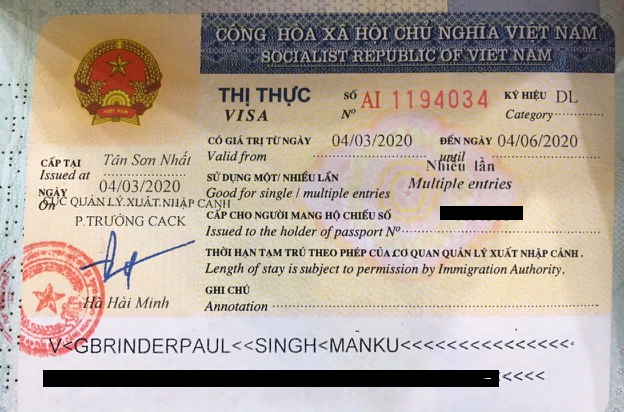
At the counter, you will need to present your passport and valid visa (or eVisa printout/digital copy). In most cases, the immigration officer will quickly scan your documents, verify your details in the system, and may ask a few simple questions such as your purpose of visit, length of stay, or accommodation address. After verification, your passport will be stamped with the entry date and permitted duration of stay. You then proceed to collect your checked baggage and move through customs before exiting the airport.
In practice, if all documents are correct and match your booking information, the entire immigration process is usually very fast—often taking 5 to 15 minutes at less busy times. However, during peak arrival periods, waiting time may be longer due to passenger volume rather than document issues. Overall, Vietnam’s entry process is efficient and smooth, with most delays coming from queue congestion rather than visa complications.
4. Processing Time & Visa Cost (Real Situation)- Visa into Vietnam
The Vietnam Visa Into Vietnam system is relatively fast and straightforward compared to many other destinations, but actual processing time can still vary depending on season and application volume.
- Standard eVisa processing: around 3–5 working days in normal conditions
- Urgent processing: approximately 24–48 hours, usually available through licensed visa service providers
- Official government fee: 25 USD for single entry and 50 USD for multiple entry, valid for up to 90 days
- Total real cost (including services): typically ranges from 50–150+ USD, depending on processing speed and whether you use an agency or expedited support
In practice, most delays are not caused by the system itself, but by peak travel periods (such as holidays or high tourist seasons) or cases that require additional manual verification. Overall, the system is designed to be cost-efficient and fast, with most travelers choosing the standard eVisa option unless they need urgent approval.
5. Real Travel Experience (What Actually Happens at the Airport)
In practice, most travelers go through immigration smoothly, but small details can make a big difference. One common situation is travelers forgetting to print their eVisa. Although digital copies are accepted in many cases, some airports still require a printed version, especially when systems are slow or offline. This often leads to a short delay while officers manually verify the information.
Another frequent issue is entering through the wrong airport or border gate compared to what was registered on the visa. Even though entry is usually still possible, travelers may be asked additional questions, which slows down the process.
There are also cases where minor mistakes in personal details—such as a missing letter in a name—require manual verification. These situations are not serious, but they can make the immigration process longer than expected. The key takeaway from real cases is simple: most problems are not about visa rejection, but about small inconsistencies or missing preparation details.
6. Common Issues Travelers Face- Visa into Vietnam
Although entering Vietnam is generally smooth, many small and avoidable issues can still cause delays or additional questioning at immigration. Most of these problems are not serious, but they can slow down the entry process.
- One of the most common issues is incorrect personal details on the visa application, such as spelling mistakes in the name, passport number, or date of birth. Even a small mismatch between the visa and passport can lead to manual verification at the airport.
- Another frequent problem is not carrying a printed copy of the Visa into Vietnam. While digital copies are sometimes accepted, certain airports or specific situations may still require a printed version, especially if the system is slow or temporarily offline.
- A third issue occurs when there is a mismatch between the registered entry point and the actual arrival airport. For example, travelers may apply for entry through Hanoi but arrive in Ho Chi Minh City. In many cases entry is still allowed, but it can result in extra checks or questioning.
- Some travelers also face delays when they cannot provide accommodation details or basic travel information if asked by immigration officers. This is not always required, but it may be requested randomly for verification purposes.
- Finally, during peak arrival hours or high travel seasons, minor delays are common simply due to long queues rather than document problems.
| Issue | What Happens | Impact at Immigration | How to Avoid |
| Incorrect personal details on visa | Name, passport number, or DOB does not match passport | Manual verification, delays, possible refusal in rare cases | Double-check all information before submitting application |
| No printed eVisa copy | Only digital version available on phone | Slower processing if system cannot scan or verify | Print eVisa and also save offline PDF |
| Entry point mismatch | Arrival airport differs from registered entry port | Additional questioning or document checking | Ensure flight matches registered entry point |
| Missing travel/accommodation info | Cannot provide hotel booking or address when asked | Extra questioning at immigration counter | Keep hotel booking or address ready (digital/printed) |
| Peak-hour delays | High passenger volume at immigration | Longer waiting time (5–30+ minutes) | Arrive early and prepare documents in advance |
In most cases, these issues are not critical, but they highlight an important point: small preparation details can significantly affect how smooth your entry process will be.
7. Latest Practical Entry Rules (Important Reality Update)
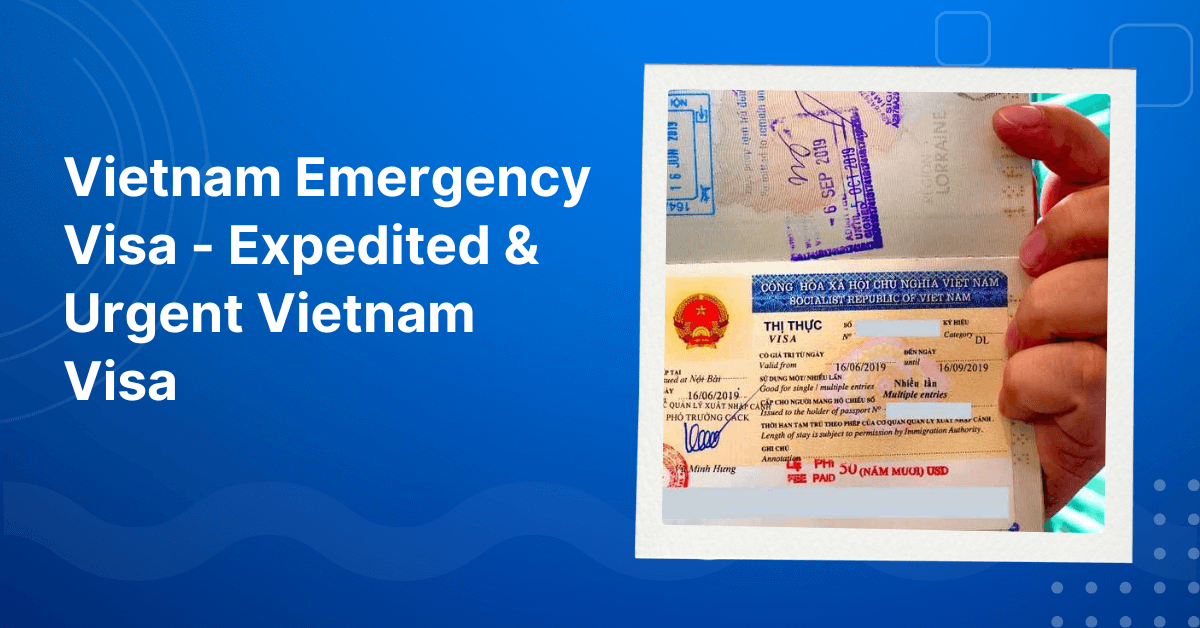
Vietnam has significantly simplified its entry system in recent years, especially with the expansion of eVisa coverage. Most major airports and selected land borders now support electronic visa processing.
However, in real-world travel conditions:
- Immigration queues can be longer during peak seasons (summer, holidays, Lunar New Year)
- Officers may still ask short questions about travel purpose or stay duration
- Some land border crossings require strict matching between visa registration and entry point
- System verification may occasionally be done manually if scanning fails
In reality, Vietnam entry is not complicated, but it still depends on accuracy of documents and timing conditions at the airport.
Conclusion
Overall, entering Vietnam is a relatively smooth process when travelers prepare correctly and follow the required steps. The system is designed to be simple, especially with the widespread use of eVisas, which allow most visitors to complete the entire application online and enter through major international airports and border gates.
In reality, most entry issues are not caused by visa rejection, but by small avoidable mistakes such as incorrect application details, missing printed documents, or mismatched travel information. Once these basics are handled properly, immigration procedures are usually fast and straightforward. By understanding both the official requirements and the real travel experience at the border, travelers can significantly reduce uncertainty and enjoy a hassle-free arrival in Vietnam.
BeDental – A Leading Dental Clinic for International Travelers in Vietnam
BeDental offers high-quality dental services for international travelers visiting Vietnam, combining modern technology with experienced dentists. Our services include general and cosmetic dentistry, dental implants, teeth whitening, and smile makeovers, all performed to international standards.
Designed for tourists, BeDental provides flexible appointments, English-speaking staff, and personalized treatment plans that fit travel schedules. With competitive pricing and convenient locations, BeDental allows visitors to improve their smile while enjoying their trip to Vietnam.