

 English
 한국어
한국어 日本語
日本語 中文 (中国)


Explore underbite braces in Vietnam: causes, treatment options, success rates, and cost comparison. Affordable orthodontic care with modern technology.
What Is an Underbite?
An underbite, clinically referred to as Class III malocclusion, is a type of bite misalignment in which the lower dental arch sits in front of the upper dental arch when the mouth is closed. Instead of the upper teeth slightly overlapping the lower teeth (which is considered normal), the relationship is reversed — a condition also called reverse overjet.
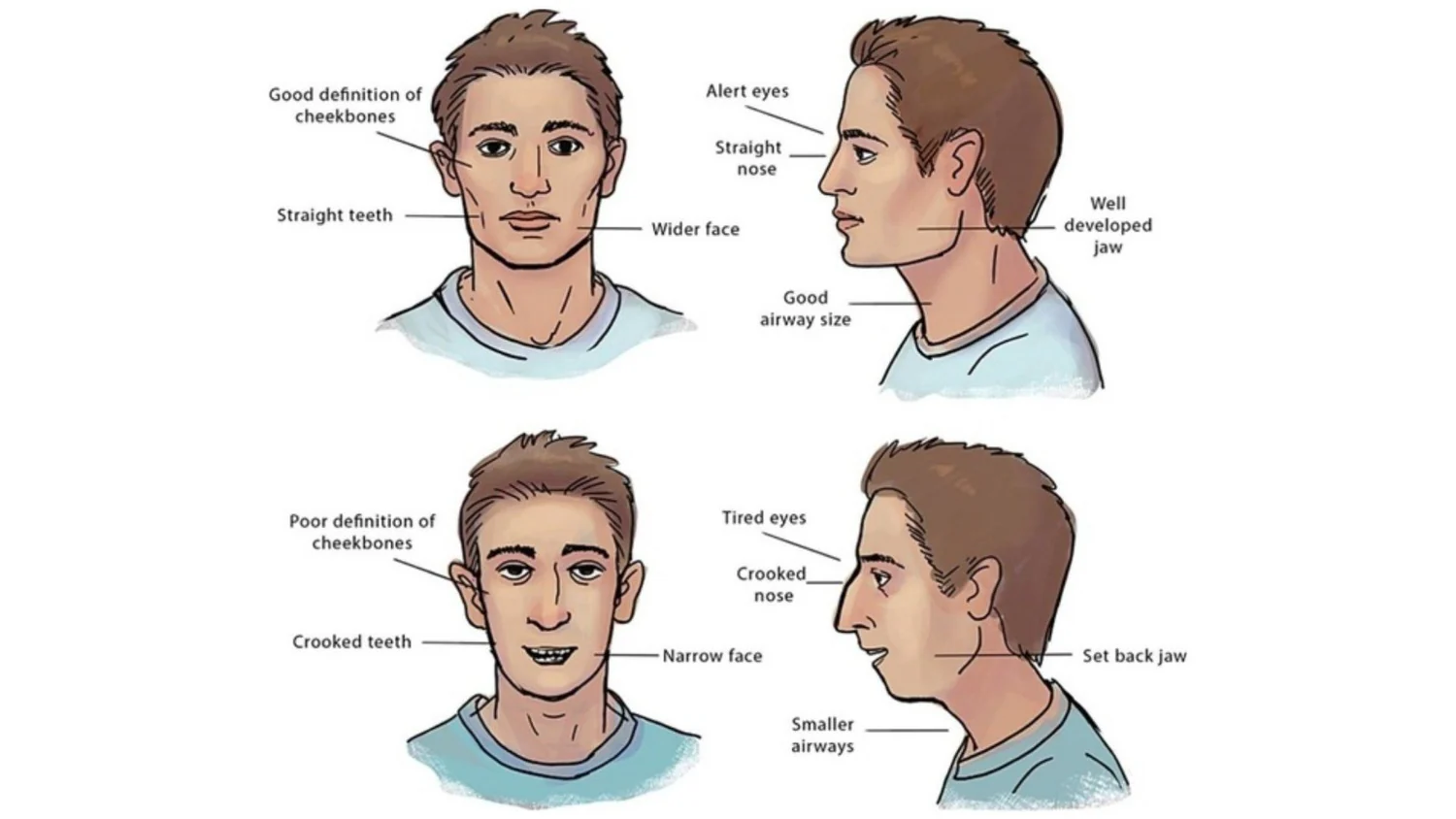
In mild cases, the issue may be limited to tooth position (dental underbite). In more severe cases, the discrepancy involves jaw structure, where the lower jaw (mandible) is positioned forward relative to the upper jaw (maxilla). This skeletal imbalance often produces a concave facial profile, making the chin appear more prominent and the midface slightly retruded.
| Severity Level | Clinical Characteristics | Reverse Overjet | Facial Appearance | Functional Impact | Common Treatment Approach |
| Mild Underbite | Primarily dental misalignment; lower front teeth slightly overlap upper teeth | 0–2 mm | Facial profile usually normal or slightly straight | Minor difficulty biting; usually no jaw pain | Braces or clear aligners with elastics; treatment 16–24 months |
| Moderate Underbite | Combination of dental and mild skeletal discrepancy; noticeable lower jaw prominence | 2–4 mm | Slightly concave profile; chin appears more prominent | Chewing inefficiency; possible speech changes | Braces with Class III elastics; sometimes temporary anchorage devices (TADs); 18–30 months |
| Severe Underbite | Significant skeletal Class III relationship; pronounced mandibular protrusion | >4 mm | Clearly concave profile; strong chin projection; midface retrusion | Difficulty biting and chewing; jaw strain; higher risk of tooth wear | Braces combined with orthognathic surgery (in adults); early growth modification in children |
Underbite is not only an aesthetic concern; it can affect chewing efficiency, speech clarity, and long-term oral health if left untreated.
Causes of Underbite
An underbite occurs when the lower jaw (mandible) extends forward beyond the upper jaw (maxilla), causing the lower front teeth to sit in front of the upper front teeth. The condition can range from mild dental misalignment to severe skeletal discrepancy.
In Vietnam and other East/Southeast Asian populations, skeletal Class III patterns are relatively more common compared to Western populations. Studies suggest that Class III malocclusion prevalence in Asian populations ranges from 10–15%, compared to approximately 1–5% in Caucasian populations, indicating a strong genetic and skeletal component.
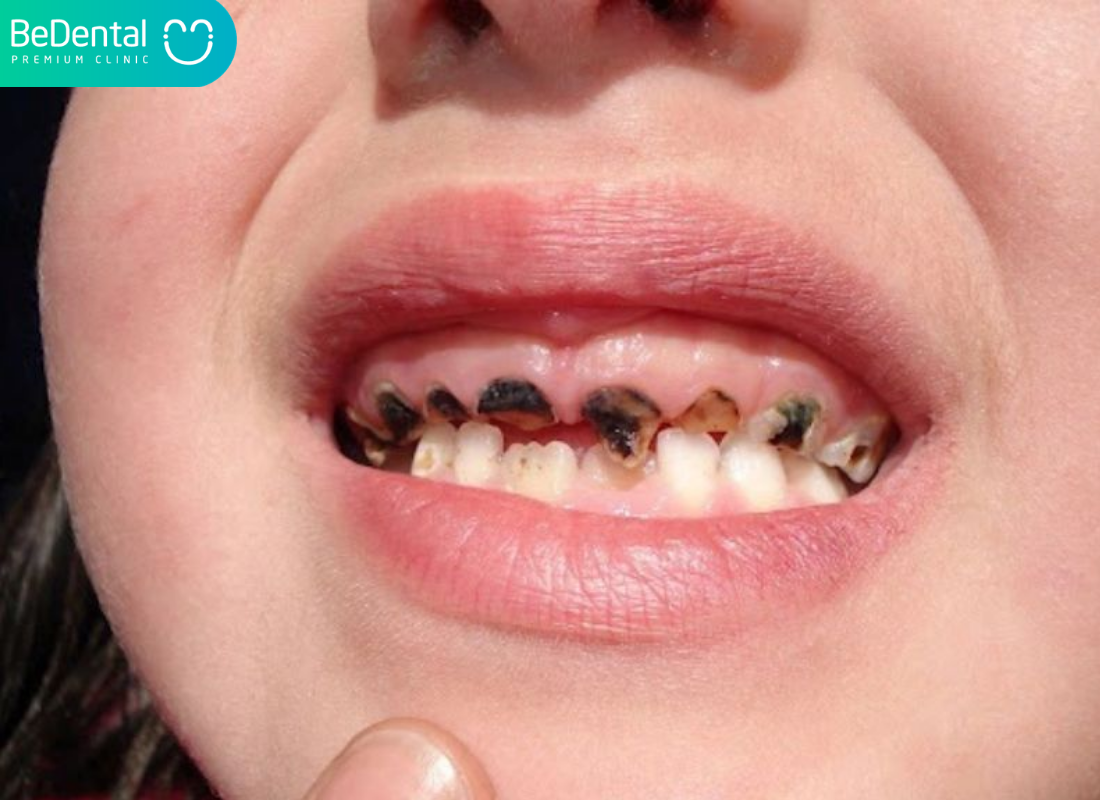
Below are the main causes explained in detail:
| Cause | Vietnam / East–Southeast Asia | Western Countries (US / Europe) | Relative Commonness | Key Insight |
| Genetic Factors (Family History) | 🔴 Very High (≈60–70%) | 🟠 Moderate (≈30–40%) | Much higher in Vietnam | Strong genetic predisposition to skeletal Class III in Asian populations |
| Mandibular Overgrowth (Prognathism) | 🔴 High (≈40–50%) | 🟡 Low–Moderate (≈10–20%) | Higher in Vietnam | More forward mandibular growth patterns observed in Asian craniofacial structure |
| Maxillary Deficiency (Upper Jaw Underdevelopment) | 🔴 High (≈40–60%) | 🟠 Moderate (≈20–30%) | Higher in Vietnam | Common skeletal pattern: smaller or retruded maxilla |
| Childhood Habits (Mouth Breathing, Tongue Posture) | 🟠 Moderate (≈20–30%) | 🟠 Moderate (≈20–30%) | Similar | Environmental factor, not strongly ethnicity-dependent |
| Early Loss of Baby Teeth | 🟡 Low–Moderate (≈10–20%) | 🟡 Low–Moderate (≈10–20%) | Similar | Depends more on dental care access than genetics |
| Functional Shifts (Pseudo-Class III) | 🟡 Low (≈5–10%) | 🟠 Moderate (≈10–15%) | Slightly higher in West | Western cases more often dental/functional rather than skeletal |
Underbite presents differently across populations, with clear distinctions between Vietnam/Asia and Western countries. In Vietnam and much of Asia, underbite is more prevalent (around 10–15%) and is predominantly driven by skeletal and genetic factors, often involving significant jaw discrepancies. As a result, cases tend to be more complex and frequently require comprehensive treatment approaches, including advanced orthodontics and, in some cases, orthognathic surgery.
In contrast, in Western populations, underbite is less common (approximately 1–5%) and is more often associated with functional or dental causes, such as habits or tooth positioning. These cases are typically milder and can often be managed with less invasive treatments.
Because of this higher prevalence and complexity, dentists and orthodontists in Vietnam are generally more experienced and familiar with managing complicated underbite cases, particularly those involving skeletal Class III patterns.
See more: Does getting braces hurt? Which stage is the most painful?
Can Braces Fix an Underbite?
The effectiveness of braces in correcting an underbite depends primarily on two factors:
- Whether the problem is dental or skeletal
- The patient’s age and growth stage
Underbite is clinically classified as Class III malocclusion, and treatment planning varies accordingly.
| Category | Mild–Moderate Dental Underbite | Skeletal Underbite (Jaw Discrepancy) |
| Main Cause | Teeth positioned incorrectly | Lower jaw too large and/or upper jaw underdeveloped |
| Age Group Most Responsive | Teenagers & Adults | Best treated early (8–12 years) for growth modification |
| Can Braces Alone Fix It? | Yes, in most cases | Usually no in adults; may help camouflage mild cases |
| Common Treatment Methods in Vietnam | • Traditional metal braces • Ceramic braces • Clear aligners (selected cases) • Class III elastics | Teenagers (Growth phase): • Growth modification appliances • Braces with elastics Adults: • Braces + orthognathic surgery |
| Treatment Duration | Mild: 16–20 months Moderate: 24–30 months Average: 18–30 months | Growth phase: varies by growth timing Adult surgical cases: 24–36 months total (including pre- & post-surgical braces) |
| Success Rate | High (≈85–90%) with good compliance | High when properly indicated; surgery needed in ~10–20% of severe Class III cases |
| Facial Profile Change | Usually mild improvement | Significant improvement possible with surgery |
Types of Braces for Underbite in Vietnam
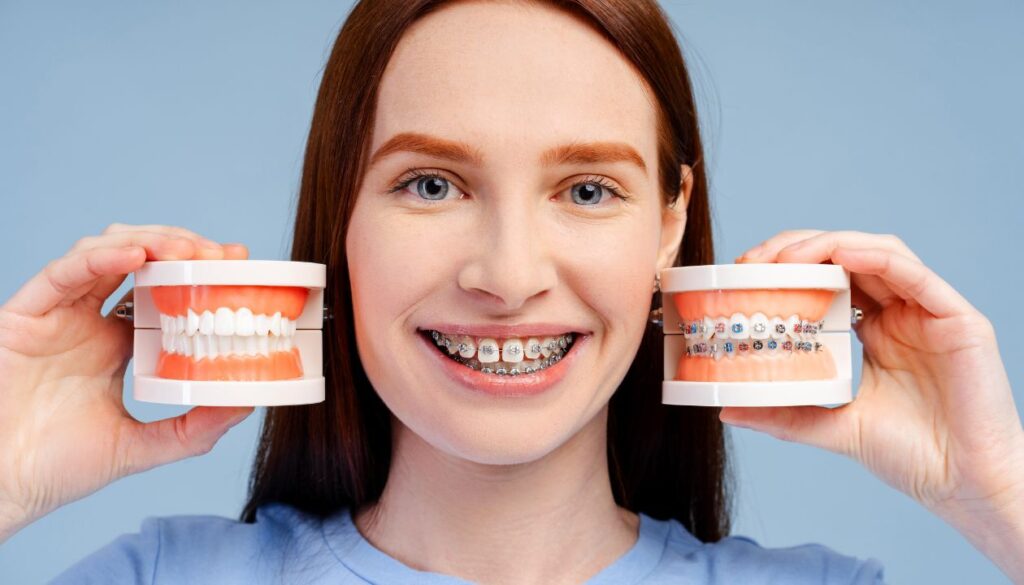
Underbite (Class III malocclusion) is treated using a combination of different orthodontic appliances, depending on severity (dental vs skeletal). Below is a structured comparison of the most common types of braces in Vietnam, how they compare globally, and their success rates.
| Type of Braces / Appliance | Usage in Vietnam | Usage in Western Countries | Best Case Type | Estimated Success Rate | Key Notes |
| Metal Braces (Fixed Braces) | 🔴 Very Common | 🔴 Very Common | Mild → Moderate underbite | 🟢 70–85% | Standard treatment; often combined with elastics |
| Ceramic Braces | 🔴 Common | 🟠 Moderate | Mild → Moderate | 🟢 70–85% | Same effectiveness as metal, more aesthetic |
| Clear Aligners (e.g., Invisalign) | 🟠 Increasing | 🔴 Very Common | Mild → Moderate | 🟢 ~78% (aligner.zenyum.sg) | Less effective for severe skeletal cases |
| Lingual Braces (hidden) | 🟡 Limited | 🟠 Moderate | Mild → Moderate | 🟢 70–80% | Technique-sensitive, higher cost |
| Braces + Class III Elastics | 🔴 Very Common | 🔴 Very Common | Dental underbite | 🟠 60–75% | Only moves teeth, not bone (Wikipedia) |
| Facemask (Reverse-Pull Headgear) | 🔴 Common (children) | 🟠 Less common | Growing patients (skeletal) | 🟢 80–90% (early treatment) | Works best during growth phase (SmilePath New Zealand) |
| MEAW Technique (Advanced braces) | 🔴 Specialized (Vietnam strong) | 🟡 Limited | Complex Class III | 🟢 75–85% | Requires highly skilled orthodontist (Nha khoa Elitedental) |
| Braces + Surgery (Orthognathic) | 🟠 Moderate | 🟠 Moderate | Severe skeletal | 🔴 80–90%+ (Moro Ortodontia) | Most definitive correction |
In Vietnam, fixed orthodontic appliances—particularly traditional braces combined with advanced techniques such as MEAW and interarch elastics—are the most commonly used and reliable approaches for treating underbite. This preference is largely due to the higher prevalence of complex skeletal Class III cases, which require greater control over tooth movement and bite correction than simpler methods can provide.
In contrast, Western countries tend to favor clear aligners as a primary treatment option. However, these systems are generally more suitable for mild to moderate underbite cases and are less effective in managing significant skeletal discrepancies. As a result, their widespread use reflects the lower complexity and different distribution of underbite cases in these populations.
Overall, the highest success rates—typically around 80–90% or higher—are achieved when treatment is initiated early during the growth phase, allowing orthodontic appliances to guide jaw development. For severe cases in adults, optimal outcomes are often reached through a combination of orthodontic treatment and orthognathic surgery, ensuring both functional correction and facial balance.
See more: Braces near me in Vietnam
Price of Braces for Underbite in Vietnam
Vietnam has become a prominent destination for orthodontic treatment—not only for locals but also for international patients—because it combines modern clinical standards with substantially lower prices than Western and some regional markets. The cost advantage is driven by lower clinic overhead, competitive pricing strategies for medical tourism, and a rapidly expanding base of well-equipped private practices. Comparative reviews and dental tourism guides report that patients can save 40–70% on many dental procedures in Vietnam compared with the U.S., Australia, or Singapore.
At the same time, many Vietnamese clinics now use current diagnostic tools and brands (digital imaging, cephalometrics, CBCT when indicated, and licensed aligner systems), meaning lower cost does not necessarily mean lower quality. Several clinic price lists and patient-facing guides show orthodontic packages in Vietnam that are notably cheaper than equivalent services abroad (see price table below).
| Treatment Type | Vietnam | United States | United Kingdom |
| Metal braces (traditional) | US$960 – US$1,875 | US$3,000 – US$7,000 | US$1,900 – US$3,800 |
| Ceramic braces | US$1,250 – US$2,625 | US$4,000 – US$8,500 | US$2,280 – US$6,970 |
| Self-ligating braces | US$1,660 – US$2,500 | US$4,000 – US$7,500 | US$2,530 – US$7,590 |
| Clear aligners (Invisalign / branded) | US$3,750 – US$6,670 | US$3,500 – US$8,000+ | US$3,930+ |
BeDental – A Trusted Dental Clinic for Underbite Braces in Vietnam
Founded in 2012, BeDental has become one of Vietnam’s reputable dental systems specializing in orthodontic treatment, with clinics in both Hanoi and Ho Chi Minh City. Over 12 years of operation, the clinic has treated more than 5,000 patients, including over 1,500 orthodontic cases. Approximately 70% of braces patients are adults, and overall treatment completion rates exceed 95%.
From the first consultation, patients undergo comprehensive oral examinations, including enamel assessment, gum evaluation, bite analysis, and jaw structure review. More than 85% of orthodontic cases are planned using 3D intraoral scanning and digital simulations, supported by Cone Beam CT imaging when indicated. This digital workflow has improved treatment precision by an estimated 25–30% and, in selected cases, reduced treatment time by 3–5 months.
Each treatment plan is fully customized, outlining the type of braces, orthodontic techniques, estimated duration, and staged progress expectations. Complex malocclusion cases account for nearly 40% of treated patients, reflecting the clinic’s experience in managing advanced orthodontic conditions.
BeDental emphasizes transparent pricing, with all costs clearly explained upfront and no hidden fees. Flexible 0% interest installment plans are available to improve financial accessibility. Internal surveys show patient satisfaction rates above 94%, particularly in communication clarity and treatment transparency.
During treatment, supportive procedures such as periodontal therapy or enhanced hygiene protocols may be recommended to optimize outcomes. Follow-up adherence exceeds 90%, and in cases of inflammation or delayed tooth movement, orthodontists proactively adjust strategies and inform patients promptly.
With experienced specialists, standardized medical protocols, and continuous investment in modern technology, BeDental positions itself as a reliable and clinically accountable destination for professional orthodontic care in Vietnam.
See more: Orthodontic Treatment in Vietnam
Patient Stories at BeDental
Patient Story 1: Mild–Moderate Dental Underbite (Non-Surgical Treatment)
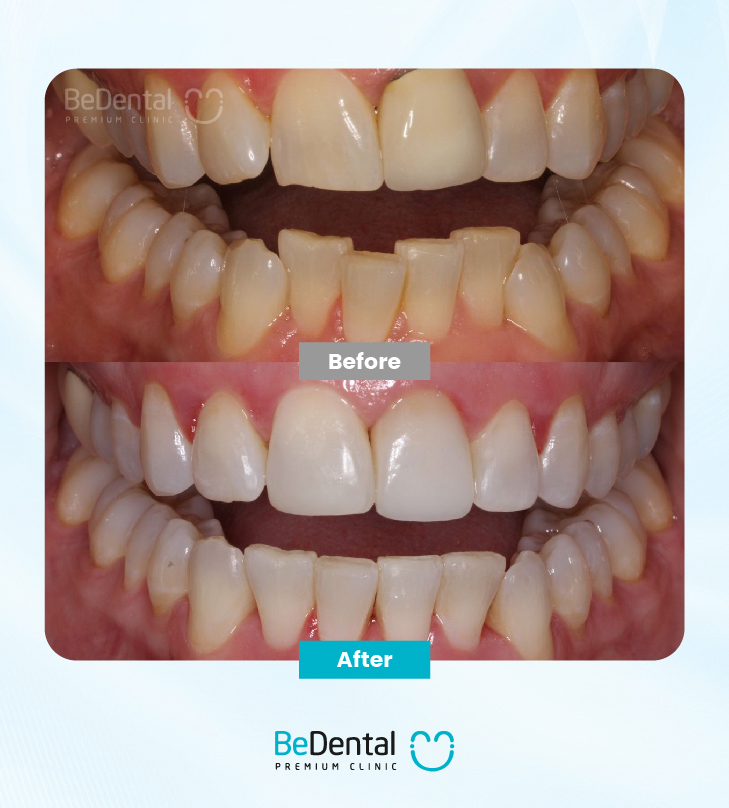
Patient: Linh, 19 years old, university student in Ho Chi Minh City
Diagnosis: Mild dental Class III malocclusion (no major skeletal discrepancy)
Initial Concerns
Linh felt self-conscious when smiling in photos because her lower front teeth slightly overlapped her upper teeth. She also noticed difficulty biting into foods like apples and sandwiches. However, her facial profile was relatively balanced, suggesting the issue was mainly dental rather than skeletal.
Treatment Plan
After clinical examination and cephalometric analysis, her orthodontist confirmed that braces alone could correct her underbite.
She chose ceramic braces for a more aesthetic appearance.
Her treatment included:
- Fixed braces on both arches
- Class III elastics (rubber bands) worn daily
- Regular adjustments every 4–6 weeks
Treatment Duration
20 months total.
Outcome
By month 8, her bite relationship had significantly improved.
At the end of treatment:
- Reverse overjet was fully corrected
- Her smile looked more balanced
- Chewing efficiency improved
- Facial profile remained natural and harmonious
Patient Story 2: Severe Skeletal Underbite (Braces + Surgery)
Patient: Minh, 25 years old, software engineer in Hanoi
Diagnosis: Severe skeletal Class III malocclusion (mandibular protrusion)
Initial Concerns
Minh had a noticeably prominent chin and concave facial profile. His lower teeth extended significantly beyond his upper teeth, making it difficult to chew properly. He also experienced occasional jaw discomfort after long meals.
Clinical imaging confirmed a skeletal discrepancy: his lower jaw was positioned forward relative to his upper jaw. Braces alone would not fully correct his facial structure.
Treatment Plan
His orthodontist recommended a combined approach:
Phase 1 – Pre-surgical Orthodontics (12 months):
- Fixed metal braces
- Alignment and decompensation of teeth
Phase 2 – Orthognathic Surgery:
- Surgical repositioning of the lower jaw
Phase 3 – Post-surgical Orthodontics (8–10 months):
- Fine-tuning bite alignment
Total treatment time: approximately 30 months.
Outcome
After surgery and orthodontic finishing:
- His facial profile became balanced
- Chin projection was reduced
- Bite function normalized
- Jaw discomfort resolved
Minh reported a significant boost in confidence, especially in professional settings.
If you are considering underbite braces in Vietnam, choose BeDental that provides a comprehensive consultation, including facial profile assessment and clear treatment simulation. Careful planning ensures predictable results, functional improvement, and a balanced, confident smile.