

 English
 한국어
한국어 日本語
日本語 中文 (中国)


“Tooth extraction before braces in Vietnam” is one of the most frequently searched topics by people who are preparing for orthodontic treatment. Braces are a highly effective orthodontic solution that helps improve facial aesthetics, dental alignment, and chewing function. However, one of the biggest concerns that makes many patients hesitate is the question: When do you need tooth extraction before braces in Vietnam?
In this article, BeDental provides a comprehensive explanation from A to Z about the cases that require tooth extraction, the cases that do not, and how orthodontists make clinical decisions based on professional diagnosis.
1. Tooth Extraction Before Braces in Vietnam: Is It Mandatory?
The short answer is: Not everyone who gets braces needs tooth extraction. Whether tooth extraction before braces in Vietnam is required depends on several key factors, including:
- The severity of tooth misalignment
- The amount of available space on the dental arch
- Jawbone structure and bite condition
- Age and stage of jaw development
According to statistics from the American Association of Orthodontists (AAO), around 30–40% of orthodontic cases require tooth extraction to create space for proper tooth movement. However, with the advancement of modern orthodontic techniques such as palatal expanders, mini screws, and digital planning, this percentage is gradually decreasing.
In other words, tooth extraction before braces in Vietnam is not a standard rule, but a professional clinical decision made on a case-by-case basis.
See more: Orthodontic Treatment in Vietnam
2. Tooth Extraction Before Braces in Vietnam: Typical Cases
Below are the most common situations in which orthodontists usually recommend tooth extraction before braces in Vietnam to ensure optimal treatment results.
| Clinical Situation | Why Extraction Is Recommended |
| Protruding Teeth (Severe Overjet / Buck Teeth) | When overjet exceeds 6 mm (normal: 2–3 mm), there is often insufficient space to retract front teeth. Extraction of 1–2 premolars (tooth 4 or 5) creates 6–7 mm of space per side, allowing retraction of incisors and improvement of lip protrusion. Common in patients with significant dental flaring. |
| Severe Crowding & Overlapping Teeth | Occurs when space deficiency exceeds 6 mm per arch. Teeth may overlap or rotate severely. According to orthodontic data (AAO), approximately 25–35% of adult orthodontic cases require extraction due to lack of space. Premolars are usually removed to allow proper alignment and prevent unstable results. |
| Deep Bite or Severe Crossbite | Deep bite (>4–5 mm excessive vertical overlap) or significant transverse discrepancy may require space redistribution. Extraction helps balance upper and lower arches, improve occlusion, and reduce long-term risk of temporomandibular joint (TMJ) issues. |
| Extra Teeth or Impacted Teeth | Around 1–3% of the population have supernumerary (extra) teeth. Impacted teeth are also common, especially wisdom teeth (60–75% prevalence in young adults). Removal is necessary to prevent obstruction of eruption and ensure correct alignment. |
| Orthodontics Combined with Jaw Surgery (Orthognathic Cases) | Severe skeletal discrepancies (jaw protrusion, retrusion, asymmetry) require combined orthodontic-surgical treatment. Extraction may be planned to decompensate teeth before surgery, improving surgical accuracy and post-operative stability. These cases represent a smaller percentage (<10% of orthodontic patients) but require advanced expertise. |
3. Cases Where Tooth Extraction Is Not Necessary
Not all orthodontic cases require tooth extraction. In fact, many patients can achieve excellent results without removing any teeth.
3.1 Naturally Spaced Teeth
If you already have spacing between teeth, orthodontic treatment can utilize this natural space to align the teeth. No additional space creation is needed, so tooth extraction before braces in Vietnam is not required.
3.2 Children in the “Golden Age” (6–12 Years Old)
This is the ideal age for orthodontic intervention because the jaw is still developing and easy to reshape.
In most cases, early orthodontic treatment for children does not require tooth extraction. With timely and proper intervention, nearly 100% of young patients can avoid extraction.
3.3 Wide Dental Arch
Some individuals naturally have a wide jaw and high palate. In such cases, orthodontists can use expansion appliances instead of extraction to create space.
Modern orthodontic techniques allow many patients to undergo braces without extraction if the dental arch is wide enough.
4. Which Teeth Are Usually Extracted Before Braces?
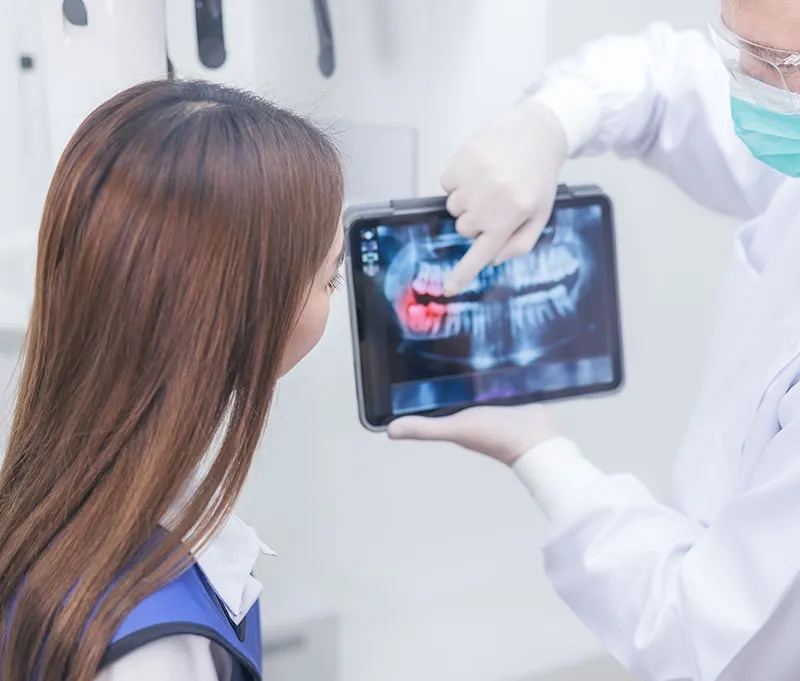
Orthodontists do not randomly choose teeth for extraction. They carefully select teeth that are less important for chewing and provide the best space for orthodontic movement.
| Tooth Type | Why It Is Extracted & Clinical Notes |
| First Premolars (Tooth No. 4) | The most commonly extracted teeth in orthodontics, accounting for approximately 60–70% of orthodontic extraction cases. Located between canines and molars, they provide ideal space (about 6–7 mm per quadrant) for retracting protrusive front teeth and correcting crowding. Their removal has minimal impact on chewing efficiency. |
| Second Premolars (Tooth No. 5) | Extracted in selected cases when space requirements or bite correction patterns differ from standard plans. Less common than first premolars, representing roughly 10–20% of extraction cases. Chosen when preserving anterior anchorage or facial profile requires an alternative strategy. |
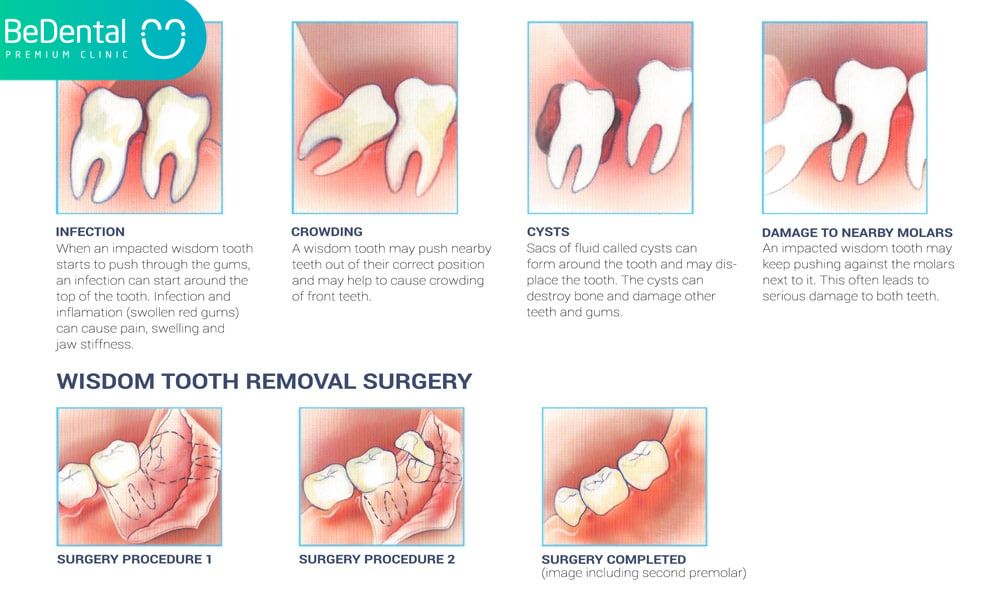
| Wisdom Teeth (Tooth No. 8) | Frequently removed if impacted or misaligned. Around 60–75% of young adults have at least one impacted wisdom tooth. Extraction is recommended when they cause pain, infection, cyst formation, or interfere with orthodontic movement. Not always mandatory if fully erupted and asymptomatic. |
| Lateral Incisors (Very Rare) | Extremely rare (<1–2% of cases). Considered only if the tooth is severely malformed, impacted, congenitally small (peg-shaped), or structurally compromised. Requires detailed digital planning to maintain smile symmetry and bite harmony. |
5. How Many Teeth Need to Be Extracted?
The number of teeth that need to be extracted before orthodontic treatment depends entirely on the severity of crowding, jaw structure, facial profile, and bite relationship. Tooth extraction is recommended only when there is insufficient space in the dental arch to properly align the teeth.
Orthodontists may recommend:
| Extraction Pattern | Details |
| Extraction of 2 Teeth (Usually Symmetrical Premolars in One Arch) | Common when crowding or protrusion mainly affects one dental arch (upper or lower). Teeth removed are typically first premolars on both sides to maintain symmetry. Often indicated in cases with moderate crowding (4–6 mm) limited to one arch or isolated protrusion. Estimated to account for 20–30% of extraction cases. |
| Extraction of 4 Teeth (Premolars in Both Arches) | The most common extraction pattern in moderate to severe cases. Indicated when: • Significant crowding in both arches (>6 mm space deficiency) • Lip protrusion due to dental flaring (overjet >6 mm) • Comprehensive bite correction requires substantial space Removing four premolars allows effective retraction of anterior teeth and improves facial profile. Represents approximately 50–70% of orthodontic extraction cases. |
| Extraction of 1 Tooth (Asymmetrical Cases) | Rare and highly case-specific. Used in situations involving midline deviation, unilateral crowding, or tooth-size discrepancy. Requires detailed digital planning (cephalometric and 3D analysis) to maintain bite harmony. Accounts for <5–10% of cases. |
6. Does Invisalign Require Tooth Extraction in Vietnam?
Invisalign is a modern clear aligner system designed to move teeth gradually using custom-made transparent trays. However, Invisalign does not automatically eliminate the need for extraction.
Tooth extraction before braces in Vietnam may still be necessary with Invisalign in cases such as:
- Severe protrusion (buck teeth)
- Extreme crowding with no available space
- Significant bite discrepancies requiring space redistribution
- Cases where facial profile improvement is needed
The major advantage of Invisalign is its digital treatment planning system. Orthodontists can simulate the entire tooth movement process using 3D software before treatment begins. This allows:
- Accurate prediction of space requirements
- Assessment of whether interproximal reduction (IPR) can replace extraction
- Minimization of unnecessary extractions
- Better visualization of post-treatment facial profile
In mild to moderate cases, Invisalign may avoid extraction by using techniques such as arch expansion or enamel reshaping (IPR). However, in severe cases, extraction remains the safest and most stable option regardless of the appliance used.
7. Is Tooth Extraction Painful? Does It Have Side Effects?

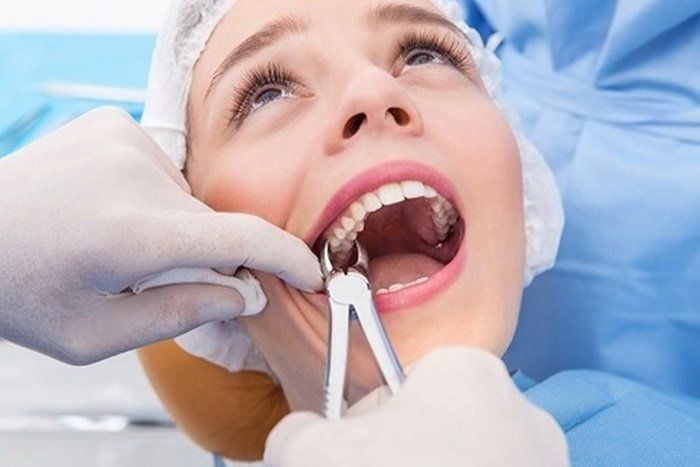
Fear of tooth extraction is very common, but modern dental technology has made the procedure safe, quick, and minimally uncomfortable.
During the Procedure
- Local anesthesia is administered to numb the area completely.
- Patients typically feel pressure but no sharp pain.
- The extraction process usually takes 5–20 minutes per tooth, depending on complexity.
After the Procedure
- Mild discomfort or soreness may occur for 1–3 days.
- Swelling is usually minimal and subsides within a few days.
- Prescribed pain relievers effectively control discomfort.
Healing time generally ranges from 7–10 days, provided proper care is followed.
Long-Term Effects
In orthodontic cases, the extracted teeth are typically premolars, which contribute minimally to chewing compared to molars. Therefore:
- There is no long-term impact on chewing ability.
- Bite function is restored and often improved after orthodontic alignment.
Modern Technology Advantages
Many reputable clinics in Vietnam now use advanced technologies such as Piezotome ultrasonic surgery, which offers:
- Minimal trauma to surrounding tissues
- Reduced bleeding
- Less swelling
- Faster healing
- Lower risk of complications
When performed by a qualified orthodontist or oral surgeon, extraction is a routine and safe procedure.
See more: Does getting braces hurt? Which stage is the most painful?
8. Where Tooth Extraction Before Braces in Vietnam?

Founded in 2012, BeDental has become one of Vietnam’s reputable dental systems specializing in orthodontic treatment, with clinics in both Hanoi and Ho Chi Minh City. Over 12 years of operation, the clinic has treated more than 5,000 patients, including over 1,500 orthodontic cases. Approximately 70% of braces patients are adults, and overall treatment completion rates exceed 95%.
From the first consultation, patients undergo comprehensive oral examinations, including enamel assessment, gum evaluation, bite analysis, and jaw structure review. More than 85% of orthodontic cases are planned using 3D intraoral scanning and digital simulations, supported by Cone Beam CT imaging when indicated. This digital workflow has improved treatment precision by an estimated 25–30% and, in selected cases, reduced treatment time by 3–5 months.
Each treatment plan is fully customized, outlining the type of braces, orthodontic techniques, estimated duration, and staged progress expectations. Complex malocclusion cases account for nearly 40% of treated patients, reflecting the clinic’s experience in managing advanced orthodontic conditions.
BeDental emphasizes transparent pricing, with all costs clearly explained upfront and no hidden fees. Flexible 0% interest installment plans are available to improve financial accessibility. Internal surveys show patient satisfaction rates above 94%, particularly in communication clarity and treatment transparency.
During treatment, supportive procedures such as periodontal therapy or enhanced hygiene protocols may be recommended to optimize outcomes. Follow-up adherence exceeds 90%, and in cases of inflammation or delayed tooth movement, orthodontists proactively adjust strategies and inform patients promptly.
With experienced specialists, standardized medical protocols, and continuous investment in modern technology, BeDental positions itself as a reliable and clinically accountable destination for professional orthodontic care in Vietnam.
Final Conclusion: Tooth Extraction Before Braces in Vietnam
So, when is tooth extraction before braces in Vietnam necessary? The answer depends entirely on your individual dental condition.
Extraction is often required in complex cases such as severe protrusion, crowding, bite problems, or jaw surgery. In simpler cases or when early intervention is applied, braces can be done without extraction.
The most important factor is professional diagnosis. A personalized treatment plan designed by an experienced orthodontist ensures that whether or not extraction is needed, the final result will be stable, functional, and aesthetically pleasing.
If you are considering braces, visit a reputable dental clinic like BeDental for comprehensive examination, digital imaging, and expert consultation to determine the most suitable approach for your case.
Tại BeDental, khách hàng có thể an tâm điều trị với dịch vụ bảo lãnh viện phí nha khoa nhanh chóng và tiện lợi. BeDental hiện liên kết với nhiều công ty bảo hiểm uy tín, hỗ trợ thanh toán trực tiếp chi phí các dịch vụ nha khoa như nhổ răng, trám răng, điều trị tủy, phục hình răng sứ... Quy trình linh hoạt, minh bạch giúp tiết kiệm thời gian và tối ưu chi phí. Hãy liên hệ BeDental để được tư vấn chi tiết và tận hưởng trải nghiệm chăm sóc răng miệng chuyên nghiệp, không lo gánh nặng tài chính.
🔹 Các đơn vị nha khoa chấp nhận bảo lãnh bao gồm : Hùng Vương Insurance, Bảo Long Insurance, BSH (Bảo hiểm BSH), FWD Insurance Cathay Life Fubon Insurance, Tokio Marine Insurance Group VNI (Bảo hiểm Hàng không), HD Insurance MSIG AAA Insurance PTI (Bảo hiểm Bưu điện), BIDV MetLife, PJICO, Techcom, Insurance, AIA, Dai-ichi Life MIC GIC DBV Insurance VBI (Bảo hiểm VietinBank)
🔹 Các công ty bảo hiểm BeDental có thể xuất hóa đơn: Manulife Dai-ichi Life Prudential AIA Hanwha Life PVI VCLI (Bảo hiểm nhân thọ Vietcombank - Cardif) BIC (Bảo hiểm BIDV), Bảo Việt Insurance và PVI