


 English
 한국어
한국어 日本語
日本語 中文 (中国)


Temporomandibular joint disorders in Vietnam: When the body shows symptoms of jaw pain, difficulty opening the mouth… affecting the ability to eat and drink, thereby reducing the quality of life, you need to be very careful because you may have temporomandibular joint disease. So what is the disease? temporomandibular joint arthritis What is it? What are the causes, symptoms and treatments?
1. Overview of Temporomandibular Joint Disorders in Vietnam
Temporomandibular joint disorders in Vietnam are increasingly recognized as a significant oral and maxillofacial health concern, particularly in urban populations where stress, parafunctional habits, and complex occlusal issues are common.
Globally, epidemiological studies estimate that 5–12% of the population experiences clinically significant TMD symptoms, while up to 60–70% may show at least one TMJ sign (such as clicking) during examination. In Vietnam, although nationwide epidemiological data remain limited, clinical reports from major dental centers in Hanoi and Ho Chi Minh City indicate that approximately 15–25% of patients seeking occlusal or orthodontic consultation present with TMD-related symptoms, ranging from mild joint sounds to chronic pain conditions.
The temporomandibular joint (TMJ) is the only movable joint in the craniofacial region. It connects the mandible (lower jaw) to the temporal bone of the skull and includes several key structures:
- Articular surfaces of the temporal bone and mandibular condyle
- Articular disc
- Joint capsule and ligaments
- Retrodiscal tissue
- Surrounding masticatory muscles
This joint enables essential daily functions such as chewing, speaking, swallowing, yawning, and facial expression. When the balance between joint structures, muscles, and occlusion is disrupted, temporomandibular joint disorders (TMD) may develop.
See more: Does getting braces hurt? Which stage is the most painful?
2. How Temporomandibular Joint Disorders Develop
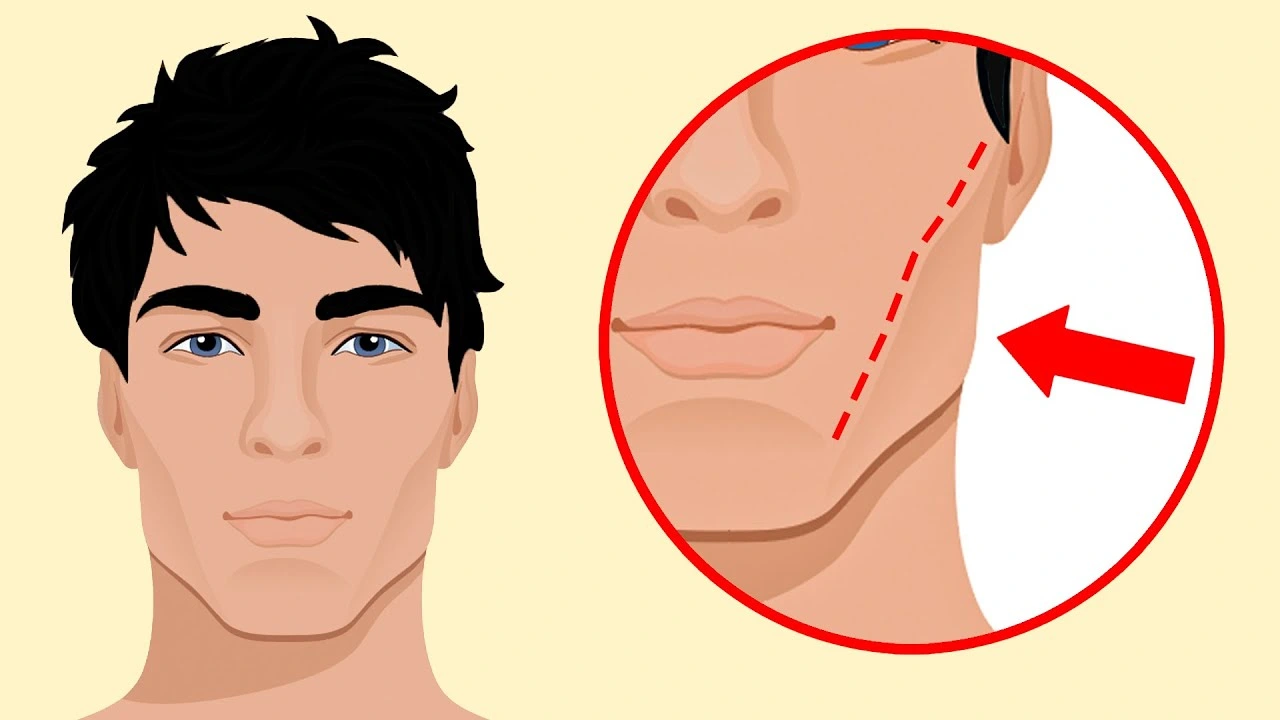
Temporomandibular joint disorders in Vietnam do not arise from a single cause. Instead, they result from a complex interaction of structural, muscular, neurological, and psychological factors.
The disorder typically manifests when the body’s adaptive capacity is no longer sufficient to compensate for accumulated mechanical and functional stress on the temporomandibular joint (TMJ).
To improve clarity and user experience, the major contributing factors are summarized below:
| Category | Specific Factors | Mechanism of Impact on TMJ |
| Occlusal Factors | – Malocclusion (deep bite, open bite, crossbite)
– Premature contacts – Bite interferences – Uneven force distribution |
Abnormal bite relationships create imbalanced loading of the condyle and articular disc, increasing joint stress and accelerating wear. |
| Parafunctional Habits | – Bruxism (teeth grinding)
– Jaw clenching – Nail biting – Pen biting – Excessive gum chewing |
Repetitive, non-functional jaw movements overload the joint and masticatory muscles, leading to inflammation and muscle fatigue. |
| Psychological Stress | – Chronic stress
– Anxiety-related tension |
Stress increases sustained contraction of the masseter and temporalis muscles, reducing blood flow and causing muscle pain and joint compression. |
| Trauma | – Direct impact to the jaw
– Whiplash injuries – Excessive mouth opening during dental procedures |
Sudden mechanical forces can damage ligaments, displace the articular disc, or strain surrounding musculature. |
| Systemic & Neurological Factors | – Arthritis
– Central pain disorders |
Inflammatory joint conditions degrade cartilage and bone, while central pain sensitization amplifies symptom perception. |
3. Treatment Approaches for Temporomandibular Joint Disorders in Vietnam
Management of Temporomandibular joint disorders in Vietnam follows a stepwise, evidence-based philosophy. Treatment is broadly divided into:
- Conservative (non-invasive) treatment
- Invasive (structural correction) treatment
See more: Braces near me in Vietnam
3.1 Conservative Treatment for Temporomandibular Joint Disorders in Vietnam
Conservative management is appropriate for approximately 80–90% of TMD cases, particularly those dominated by muscle pain or mild disc displacement.
| Treatment Method | Purpose | How It Works | Typical Duration | Estimated Cost in Vietnam (VND) |
| Jaw Functional Exercises | Improve coordination & reduce muscle hyperactivity | Guided mandibular movements retrain muscles and improve joint tracking | 4–8 weeks | 500,000 – 1,500,000 (instruction package) |
| Occlusal Adjustment | Eliminate bite interferences | Selective minimal grinding to achieve stable centric relation | 2 appointments (3 weeks apart) | 2,000,000 – 5,000,000 |
| Occlusal Splints (Night Guards) | Reduce bruxism load & protect joint | Custom acrylic appliance redistributes occlusal forces | 3–6 months monitoring | 3,000,000 – 8,000,000 |
| Physical Therapy | Reduce inflammation & muscle tension | Infrared, ultrasound, relaxation therapy | 5–10 sessions | 300,000 – 800,000 per session |
| Behavioral Therapy | Control stress & parafunction | Habit awareness, posture correction, stress reduction | Ongoing | 1,000,000 – 3,000,000 (consultation program) |
Prices vary depending on city (Hanoi, HCMC, Da Nang), clinic expertise, and case complexity.
Jaw Functional Exercises
Patients are instructed in controlled mandibular opening, lateral movement, and relaxation exercises.
These exercises:
- Reduce muscle hyperactivity
- Improve neuromuscular coordination
- Enhance blood circulation
- Decrease pain sensitivity
In Vietnam, this is often combined with posture training due to the high correlation between forward head posture and TMD.
Occlusal Adjustment
This procedure corrects minor bite discrepancies.
Clinical requirements include:
- Bilateral simultaneous contact
- At least two posterior contact pairs per quadrant
- Elimination of working and balancing side interference
Adjustment is performed conservatively over two visits spaced approximately three weeks apart, allowing monitoring of symptom response before further modification.
Occlusal Splints (Night Guards)
Occlusal splints are among the most common treatments for temporomandibular joint disorders in Vietnam.
Indications:
- Bruxism
- Muscle-dominant TMD
- Acute joint pain
In severe pain cases, splints may be worn full-time temporarily, then reduced gradually once symptoms stabilize.
Splints:
- Decompress the joint
- Redistribute occlusal forces
- Protect teeth from wear
Symptom improvement is typically observed within 2–6 weeks.
Physical Therapy
Adjunctive therapies include:
- Infrared therapy: Improves blood circulation
- Ultrasound therapy: Reduces inflammation
- Muscle relaxation techniques: Decrease spasm
Physical therapy is particularly helpful in acute inflammatory phases.
Behavioral Therapy
Stress plays a critical role in TMD progression.
Behavioral management focuses on:
- Reducing clenching awareness
- Improving ergonomic posture
- Stress management techniques
- Sleep hygiene optimization
In Vietnam’s urban environment, stress-related bruxism is a growing contributing factor.
3.2 Invasive and Structural Treatment
When conservative therapy successfully reduces acute inflammation but structural imbalance remains, corrective interventions may be considered.
These treatments are more complex and irreversible, thus requiring careful case selection.
| Treatment Method | Indication | Goal | Estimated Cost in Vietnam (VND) |
| Canine Guidance Re-establishment | Loss of anterior guidance | Improve disclusion and reduce joint load | 5,000,000 – 15,000,000 |
| Porcelain Restorations (Full Mouth Rehab) | Severe tooth wear & occlusal collapse | Restore vertical dimension & joint stability | 30,000,000 – 120,000,000+ |
| Orthodontic Treatment | Malocclusion-related TMD | Align bite and redistribute forces | 30,000,000 – 60,000,000 |
| Deep Bite Correction | Condylar compression cases | Decompress joint & improve function | 35,000,000 – 70,000,000 |
| Condylar Decompression Therapy | Chronic joint compression | Reduce pressure & allow remodeling | Included in orthodontic or splint therapy |
| TMJ Surgery (Arthroscopy/Open Surgery) | Severe disc displacement or degeneration | Structural repair | 40,000,000 – 100,000,000+ |
Prices vary depending on city (Hanoi, HCMC, Da Nang), clinic expertise, and case complexity.
See more: Orthodontic Treatment in Vietnam
4. Where Temporomandibular Joint Disorders in Vietnam Are Treated
At BeDental, the management of Temporomandibular joint disorders in Vietnam is structured around a conservative, evidence-based philosophy supported by measurable clinical data. Rather than focusing solely on symptom relief, the clinic applies a staged treatment protocol that prioritizes reversibility, objective diagnostics, and long-term functional stability.
Clinical Volume and Experience
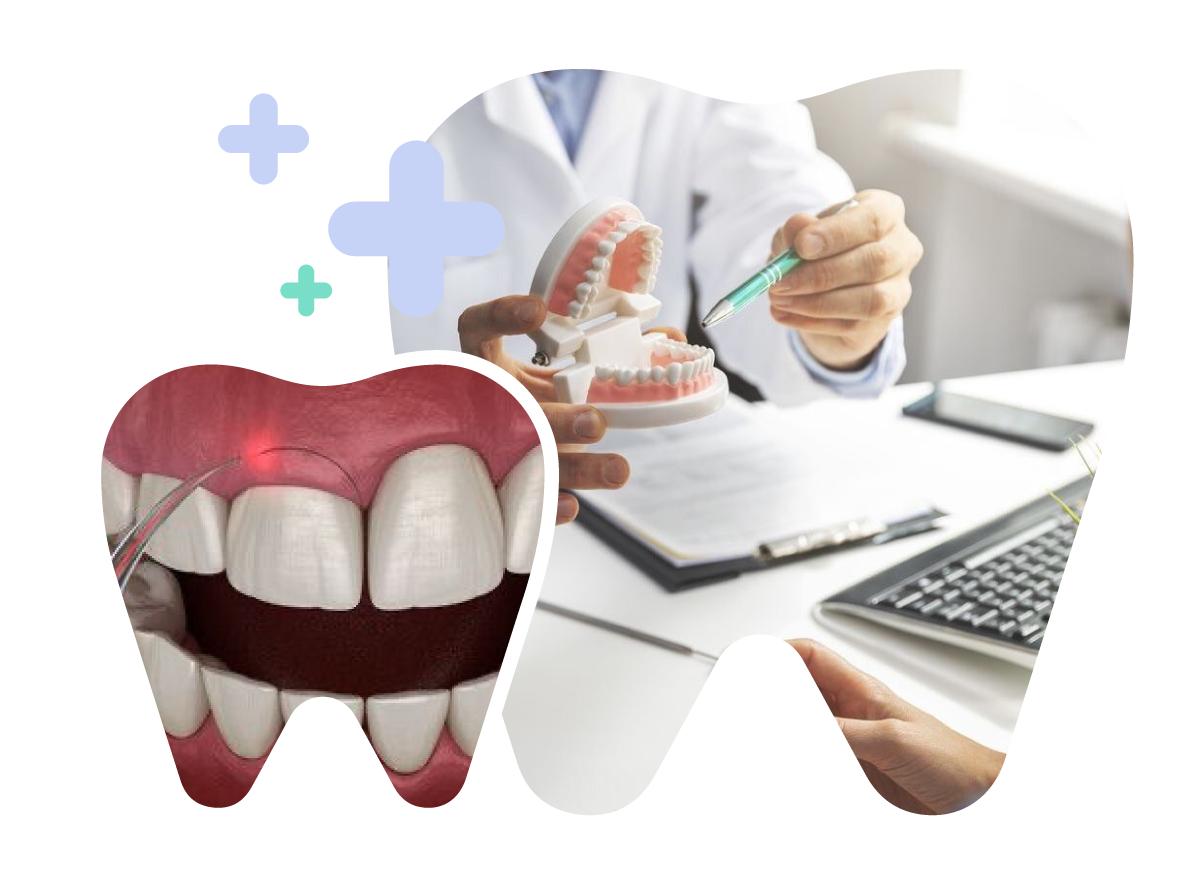
BeDental delivers more than 1,000 occlusal splints annually, reflecting substantial experience in managing bruxism-related and muscle-dominant TMD cases. Internal statistics indicate that approximately 65–75% of patients present with myofascial pain and muscle hyperactivity rather than advanced joint degeneration. Nearly 40% of cases are diagnosed at an early stage, when patients report joint clicking, jaw fatigue, or tension headaches without significant structural damage.
Early intervention plays a critical role in preventing chronic progression. Follow-up data show that around 70% of patients who consistently use splints experience significant pain reduction within 4–6 weeks. High clinical volume allows for refined diagnostic protocols, better case stratification, and improved treatment predictability.
Digital Occlusal Analysis
A key component of TMJ management at BeDental is digital occlusal analysis. This technology quantitatively measures bite force distribution and contact timing, enabling clinicians to detect discrepancies that are not easily identified with traditional articulating paper.
In many TMD patients, left–right bite force imbalance exceeds 20–30%, contributing to uneven loading of the mandibular condyle. Timing discrepancies during occlusion, sometimes greater than 0.2 seconds, can also create repetitive joint stress. Digital systems allow clinicians to monitor force redistribution before and after splint therapy or occlusal adjustment, increasing precision and reducing subjective interpretation.
Studies suggest that digital occlusal evaluation can improve diagnostic accuracy by approximately 30–40% compared with conventional methods alone, particularly in complex occlusal instability cases.
Multidisciplinary Treatment Model
Temporomandibular joint disorders frequently involve a combination of occlusal dysfunction, muscular imbalance, and structural misalignment. For this reason, BeDental applies a multidisciplinary approach involving orthodontists, prosthodontists, and general dentists trained in occlusion.
Approximately 30–40% of TMD patients require orthodontic consultation due to deep bite, crossbite, or occlusal plane discrepancies. However, only 15–20% of cases ultimately require structural correction after conservative stabilization. The guiding principle is that any irreversible intervention should be performed only after inflammation and muscle hyperactivity have been controlled, typically following 8–12 weeks of conservative therapy.
Emphasis on Reversibility and Long-Term Stability

The clinic prioritizes preservation of natural tooth structure and avoidance of unnecessary prophylactic grinding. Treatment decisions are guided by the patient’s adaptive response rather than radiographic findings alone.
Long-term follow-up protocols extend from 3 months for mild cases to 12 months or longer for moderate conditions. Internal outcome tracking shows that approximately 80–85% of conservatively treated patients maintain symptom stability at one year, while fewer than 10% require referral for surgical evaluation.
This structured, conservative-first approach reflects the broader trend in managing Temporomandibular joint disorders in Vietnam, where early diagnosis, objective measurement, and gradual escalation are key to achieving sustainable joint health.